
Asunción
About Asunción
Description
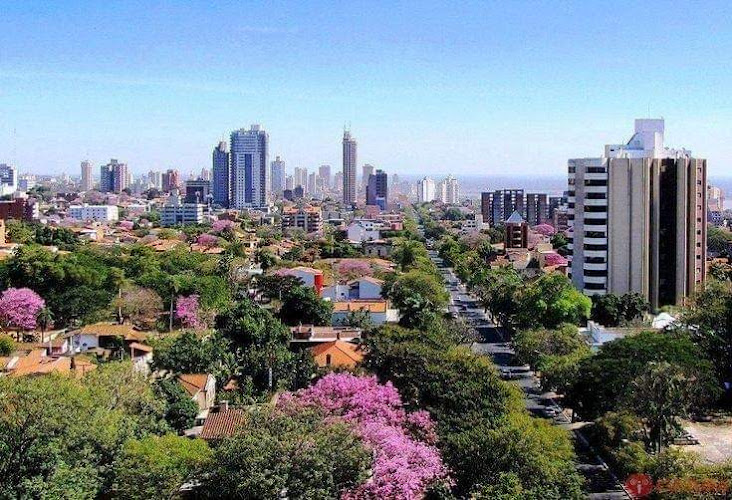
Asunción, the capital of Paraguay, sits quietly along the Paraguay River, a city that somehow manages to feel both historic and laid-back at the same time. It’s not the kind of place that overwhelms you with towering skyscrapers or endless traffic jams. Instead, it greets you with colonial charm, leafy plazas, and a sense that life here moves at its own pace. You’ll find grand landmarks like the López Palace, where the president’s offices are housed, and the National Pantheon of Heroes, which feels almost sacred with its marble walls and eternal flame honoring Paraguay’s most important figures. And just a few blocks away, the Independence House Museum tells the story of how Paraguay broke free from Spanish rule — it’s small, yes, but packed with history that feels personal and proud.
Walking through Asunción feels like flipping through a well-worn book that’s been passed down for generations. The architecture is a blend of colonial elegance and modern practicality, and the people — well, they’re some of the warmest you’ll meet in South America. You’ll often see locals chatting in shaded plazas, sipping tereré (a cold herbal tea that’s practically a religion here), and waving at strangers like old friends. There’s something deeply genuine about that. I remember sitting in Plaza Uruguaya one afternoon, just people-watching, when an older man offered me a sip of his tereré. We didn’t share a language, but somehow we still had a conversation. That’s Asunción for you — generous, unpretentious, and quietly captivating.
It’s not a flashy city, and maybe that’s its charm. You won’t find the crowds of Buenos Aires or the chaos of São Paulo. Instead, you get a city that feels real — where history isn’t tucked away in museums but lives in the rhythm of daily life. The streets hum with music, from soft guitar strums drifting out of cafés to the occasional street performer singing Guaraní folk songs. And if you’re into photography, the golden hour here is pure magic — the sunlight reflecting off pastel buildings and the river turning into a sheet of liquid gold. It’s the kind of beauty that sneaks up on you rather than shouting for attention.
Key Features
- López Palace: The official seat of government, an architectural gem that glows beautifully at night when illuminated.
- National Pantheon of Heroes: A solemn mausoleum honoring Paraguay’s most notable historical figures.
- Independence House Museum: A preserved colonial building showcasing artifacts from Paraguay’s independence movement.
- Paraguay Riverfront: A peaceful area for evening strolls, offering views of the river and local fishermen at work.
- Local Markets: Bustling spots like Mercado 4, where you can find everything from handmade crafts to local produce.
- Street Art and Murals: Colorful expressions of modern Paraguayan culture scattered throughout downtown.
- Tereré Culture: The social ritual of sharing cold yerba mate tea, a central part of daily life.
Best Time to Visit
Paraguay’s weather can be a bit unpredictable, but generally, the best time to visit Asunción is between May and September. During these months, the temperatures are mild, hovering around 20–25°C, and the humidity is manageable. The summer months (December to February) can be sweltering — I’m talking about the kind of heat that makes you question your life choices if you forget sunscreen. But if you don’t mind a little sweat, the city has a different energy then — more festivals, more music, and longer evenings by the river.
Personally, I love visiting in late July. The air feels crisp in the mornings, perfect for wandering the cobbled streets without melting. Plus, you’ll catch local cultural events celebrating Paraguay’s independence and folk traditions. It’s a great time to see the city in full color, with parades, music, and food stalls popping up everywhere. And if you’re into photography or sketching, the lighting during these months is just unbeatable — soft, golden, and forgiving even to amateur photographers like me.
How to Get There
Reaching Asunción is easier than you might think. The main gateway is Silvio Pettirossi International Airport, located about 15 kilometers from the city center. It’s connected to major South American hubs like Buenos Aires, São Paulo, and Panama City, with a few direct flights from Europe as well. Once you land, taxis and rideshare services are readily available, though I’d recommend agreeing on a fare before hopping in a cab — just to avoid surprises.
If you’re traveling from within Paraguay or neighboring countries, long-distance buses are a surprisingly comfortable option. I once took a 6-hour bus from Corrientes, Argentina, and honestly, it was smoother than some flights I’ve been on. The scenery along the way — endless green fields, small towns, and glimpses of the Paraná River — makes the journey feel like part of the adventure. Inside the city, getting around is straightforward. Buses are cheap, though a bit chaotic, and taxis are plentiful. For short distances, walking is often the best way to soak in the atmosphere — the streets are safe and full of small details you’d miss otherwise.
Tips for Visiting
First things first — take it slow. Asunción isn’t a city to rush through. It rewards curiosity and patience. Wander aimlessly, stop at a random café, talk to locals. You’ll discover places that don’t show up on any travel map. And don’t be surprised if someone invites you to share their tereré — it’s not just a drink, it’s a gesture of friendship. Say yes.
Here are a few other tips to make the most of your trip:
- Stay Hydrated: The heat can sneak up on you, especially in summer. Always carry water (or better yet, try tereré).
- Learn a Few Words of Guaraní: Even basic phrases like “mba’eichapa” (how are you?) can earn you smiles and better service.
- Bring Cash: Credit cards are accepted in many places, but smaller shops and markets often prefer cash, especially guaraníes.
- Dress Light: The humidity can be relentless, so breathable clothing is your best friend.
- Visit Local Museums: The Museo del Barro and Casa de la Independencia are must-sees for understanding Paraguay’s cultural roots.
- Respect Quiet Hours: Paraguayans value family time and rest, so late-night noise isn’t always appreciated outside of bars or clubs.
- Try the Local Food: Dishes like chipa (cheesy bread) and sopa paraguaya (a cornbread-like dish) are simple but delicious. And don’t skip the empanadas — they’re addictive.
One thing I’ve learned from traveling is that the best memories usually come from unplanned moments. In Asunción, that might mean stumbling upon a street musician playing harp in front of the Pantheon, or finding yourself in a lively conversation with a shopkeeper about football. There’s a quiet pride in the people here — a sense of resilience shaped by history but softened by kindness. And that’s what makes Asunción so special. It’s not trying to impress you; it’s just being itself. And somehow, that’s exactly what makes you fall for it.
So if you’re looking for a destination that’s off the typical South American tourist trail, one that gives you space to breathe and connect, Asunción might just surprise you. It’s a city that invites you to slow down, listen, and look a little closer. And once you do, you’ll see that its beauty isn’t in the grand gestures — it’s in the small, genuine moments that make travel worthwhile.
Key Features
- Key Features
- Best Time to Visit
- How to Get There
- Tips for Visiting
More Details
Updated October 8, 2025
Table of Contents
Description
Asunción, the capital of Paraguay, sits quietly along the Paraguay River, a city that somehow manages to feel both historic and laid-back at the same time. It’s not the kind of place that overwhelms you with towering skyscrapers or endless traffic jams. Instead, it greets you with colonial charm, leafy plazas, and a sense that life here moves at its own pace. You’ll find grand landmarks like the López Palace, where the president’s offices are housed, and the National Pantheon of Heroes, which feels almost sacred with its marble walls and eternal flame honoring Paraguay’s most important figures. And just a few blocks away, the Independence House Museum tells the story of how Paraguay broke free from Spanish rule — it’s small, yes, but packed with history that feels personal and proud.
Walking through Asunción feels like flipping through a well-worn book that’s been passed down for generations. The architecture is a blend of colonial elegance and modern practicality, and the people — well, they’re some of the warmest you’ll meet in South America. You’ll often see locals chatting in shaded plazas, sipping tereré (a cold herbal tea that’s practically a religion here), and waving at strangers like old friends. There’s something deeply genuine about that. I remember sitting in Plaza Uruguaya one afternoon, just people-watching, when an older man offered me a sip of his tereré. We didn’t share a language, but somehow we still had a conversation. That’s Asunción for you — generous, unpretentious, and quietly captivating.
It’s not a flashy city, and maybe that’s its charm. You won’t find the crowds of Buenos Aires or the chaos of São Paulo. Instead, you get a city that feels real — where history isn’t tucked away in museums but lives in the rhythm of daily life. The streets hum with music, from soft guitar strums drifting out of cafés to the occasional street performer singing Guaraní folk songs. And if you’re into photography, the golden hour here is pure magic — the sunlight reflecting off pastel buildings and the river turning into a sheet of liquid gold. It’s the kind of beauty that sneaks up on you rather than shouting for attention.
Key Features
- López Palace: The official seat of government, an architectural gem that glows beautifully at night when illuminated.
- National Pantheon of Heroes: A solemn mausoleum honoring Paraguay’s most notable historical figures.
- Independence House Museum: A preserved colonial building showcasing artifacts from Paraguay’s independence movement.
- Paraguay Riverfront: A peaceful area for evening strolls, offering views of the river and local fishermen at work.
- Local Markets: Bustling spots like Mercado 4, where you can find everything from handmade crafts to local produce.
- Street Art and Murals: Colorful expressions of modern Paraguayan culture scattered throughout downtown.
- Tereré Culture: The social ritual of sharing cold yerba mate tea, a central part of daily life.
Best Time to Visit
Paraguay’s weather can be a bit unpredictable, but generally, the best time to visit Asunción is between May and September. During these months, the temperatures are mild, hovering around 20–25°C, and the humidity is manageable. The summer months (December to February) can be sweltering — I’m talking about the kind of heat that makes you question your life choices if you forget sunscreen. But if you don’t mind a little sweat, the city has a different energy then — more festivals, more music, and longer evenings by the river.
Personally, I love visiting in late July. The air feels crisp in the mornings, perfect for wandering the cobbled streets without melting. Plus, you’ll catch local cultural events celebrating Paraguay’s independence and folk traditions. It’s a great time to see the city in full color, with parades, music, and food stalls popping up everywhere. And if you’re into photography or sketching, the lighting during these months is just unbeatable — soft, golden, and forgiving even to amateur photographers like me.
How to Get There
Reaching Asunción is easier than you might think. The main gateway is Silvio Pettirossi International Airport, located about 15 kilometers from the city center. It’s connected to major South American hubs like Buenos Aires, São Paulo, and Panama City, with a few direct flights from Europe as well. Once you land, taxis and rideshare services are readily available, though I’d recommend agreeing on a fare before hopping in a cab — just to avoid surprises.
If you’re traveling from within Paraguay or neighboring countries, long-distance buses are a surprisingly comfortable option. I once took a 6-hour bus from Corrientes, Argentina, and honestly, it was smoother than some flights I’ve been on. The scenery along the way — endless green fields, small towns, and glimpses of the Paraná River — makes the journey feel like part of the adventure. Inside the city, getting around is straightforward. Buses are cheap, though a bit chaotic, and taxis are plentiful. For short distances, walking is often the best way to soak in the atmosphere — the streets are safe and full of small details you’d miss otherwise.
Tips for Visiting
First things first — take it slow. Asunción isn’t a city to rush through. It rewards curiosity and patience. Wander aimlessly, stop at a random café, talk to locals. You’ll discover places that don’t show up on any travel map. And don’t be surprised if someone invites you to share their tereré — it’s not just a drink, it’s a gesture of friendship. Say yes.
Here are a few other tips to make the most of your trip:
- Stay Hydrated: The heat can sneak up on you, especially in summer. Always carry water (or better yet, try tereré).
- Learn a Few Words of Guaraní: Even basic phrases like “mba’eichapa” (how are you?) can earn you smiles and better service.
- Bring Cash: Credit cards are accepted in many places, but smaller shops and markets often prefer cash, especially guaraníes.
- Dress Light: The humidity can be relentless, so breathable clothing is your best friend.
- Visit Local Museums: The Museo del Barro and Casa de la Independencia are must-sees for understanding Paraguay’s cultural roots.
- Respect Quiet Hours: Paraguayans value family time and rest, so late-night noise isn’t always appreciated outside of bars or clubs.
- Try the Local Food: Dishes like chipa (cheesy bread) and sopa paraguaya (a cornbread-like dish) are simple but delicious. And don’t skip the empanadas — they’re addictive.
One thing I’ve learned from traveling is that the best memories usually come from unplanned moments. In Asunción, that might mean stumbling upon a street musician playing harp in front of the Pantheon, or finding yourself in a lively conversation with a shopkeeper about football. There’s a quiet pride in the people here — a sense of resilience shaped by history but softened by kindness. And that’s what makes Asunción so special. It’s not trying to impress you; it’s just being itself. And somehow, that’s exactly what makes you fall for it.
So if you’re looking for a destination that’s off the typical South American tourist trail, one that gives you space to breathe and connect, Asunción might just surprise you. It’s a city that invites you to slow down, listen, and look a little closer. And once you do, you’ll see that its beauty isn’t in the grand gestures — it’s in the small, genuine moments that make travel worthwhile.
Key Highlights
- Key Features
- Best Time to Visit
- How to Get There
- Tips for Visiting
Location
Places to Stay Near Asunción
Find and Book a Tour
Explore More Travel Guides
No reviews found! Be the first to review!
Traveler Reviews for Asunción
There are no reviews yet. Be the first one to write one.
Have you visited Asunción? Help other travelers by sharing your review.
You Might Also Like
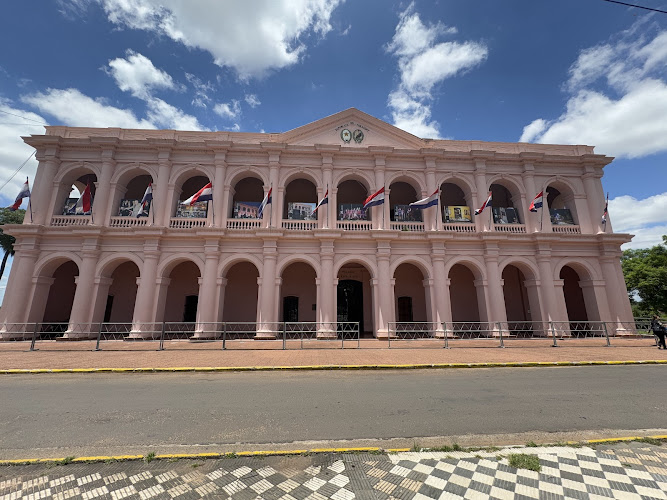
Cultural Center of the Republic

Museo Artigas Karai Guasú, Asunción
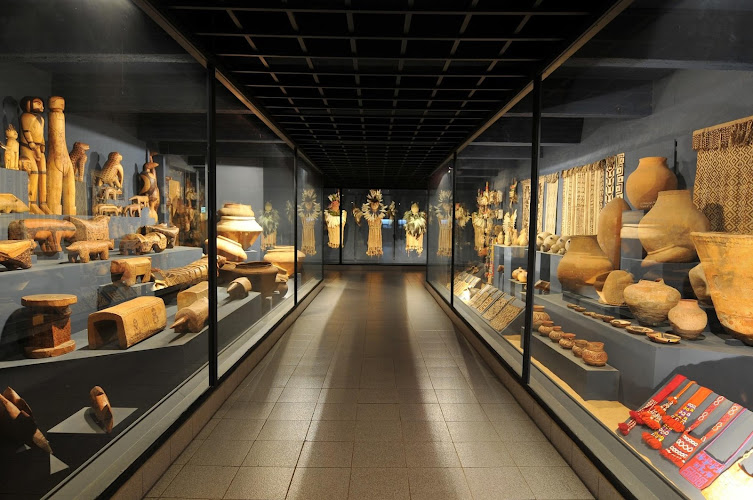
Museo del Barro
Find Accommodations Nearby
Recommended Tours & Activities
Visitor Reviews
There are no reviews yet. Be the first one to write one.
Share Your Experience
Have you visited Asunción? Help other travelers by leaving a review.