Asunción, Paraguay’s capital and largest urban center, stands on the eastern bank of the Paraguay River, facing the low-lying Chaco across the water. It is the country’s political, commercial and cultural hub, but it moves at a more informal pace than many South American capitals. Colonial-era fragments, early-20th-century civic buildings, modern business districts and broad subtropical greenery share the same metropolitan landscape.
This is a rewarding city for travelers who enjoy everyday urban culture, history, markets, food and conversation rather than a checklist of blockbuster sights. Spanish and Guaraní are both central to local life, and a little Spanish goes a long way. Asunción works especially well as a two- or three-night introduction to Paraguay, as a base for nearby colonial towns and lake country, or as a stop between Brazil, Argentina and the interior.
Quick Planning Snapshot
Planning pointWhat to expectBest seasonsMay to September is generally drier and cooler; spring and summer are hotter, more humid and prone to heavy rain.Typical trip lengthTwo to three nights for the city; add days for Areguá, San Bernardino or the southern missions route.Main transport hubSilvio Pettirossi International Airport in Luque, northeast of central Asunción.Local currencyParaguayan guaraní (PYG).Primary languageSpanish and Guaraní; Jopará, a mix of both, is widely heard.Walkability and transitWalkable in compact central areas by day; buses cover the city, while ride-hailing and taxis are often simpler for visitors.
Getting There and Getting Around
Silvio Pettirossi International Airport is the principal air gateway and lies in Luque, roughly 10 kilometers northeast of the historic center, though road times vary sharply with traffic. It has regional connections across South America and some international services; check current routes because schedules change. Guaraní International Airport near Ciudad del Este is useful only if your itinerary also includes eastern Paraguay or Brazil’s Foz do Iguaçu, several hours away by road.
Long-distance buses link Asunción with Encarnación, Ciudad del Este, the Chaco and neighboring countries. The main bus terminal is south of the center and is best reached by taxi or ride-hailing with luggage. Paraguay has no practical intercity passenger rail network for visitors; the handsome old railway station in the center is a historical sight, not a transport option. Road travelers use the PY01 corridor south toward Caapucú and Encarnación and the PY02 corridor east toward Coronel Oviedo and Ciudad del Este.
For short stays, combine walking with ride-hailing or licensed taxis. The Centro, riverfront and Plaza Uruguaya area are manageable on foot in daylight, but sidewalks can be uneven and distances between attractions are greater than they look. City buses are inexpensive and extensive but routes can be difficult to interpret without Spanish. Avoid relying on walking alone after dark, particularly on quiet central streets; arrange a car for dinner in Villa Morra or Carmelitas and for airport transfers.
Best Areas to Stay and Neighborhood Character
Centro is best for first-time visitors focused on civic landmarks, museums and the riverfront. Choose a well-reviewed property and use evening transport, as some blocks empty out after offices close.
Villa Morra suits travelers wanting a polished base near shopping, cafés, restaurants and a broad choice of midrange and upscale accommodation. It is practical rather than historic.
Carmelitas is a dining and nightlife district north of Villa Morra, with contemporary hotels and easy access to restaurants. It is a strong choice for business travelers and couples.
Recoleta and Las Mercedes offer quieter residential streets, embassies, galleries and a more local rhythm. They suit longer stays and travelers willing to take short rides to major sights.
Sajonia, south of the historic core, is closer to the football stadium and riverside edge but has fewer visitor-oriented services; it is better for a specific match or local connection than a default base.
Top Things to Do, Local Culture and Day Trips
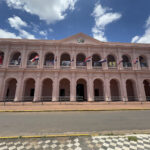
Begin around Plaza de los Héroes, where the National Pantheon of the Heroes is a focal point and the Metropolitan Cathedral is nearby. Continue toward the river to view the neoclassical Palacio de los López from outside; it remains the presidential workplace, so access is limited. The Casa de la Independencia preserves rooms associated with the 1811 independence movement and gives essential context to the nation’s founding. Museo del Barro, in the greater Asunción area, is a standout for Indigenous, popular and contemporary Paraguayan art.
For the city’s daily pulse, visit Mercado 4 in the daytime. It is a working market rather than a polished attraction: expect produce, herbs, clothing, household goods, food stalls and narrow, crowded passages. Keep valuables close and go with a purpose. The Costanera de Asunción offers open river views, exercise space and a useful perspective on the Paraguay River; late afternoon is more comfortable in warm months. Parque de la Salud in nearby Luque and Parque Carlos Antonio López are good options for greenery, though neither replaces careful heat planning.
Asunción’s culture is heard as much as seen: listen for Guaraní in shops and families, and seek out harp music, guitar and polka paraguaya performances through current local listings. Tereré, cold yerba mate infused with herbs, is a social ritual and a practical answer to the heat. Around June, the San Juan festivities bring traditional games and foods; weather and event details should be confirmed locally.
For an easy excursion, travel east to Areguá, a lakeside town known for ceramics, colonial-era streets and views toward Lake Ypacaraí. Nearby San Bernardino is a resort town whose lakeside activity is strongest in the Paraguayan summer. Travelers with more time can head south toward the Jesuit Missions of La Santísima Trinidad de Paraná and Jesús de Tavarangue near Encarnación; these UNESCO-listed ruins merit an overnight rather than a rushed day trip from the capital.
Practical Planning Tips, Food and a Two-Day Flow
Carry some guaraní for markets, buses and small purchases, while cards are more common in hotels and established restaurants. Ask before taking close photographs in Mercado 4 or of people. Restaurant service is usually relaxed; a modest tip for good table service is appreciated but not automatic. Drink bottled or reliably filtered water, use sunscreen and schedule outdoor walks early or late in the day. Heavy rain can quickly disrupt streets and traffic between October and April.
Look for sopa paraguaya, a dense corn-and-cheese bread despite its name; chipa, a chewy cheese bread; mbejú, a cassava starch and cheese cake; bife koygua, beef in a rich sauce; and mandioca, the cassava side served with many meals. Tereré is commonly shared from a guampa and metal straw; accept only if comfortable sharing, or order your own. Basic Spanish is useful, and patience matters when service or transport runs on local time.
Day 1: Explore Plaza de los Héroes, the cathedral, Casa de la Independencia and the Palacio de los López area in the morning; eat Paraguayan classics for lunch; visit Museo del Barro, then walk the Costanera near sunset.
Day 2: Visit Mercado 4 early, return to your hotel to drop purchases, then spend the afternoon in Villa Morra, Recoleta or Carmelitas for cafés, galleries and dinner. Substitute Areguá if you prefer a slower half- or full-day outing.
 Real Journey Travels