
Asmara
About Asmara
Description
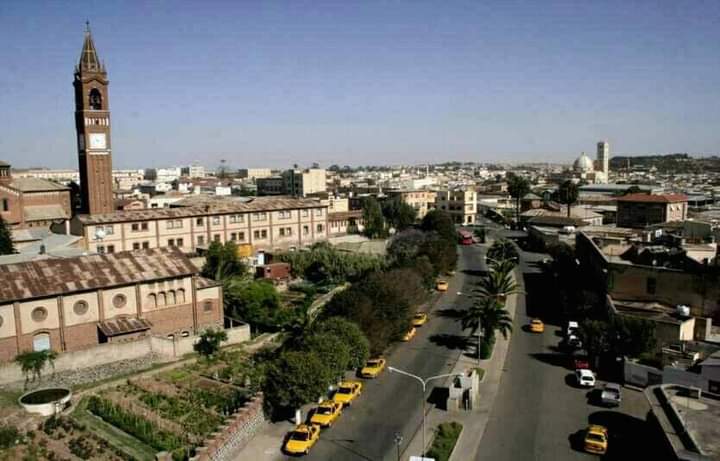
Asmara, the capital of Eritrea, is one of those cities that quietly surprises you. It doesn’t shout about its charm—it sort of whispers it through its pastel-colored buildings, tree-lined boulevards, and the faint hum of old Italian espresso machines. Walking through its streets feels like stepping into a time capsule, one that blends African warmth with European flair. The city’s architecture, a mix of art deco, modernist, and colonial-era designs, tells stories of ambition, resilience, and creativity.
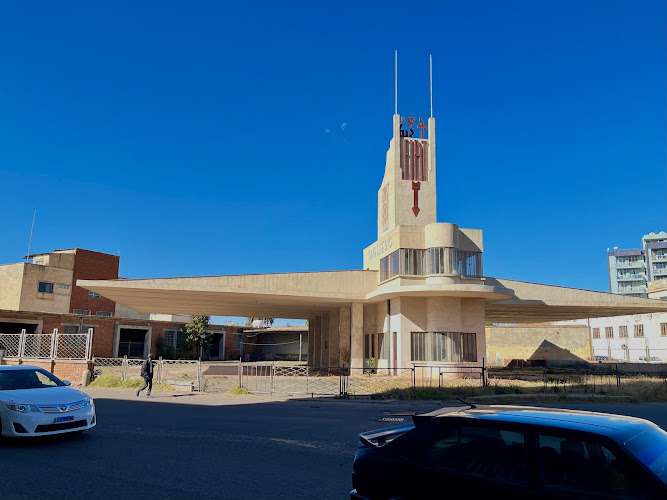
Now, I’ll be honest—when I first visited Asmara, I wasn’t expecting to feel so transported. But there’s something about the way the sunlight hits the old Fiat Tagliero Building—this wild, airplane-shaped service station straight out of a 1930s sci-fi dream—that makes you stop and stare. It’s not just a building; it’s a statement. And that’s kind of what Asmara is all about. Every corner has a story. The Catholic Cathedral, with its tall bell tower and red brick façade, stands as a reminder of a bygone era, while the Opera House nearby mixes Italian elegance with African soul.
What really gets me, though, is how calm the city feels. There’s no rush here. You can sit at a café, sip macchiato (which, by the way, Eritreans do better than most Italians I’ve met), and just watch life go by. Locals greet you with a warm smile, and even though the pace is slow, there’s this quiet energy—like the city knows exactly who it is and doesn’t need to prove a thing. For travelers seeking authenticity, Asmara offers a rare glimpse into a world where history and modern life coexist effortlessly.
Key Features
- Architectural Heritage: Home to over 400 modernist and art deco buildings, Asmara is a UNESCO World Heritage Site celebrated for its unique urban design.
- The Fiat Tagliero Building: A futuristic landmark shaped like an airplane, symbolizing the city’s bold architectural spirit.
- Cultural Blend: Italian influence meets Eritrean tradition—visible in the food, language, and lifestyle.
- Historic Landmarks: The Catholic Cathedral, Opera House, and former Governor’s Palace showcase the city’s layered past.
- Café Culture: Coffee isn’t just a drink here—it’s a ritual. The aroma of freshly roasted beans fills the air at every corner café.
- Friendly Locals: Eritreans are known for their warmth and hospitality, making visitors feel like part of the community.
- Walkable Streets: Compact and safe, Asmara is best explored on foot, allowing travelers to soak in its charm at their own pace.
Best Time to Visit
Asmara sits high on a plateau—about 2,300 meters above sea level—so the weather is surprisingly mild year-round. If you’re not a fan of scorching heat, you’re in luck. The best time to visit is between October and March when the skies are clear, and the air feels crisp but comfortable. During these months, you can enjoy long walks without breaking a sweat and still catch the golden sunsets that paint the city in warm hues.
I once went in December, and honestly, it was perfect. The mornings were cool enough for a light jacket, but by midday, you could sit outside with a coffee and feel the sun on your face. The rainy season (June to September) can make travel a bit trickier, especially if you’re planning day trips outside the city, but the countryside turns lush and green—so it’s not a total loss if that’s when you go.
How to Get There
Getting to Asmara requires a bit of planning, but that’s part of the adventure. The main entry point is Asmara International Airport (ASM), which connects to several major cities in Africa and the Middle East. Flights from Addis Ababa, Cairo, and Dubai are the most common routes. From the airport, the city center is just a short drive—around 15 minutes depending on traffic, though “traffic” in Asmara is pretty mild compared to most capitals I’ve visited.
If you’re traveling from within Eritrea, buses and shared taxis connect Asmara with other towns like Massawa and Keren. The roads are scenic but winding, so take your time and enjoy the view. I remember taking the route from Massawa once—it’s a breathtaking drive, climbing from the Red Sea coast up into the highlands. You’ll want your camera ready for that one.
Tips for Visiting
Traveling to Asmara isn’t complicated, but a few insider tips can make your trip smoother and more memorable:
- Currency: The local currency is the Nakfa. Cash is king here, and ATMs can be unreliable, so bring enough to cover your stay.
- Permits: Some areas outside Asmara require travel permits. Check with local authorities or your hotel before planning excursions.
- Photography: Always ask before taking photos of people or government buildings. Locals are usually friendly about it, but it’s respectful to ask first.
- Language: Tigrinya is widely spoken, but Italian and English are also understood by many residents, especially in the city.
- Food: Try the injera with tsebhi (stew) and don’t skip the coffee ceremony—it’s an experience in itself. I still remember sitting in a small café near Harnet Avenue, watching the beans roast over charcoal—it was pure magic.
- Transportation: Walking is the best way to explore, but taxis are inexpensive and easy to find. Just agree on the fare beforehand.
- Safety: Asmara is one of the safest cities in Africa. You can walk around even after dark, though, as always, stay aware of your surroundings.
- Connectivity: Internet access can be slow, so embrace the digital detox. It’s part of the charm—more time to connect with people face-to-face.
One more thing—don’t rush your time here. Asmara rewards those who linger. Sit at a café on Harnet Avenue, watch the world go by, and you’ll start to notice the subtle rhythm of the city. The clink of coffee cups, the chatter of friends, the laughter of school kids—it all blends into this peaceful, timeless soundtrack.
If you’re someone who loves architecture, history, or simply places that feel untouched by the chaos of modern life, Asmara will leave a mark on you. It’s not flashy or loud, but it’s unforgettable. And maybe that’s what makes it so special. You come here expecting a city, but you leave with a story.
Key Features
- Key Features
- Best Time to Visit
- How to Get There
- Tips for Visiting
More Details
Updated October 9, 2025
Table of Contents
Description
Asmara, the capital of Eritrea, is one of those cities that quietly surprises you. It doesn’t shout about its charm—it sort of whispers it through its pastel-colored buildings, tree-lined boulevards, and the faint hum of old Italian espresso machines. Walking through its streets feels like stepping into a time capsule, one that blends African warmth with European flair. The city’s architecture, a mix of art deco, modernist, and colonial-era designs, tells stories of ambition, resilience, and creativity.
Now, I’ll be honest—when I first visited Asmara, I wasn’t expecting to feel so transported. But there’s something about the way the sunlight hits the old Fiat Tagliero Building—this wild, airplane-shaped service station straight out of a 1930s sci-fi dream—that makes you stop and stare. It’s not just a building; it’s a statement. And that’s kind of what Asmara is all about. Every corner has a story. The Catholic Cathedral, with its tall bell tower and red brick façade, stands as a reminder of a bygone era, while the Opera House nearby mixes Italian elegance with African soul.
What really gets me, though, is how calm the city feels. There’s no rush here. You can sit at a café, sip macchiato (which, by the way, Eritreans do better than most Italians I’ve met), and just watch life go by. Locals greet you with a warm smile, and even though the pace is slow, there’s this quiet energy—like the city knows exactly who it is and doesn’t need to prove a thing. For travelers seeking authenticity, Asmara offers a rare glimpse into a world where history and modern life coexist effortlessly.
Key Features
- Architectural Heritage: Home to over 400 modernist and art deco buildings, Asmara is a UNESCO World Heritage Site celebrated for its unique urban design.
- The Fiat Tagliero Building: A futuristic landmark shaped like an airplane, symbolizing the city’s bold architectural spirit.
- Cultural Blend: Italian influence meets Eritrean tradition—visible in the food, language, and lifestyle.
- Historic Landmarks: The Catholic Cathedral, Opera House, and former Governor’s Palace showcase the city’s layered past.
- Café Culture: Coffee isn’t just a drink here—it’s a ritual. The aroma of freshly roasted beans fills the air at every corner café.
- Friendly Locals: Eritreans are known for their warmth and hospitality, making visitors feel like part of the community.
- Walkable Streets: Compact and safe, Asmara is best explored on foot, allowing travelers to soak in its charm at their own pace.
Best Time to Visit
Asmara sits high on a plateau—about 2,300 meters above sea level—so the weather is surprisingly mild year-round. If you’re not a fan of scorching heat, you’re in luck. The best time to visit is between October and March when the skies are clear, and the air feels crisp but comfortable. During these months, you can enjoy long walks without breaking a sweat and still catch the golden sunsets that paint the city in warm hues.
I once went in December, and honestly, it was perfect. The mornings were cool enough for a light jacket, but by midday, you could sit outside with a coffee and feel the sun on your face. The rainy season (June to September) can make travel a bit trickier, especially if you’re planning day trips outside the city, but the countryside turns lush and green—so it’s not a total loss if that’s when you go.
How to Get There
Getting to Asmara requires a bit of planning, but that’s part of the adventure. The main entry point is Asmara International Airport (ASM), which connects to several major cities in Africa and the Middle East. Flights from Addis Ababa, Cairo, and Dubai are the most common routes. From the airport, the city center is just a short drive—around 15 minutes depending on traffic, though “traffic” in Asmara is pretty mild compared to most capitals I’ve visited.
If you’re traveling from within Eritrea, buses and shared taxis connect Asmara with other towns like Massawa and Keren. The roads are scenic but winding, so take your time and enjoy the view. I remember taking the route from Massawa once—it’s a breathtaking drive, climbing from the Red Sea coast up into the highlands. You’ll want your camera ready for that one.
Tips for Visiting
Traveling to Asmara isn’t complicated, but a few insider tips can make your trip smoother and more memorable:
- Currency: The local currency is the Nakfa. Cash is king here, and ATMs can be unreliable, so bring enough to cover your stay.
- Permits: Some areas outside Asmara require travel permits. Check with local authorities or your hotel before planning excursions.
- Photography: Always ask before taking photos of people or government buildings. Locals are usually friendly about it, but it’s respectful to ask first.
- Language: Tigrinya is widely spoken, but Italian and English are also understood by many residents, especially in the city.
- Food: Try the injera with tsebhi (stew) and don’t skip the coffee ceremony—it’s an experience in itself. I still remember sitting in a small café near Harnet Avenue, watching the beans roast over charcoal—it was pure magic.
- Transportation: Walking is the best way to explore, but taxis are inexpensive and easy to find. Just agree on the fare beforehand.
- Safety: Asmara is one of the safest cities in Africa. You can walk around even after dark, though, as always, stay aware of your surroundings.
- Connectivity: Internet access can be slow, so embrace the digital detox. It’s part of the charm—more time to connect with people face-to-face.
One more thing—don’t rush your time here. Asmara rewards those who linger. Sit at a café on Harnet Avenue, watch the world go by, and you’ll start to notice the subtle rhythm of the city. The clink of coffee cups, the chatter of friends, the laughter of school kids—it all blends into this peaceful, timeless soundtrack.
If you’re someone who loves architecture, history, or simply places that feel untouched by the chaos of modern life, Asmara will leave a mark on you. It’s not flashy or loud, but it’s unforgettable. And maybe that’s what makes it so special. You come here expecting a city, but you leave with a story.
Key Highlights
- Key Features
- Best Time to Visit
- How to Get There
- Tips for Visiting
Location
Places to Stay Near Asmara
Find and Book a Tour
Explore More Travel Guides
No reviews found! Be the first to review!
Traveler Reviews for Asmara
There are no reviews yet. Be the first one to write one.
Have you visited Asmara? Help other travelers by sharing your review.
You Might Also Like

Adulis Travel

Pasticceria Moderna
Fiat Tagliero ፡ፍያት ታሌሮ
Find Accommodations Nearby
Recommended Tours & Activities
Visitor Reviews
There are no reviews yet. Be the first one to write one.
Share Your Experience
Have you visited Asmara? Help other travelers by leaving a review.