
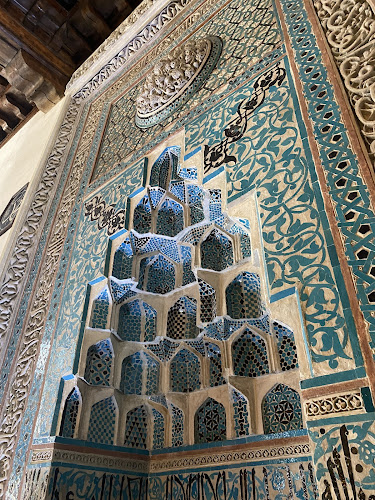
Aslanhane Mosque
About Aslanhane Mosque
Description
Aslanhane Mosque, also known as Ahi Şerafeddin Mosque, stands as one of Ankara’s oldest and most captivating religious landmarks. Built in 1290 during the reign of Mesud II of the Seljuks of Rum, this mosque reflects the deep-rooted craftsmanship and spiritual devotion of medieval Anatolia. It’s one of those places that you walk into and feel time slow down a little — the scent of aged wood, the soft light filtering through tiny windows, and that unmistakable sense of history lingering in the air.
The mosque was commissioned by two Ahi leaders, Hüsamettin and Hasaneddin, and designed by architect Ebubekir Mehmet. It’s a beautiful example of early Anatolian wooden-column mosques, with a structure that almost feels alive thanks to its natural materials and centuries-old timber beams. The locals often say that the mosque “breathes,” and honestly, after spending a few quiet minutes inside, you might find yourself agreeing.
What makes Aslanhane Mosque truly special is how it blends simplicity with grandeur. There’s no flashy ornamentation or excessive decoration — instead, you’ll find balance, proportion, and a deep respect for natural materials. The walls are built with ancient stones, some even repurposed from Roman ruins, while the wooden columns — each uniquely carved — support a vast, flat roof that seems to float effortlessly above the prayer hall.
Over the years, the mosque has undergone careful restorations, yet it still retains its original soul. Locals come here not just to pray, but to pause, reflect, and reconnect. Travelers often describe the experience as unexpectedly moving — even if you’re not particularly religious, there’s something undeniably calming about standing beneath those wooden beams that have weathered more than seven centuries of history.
Key Features
- Architectural Heritage: Built in 1290, showcasing classic Seljuk-era design with wooden columns and stone masonry.
- Wooden Interior: The interior features over 24 wooden columns, each carved from juniper and cedar, creating a warm, aromatic atmosphere.
- Historic Materials: Stones from ancient Roman structures were reused in its construction, giving the walls a unique patchwork texture.
- Spiritual Ambience: The mosque remains a functioning place of worship, offering visitors a glimpse into centuries-old Anatolian Islamic traditions.
- Panoramic Setting: Located near Ankara’s old citadel, offering views of the city’s historic core and cobblestone lanes.
- Accessibility: Visitors can explore the mosque freely outside of prayer times, and restrooms are available on-site.
If you’re into architecture, this place is like a living museum. But even if you’re not, the craftsmanship will still catch your eye. The geometric carvings, the subtle scent of the old wood, the way the light shifts across the floor — it’s all quietly mesmerizing. I remember visiting on a slightly chilly morning, and the warmth of the wooden interior felt like a gentle embrace. Sometimes, history doesn’t shout; it whispers — and Aslanhane does exactly that.
Best Time to Visit
The best time to visit Aslanhane Mosque is during spring (April to June) or autumn (September to November). The weather in Ankara during these months is pleasantly mild, making it easier to explore the surrounding old town and citadel without breaking a sweat. Early mornings are ideal if you want to experience the mosque in peaceful solitude, while late afternoons bathe the stone walls in golden light — perfect for photography lovers.
Avoid visiting during Friday prayer times if you’re not attending the service, as the mosque fills quickly with worshippers. Also, Ankara winters can be quite cold, and while the mosque is open year-round, the chill tends to creep through those ancient stones. If you do come in winter, bring a warm jacket — trust me, you’ll thank yourself later.
How to Get There
Aslanhane Mosque is located in Ankara’s historic Kale district, close to the old citadel area. The easiest way to reach it is by taxi or rideshare from central Ankara, which takes about 10–15 minutes depending on traffic. For those who prefer public transport, several buses run toward the Ulus or Samanpazarı areas, from where it’s just a short walk uphill to the mosque.
If you enjoy walking, the route through the old streets is worth the effort. The cobblestone lanes, small antique shops, and traditional houses along the way give you a real sense of the city’s layered history. I once took that walk on a sunny afternoon and ended up chatting with a local shopkeeper who insisted I try his homemade Turkish delight — one of those spontaneous travel moments that sticks with you.
Parking is limited near the mosque, so if you’re driving, it’s better to park a bit farther down and explore on foot. The area around the citadel is compact, so you can easily combine your visit to Aslanhane with nearby attractions like the Museum of Anatolian Civilizations or the Rahmi Koç Museum.
Tips for Visiting
Visiting Aslanhane Mosque isn’t just about seeing a historical building — it’s about stepping into a living piece of Turkish culture. A few tips can make your visit smoother and more meaningful:
- Dress Modestly: As it’s an active mosque, both men and women should wear modest clothing. Women are expected to cover their hair — scarves are often available at the entrance, but it’s polite to bring your own.
- Remove Shoes: Shoes must be taken off before entering the prayer hall. Carry a small bag if you prefer to keep them with you.
- Respect Prayer Times: Non-Muslim visitors are welcome outside of prayer hours. It’s best to check the local schedule before you go.
- Photography: Photography is generally allowed, but always be discreet and avoid taking pictures of people in prayer.
- Quiet Reflection: The mosque has an almost meditative silence — take a few moments to just sit and absorb the atmosphere. It’s surprisingly grounding.
- Combine with Nearby Sights: The mosque’s location makes it perfect for a half-day exploration of Ankara’s old quarter. Bring comfortable shoes; the streets are steep and uneven in places.
One thing I’d say from personal experience — don’t rush your visit. It’s tempting to snap a few photos and move on, but this is a place that rewards stillness. Sit for a while, let your eyes wander across the wooden beams, notice the tiny imperfections in the carvings, the faint creak of the floorboards. You start to realize that the beauty of Aslanhane Mosque isn’t in grand gestures but in its quiet endurance.
And when you step back outside, blinking into the Ankara sunlight, you’ll probably feel that gentle tug to look back one more time. That’s the kind of place Aslanhane is — humble yet unforgettable. It’s not just another stop on your itinerary; it’s a reminder of how much history, faith, and artistry can exist within four simple walls of wood and stone.
Key Features
- Key Features
- Best Time to Visit
- How to Get There
- Tips for Visiting
More Details
Updated October 8, 2025
Table of Contents
Description
Aslanhane Mosque, also known as Ahi Şerafeddin Mosque, stands as one of Ankara’s oldest and most captivating religious landmarks. Built in 1290 during the reign of Mesud II of the Seljuks of Rum, this mosque reflects the deep-rooted craftsmanship and spiritual devotion of medieval Anatolia. It’s one of those places that you walk into and feel time slow down a little — the scent of aged wood, the soft light filtering through tiny windows, and that unmistakable sense of history lingering in the air.
The mosque was commissioned by two Ahi leaders, Hüsamettin and Hasaneddin, and designed by architect Ebubekir Mehmet. It’s a beautiful example of early Anatolian wooden-column mosques, with a structure that almost feels alive thanks to its natural materials and centuries-old timber beams. The locals often say that the mosque “breathes,” and honestly, after spending a few quiet minutes inside, you might find yourself agreeing.
What makes Aslanhane Mosque truly special is how it blends simplicity with grandeur. There’s no flashy ornamentation or excessive decoration — instead, you’ll find balance, proportion, and a deep respect for natural materials. The walls are built with ancient stones, some even repurposed from Roman ruins, while the wooden columns — each uniquely carved — support a vast, flat roof that seems to float effortlessly above the prayer hall.
Over the years, the mosque has undergone careful restorations, yet it still retains its original soul. Locals come here not just to pray, but to pause, reflect, and reconnect. Travelers often describe the experience as unexpectedly moving — even if you’re not particularly religious, there’s something undeniably calming about standing beneath those wooden beams that have weathered more than seven centuries of history.
Key Features
- Architectural Heritage: Built in 1290, showcasing classic Seljuk-era design with wooden columns and stone masonry.
- Wooden Interior: The interior features over 24 wooden columns, each carved from juniper and cedar, creating a warm, aromatic atmosphere.
- Historic Materials: Stones from ancient Roman structures were reused in its construction, giving the walls a unique patchwork texture.
- Spiritual Ambience: The mosque remains a functioning place of worship, offering visitors a glimpse into centuries-old Anatolian Islamic traditions.
- Panoramic Setting: Located near Ankara’s old citadel, offering views of the city’s historic core and cobblestone lanes.
- Accessibility: Visitors can explore the mosque freely outside of prayer times, and restrooms are available on-site.
If you’re into architecture, this place is like a living museum. But even if you’re not, the craftsmanship will still catch your eye. The geometric carvings, the subtle scent of the old wood, the way the light shifts across the floor — it’s all quietly mesmerizing. I remember visiting on a slightly chilly morning, and the warmth of the wooden interior felt like a gentle embrace. Sometimes, history doesn’t shout; it whispers — and Aslanhane does exactly that.
Best Time to Visit
The best time to visit Aslanhane Mosque is during spring (April to June) or autumn (September to November). The weather in Ankara during these months is pleasantly mild, making it easier to explore the surrounding old town and citadel without breaking a sweat. Early mornings are ideal if you want to experience the mosque in peaceful solitude, while late afternoons bathe the stone walls in golden light — perfect for photography lovers.
Avoid visiting during Friday prayer times if you’re not attending the service, as the mosque fills quickly with worshippers. Also, Ankara winters can be quite cold, and while the mosque is open year-round, the chill tends to creep through those ancient stones. If you do come in winter, bring a warm jacket — trust me, you’ll thank yourself later.
How to Get There
Aslanhane Mosque is located in Ankara’s historic Kale district, close to the old citadel area. The easiest way to reach it is by taxi or rideshare from central Ankara, which takes about 10–15 minutes depending on traffic. For those who prefer public transport, several buses run toward the Ulus or Samanpazarı areas, from where it’s just a short walk uphill to the mosque.
If you enjoy walking, the route through the old streets is worth the effort. The cobblestone lanes, small antique shops, and traditional houses along the way give you a real sense of the city’s layered history. I once took that walk on a sunny afternoon and ended up chatting with a local shopkeeper who insisted I try his homemade Turkish delight — one of those spontaneous travel moments that sticks with you.
Parking is limited near the mosque, so if you’re driving, it’s better to park a bit farther down and explore on foot. The area around the citadel is compact, so you can easily combine your visit to Aslanhane with nearby attractions like the Museum of Anatolian Civilizations or the Rahmi Koç Museum.
Tips for Visiting
Visiting Aslanhane Mosque isn’t just about seeing a historical building — it’s about stepping into a living piece of Turkish culture. A few tips can make your visit smoother and more meaningful:
- Dress Modestly: As it’s an active mosque, both men and women should wear modest clothing. Women are expected to cover their hair — scarves are often available at the entrance, but it’s polite to bring your own.
- Remove Shoes: Shoes must be taken off before entering the prayer hall. Carry a small bag if you prefer to keep them with you.
- Respect Prayer Times: Non-Muslim visitors are welcome outside of prayer hours. It’s best to check the local schedule before you go.
- Photography: Photography is generally allowed, but always be discreet and avoid taking pictures of people in prayer.
- Quiet Reflection: The mosque has an almost meditative silence — take a few moments to just sit and absorb the atmosphere. It’s surprisingly grounding.
- Combine with Nearby Sights: The mosque’s location makes it perfect for a half-day exploration of Ankara’s old quarter. Bring comfortable shoes; the streets are steep and uneven in places.
One thing I’d say from personal experience — don’t rush your visit. It’s tempting to snap a few photos and move on, but this is a place that rewards stillness. Sit for a while, let your eyes wander across the wooden beams, notice the tiny imperfections in the carvings, the faint creak of the floorboards. You start to realize that the beauty of Aslanhane Mosque isn’t in grand gestures but in its quiet endurance.
And when you step back outside, blinking into the Ankara sunlight, you’ll probably feel that gentle tug to look back one more time. That’s the kind of place Aslanhane is — humble yet unforgettable. It’s not just another stop on your itinerary; it’s a reminder of how much history, faith, and artistry can exist within four simple walls of wood and stone.
Key Highlights
- Key Features
- Best Time to Visit
- How to Get There
- Tips for Visiting
Location
Places to Stay Near Aslanhane Mosque
Find and Book a Tour
Explore More Travel Guides
No reviews found! Be the first to review!
Traveler Reviews for Aslanhane Mosque
There are no reviews yet. Be the first one to write one.
Have you visited Aslanhane Mosque? Help other travelers by sharing your review.
You Might Also Like

Hidden plaj
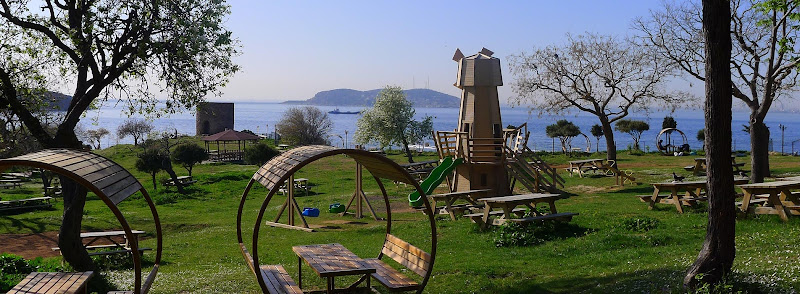
Degirmen Burnu Nature Park
Yürüyüş Parkı
Find Accommodations Nearby
Recommended Tours & Activities
Visitor Reviews
There are no reviews yet. Be the first one to write one.
Share Your Experience
Have you visited Aslanhane Mosque? Help other travelers by leaving a review.