
Asahikawa City Museum
About Asahikawa City Museum
Description
Asahikawa City Museum is one of those places that quietly surprises you. It’s not the kind of museum that screams for attention with flashy exhibits or high-tech gimmicks, but rather one that pulls you in with its depth, warmth, and authenticity. Located in the heart of Hokkaido’s second-largest city, this museum tells the story of northern Hokkaido—from the prehistoric era to modern life—with a special focus on the Ainu people, the indigenous inhabitants of the region. The storytelling here feels personal, almost intimate, like flipping through the pages of a family album that happens to belong to an entire culture.
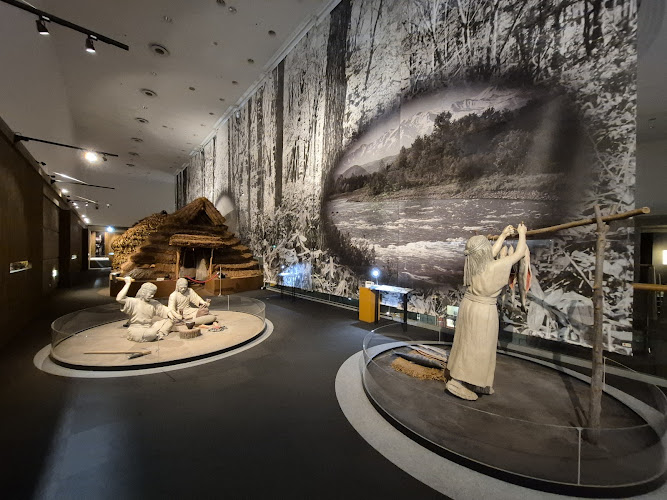
Walking through the museum, you’ll notice it’s not overly large, but it’s packed with fascinating details. The first floor showcases artifacts and displays about the Ainu culture—traditional clothing, tools, and crafts that reflect a deep connection to nature. I remember standing in front of a beautifully woven Ainu robe, the patterns so intricate that you can almost feel the rhythm of the hands that made it. Downstairs, the exhibits shift focus to the natural world—wildlife, geography, and the harsh winters that shape life in northern Hokkaido. It’s a refreshing mix of anthropology and ecology that keeps you engaged from start to finish.
What I personally love about this museum is its honesty. It doesn’t try to romanticize history or gloss over the difficult parts. Instead, it presents the story of Asahikawa and its people with quiet dignity. The displays may not have English translations everywhere (something to keep in mind), but even without words, the artifacts speak volumes. You can sense the pride and resilience of the people who’ve lived here for thousands of years. And if you’re a curious traveler who enjoys learning about local cultures beyond the surface level, this place is absolutely worth your time.
The museum itself is housed inside the Taisetsu Crystal Hall complex, which gives it a modern yet understated look. It’s accessible, comfortable, and thoughtfully designed—wheelchair-friendly, with clean restrooms, Wi-Fi, and even a small restaurant nearby where you can grab a bite after exploring. Families will appreciate that it’s kid-friendly too, with enough interactive displays to keep younger visitors interested. Overall, it’s a well-rounded experience that blends education, history, and a touch of soul.
Key Features
- Deep Cultural Insight: Offers a rare and authentic look into the traditions, crafts, and daily life of the Ainu people.
- Natural History Exhibits: Showcases the wildlife and environment of northern Hokkaido, including displays on how people adapted to extreme cold.
- Modern Facilities: Fully accessible with wheelchair access, gender-neutral restrooms, and free on-site parking.
- Family-Friendly: Interactive exhibits and visual displays make it engaging for both adults and children.
- Peaceful Atmosphere: A calm, reflective space that encourages slow exploration rather than rushing through exhibits.
- Convenient Location: Situated within a cultural complex that also hosts events and performances, making it easy to combine with other activities.
- Local Connection: Highlights the development of Asahikawa—from its early days as a military base to its growth into a modern city.
Best Time to Visit
Honestly, any time of year works, but the experience changes with the seasons. In winter, visiting after a stroll through Asahikawa’s snow-covered streets feels magical. There’s something poetic about learning how people survived the cold while the world outside is blanketed in white. Spring and summer, on the other hand, make it easier to explore the nearby parks and rivers after your museum visit. If you’re planning a trip around the Asahikawa Winter Festival in February, this museum makes a perfect indoor stop to warm up and learn more about the region’s culture.
Weekdays tend to be quieter, which means you can take your time without crowds pressing around you. If you’re like me and enjoy lingering by exhibits, jotting down notes, or just absorbing the atmosphere, go on a weekday morning. The museum’s calm energy is best enjoyed when you can move at your own pace.
How to Get There
Getting to the Asahikawa City Museum is straightforward. From Asahikawa Station, it’s a short bus ride or taxi trip—about ten minutes, give or take. If you’re feeling energetic, you can even walk; it’s roughly a half-hour stroll through the city, which gives you a nice feel for local life. For those driving, there’s free on-site parking, which is a small but appreciated perk in Japan.
Public transportation in Asahikawa is reliable, and signs are generally easy to follow, though not always in English. My advice? Download a translation app before you go—it makes navigating so much smoother. And if you’re traveling with kids or older family members, the museum’s accessibility features make it a comfortable visit for everyone.
Tips for Visiting
Here’s where a bit of personal experience comes in handy. When I first visited, I didn’t expect to spend more than an hour there—but two hours later, I was still wandering around, reading every placard I could understand and sketching a few of the Ainu patterns in my notebook. So, give yourself more time than you think you’ll need. The exhibits may look modest at first glance, but they pull you in deeper the longer you stay.
Bring a translation app or guidebook. While some signs are in English, many are not. Having a translation tool handy helps you fully appreciate the details. Alternatively, if you’re visiting with a local friend, ask them to interpret some of the stories for you—it adds a whole new layer of meaning.
Take advantage of the peaceful atmosphere. This isn’t a crowded tourist hotspot, so you can really slow down and enjoy it. Sit on one of the benches, watch the short documentary clips, and listen to the soft background music that accompanies some exhibits. It’s surprisingly meditative.
Combine your visit with nearby attractions. The museum is part of a larger cultural complex, so you can easily check out a performance or art exhibit in the same building. Afterwards, grab a meal at one of the local restaurants nearby—some serve regional specialties like Asahikawa ramen, which is a must-try if you’re in town.
Don’t skip the basement exhibits. Many visitors focus on the Ainu displays upstairs and forget to explore the lower level, which features fascinating dioramas of wildlife and early human life in the Kamikawa Basin. It’s a bit darker and cooler down there, which adds to the atmosphere.
Photography is usually allowed, but always check for signs before snapping pictures. Some cultural artifacts are sensitive, and it’s best to respect any restrictions. I personally found that taking a few photos helped me remember details later, but sometimes it’s nice just to look and absorb without a lens between you and the moment.
Visit the gift shop. It’s small but thoughtfully curated, with local crafts and Ainu-inspired items that make meaningful souvenirs. I picked up a hand-carved wooden charm there that still hangs by my desk—it’s a small reminder of Hokkaido’s quiet strength and artistry.
Lastly, go in with an open mind. This isn’t a flashy, high-budget museum, but that’s part of its charm. It’s about stories, not spectacle. And if you take the time to listen, those stories stay with you long after you’ve left. Whether you’re a history buff, a culture lover, or simply curious about life in northern Japan, the Asahikawa City Museum offers a grounded, genuine experience that feels both educational and oddly comforting. It’s the kind of place that makes you pause, reflect, and maybe see the world a little differently on your way out.
Key Features
- Key Features
- Best Time to Visit
- How to Get There
- Tips for Visiting
More Details
Updated December 1, 2025
Table of Contents
Description
Asahikawa City Museum is one of those places that quietly surprises you. It’s not the kind of museum that screams for attention with flashy exhibits or high-tech gimmicks, but rather one that pulls you in with its depth, warmth, and authenticity. Located in the heart of Hokkaido’s second-largest city, this museum tells the story of northern Hokkaido—from the prehistoric era to modern life—with a special focus on the Ainu people, the indigenous inhabitants of the region. The storytelling here feels personal, almost intimate, like flipping through the pages of a family album that happens to belong to an entire culture.
Walking through the museum, you’ll notice it’s not overly large, but it’s packed with fascinating details. The first floor showcases artifacts and displays about the Ainu culture—traditional clothing, tools, and crafts that reflect a deep connection to nature. I remember standing in front of a beautifully woven Ainu robe, the patterns so intricate that you can almost feel the rhythm of the hands that made it. Downstairs, the exhibits shift focus to the natural world—wildlife, geography, and the harsh winters that shape life in northern Hokkaido. It’s a refreshing mix of anthropology and ecology that keeps you engaged from start to finish.
What I personally love about this museum is its honesty. It doesn’t try to romanticize history or gloss over the difficult parts. Instead, it presents the story of Asahikawa and its people with quiet dignity. The displays may not have English translations everywhere (something to keep in mind), but even without words, the artifacts speak volumes. You can sense the pride and resilience of the people who’ve lived here for thousands of years. And if you’re a curious traveler who enjoys learning about local cultures beyond the surface level, this place is absolutely worth your time.
The museum itself is housed inside the Taisetsu Crystal Hall complex, which gives it a modern yet understated look. It’s accessible, comfortable, and thoughtfully designed—wheelchair-friendly, with clean restrooms, Wi-Fi, and even a small restaurant nearby where you can grab a bite after exploring. Families will appreciate that it’s kid-friendly too, with enough interactive displays to keep younger visitors interested. Overall, it’s a well-rounded experience that blends education, history, and a touch of soul.
Key Features
- Deep Cultural Insight: Offers a rare and authentic look into the traditions, crafts, and daily life of the Ainu people.
- Natural History Exhibits: Showcases the wildlife and environment of northern Hokkaido, including displays on how people adapted to extreme cold.
- Modern Facilities: Fully accessible with wheelchair access, gender-neutral restrooms, and free on-site parking.
- Family-Friendly: Interactive exhibits and visual displays make it engaging for both adults and children.
- Peaceful Atmosphere: A calm, reflective space that encourages slow exploration rather than rushing through exhibits.
- Convenient Location: Situated within a cultural complex that also hosts events and performances, making it easy to combine with other activities.
- Local Connection: Highlights the development of Asahikawa—from its early days as a military base to its growth into a modern city.
Best Time to Visit
Honestly, any time of year works, but the experience changes with the seasons. In winter, visiting after a stroll through Asahikawa’s snow-covered streets feels magical. There’s something poetic about learning how people survived the cold while the world outside is blanketed in white. Spring and summer, on the other hand, make it easier to explore the nearby parks and rivers after your museum visit. If you’re planning a trip around the Asahikawa Winter Festival in February, this museum makes a perfect indoor stop to warm up and learn more about the region’s culture.
Weekdays tend to be quieter, which means you can take your time without crowds pressing around you. If you’re like me and enjoy lingering by exhibits, jotting down notes, or just absorbing the atmosphere, go on a weekday morning. The museum’s calm energy is best enjoyed when you can move at your own pace.
How to Get There
Getting to the Asahikawa City Museum is straightforward. From Asahikawa Station, it’s a short bus ride or taxi trip—about ten minutes, give or take. If you’re feeling energetic, you can even walk; it’s roughly a half-hour stroll through the city, which gives you a nice feel for local life. For those driving, there’s free on-site parking, which is a small but appreciated perk in Japan.
Public transportation in Asahikawa is reliable, and signs are generally easy to follow, though not always in English. My advice? Download a translation app before you go—it makes navigating so much smoother. And if you’re traveling with kids or older family members, the museum’s accessibility features make it a comfortable visit for everyone.
Tips for Visiting
Here’s where a bit of personal experience comes in handy. When I first visited, I didn’t expect to spend more than an hour there—but two hours later, I was still wandering around, reading every placard I could understand and sketching a few of the Ainu patterns in my notebook. So, give yourself more time than you think you’ll need. The exhibits may look modest at first glance, but they pull you in deeper the longer you stay.
Bring a translation app or guidebook. While some signs are in English, many are not. Having a translation tool handy helps you fully appreciate the details. Alternatively, if you’re visiting with a local friend, ask them to interpret some of the stories for you—it adds a whole new layer of meaning.
Take advantage of the peaceful atmosphere. This isn’t a crowded tourist hotspot, so you can really slow down and enjoy it. Sit on one of the benches, watch the short documentary clips, and listen to the soft background music that accompanies some exhibits. It’s surprisingly meditative.
Combine your visit with nearby attractions. The museum is part of a larger cultural complex, so you can easily check out a performance or art exhibit in the same building. Afterwards, grab a meal at one of the local restaurants nearby—some serve regional specialties like Asahikawa ramen, which is a must-try if you’re in town.
Don’t skip the basement exhibits. Many visitors focus on the Ainu displays upstairs and forget to explore the lower level, which features fascinating dioramas of wildlife and early human life in the Kamikawa Basin. It’s a bit darker and cooler down there, which adds to the atmosphere.
Photography is usually allowed, but always check for signs before snapping pictures. Some cultural artifacts are sensitive, and it’s best to respect any restrictions. I personally found that taking a few photos helped me remember details later, but sometimes it’s nice just to look and absorb without a lens between you and the moment.
Visit the gift shop. It’s small but thoughtfully curated, with local crafts and Ainu-inspired items that make meaningful souvenirs. I picked up a hand-carved wooden charm there that still hangs by my desk—it’s a small reminder of Hokkaido’s quiet strength and artistry.
Lastly, go in with an open mind. This isn’t a flashy, high-budget museum, but that’s part of its charm. It’s about stories, not spectacle. And if you take the time to listen, those stories stay with you long after you’ve left. Whether you’re a history buff, a culture lover, or simply curious about life in northern Japan, the Asahikawa City Museum offers a grounded, genuine experience that feels both educational and oddly comforting. It’s the kind of place that makes you pause, reflect, and maybe see the world a little differently on your way out.
Key Highlights
- Key Features
- Best Time to Visit
- How to Get There
- Tips for Visiting
Location
Places to Stay Near Asahikawa City Museum
Find and Book a Tour
Explore More Travel Guides
No reviews found! Be the first to review!
Traveler Reviews for Asahikawa City Museum
There are no reviews yet. Be the first one to write one.
Have you visited Asahikawa City Museum? Help other travelers by sharing your review.
You Might Also Like

Asahikawa Kitasaito Garden

Seal House

Ueno Farm (The Gnomes' Garden)
Find Accommodations Nearby
Recommended Tours & Activities
Visitor Reviews
There are no reviews yet. Be the first one to write one.
Share Your Experience
Have you visited Asahikawa City Museum? Help other travelers by leaving a review.