

Asahikawa City Foreign Tree Species Sample Forest
About Asahikawa City Foreign Tree Species Sample Forest
Description
Tucked away on the quiet outskirts of Asahikawa, the Asahikawa City Foreign Tree Species Sample Forest feels like stepping into another world—one that smells of pine, hums with the sound of birds, and whispers stories of the past through its tall, foreign trees. Established back in 1898 during the Meiji era, this forest was originally planted as an experiment to see if foreign tree species could thrive in Hokkaido’s chilly climate. Over a century later, it’s become a living museum of global forestry, home to around 6,000 trees representing more than 50 species from across Europe, North America, and Asia.
Walking through it, you can feel the difference. The air is cooler, the light softer. The trees—European red pines, Douglas firs, white pines—stand taller and straighter than the native ones nearby, giving the place an oddly European feel. Some locals even say it reminds them of forests in Scandinavia or Canada. Personally, I think there’s something almost cinematic about it. Maybe it’s because author Ayako Miura used this very forest as inspiration for her novel “Hyoten” (“Freezing Point”). You can almost imagine her wandering here decades ago, notebook in hand, soaking in the melancholy beauty of the place.
It’s not a flashy tourist spot, and that’s exactly what makes it special. You won’t find crowds or souvenir stalls—just winding trails, the crunch of leaves underfoot, and the occasional squirrel darting across your path. It’s the kind of place where you can take a deep breath and actually hear yourself think. Families come here for quiet walks, photographers for the light filtering through the canopy, and nature lovers for the sheer variety of trees. And yes, dogs are welcome too, which always earns extra points in my book.
The forest is well-kept but still feels wild enough to spark curiosity. There are restrooms available near the entrance, and the paths are mostly flat, making it accessible for kids and older visitors alike. Just don’t forget your mosquito repellent in summer—trust me, you’ll thank yourself later.
Key Features
- Historic Arboretum: Established in 1898 as one of Hokkaido’s earliest foreign tree cultivation sites, it offers a fascinating glimpse into Japan’s forestry history.
- Global Tree Collection: Home to over 6,000 trees from 52 species, including European red pine, Eastern white pine, and Douglas fir.
- Peaceful Atmosphere: A quiet, contemplative environment that feels worlds away from city life, ideal for nature walks and photography.
- Family & Pet Friendly: Gentle walking trails suitable for children and leashed dogs, with public restrooms nearby.
- Literary Connection: Served as the setting for Ayako Miura’s famous novel “Hyoten,” adding cultural depth to the visit.
- Educational Value: Offers insight into the adaptation of non-native tree species to Hokkaido’s climate, making it a living classroom for botany enthusiasts.
Best Time to Visit
Each season paints the Asahikawa City Foreign Tree Species Sample Forest in a completely different light. Spring brings a burst of green and the scent of new growth—perfect for those who love the freshness of early blooms. Summer, though lush and vibrant, can be a bit buggy (bring that repellent!). It’s also when the forest feels most alive, buzzing with insects and birds.
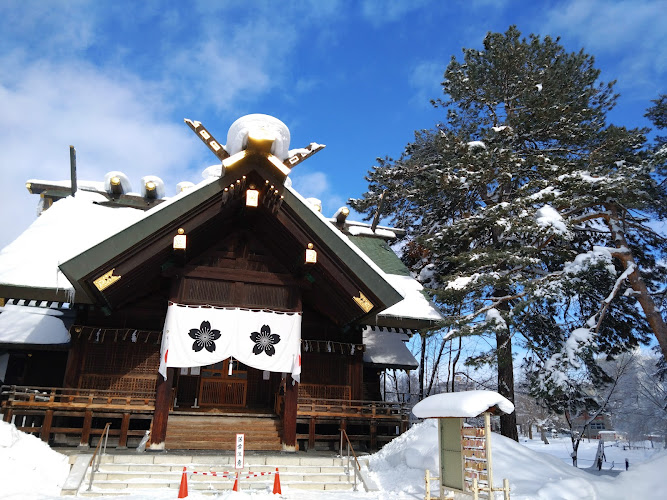
Autumn, though, is the real showstopper. The foreign species like larch and maple turn shades of gold and crimson, contrasting beautifully with the evergreens. If you visit around late September to early October, you’ll catch that magical in-between moment when the forest glows under the low Hokkaido sun. Winter transforms it again—quiet, still, and blanketed in snow. It’s almost surreal, especially if you’re lucky enough to go after a fresh snowfall. The trees stand tall and solemn, their branches heavy with white, and the only sound you’ll hear is the crunch of your boots in the snow.
If you ask me, late autumn is the sweet spot—it’s cool enough for long walks, the mosquitoes are gone, and the colors are just breathtaking. But really, there’s no bad time to go. Each season has its own personality, and the forest seems to wear them all gracefully.
How to Get There
Reaching the forest is pretty straightforward, and that’s part of its charm—it’s close enough to Asahikawa City to make for an easy half-day trip, yet far enough to feel like a proper escape. If you’re coming from central Asahikawa, it’s roughly a 15-minute drive. There’s parking available near the entrance, and the roads are well-marked, so you won’t have to worry about getting lost.
For those relying on public transport, buses from Asahikawa Station head toward the Kagura area, and from there, it’s a short walk to the forest entrance. Some visitors prefer renting a bicycle, especially in spring and autumn when the weather is mild—it’s a scenic ride along the Ishikari River, and you’ll pass through some lovely local neighborhoods on the way.
If you’re already exploring nearby attractions like the Miura Ayako Memorial Museum of Literature, the forest is just around the corner. In fact, many travelers pair the two for a relaxed, culture-meets-nature kind of day. And if you’re driving from Sapporo or Furano, it’s a nice stopover point to stretch your legs and breathe in some fresh forest air before continuing your journey.
Tips for Visiting
A few practical tips can make your visit a lot smoother—and more enjoyable. First off, wear comfortable shoes. The trails aren’t difficult, but they can get muddy after rain or snow. If you’re visiting in summer, bring insect repellent (seriously, the mosquitoes can be relentless). In winter, bundle up—it gets cold here, and the wind can cut right through you.
Bring a camera or even just your phone, because the light filtering through the trees is something special. Early morning or late afternoon is when it’s at its best—the golden hour glow turns the forest into what feels like an oil painting. If you’re into birdwatching, pack binoculars; you’ll spot woodpeckers, owls, and maybe even a fox if you’re lucky.
And here’s a personal tip: don’t rush it. The forest isn’t huge, but it rewards slow exploration. Take time to notice the bark textures, the way the leaves differ from one species to another, the scent of pine and damp earth. There’s a small clearing near the center where you can sit on a bench and just listen—it’s one of those rare places where silence actually feels alive.
Families will appreciate how easy it is to navigate with kids, and dog owners will love that pets are allowed. Just be respectful—keep dogs on a leash and clean up after them. There are restrooms near the entrance, but no food stalls or vending machines, so bring water and maybe a snack if you plan to linger.
If you’re traveling in autumn, go on a weekday morning. It’s quieter, and you’ll have the trails mostly to yourself. And if you’re the kind of traveler who loves discovering places that aren’t overrun with tourists, this forest is a gem. It’s not the kind of attraction that screams for attention—it whispers, and if you take the time to listen, it leaves an impression that sticks with you long after you’ve left.
In a world where so many destinations are designed for Instagram, the Asahikawa City Foreign Tree Species Sample Forest stands out for its authenticity. It’s simple, serene, and deeply rooted—literally and figuratively—in history. Whether you’re a nature lover, a literature buff, or just someone who craves a bit of quiet, this forest offers a small but meaningful escape. And honestly, sometimes that’s exactly what travel should be about.
Key Features
- Key Features
- Best Time to Visit
- How to Get There
- Tips for Visiting
More Details
Updated December 1, 2025
Table of Contents
- Description
- Key Features
- Best Time to Visit
- How to Get There
- Tips for Visiting
- Key Highlights
- Location
- Places to Stay Near Asahikawa City Foreign Tree Species Sample Forest
- Find and Book a Tour
- Explore More Travel Guides
- Nearby Places You Might Like
- Traveler Reviews for Asahikawa City Foreign Tree Species Sample Forest
- Share Your Experience
Description
Tucked away on the quiet outskirts of Asahikawa, the Asahikawa City Foreign Tree Species Sample Forest feels like stepping into another world—one that smells of pine, hums with the sound of birds, and whispers stories of the past through its tall, foreign trees. Established back in 1898 during the Meiji era, this forest was originally planted as an experiment to see if foreign tree species could thrive in Hokkaido’s chilly climate. Over a century later, it’s become a living museum of global forestry, home to around 6,000 trees representing more than 50 species from across Europe, North America, and Asia.
Walking through it, you can feel the difference. The air is cooler, the light softer. The trees—European red pines, Douglas firs, white pines—stand taller and straighter than the native ones nearby, giving the place an oddly European feel. Some locals even say it reminds them of forests in Scandinavia or Canada. Personally, I think there’s something almost cinematic about it. Maybe it’s because author Ayako Miura used this very forest as inspiration for her novel “Hyoten” (“Freezing Point”). You can almost imagine her wandering here decades ago, notebook in hand, soaking in the melancholy beauty of the place.
It’s not a flashy tourist spot, and that’s exactly what makes it special. You won’t find crowds or souvenir stalls—just winding trails, the crunch of leaves underfoot, and the occasional squirrel darting across your path. It’s the kind of place where you can take a deep breath and actually hear yourself think. Families come here for quiet walks, photographers for the light filtering through the canopy, and nature lovers for the sheer variety of trees. And yes, dogs are welcome too, which always earns extra points in my book.
The forest is well-kept but still feels wild enough to spark curiosity. There are restrooms available near the entrance, and the paths are mostly flat, making it accessible for kids and older visitors alike. Just don’t forget your mosquito repellent in summer—trust me, you’ll thank yourself later.
Key Features
- Historic Arboretum: Established in 1898 as one of Hokkaido’s earliest foreign tree cultivation sites, it offers a fascinating glimpse into Japan’s forestry history.
- Global Tree Collection: Home to over 6,000 trees from 52 species, including European red pine, Eastern white pine, and Douglas fir.
- Peaceful Atmosphere: A quiet, contemplative environment that feels worlds away from city life, ideal for nature walks and photography.
- Family & Pet Friendly: Gentle walking trails suitable for children and leashed dogs, with public restrooms nearby.
- Literary Connection: Served as the setting for Ayako Miura’s famous novel “Hyoten,” adding cultural depth to the visit.
- Educational Value: Offers insight into the adaptation of non-native tree species to Hokkaido’s climate, making it a living classroom for botany enthusiasts.
Best Time to Visit
Each season paints the Asahikawa City Foreign Tree Species Sample Forest in a completely different light. Spring brings a burst of green and the scent of new growth—perfect for those who love the freshness of early blooms. Summer, though lush and vibrant, can be a bit buggy (bring that repellent!). It’s also when the forest feels most alive, buzzing with insects and birds.
Autumn, though, is the real showstopper. The foreign species like larch and maple turn shades of gold and crimson, contrasting beautifully with the evergreens. If you visit around late September to early October, you’ll catch that magical in-between moment when the forest glows under the low Hokkaido sun. Winter transforms it again—quiet, still, and blanketed in snow. It’s almost surreal, especially if you’re lucky enough to go after a fresh snowfall. The trees stand tall and solemn, their branches heavy with white, and the only sound you’ll hear is the crunch of your boots in the snow.
If you ask me, late autumn is the sweet spot—it’s cool enough for long walks, the mosquitoes are gone, and the colors are just breathtaking. But really, there’s no bad time to go. Each season has its own personality, and the forest seems to wear them all gracefully.
How to Get There
Reaching the forest is pretty straightforward, and that’s part of its charm—it’s close enough to Asahikawa City to make for an easy half-day trip, yet far enough to feel like a proper escape. If you’re coming from central Asahikawa, it’s roughly a 15-minute drive. There’s parking available near the entrance, and the roads are well-marked, so you won’t have to worry about getting lost.
For those relying on public transport, buses from Asahikawa Station head toward the Kagura area, and from there, it’s a short walk to the forest entrance. Some visitors prefer renting a bicycle, especially in spring and autumn when the weather is mild—it’s a scenic ride along the Ishikari River, and you’ll pass through some lovely local neighborhoods on the way.
If you’re already exploring nearby attractions like the Miura Ayako Memorial Museum of Literature, the forest is just around the corner. In fact, many travelers pair the two for a relaxed, culture-meets-nature kind of day. And if you’re driving from Sapporo or Furano, it’s a nice stopover point to stretch your legs and breathe in some fresh forest air before continuing your journey.
Tips for Visiting
A few practical tips can make your visit a lot smoother—and more enjoyable. First off, wear comfortable shoes. The trails aren’t difficult, but they can get muddy after rain or snow. If you’re visiting in summer, bring insect repellent (seriously, the mosquitoes can be relentless). In winter, bundle up—it gets cold here, and the wind can cut right through you.
Bring a camera or even just your phone, because the light filtering through the trees is something special. Early morning or late afternoon is when it’s at its best—the golden hour glow turns the forest into what feels like an oil painting. If you’re into birdwatching, pack binoculars; you’ll spot woodpeckers, owls, and maybe even a fox if you’re lucky.
And here’s a personal tip: don’t rush it. The forest isn’t huge, but it rewards slow exploration. Take time to notice the bark textures, the way the leaves differ from one species to another, the scent of pine and damp earth. There’s a small clearing near the center where you can sit on a bench and just listen—it’s one of those rare places where silence actually feels alive.
Families will appreciate how easy it is to navigate with kids, and dog owners will love that pets are allowed. Just be respectful—keep dogs on a leash and clean up after them. There are restrooms near the entrance, but no food stalls or vending machines, so bring water and maybe a snack if you plan to linger.
If you’re traveling in autumn, go on a weekday morning. It’s quieter, and you’ll have the trails mostly to yourself. And if you’re the kind of traveler who loves discovering places that aren’t overrun with tourists, this forest is a gem. It’s not the kind of attraction that screams for attention—it whispers, and if you take the time to listen, it leaves an impression that sticks with you long after you’ve left.
In a world where so many destinations are designed for Instagram, the Asahikawa City Foreign Tree Species Sample Forest stands out for its authenticity. It’s simple, serene, and deeply rooted—literally and figuratively—in history. Whether you’re a nature lover, a literature buff, or just someone who craves a bit of quiet, this forest offers a small but meaningful escape. And honestly, sometimes that’s exactly what travel should be about.
Key Highlights
- Key Features
- Best Time to Visit
- How to Get There
- Tips for Visiting
Location
Places to Stay Near Asahikawa City Foreign Tree Species Sample Forest
Find and Book a Tour
Explore More Travel Guides
No reviews found! Be the first to review!
Traveler Reviews for Asahikawa City Foreign Tree Species Sample Forest
There are no reviews yet. Be the first one to write one.
Have you visited Asahikawa City Foreign Tree Species Sample Forest? Help other travelers by sharing your review.
You Might Also Like
Tokiwa Park

Asahiyama Park

Asahikawa Museum of Sculpture
Find Accommodations Nearby
Recommended Tours & Activities
Visitor Reviews
There are no reviews yet. Be the first one to write one.
Share Your Experience
Have you visited Asahikawa City Foreign Tree Species Sample Forest? Help other travelers by leaving a review.