

Arsenal Square
About Arsenal Square
Description
Arsenal Square represents a fascinating slice of American military history that most travelers tend to overlook when planning their itineraries. The site features the remnants of two former brick buildings that once served as critical storage facilities for weapons during pivotal moments in the nation's past. These structures stand as silent witnesses to the strategic importance of armament storage and military preparedness throughout different eras. Walking through Arsenal Square feels like stepping back in time, honestly. The brick architecture tells stories that history books sometimes gloss over - stories about the men and women who worked here, the weapons that passed through these walls, and the role this seemingly simple storage facility played in broader historical events. I've always found it interesting how places like this can look so unassuming yet hold such weight in our collective memory. What makes Arsenal Square particularly special is its designation as part of a national historical park. This means the site has been recognized for its significant contribution to American heritage and is protected for future generations to explore and learn from. The preservation efforts have maintained the authentic character of these buildings, allowing visitors to truly grasp what military installations looked like during their operational years. The brick construction itself is remarkable - sturdy, practical, and built to last. These weren't fancy structures meant to impress; they were functional buildings designed with a specific purpose in mind. And that purpose was serious business: storing weapons safely and securely. The architectural choices reflect the practical military mindset of the era, prioritizing security and durability over aesthetic appeal.Key Features
Arsenal Square offers several distinctive features that make it worth adding to your travel plans: • Historic brick buildings that showcase authentic military architecture from periods of active service • Part of a designated national historical park system, ensuring proper preservation and historical interpretation • Wheelchair accessible parking facilities make the site welcoming for visitors with mobility considerations • Family-friendly environment that provides educational opportunities for children to learn about military history in an engaging setting • Onsite services available to enhance your visiting experience and provide necessary amenities • Original weapon storage structures that give genuine insight into military logistics and operations • Well-maintained grounds that respect the historical significance while providing comfortable visitor access • Interpretive elements that help contextualize the role these buildings played in broader military operations • Photography opportunities that capture the architectural details and historical atmosphere • Connection to larger narratives of American military development and strategic planningBest Time to Visit
Timing your visit to Arsenal Square can really make a difference in your experience. Spring and fall emerge as the ideal seasons for exploring this historical site. The moderate temperatures during these months - typically ranging from the mid-50s to low 70s Fahrenheit - allow you to comfortably walk around the grounds without dealing with extreme heat or cold. Spring brings a particular charm to the area, with new growth surrounding the historic brick structures creating a pleasant contrast between nature and man-made history. The months of April and May are especially nice, though you'll want to pack a light jacket for cooler mornings. But here's the thing - spring can also mean unpredictable weather, so checking the forecast before your visit is smart. Fall, particularly September through early November, offers arguably the best visiting conditions. The summer crowds have thinned out, the weather remains pleasant, and there's something poetic about exploring military history sites as the leaves change colors. Plus, the lighting during autumn months creates beautiful conditions for photography if you're into capturing historical architecture. Summer visits are certainly possible, and they work well if you're traveling with kids who are out of school. However, be prepared for warmer temperatures and potentially higher visitor numbers, especially during July and August. Bringing water and planning for breaks becomes more important during these months. Winter visits have their own appeal for those who don't mind bundling up. The sparse landscape can actually enhance the austere military feel of the site. Just be aware that some facilities might have reduced hours during colder months, and you'll definitely want to check accessibility conditions if snow or ice is in the forecast. Weekday visits generally provide a more contemplative experience compared to weekends. If you're someone who likes to take your time reading interpretive materials and really absorbing the atmosphere without crowds, Tuesday through Thursday mornings tend to be quieter periods.How to Get There
Getting to Arsenal Square requires a bit of planning, but it's definitely manageable regardless of your preferred transportation method. The site's location within a national historical park means it's set up to accommodate various types of visitors. For those driving, which is how most visitors arrive, the good news is that wheelchair accessible parking is available right at the site. You'll want to use GPS navigation with the site's specific designation as part of the national historical park system. Just punch in Arsenal Square along with the associated park name, and your navigation should get you there without issues. The parking situation is generally straightforward, though arriving earlier in the day during peak season gives you better options. I learned this the hard way once when visiting a similar historical site on a Saturday afternoon in October - the parking lot was packed, and I ended up walking quite a distance from an overflow area. If you're relying on public transportation, research the local transit options that service the area. Many national historical parks have connections to regional bus systems, though schedules might be limited compared to urban transit. Planning your arrival and departure times in advance prevents getting stranded or rushing through your visit. Ride-sharing services work as an option, particularly if you're staying in a nearby town or city. Just make sure you have cell service at the site to arrange your pickup - not all historical park locations have reliable signals, though this has improved significantly in recent years. For bicycle enthusiasts, some national park areas maintain bike-friendly paths, though you'll want to verify this specifically for Arsenal Square's location. Cycling to historical sites adds another dimension to the experience, letting you appreciate the surrounding landscape at a slower pace.Tips for Visiting
Making the most of your Arsenal Square experience requires some insider knowledge that guidebooks sometimes skip over. First off, wear comfortable walking shoes. Even though the site might not seem extensive on a map, you'll be doing more standing and walking than you might expect, especially if you're the type who likes to examine architectural details up close. Bringing layers of clothing makes sense regardless of the season. Even on warm days, the shade provided by historic structures can create cooler microclimates, and you might find yourself alternating between sun and shade as you explore. A light backpack for carrying extra clothing, water, and any personal items keeps your hands free for taking photos or jotting down notes. The family-friendly nature of Arsenal Square means it's an excellent educational opportunity for children. But here's a tip from experience - prepare kids beforehand with some basic context about what they're going to see. When children understand they're looking at actual buildings where weapons were stored during important historical periods, they engage more actively with the site. Consider it a living history lesson rather than just another tourist stop. Photography enthusiasts should bring their cameras, obviously, but think about your timing. Morning light tends to illuminate the brick structures beautifully, creating texture and depth in photos. Late afternoon also offers good lighting conditions. Midday sun can wash out details and create harsh shadows, making your photos look flat. Take advantage of the onsite services available. These might include restroom facilities, water fountains, or small visitor centers with additional information. Don't hesitate to ask staff or rangers questions - they often know fascinating details about the site that aren't included in standard interpretive materials. Reading up on the broader context of military history related to the site enhances your visit tremendously. Understanding why weapon storage was strategically important, what types of armaments might have been stored here, and how these facilities fit into larger military operations makes walking through Arsenal Square more meaningful. Respect the historical nature of the site. These brick buildings have survived for generations, and their preservation depends on visitor cooperation. Stay on designated paths, don't touch deteriorating brickwork, and follow any posted guidelines. We want these places to remain accessible for future travelers. Plan for at least an hour or two at the site, maybe more if you're a real history buff. Rushing through defeats the purpose of visiting historical places. Sit on a bench if available, observe the architecture from different angles, and let yourself imagine what this place was like during its operational years. Checking the weather forecast before your visit saves disappointment. Some aspects of Arsenal Square might be less accessible during poor weather conditions, and experiencing historical sites in driving rain or extreme heat diminishes the enjoyment factor considerably. Finally, consider visiting Arsenal Square as part of exploring the larger national historical park of which it's a component. Often these parks contain multiple sites of interest that together tell a more complete historical story. Your Arsenal Square visit might be the highlight that sparks interest in other military history locations throughout the region.Key Features
- Foundations and footprints of the Small and Large Arsenal brick buildings
- Interpretive signage explaining the armory’s production and historical events
- Proximity to John Brown’s Fort and other Harpers Ferry National Historical Park sites
- Scenic views of the Potomac and Shenandoah rivers at the lower town
- Integration with walking trails and nearby museums in Lower Town
More Details
Updated March 30, 2026
Table of Contents
Description
Arsenal Square represents a fascinating slice of American military history that most travelers tend to overlook when planning their itineraries. The site features the remnants of two former brick buildings that once served as critical storage facilities for weapons during pivotal moments in the nation’s past. These structures stand as silent witnesses to the strategic importance of armament storage and military preparedness throughout different eras.
Walking through Arsenal Square feels like stepping back in time, honestly. The brick architecture tells stories that history books sometimes gloss over – stories about the men and women who worked here, the weapons that passed through these walls, and the role this seemingly simple storage facility played in broader historical events. I’ve always found it interesting how places like this can look so unassuming yet hold such weight in our collective memory.
What makes Arsenal Square particularly special is its designation as part of a national historical park. This means the site has been recognized for its significant contribution to American heritage and is protected for future generations to explore and learn from. The preservation efforts have maintained the authentic character of these buildings, allowing visitors to truly grasp what military installations looked like during their operational years.
The brick construction itself is remarkable – sturdy, practical, and built to last. These weren’t fancy structures meant to impress; they were functional buildings designed with a specific purpose in mind. And that purpose was serious business: storing weapons safely and securely. The architectural choices reflect the practical military mindset of the era, prioritizing security and durability over aesthetic appeal.
Key Features
Arsenal Square offers several distinctive features that make it worth adding to your travel plans:
• Historic brick buildings that showcase authentic military architecture from periods of active service
• Part of a designated national historical park system, ensuring proper preservation and historical interpretation
• Wheelchair accessible parking facilities make the site welcoming for visitors with mobility considerations
• Family-friendly environment that provides educational opportunities for children to learn about military history in an engaging setting
• Onsite services available to enhance your visiting experience and provide necessary amenities
• Original weapon storage structures that give genuine insight into military logistics and operations
• Well-maintained grounds that respect the historical significance while providing comfortable visitor access
• Interpretive elements that help contextualize the role these buildings played in broader military operations
• Photography opportunities that capture the architectural details and historical atmosphere
• Connection to larger narratives of American military development and strategic planning
Best Time to Visit
Timing your visit to Arsenal Square can really make a difference in your experience. Spring and fall emerge as the ideal seasons for exploring this historical site. The moderate temperatures during these months – typically ranging from the mid-50s to low 70s Fahrenheit – allow you to comfortably walk around the grounds without dealing with extreme heat or cold.
Spring brings a particular charm to the area, with new growth surrounding the historic brick structures creating a pleasant contrast between nature and man-made history. The months of April and May are especially nice, though you’ll want to pack a light jacket for cooler mornings. But here’s the thing – spring can also mean unpredictable weather, so checking the forecast before your visit is smart.
Fall, particularly September through early November, offers arguably the best visiting conditions. The summer crowds have thinned out, the weather remains pleasant, and there’s something poetic about exploring military history sites as the leaves change colors. Plus, the lighting during autumn months creates beautiful conditions for photography if you’re into capturing historical architecture.
Summer visits are certainly possible, and they work well if you’re traveling with kids who are out of school. However, be prepared for warmer temperatures and potentially higher visitor numbers, especially during July and August. Bringing water and planning for breaks becomes more important during these months.
Winter visits have their own appeal for those who don’t mind bundling up. The sparse landscape can actually enhance the austere military feel of the site. Just be aware that some facilities might have reduced hours during colder months, and you’ll definitely want to check accessibility conditions if snow or ice is in the forecast.
Weekday visits generally provide a more contemplative experience compared to weekends. If you’re someone who likes to take your time reading interpretive materials and really absorbing the atmosphere without crowds, Tuesday through Thursday mornings tend to be quieter periods.
How to Get There
Getting to Arsenal Square requires a bit of planning, but it’s definitely manageable regardless of your preferred transportation method. The site’s location within a national historical park means it’s set up to accommodate various types of visitors.
For those driving, which is how most visitors arrive, the good news is that wheelchair accessible parking is available right at the site. You’ll want to use GPS navigation with the site’s specific designation as part of the national historical park system. Just punch in Arsenal Square along with the associated park name, and your navigation should get you there without issues.
The parking situation is generally straightforward, though arriving earlier in the day during peak season gives you better options. I learned this the hard way once when visiting a similar historical site on a Saturday afternoon in October – the parking lot was packed, and I ended up walking quite a distance from an overflow area.
If you’re relying on public transportation, research the local transit options that service the area. Many national historical parks have connections to regional bus systems, though schedules might be limited compared to urban transit. Planning your arrival and departure times in advance prevents getting stranded or rushing through your visit.
Ride-sharing services work as an option, particularly if you’re staying in a nearby town or city. Just make sure you have cell service at the site to arrange your pickup – not all historical park locations have reliable signals, though this has improved significantly in recent years.
For bicycle enthusiasts, some national park areas maintain bike-friendly paths, though you’ll want to verify this specifically for Arsenal Square’s location. Cycling to historical sites adds another dimension to the experience, letting you appreciate the surrounding landscape at a slower pace.
Tips for Visiting
Making the most of your Arsenal Square experience requires some insider knowledge that guidebooks sometimes skip over. First off, wear comfortable walking shoes. Even though the site might not seem extensive on a map, you’ll be doing more standing and walking than you might expect, especially if you’re the type who likes to examine architectural details up close.
Bringing layers of clothing makes sense regardless of the season. Even on warm days, the shade provided by historic structures can create cooler microclimates, and you might find yourself alternating between sun and shade as you explore. A light backpack for carrying extra clothing, water, and any personal items keeps your hands free for taking photos or jotting down notes.
The family-friendly nature of Arsenal Square means it’s an excellent educational opportunity for children. But here’s a tip from experience – prepare kids beforehand with some basic context about what they’re going to see. When children understand they’re looking at actual buildings where weapons were stored during important historical periods, they engage more actively with the site. Consider it a living history lesson rather than just another tourist stop.
Photography enthusiasts should bring their cameras, obviously, but think about your timing. Morning light tends to illuminate the brick structures beautifully, creating texture and depth in photos. Late afternoon also offers good lighting conditions. Midday sun can wash out details and create harsh shadows, making your photos look flat.
Take advantage of the onsite services available. These might include restroom facilities, water fountains, or small visitor centers with additional information. Don’t hesitate to ask staff or rangers questions – they often know fascinating details about the site that aren’t included in standard interpretive materials.
Reading up on the broader context of military history related to the site enhances your visit tremendously. Understanding why weapon storage was strategically important, what types of armaments might have been stored here, and how these facilities fit into larger military operations makes walking through Arsenal Square more meaningful.
Respect the historical nature of the site. These brick buildings have survived for generations, and their preservation depends on visitor cooperation. Stay on designated paths, don’t touch deteriorating brickwork, and follow any posted guidelines. We want these places to remain accessible for future travelers.
Plan for at least an hour or two at the site, maybe more if you’re a real history buff. Rushing through defeats the purpose of visiting historical places. Sit on a bench if available, observe the architecture from different angles, and let yourself imagine what this place was like during its operational years.
Checking the weather forecast before your visit saves disappointment. Some aspects of Arsenal Square might be less accessible during poor weather conditions, and experiencing historical sites in driving rain or extreme heat diminishes the enjoyment factor considerably.
Finally, consider visiting Arsenal Square as part of exploring the larger national historical park of which it’s a component. Often these parks contain multiple sites of interest that together tell a more complete historical story. Your Arsenal Square visit might be the highlight that sparks interest in other military history locations throughout the region.
Key Highlights
- Foundations and footprints of the Small and Large Arsenal brick buildings
- Interpretive signage explaining the armory’s production and historical events
- Proximity to John Brown’s Fort and other Harpers Ferry National Historical Park sites
- Scenic views of the Potomac and Shenandoah rivers at the lower town
- Integration with walking trails and nearby museums in Lower Town
Location
Places to Stay Near Arsenal Square
Find and Book a Tour
Explore More Travel Guides
No reviews found! Be the first to review!
Arsenal Square is a prominent attractions located in Harpers Ferry.
Visit us at: Harpers Ferry, WV 25425, United States.
Traveler Reviews for Arsenal Square
There are no reviews yet. Be the first one to write one.
Have you visited Arsenal Square? Help other travelers by sharing your review.
Nearby Attractions
You Might Also Like

John Brown
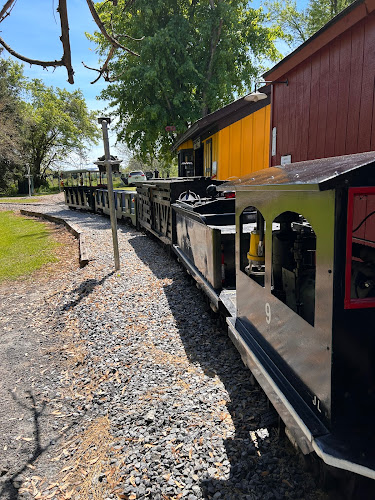
Harpers Ferry Toy Train Museum & Joy Line Railroad

Harpers Ferry National Historical Park
Find Accommodations Nearby
Recommended Tours & Activities
Visitor Reviews
There are no reviews yet. Be the first one to write one.
Share Your Experience
Have you visited Arsenal Square? Help other travelers by leaving a review.