
Arrondissement de Créteil
About Arrondissement de Créteil
Arrondissement de Créteil is a france located in Creteil.
Visiting Arrondissement de Créteil
Located in Creteil, Arrondissement de Créteil is a france that visitors to the area may find worth exploring.
Planning Your Visit
GPS coordinates: 48.790383, 2.455578. Check locally for current opening hours and any admission fees before visiting.
More Details
Updated June 4, 2026
Arrondissement de Créteil is a france located in Creteil.
Table of Contents
- Visiting Arrondissement de Créteil
- Planning Your Visit
- Location
- Places to Stay Near Arrondissement de Créteil
- Find and Book a Tour
- Explore More Travel Guides
- Key Takeaways
- Key Details and Quick Facts
- What to Expect at This Historic District
- Plan Your Visit
- Best Time to Go
- Getting There
- Insider Tips
- Nearby Attractions and Unique Experiences
- Frequently Asked Questions
- Which administrative division does Créteil belong to within Val-de-Marne, and what does that mean for visitors?
- How far is Créteil from central Paris, and what’s the fastest way to get there by public transport?
- What are the main neighborhoods in Créteil, and which areas do locals typically recommend avoiding at night?
- What is Créteil’s reputation like among Parisians, and how does it compare to other nearby suburbs?
- What are the postal codes used in Créteil, and do they correspond to specific neighborhoods?
- What are a few lesser-known historical facts about Créteil that help explain how the city developed?
- Plan Your Trip to Arrondissement de Creteil
- Traveler Reviews for Arrondissement de Créteil
- Share Your Experience
Visiting Arrondissement de Créteil
Located in Creteil, Arrondissement de Créteil is a france that visitors to the area may find worth exploring.
Planning Your Visit
GPS coordinates: 48.790383, 2.455578. Check locally for current opening hours and any admission fees before visiting.
Location
Places to Stay Near Arrondissement de Créteil
Find and Book a Tour
Explore More Travel Guides
No reviews found! Be the first to review!
The Arrondissement de Créteil sits southeast of Paris in the Val-de-Marne department, part of the Île-de-France region. It’s one of three arrondissements here and acts as a key administrative hub.
This district covers about 99.8 square kilometers and includes 16 communes, with a population topping 325,000 as of 2023. If you’re curious about the administrative side of the Paris suburbs or just want to check out life beyond central Paris, this is a great place to start.
You’ll move from Seine River towns to more suburban communities as you explore. There are both busy urban centers and quieter residential spots.
The main city, also called Créteil, is the prefecture for the whole Val-de-Marne department. It’s a bit of a crossroads, honestly.
The 16 communes range from riverside towns like Alfortville to green corners in Sucy-en-Brie and Noiseau. Each commune has its own local government, though they’re all part of the arrondissement’s wider administrative setup.
Key Takeaways
- The arrondissement covers 99.8 square kilometers and includes 16 separate communes in the Val-de-Marne department.
- You’ll find both urban areas near the Seine River and suburban residential communities throughout the district.
- Knowing about this administrative division can help you plan trips to multiple towns in the southeastern Paris suburbs.
Key Details and Quick Facts
The Arrondissement de Créteil sits about 11.7 kilometers southeast of central Paris. It brings together 16 communes, with a 2019 population of 321,066 spread across 99.8 square kilometers.
Basic Information
- Location: Southeastern suburbs of Paris, Val-de-Marne department
- Distance from Paris: 11.7 km (7.3 miles)
- Area: 99.8 km² (38.5 sq mi)
- Number of communes: 16
- Population: 321,066 (2019)
Administrative Status
Créteil is the capital of Val-de-Marne and holds the status of préfecture. The city also has a Catholic diocese and is home to one of France’s 30 académies, which are educational districts.
Historical Context
The arrondissement was created in 1964 as part of the Seine department. In 1968, it joined the newly formed Val-de-Marne department.
On February 25, 2017, boundaries changed—8 communes shifted to L’Haÿ-les-Roses, 2 moved to, and 3 came from, the arrondissement of Nogent-sur-Marne.
Geographic Coordinates
- Latitude: 48.7927° N
- Longitude: 2.4657° E
What to Expect at This Historic District
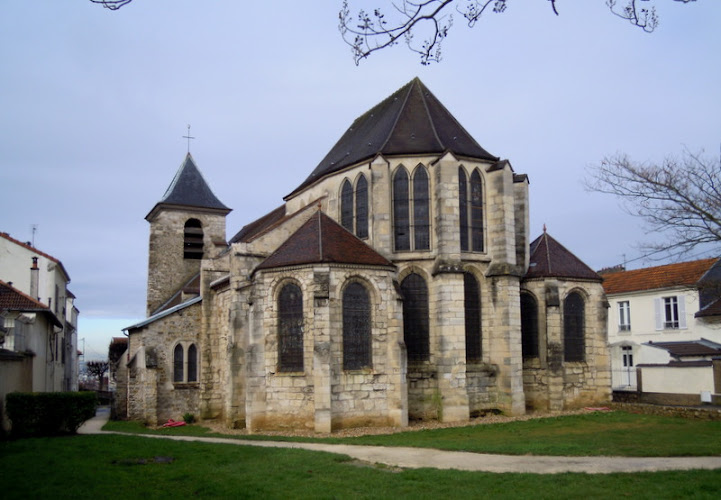
There’s a mix of medieval heritage and modern urban planning in Créteil’s historic core. The 12th-century Église Saint-Christophe and the 14th-century Ancien Colombier dovecote, both with Monument Historique status, sit along rue des Mèches in the old town.
The district holds a “Commune à découvrir MFG” label with 1.5 clocks, so you might want to set aside half a day for its heritage sites. The Saint-Christophe church is the standout historic landmark, dating from the 12th and 13th centuries.
The Ancien Colombier at 18bis rue des Mèches is a rare medieval dovecote, still standing from the 14th century.
Notable architectural sites include:
- Préfecture du Val-de-Marne (1967-1971) – 21-29 avenue du Général-de-Gaulle
- Palais de Justice (1976-1978) – rue Pasteur-Vallery-Radot
- Cité des Bleuets (1959-1962) – 75-81 rue Chéret
These three buildings have the Architecture Contemporaine Remarquable label, which is a nod to their post-war design. The prefecture and courthouse really show how Créteil grew from a small commune into a suburban center just outside Paris.
You can get your bearings at the Organisation Municipale de Tourisme, inside the Maison des Associations at 1 avenue François Mauriac. The commune also has four flowers in the Villes et Villages Fleuris program—always a nice touch.
Plan Your Visit
Créteil is just 11 kilometers southeast of central Paris, and you can visit any time, but spring and early fall are the most comfortable for outdoor exploring. Metro line 8 takes you straight from Paris, and the A86 motorway makes it easy by car.
Best Time to Go
April to June or September to October is your sweet spot—temperatures hover between 15-25°C, and the 42-hectare Lac de Créteil is just right for outdoor activities. The île des loisirs opens its water sports in late spring, so May is a good bet if you’re into canoeing or windsurfing.
If you’re more about indoor attractions, winter works too—think Créteil Soleil shopping center or catching a show at the MAC (Maison des Arts de Créteil). The Journées européennes du Patrimoine in September means special access to places like the “Choux” apartment towers and the Palais de Justice.
Try to avoid mid-July through August if you can—lots of Parisians are on holiday, and some services slow down.
Getting There
Metro line 8 takes you to Créteil-Préfecture station from central Paris in about 30-40 minutes. Créteil-Pompadour serves the southern area near the lake.
Bus 23 goes from Créteil to Brie-Comte-Robert if you’re venturing further out. Drivers can use the A86 ring road, which has direct exits for Créteil.
The TVM (Trans-Val-de-Marne) bus rapid transit also connects Créteil to other Val-de-Marne spots. There’s street parking near the lake and main attractions, plus the Créteil Soleil mall has a massive parking structure—over 5,000 spaces.
Insider Tips
Start your day at the église Saint-Christophe (11th-13th centuries) on rue de l’Église before the crowds show up. The colombier on rue des Mèches often hosts art exhibitions and is one of the oldest dovecotes in Île-de-France.
Ask for maps of the Végétale, a 20-kilometer green corridor starting at île des loisirs—it’s a great cycling or walking route. The Maison de la Nature on the leisure island has free family workshops on local wildlife most weekends.
The Archives départementales du Val-de-Marne is worth a stop if you’re into history—they rotate exhibitions every few months, and you’ll get stories you won’t find in standard guidebooks.
Architecture fans should check out the Cathédrale Notre-Dame de Créteil, with its curved wood-and-glass roof that looks like praying hands. Keep an eye out for new street art, especially near the préfecture and Créteil-Université metro station.
Nearby Attractions and Unique Experiences
If you want more art, head to MAC VAL (Musée d’Art Contemporain du Val-de-Marne) in Vitry-sur-Seine. It’s the first museum in the Paris suburbs dedicated to contemporary art and regularly features rotating exhibitions of post-1950 French works.
Local Highlights Around Créteil:
- Les Choux de Créteil – Iconic 15-story apartment buildings shaped like cabbages (or maybe cauliflowers, depending who you ask) from the 1970s. They’re a bit of a city mascot now.
- Le Colombier – This medieval dovecote is the last piece of a manor long gone, and it now hosts art exhibitions.
- Église Saint-Christophe – An old church from the 11th-13th centuries, built on a Gallo-Roman site. It’s the anchor of the historic quarter.
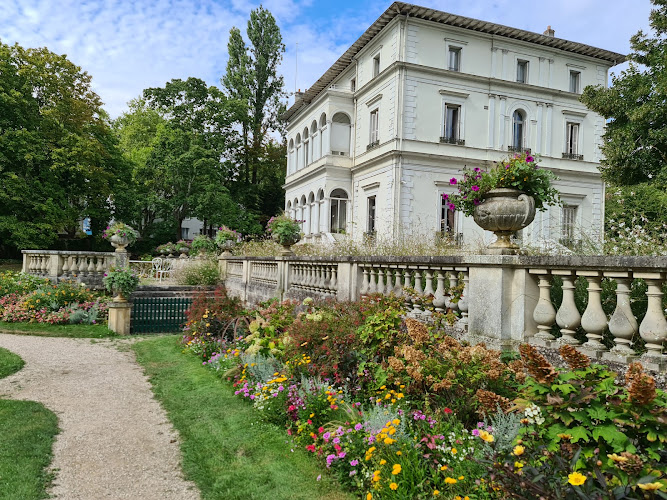
- Parc Dupeyroux – An English-style garden, good for a walk or just hanging out.
The Bras du Chapitre offers guided canoe-kayak tours—usually an hour or two—through the waterways, and you might spot some wildlife along the Marne River or around the islands of Brise-Pain and Sainte-Catherine.
Street art is popping up all over Créteil these days—murals on buildings, especially around the city center.
If you’re curious about how Créteil grew from a small town into an administrative powerhouse, the Archives Départementales du Val-de-Marne has exhibitions on local history.
Frequently Asked Questions
Créteil is part of the arrondissement of Créteil in Val-de-Marne. It’s about 8 kilometers southeast of central Paris, spread across 11 square kilometers with several distinct neighborhoods.
Which administrative division does Créteil belong to within Val-de-Marne, and what does that mean for visitors?
Créteil serves as both the prefecture of Val-de-Marne and the main town of its arrondissement, which covers 16 communes in southeastern Île-de-France. This means you’ll find most departmental services, the prefecture building, and government offices here.
For visitors, that usually means better infrastructure and more public services than in smaller suburbs. The arrondissement was set up in 1964 as part of the Seine department, then switched to Val-de-Marne in 1968. Boundaries changed again in 2017, losing 8 communes to L’Haÿ-les-Roses.
How far is Créteil from central Paris, and what’s the fastest way to get there by public transport?
Créteil is roughly 8 kilometers southeast of central Paris. Metro Line 8 runs straight out to Créteil-Préfecture in about 30-35 minutes from Opéra or Concorde.
From Bastille, it’s about 20 minutes on the same line. There are also Créteil-Université and Créteil-L’Échat stations on Line 8, so you have a few options.
The RER D line stops at Créteil-Pompadour. Buses 281, 308, and 393 give you more connections to Paris and nearby suburbs.
What are the main neighborhoods in Créteil, and which areas do locals typically recommend avoiding at night?
Créteil’s neighborhoods have their own vibe. The main commercial area is around Créteil Soleil shopping mall and the prefecture—this is the modern city center.
Mont-Mesly in the northeast and La Habette in the south are mostly residential. The Lac de Créteil area is popular for its outdoor spaces.
Some locals suggest being a bit more cautious in parts of Mont-Mesly and the older housing estates after dark. The area near the prefecture and around the lake is usually lively in the evenings.
What is Créteil’s reputation like among Parisians, and how does it compare to other nearby suburbs?
Parisians tend to see Créteil as a practical, no-nonsense suburb. It’s mostly known for its shopping center and a bunch of administrative buildings—not exactly a nightlife hotspot.
The city went through a big transformation starting in the late 1960s. It shifted from being pretty industrial to becoming one of those planned new towns, with modern, sometimes boxy architecture and a lot of high-rises.
That vibe is pretty different from the old-school charm of places like Saint-Maur-des-Fossés. Créteil doesn’t have the posh reputation of somewhere like Neuilly-sur-Seine in the west.
Still, it’s got way more amenities than the smaller towns scattered around Val-de-Marne. Most people in Paris, honestly, just think of Créteil Soleil—the massive shopping mall—when the city comes up.
What are the postal codes used in Créteil, and do they correspond to specific neighborhoods?
Créteil uses the postal code 94000 for pretty much everything. This covers the whole city, so you won’t find neighborhood-specific codes like you do in Paris with its arrondissements.
Whether you’re sending something to the prefecture, the lake, or just a random apartment block, it’s all 94000. The departmental code 94, by the way, marks Val-de-Marne for all its communes.
What are a few lesser-known historical facts about Créteil that help explain how the city developed?
You might not know that Créteil stayed a small agricultural town for a long time—fewer than 30,000 people lived there up until the 1960s. Then, almost out of nowhere, French planners picked it for a massive transformation into a fresh urban center.
When it became Val-de-Marne’s prefecture in 1968, the city saw a rush of government buildings and tall housing blocks popping up. Within just twenty years, the population shot up—tripled, in fact.
The Mont-Mesly area? Its name actually comes from the old medieval farmlands that used to cover most of the place. And that artificial Lac de Créteil you see today was only created in the 1970s, dug out from old quarries and gravel pits as part of the city’s big redevelopment push.
Plan Your Trip to Arrondissement de Creteil
Traveler Reviews for Arrondissement de Créteil
There are no reviews yet. Be the first one to write one.
Have you visited Arrondissement de Créteil? Help other travelers by sharing your review.
You Might Also Like
Parc DUPEYROUX
Sculpture en hommage à Laurent-Fignon

Eglise de Créteil – St. Christopher Parish
Find Accommodations Nearby
Recommended Tours & Activities
Visitor Reviews
There are no reviews yet. Be the first one to write one.
Share Your Experience
Have you visited Arrondissement de Créteil? Help other travelers by leaving a review.