
Ark of Bukhara
About Ark of Bukhara
Key Features
More Details
Updated April 15, 2024
## Ark of Bukhara: The Citadel-City That Ruled for a Millennium
Address: QCH6+38V, Afrosiab St, Bukhara, Uzbekistan
Coordinates: 39.7777° N, 64.4108° E (decimal) — DMS approx. 39°46′40″N, 64°24′39″E.
The Ark of Bukhara isn’t just a fortress—it’s a walled city that concentrated power, ceremony, and administration for more than a thousand years. First established around the 5th century CE and extensively developed under the Shaybanid dynasty from the 16th century, the Ark housed emirs, viziers, soldiers, scholars, and servants, functioning as the nerve center of a Silk Road capital. Today it’s Bukhara’s headline monument and a core component of the city’s UNESCO-listed historic center.
—
### Why the Ark matters
– Oldest structure in Bukhara: The citadel predates much of the city and shaped its medieval plan—citadel (Ark), madina, and suburbs.
– A “city within a city”: Royal palaces, government offices, stables, libraries, mosques, and living quarters once housed 3,000+ residents at its peak.
– Turbulent modern history: In 1920, the Ark fell during the Red Army’s assault on Bukhara; aerial bombing left large sections ruined, marking the end of the emirate era.
– UNESCO context: The Ark sits inside the Historic Centre of Bukhara, a remarkably intact Central Asian urban fabric with monuments spanning the 10th–17th centuries. World Heritage Centre
—
## What to see inside the Ark (and how to pace it)
Ceremonial Gate & Twin Towers
The monumental entrance—flanked by 18th-century towers linked by a gallery—leads up a steep ramp. This passage once doubled as a defensive choke point and processional route into power.
Long Covered Corridor
Beyond the gate, a gradually rising corridor runs past storerooms and former prison cells, opening toward the Ark’s internal courts. It sets the tone: the Ark is about controlled movement, hierarchy, and spectacle.
Juma (Friday) Mosque & Court Mosque
You’ll find a historic mosque complex inside; surviving structures reflect the Ark’s religious and political life—coronations, court rituals, and Friday prayer in one precinct.
Throne Hall & Coronation Court
The Ark’s throne room and ceremonial courts (with a marble throne dated to the 17th century) evoke the emirate’s formal pageantry. Exhibits interpret administration, diplomacy, and court protocol.
Museums Cluster
Expect multiple museum rooms: archaeology, local history, and Ark-specific displays that reconstruct the citadel’s topography and daily life. These galleries are compact but cumulative; the story builds as you move court to court.
How long to allow
Visitor guidance commonly suggests ~1–2 hours for a focused visit; deeper exploration (reading exhibits, photographing architectural details, lingering on the battlements) can stretch longer.
—
## Practical planning
Hours & seasonal notes
The Ark museum complex publishes operating times with a seasonal extension in warmer months. Current guidance (subject to change) indicates opening hours from 09:00, with extended closing to 19:00 between Apr 1–Nov 1 for Ark branches; there’s also a mid-afternoon ticket-office cutoff and a Wednesday closure notice on the official page. Always reconfirm locally before your visit, as schedules can shift.
Tickets
Published prices vary across tour and ticketing sites and may change without notice. For the most reliable, up-to-date fee information, check the official museum channels on arrival or via the local tourist office. (Third-party listings exist but are not authoritative.)
Wayfinding
The Ark anchors the northwest edge of the old city; taxis and ride-hails know the citadel, and walking from central Bukhara monuments is straightforward. The Afrosiab Street address and the coordinates above are accurate for mapping apps.
Footwear & terrain
Expect inclines, ramps, and uneven surfaces along earthen courtyards and restored brickwork. The ceremonial ramp is notably steep; plan accordingly for mobility and heat management. (Architecture and approach path documented in sources.)
Photography
Light is best early or late when the gate towers catch warm tones and interior courts have softer contrast. Look for repeating arcades and carved wooden elements around the mosque areas; many rooms are dim—bring fast lenses if you want interior detail. (General photographic advice; verify any flash restrictions on site.)
—
## Reading the Ark’s layers (context that unlocks the site)
Founding & re-founding
Archaeology indicates a deep occupational layer beneath the Ark—successive fortresses built and destroyed atop the same platform. Medieval chronicles (e.g., Narshakhi’s History of Bukhara) record repeated cycles until the citadel’s plan stabilized.
Astrology & planning motifs
Later legends describe a plan aligned to the Ursa Major (Big Dipper) constellation—seven points dictating perimeter geometry. Treat this as interpretive tradition rather than measured survey, but it illustrates how rulers framed power in cosmological terms.
From Mongol storm to emirate court
Bukhara’s population retreated into the Ark during Genghis Khan’s invasion; the citadel fell, was rebuilt, and matured into a formal court city under Uzbek dynasties—where scholars like Avicenna are said to have consulted a famed library (its loss is part of the city’s long memory).
1920 rupture
The Ark’s political life ended with Frunze’s Red Army offensive; bombing and subsequent neglect left scars still legible in the ruins. What you visit today is a curated mix of restored spaces and archeological fabric, contextualized through museum rooms.
UNESCO frame
Seeing the Ark together with the Samanid Mausoleum, Kalon complex, and surrounding madrasas makes the UNESCO logic clear: Bukhara’s center preserves a coherent medieval urban ensemble rather than isolated monuments. Plan time across the district for the full picture. World Heritage Centre
—
## Tactics for a better visit (beyond the obvious)
– Start at opening to walk the ramp and towers before tour groups cluster at the gate; you’ll get clean shots of the façade and the throne court without crowds. (Timing aligns with published opening hours; verify day-of.)
– Work “outside-in”: Photograph the gate and walls first while the light is low, then move inside to museum rooms as temperatures rise.
– Interpretive continuity: The displays are dispersed—take quick notes as you progress so the administrative story (minting, diplomacy, judicial spaces, religious functions) connects back in your write-up or photo captions.
– Hydration & shade: Courtyards can be sun-blasted at midday. Bring water and a hat; shade pockets inside the corridor and mosque galleries help with cooldowns.
– Ethical photography: Be mindful when photographing attendants or custodians; always ask before portraits, and avoid blocking narrow corridor flows.
—
## Accessibility & inclusivity notes
– Mobility: The approach involves a steep, rising ramp and uneven flooring in places. Visitors using mobility aids may find access constrained; consider a companion for assistance and budget extra time. (This is an architectural observation based on site layout.)
– Language: Labels vary; bring a translation app for deeper dives into exhibit text if needed.
– Climate: Summer heat can be intense—schedule rest breaks, especially for older travelers and kids.
—
## What’s near the Ark (to build your route)
Bukhara’s historic core is compact. After the Ark, most travelers connect to the Kalon Minaret & Mosque ensemble and major madrasas within walking distance, keeping logistics simple while maximizing context across periods. (These adjacent monuments are part of the UNESCO-listed center.) World Heritage Centre
—
## Key facts at a glance
– Type: Royal citadel and seat of power; now a museum complex.
– First established: ca. 5th century CE; present form largely 16th century onward.
– Defining moment: 1920 Red Army bombardment and fall of the emirate.
– UNESCO context: Within Historic Centre of Bukhara World Heritage property. World Heritage Centre
– Recommended visit time: ~1–2 hours for highlights; more if you read exhibits thoroughly.
– Address/Map pin: Afrosiab St (QCH6+38V), Bukhara; coordinates above.
—
### Important currency/time data to double-check
– Hours & closures can change (the museum’s page lists seasonal extensions and a Wednesday closure notice). Reconfirm locally on the day.
– Ticket prices fluctuate and online listings conflict; rely on on-site information or the local tourist office for current rates.
—
### SEO notes for travelers researching the Ark
Search terms visitors actually use (worked naturally into this guide): Ark Fortress, Bukhara citadel, Shaybanid dynasty, Ark museum Bukhara hours, Bukhara UNESCO old town, throne hall Bukhara, Juma mosque Ark, Red Army 1920 Bukhara, things to do in Bukhara old city.
—
Data quality note: Opening hours and pricing change periodically; I’ve flagged those items explicitly and cited the most authoritative available sources. All historical and structural details above are grounded in referenced material.
Table of Contents
Key Highlights
Ark of Bukhara
Location
Places to Stay Near Ark of Bukhara
Find and Book a Tour
Explore More Travel Guides
No reviews found! Be the first to review!
Traveler Reviews for Ark of Bukhara
There are no reviews yet. Be the first one to write one.
Have you visited Ark of Bukhara? Help other travelers by sharing your review.
You Might Also Like
Kukaldosh Madrasah
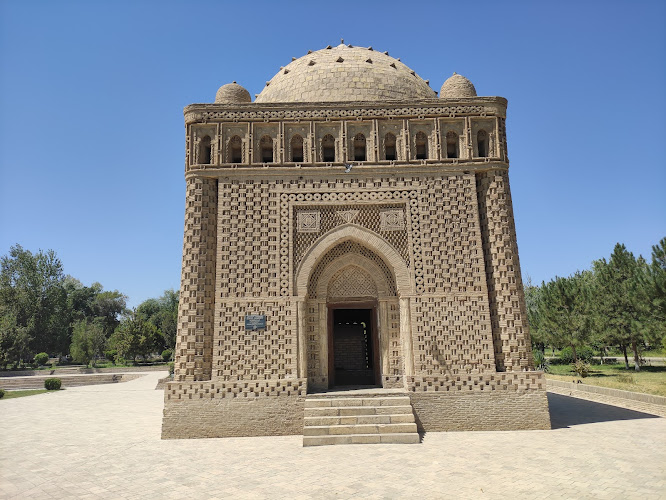
Samonids Recreation Park
Khoja Gaukushan Ensemble
Find Accommodations Nearby
Recommended Tours & Activities
Visitor Reviews
There are no reviews yet. Be the first one to write one.
Share Your Experience
Have you visited Ark of Bukhara? Help other travelers by leaving a review.