Guided Sightseeing Tours & Activities in Ardabil
- Browse sightseeing excursions and activities in Ardabil
- Check live availability, rates & traveler reviews on Viator
- Secure online booking with flexible options

Tucked into the heart of Ardabil city in Iran’s northwest, Ardabil Park is a peaceful urban green space that offers a welcome contrast to the region’s historic monuments and rugged landscapes. Though modest in scale, the park carries the calm, restorative atmosphere of the city — shaded pathways, mature trees, and places to sit and watch daily life unfold. Its history is tied to Ardabil’s role as a provincial capital and to local efforts over decades to create communal outdoor spaces for families, elders and students. What makes this park special is its blend of quiet greenery with authentic local character: you’ll find neighbors practicing tai chi, vendors selling tea and snacks nearby, and views that hint toward Sabalan’s distant peaks on clear days. Visitors should come to relax between visits to the city’s major sites, enjoy people-watching, and experience everyday Ardabili life away from the more touristed shrines and bazaars. It’s an accessible spot for a short respite, a picnic, or a gentle stroll in a city rich with history.
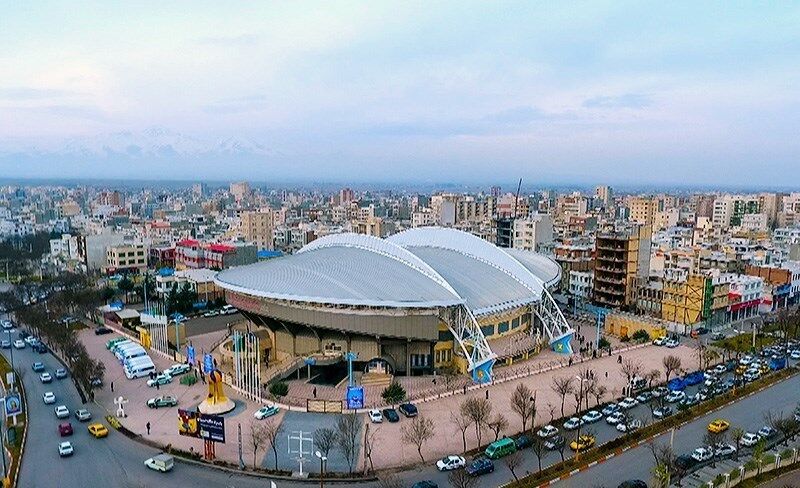
Ardabil sits in northwestern Iran like a secret waiting to be discovered by travelers who’ve grown tired of the usual tourist circuits. This provincial capital has managed to hold onto its authentic Persian character while the rest of the world rushes past, and honestly, that’s exactly what makes it special. The city sprawls across the highlands at an elevation that keeps things pleasantly cool, even when the lowlands turn into an oven during summer months.
I remember talking to a fellow traveler in Tehran who’d just returned from Ardabil, and her eyes lit up when she described the morning mist rolling through the streets. She wasn’t exaggerating – there’s something almost mystical about how this city wakes up each day. The location itself tells you everything you need to know about its historical importance. Positioned just 40 kilometers from the Republic of Azerbaijan border near the village of Diqo, Ardabil has always been a crossroads of cultures, trade routes, and ideas.
The city serves triple duty as the capital of Ardabil province, Ardabil County, and the Central District, which means it’s got the infrastructure and services that matter to travelers without feeling overly commercialized or touristy. And that balance is harder to strike than you’d think. The architecture here tells stories that textbooks can’t quite capture – from the stunning Sheikh Safi al-Din Khanegah and Shrine Ensemble (a UNESCO World Heritage site that’ll take your breath away) to the traditional bazaars where the smell of spices mingles with fresh bread.
What really sets Ardabil apart from other Iranian cities is its genuine hospitality culture. People here aren’t used to seeing masses of international tourists, so when you show up with curiosity and respect, locals tend to open up in ways that feel increasingly rare in our modern world. The tea houses become impromptu cultural exchange centers, and you’ll find yourself invited into conversations that stretch for hours.
The surrounding landscapes deserve their own paragraph because they’re spectacular. Mount Sabalan looms over the city like a protective guardian, its peak often dusted with snow even when the valleys below are green with life. The thermal springs scattered around the region have been drawing visitors for centuries – long before “wellness tourism” became a buzzword. These aren’t manicured spa resorts, mind you. They’re raw, natural hot springs where locals have been soaking their troubles away for generations.
Travelers exploring Ardabil will discover an array of distinctive attractions and experiences that define this highland city:
• The Sheikh Safi al-Din Khanegah and Shrine Ensemble stands as the city’s crown jewel, representing one of the finest examples of medieval Islamic architecture in Iran with its intricate tilework and spiritual atmosphere
• Mount Sabalan rises to 4,811 meters as Iran’s third-highest peak, offering challenging treks, stunning crater lakes, and natural hot springs that bubble up from volcanic activity below
• The traditional Ardabil carpet weaving tradition continues today, producing some of the world’s most sought-after Persian rugs with patterns that haven’t changed in centuries
• Shorabil Lake provides a peaceful retreat just outside the city where families picnic, couples stroll, and migratory birds stop during their seasonal journeys
• The Friday Mosque showcases Safavid-era architecture with its distinctive blue domes visible from various points around the city
• Natural mineral springs dot the surrounding region, particularly in Sarein, offering therapeutic waters that locals swear by for everything from arthritis to stress relief
• The Anthropology Museum houses artifacts that trace human settlement in this region back thousands of years, giving context to the layers of history beneath your feet
• Traditional bazaars wind through the old city where merchants sell everything from saffron to hand-forged metalwork using techniques passed down through family lines
• Winter sports facilities on Sabalan’s slopes attract skiers and snowboarders from across the region during colder months
• The cool highland climate makes Ardabil a natural escape from the sweltering heat that dominates much of Iran during summer
Timing your visit to Ardabil requires thinking about what you actually want to experience because this city transforms completely with the seasons. Late spring through early autumn – roughly May through September – delivers the most comfortable weather for general exploration. Temperatures hover in that sweet spot where you’re neither shivering nor sweating, and the surrounding mountains burst with wildflowers that paint the hillsides in colors that seem almost too vivid to be real.
But here’s where it gets interesting. If you’re into winter sports or you want to see Ardabil wearing its snow blanket, December through February turns the region into a proper winter wonderland. Mount Sabalan becomes a playground for skiers and mountaineers, and the city takes on this cozy, huddled-against-the-cold atmosphere that I personally find charming. Just pack seriously warm clothes because temperatures can drop well below freezing.
The shoulder seasons deserve consideration too. October and November bring fewer tourists (which means better prices and more authentic interactions) while still offering decent weather for sightseeing. March and April can be unpredictable – you might catch tail-end winter storms or early spring sunshine, sometimes both in the same day. That unpredictability keeps things adventurous though.
Summer weekends see Iranian domestic tourists flooding in from hotter regions, particularly to the hot springs around Sarein. If you prefer quieter experiences, aim for weekdays. And honestly, experiencing those thermal baths in winter creates this incredible contrast – soaking in naturally heated water while snowflakes drift down around you creates memories that stick.
One thing to keep in mind is that Ardabil follows the Iranian calendar and cultural rhythms. During Ramadan, restaurants might have limited daytime hours, though non-Muslims can usually find places to eat. The Nowruz (Persian New Year) period in late March brings the city to life with celebrations but also means crowded accommodations and higher prices.
Getting to Ardabil has gotten progressively easier over the years, though it still requires some planning since this isn’t exactly a major international hub. The city has its own airport – Ardabil Airport – which handles domestic flights primarily from Tehran. Iran Air and Mahan Air typically run several flights weekly, and the journey takes about an hour versus the 10-12 hour overland slog. Flight prices fluctuate wildly depending on demand and booking timing, so checking early pays off.
Most international travelers will enter Iran through Tehran’s Imam Khomeini International Airport, then connect to Ardabil either by air or ground transport. The overland route offers its own rewards if you’ve got the time and patience. Buses run regularly from Tehran’s western terminal, and while the journey stretches out over a full day, you’ll witness the landscape transform from dusty plains to lush highlands. The bus companies in Iran generally provide decent comfort levels with rest stops for meals and leg-stretching.
Driving offers maximum flexibility if you’re comfortable navigating Iranian roads and have secured the necessary permits. The main highway connecting Tehran to Ardabil is well-maintained, though mountain sections require careful attention especially during winter months. Car rental agencies in Tehran can set you up, though having an international driving permit smooths the process considerably.
From Tabriz, another major northwestern city, buses and shared taxis make the run to Ardabil in about four to five hours. This route makes sense for travelers exploring multiple cities in the region. And if you’re already near the Caspian coast, roads wind up from Gilan province through mountain passes that’ll have you reaching for your camera every few kilometers.
Once you arrive in Ardabil, getting around the city itself is straightforward. Taxis are abundant and affordable by Western standards, though few drivers speak English so having your destination written in Farsi helps immensely. Local buses serve main routes, and the compact city center is genuinely walkable if you don’t mind some uphill stretches.
Let me share some practical wisdom that’ll make your Ardabil experience smoother and more rewarding. First off, cash is king here. While larger hotels might accept credit cards, most restaurants, shops, and attractions operate on a cash-only basis. ATMs work for domestic cards, but international cards face restrictions due to banking sanctions. Bring enough euros or dollars to exchange – money changers in the bazaar typically offer better rates than airport counters.
Dress codes in Iran apply throughout Ardabil, and honestly, respecting local customs opens doors that staying otherwise would keep closed. Women need headscarves and loose clothing that covers arms and extends below the hips. Men should avoid shorts in public spaces. This isn’t about judgment – it’s simply how things work here, and locals genuinely appreciate visitors who make the effort.
Learning a handful of Farsi phrases transforms interactions from transactional to personal. “Salam” for hello, “Moteshakkeram” for thank you, and “Khahesh mikonam” for please will get you surprisingly far. And when locals realize you’re trying, even badly, they tend to go out of their way to help. I’ve watched travelers get invited to family dinners simply because they attempted speaking a few words of the local language.
The food scene in Ardabil deserves your attention and your appetite. Don’t stick to hotel restaurants – the best meals happen in small local spots where menus might be entirely in Farsi. Point at what others are eating if necessary. The local dairy products are exceptional due to the highland pastures, and dishes featuring fresh herbs showcase Persian cooking at its finest. Oh, and try the honey – beekeepers in the surrounding mountains produce varieties you won’t find anywhere else.
Accommodation ranges from budget guesthouses to mid-range hotels, with a few higher-end options emerging in recent years. Booking ahead during peak seasons prevents headaches, though walking in during quieter periods often works fine. Homestay options exist for travelers wanting deeper cultural immersion, and these typically include meals and insider knowledge you can’t buy.
Photography requires sensitivity, particularly around religious sites and when people are in frame. Always ask permission before photographing locals, especially women. Some sites prohibit photography entirely, so watch for signs or ask. That said, Ardabil offers endless photogenic moments – the morning light hitting Sabalan’s peak, the geometric patterns in mosque tilework, the organized chaos of bazaar life.
Hiring a local guide makes sense for at least part of your visit. They provide context that guidebooks miss and can navigate situations where language barriers might otherwise frustrate. Many hotels can arrange guides, or inquire at the tourism office near the main square.
The altitude affects some visitors initially – Ardabil sits high enough that taking things easy your first day or two prevents altitude-related discomfort. Stay hydrated and don’t immediately launch into strenuous hikes up Sabalan.
Finally, approach Ardabil with curiosity rather than a checklist mentality. The best experiences here aren’t timed attractions but spontaneous moments – conversations over tea, stumbling upon a traditional music performance, watching craftspeople work in their workshops. Leave room in your schedule for wandering and wondering, because that’s when Ardabil reveals its true character.
Last modified March 30, 2026
Ardabil sits in northwestern Iran like a secret waiting to be discovered by travelers who’ve grown tired of the usual tourist circuits. This provincial capital has managed to hold onto its authentic Persian character while the rest of the world rushes past, and honestly, that’s exactly what makes it special. The city sprawls across the highlands at an elevation that keeps things pleasantly cool, even when the lowlands turn into an oven during summer months.
I remember talking to a fellow traveler in Tehran who’d just returned from Ardabil, and her eyes lit up when she described the morning mist rolling through the streets. She wasn’t exaggerating – there’s something almost mystical about how this city wakes up each day. The location itself tells you everything you need to know about its historical importance. Positioned just 40 kilometers from the Republic of Azerbaijan border near the village of Diqo, Ardabil has always been a crossroads of cultures, trade routes, and ideas.
The city serves triple duty as the capital of Ardabil province, Ardabil County, and the Central District, which means it’s got the infrastructure and services that matter to travelers without feeling overly commercialized or touristy. And that balance is harder to strike than you’d think. The architecture here tells stories that textbooks can’t quite capture – from the stunning Sheikh Safi al-Din Khanegah and Shrine Ensemble (a UNESCO World Heritage site that’ll take your breath away) to the traditional bazaars where the smell of spices mingles with fresh bread.
What really sets Ardabil apart from other Iranian cities is its genuine hospitality culture. People here aren’t used to seeing masses of international tourists, so when you show up with curiosity and respect, locals tend to open up in ways that feel increasingly rare in our modern world. The tea houses become impromptu cultural exchange centers, and you’ll find yourself invited into conversations that stretch for hours.
The surrounding landscapes deserve their own paragraph because they’re spectacular. Mount Sabalan looms over the city like a protective guardian, its peak often dusted with snow even when the valleys below are green with life. The thermal springs scattered around the region have been drawing visitors for centuries – long before “wellness tourism” became a buzzword. These aren’t manicured spa resorts, mind you. They’re raw, natural hot springs where locals have been soaking their troubles away for generations.
Travelers exploring Ardabil will discover an array of distinctive attractions and experiences that define this highland city:
• The Sheikh Safi al-Din Khanegah and Shrine Ensemble stands as the city’s crown jewel, representing one of the finest examples of medieval Islamic architecture in Iran with its intricate tilework and spiritual atmosphere
• Mount Sabalan rises to 4,811 meters as Iran’s third-highest peak, offering challenging treks, stunning crater lakes, and natural hot springs that bubble up from volcanic activity below
• The traditional Ardabil carpet weaving tradition continues today, producing some of the world’s most sought-after Persian rugs with patterns that haven’t changed in centuries
• Shorabil Lake provides a peaceful retreat just outside the city where families picnic, couples stroll, and migratory birds stop during their seasonal journeys
• The Friday Mosque showcases Safavid-era architecture with its distinctive blue domes visible from various points around the city
• Natural mineral springs dot the surrounding region, particularly in Sarein, offering therapeutic waters that locals swear by for everything from arthritis to stress relief
• The Anthropology Museum houses artifacts that trace human settlement in this region back thousands of years, giving context to the layers of history beneath your feet
• Traditional bazaars wind through the old city where merchants sell everything from saffron to hand-forged metalwork using techniques passed down through family lines
• Winter sports facilities on Sabalan’s slopes attract skiers and snowboarders from across the region during colder months
• The cool highland climate makes Ardabil a natural escape from the sweltering heat that dominates much of Iran during summer
Timing your visit to Ardabil requires thinking about what you actually want to experience because this city transforms completely with the seasons. Late spring through early autumn – roughly May through September – delivers the most comfortable weather for general exploration. Temperatures hover in that sweet spot where you’re neither shivering nor sweating, and the surrounding mountains burst with wildflowers that paint the hillsides in colors that seem almost too vivid to be real.
But here’s where it gets interesting. If you’re into winter sports or you want to see Ardabil wearing its snow blanket, December through February turns the region into a proper winter wonderland. Mount Sabalan becomes a playground for skiers and mountaineers, and the city takes on this cozy, huddled-against-the-cold atmosphere that I personally find charming. Just pack seriously warm clothes because temperatures can drop well below freezing.
The shoulder seasons deserve consideration too. October and November bring fewer tourists (which means better prices and more authentic interactions) while still offering decent weather for sightseeing. March and April can be unpredictable – you might catch tail-end winter storms or early spring sunshine, sometimes both in the same day. That unpredictability keeps things adventurous though.
Summer weekends see Iranian domestic tourists flooding in from hotter regions, particularly to the hot springs around Sarein. If you prefer quieter experiences, aim for weekdays. And honestly, experiencing those thermal baths in winter creates this incredible contrast – soaking in naturally heated water while snowflakes drift down around you creates memories that stick.
One thing to keep in mind is that Ardabil follows the Iranian calendar and cultural rhythms. During Ramadan, restaurants might have limited daytime hours, though non-Muslims can usually find places to eat. The Nowruz (Persian New Year) period in late March brings the city to life with celebrations but also means crowded accommodations and higher prices.
Getting to Ardabil has gotten progressively easier over the years, though it still requires some planning since this isn’t exactly a major international hub. The city has its own airport – Ardabil Airport – which handles domestic flights primarily from Tehran. Iran Air and Mahan Air typically run several flights weekly, and the journey takes about an hour versus the 10-12 hour overland slog. Flight prices fluctuate wildly depending on demand and booking timing, so checking early pays off.
Most international travelers will enter Iran through Tehran’s Imam Khomeini International Airport, then connect to Ardabil either by air or ground transport. The overland route offers its own rewards if you’ve got the time and patience. Buses run regularly from Tehran’s western terminal, and while the journey stretches out over a full day, you’ll witness the landscape transform from dusty plains to lush highlands. The bus companies in Iran generally provide decent comfort levels with rest stops for meals and leg-stretching.
Driving offers maximum flexibility if you’re comfortable navigating Iranian roads and have secured the necessary permits. The main highway connecting Tehran to Ardabil is well-maintained, though mountain sections require careful attention especially during winter months. Car rental agencies in Tehran can set you up, though having an international driving permit smooths the process considerably.
From Tabriz, another major northwestern city, buses and shared taxis make the run to Ardabil in about four to five hours. This route makes sense for travelers exploring multiple cities in the region. And if you’re already near the Caspian coast, roads wind up from Gilan province through mountain passes that’ll have you reaching for your camera every few kilometers.
Once you arrive in Ardabil, getting around the city itself is straightforward. Taxis are abundant and affordable by Western standards, though few drivers speak English so having your destination written in Farsi helps immensely. Local buses serve main routes, and the compact city center is genuinely walkable if you don’t mind some uphill stretches.
Let me share some practical wisdom that’ll make your Ardabil experience smoother and more rewarding. First off, cash is king here. While larger hotels might accept credit cards, most restaurants, shops, and attractions operate on a cash-only basis. ATMs work for domestic cards, but international cards face restrictions due to banking sanctions. Bring enough euros or dollars to exchange – money changers in the bazaar typically offer better rates than airport counters.
Dress codes in Iran apply throughout Ardabil, and honestly, respecting local customs opens doors that staying otherwise would keep closed. Women need headscarves and loose clothing that covers arms and extends below the hips. Men should avoid shorts in public spaces. This isn’t about judgment – it’s simply how things work here, and locals genuinely appreciate visitors who make the effort.
Learning a handful of Farsi phrases transforms interactions from transactional to personal. “Salam” for hello, “Moteshakkeram” for thank you, and “Khahesh mikonam” for please will get you surprisingly far. And when locals realize you’re trying, even badly, they tend to go out of their way to help. I’ve watched travelers get invited to family dinners simply because they attempted speaking a few words of the local language.
The food scene in Ardabil deserves your attention and your appetite. Don’t stick to hotel restaurants – the best meals happen in small local spots where menus might be entirely in Farsi. Point at what others are eating if necessary. The local dairy products are exceptional due to the highland pastures, and dishes featuring fresh herbs showcase Persian cooking at its finest. Oh, and try the honey – beekeepers in the surrounding mountains produce varieties you won’t find anywhere else.
Accommodation ranges from budget guesthouses to mid-range hotels, with a few higher-end options emerging in recent years. Booking ahead during peak seasons prevents headaches, though walking in during quieter periods often works fine. Homestay options exist for travelers wanting deeper cultural immersion, and these typically include meals and insider knowledge you can’t buy.
Photography requires sensitivity, particularly around religious sites and when people are in frame. Always ask permission before photographing locals, especially women. Some sites prohibit photography entirely, so watch for signs or ask. That said, Ardabil offers endless photogenic moments – the morning light hitting Sabalan’s peak, the geometric patterns in mosque tilework, the organized chaos of bazaar life.
Hiring a local guide makes sense for at least part of your visit. They provide context that guidebooks miss and can navigate situations where language barriers might otherwise frustrate. Many hotels can arrange guides, or inquire at the tourism office near the main square.
The altitude affects some visitors initially – Ardabil sits high enough that taking things easy your first day or two prevents altitude-related discomfort. Stay hydrated and don’t immediately launch into strenuous hikes up Sabalan.
Finally, approach Ardabil with curiosity rather than a checklist mentality. The best experiences here aren’t timed attractions but spontaneous moments – conversations over tea, stumbling upon a traditional music performance, watching craftspeople work in their workshops. Leave room in your schedule for wandering and wondering, because that’s when Ardabil reveals its true character.

No reviews found! Be the first to review!
Ardabil is a prominent Outdoors & Nature located in Ardabil.
Visit us at: 67QX+84F, Ardabil, Ardabil Province, Iran.
Explore verified points of interest within walking or short transit distance.
No neighboring places mapped within 5 km yet.
Stay22 provides this accommodation search. We may earn a commission if you book through it; verify current prices and terms with the provider.
GetYourGuide provides this tour inventory. We may earn a commission if you book through it; verify current availability, prices, and terms with the provider.
We may earn a commission if you book through links on this page at no extra cost to you. All tours feature verified customer reviews and flexible cancellation options.
No traveler reviews yet. Share your experience below!
No traveler questions yet. Be the first to ask a local!