
Anthropology Museum of Mashhad
About Anthropology Museum of Mashhad
Key Features
More Details
Updated April 15, 2024
## Anthropology Museum of Mashhad (Mahdi Qoli Beyk Bath): A Practical Guide
Set just west of the Imam Reza Holy Shrine, the Anthropology Museum of Mashhad occupies the historic Mahdi Qoli Beyk bathhouse (ḥammām)—a Safavid-era complex repurposed to showcase everyday life and craft traditions from Mashhad and wider Khorasan. Expect atmospheric domes, star-shaped skylights, marble platforms, and displays that make the social ritual of the Persian bath tangible. توریست
—
### Where it is (and how to navigate quickly)
– Address (commonly published): Shirazi Avenue, near the western courtyards of the Imam Reza Shrine. You’ll see it signed locally as the Anthropology Museum or “Hamam Mahdi Qoli Beyk.” Several travel and mapping resources list the same Shirazi Ave location and the local landline +98 51 3223 2004.
– Immediate context: Multiple sources place the museum on/near the west side of the Shrine complex, close to the tomb of Amir Ghiyāth al-Din Malekshāh and the old bazaar corridors (Andarzgu/Khusravi-e Now). This matters for route-planning: you can fold a visit into any shrine-area walking loop. توریست
> Note on mapping labels: you may also see the site labeled Mahdi Gholi/Mehdi Qoli Beyk Historical Bath; that’s the same place as the Anthropology Museum.
—
### What you’ll see inside
– Architecture of a Persian bath: The plan typically flows from a small entry passage to a sar-bīneh (changing hall) with a domed ceiling, then progressively warmer rooms toward the garm-khāneh (hot area). The museum preserves that sequence so you can read the building as you walk. A Farsi visitor guide outlines the spaces and circulation clearly.
– Ethnographic displays: Cases commonly feature charcoal samovars, cooking and serving vessels, textiles/clothing, and photographs of old Mashhad—objects that anchor domestic life rather than courtly treasures. Expect interpretive panels about guilds and trades tied to the bazaar. توریست
– Context in the Astan Quds Razavi museum network: The Anthropology Museum is listed alongside AQR’s Central, Carpet, and Qur’an & Exquisite Objects museums; all sit within or adjacent to the shrine precincts, making multi-museum itineraries feasible in a single morning. توریست
—
### Opening hours & ticketing (what recent sources say)
– Hours often reported: Daily 08:00–12:30 (shorter on Thursdays/holidays; some listings show Thu 08:00–11:30, Fri ~08:00–12:00). Several independent listings agree that morning only is typical.
– Phone (for day-of confirmation): +98 51 3223 2004—published by mapping and attraction directories.
– Pricing: An AQR-focused tourism page has shown a low, local-rate ticket in past years. Treat any quoted price as provisional; museum pricing in Iran is frequently adjusted and can differ for domestic vs. international visitors. توریست
Data freshness flag: Hours and prices on third-party sites can drift. For the most current information, check the Astan Quds Razavi museum portal before you go or call the landline above. توریست
—
### A short history (and why dates don’t always match online)
– Safavid origins, later conversions: Multiple sources agree the bathhouse dates to the Safavid period and was later donated to Astan Quds Razavi, eventually restored and reopened as the Anthropology Museum. توریست
– Conflicting build dates in circulation:
– A Mashhad museums overview and several travel write-ups cite 1648 CE and a 2006 restoration/reopening. توریست
– Farsi-language references tied to heritage listings cite 1027 AH (approx. 1618 CE) and identify the site as “Hamam-e Shāh / Mahdi Qoli Beyk” near the beginning of the Grand Bazaar by the old Shah Mosque.
– Another outlet mentions 1208 lunar year (~1793 CE) in connection with dedication history—a clear outlier against Safavid-period attributions. Front Page
How to read that: the architectural and documentary consensus points to a Safavid-era bath repurposed as a museum, but specific construction year claims vary by source. Treat exact years on signage/leaflets as the authority for on-site interpretation.
—
### Visit strategy (practical, time-saving)
– Pair it with the Shrine precinct: Because the museum sits just west of the courtyards, it’s efficient to visit right after an early-morning shrine walk, before bazaar crowds peak and before the museum’s midday closing. توریست
– Expect a compact visit: Most travelers will spend 30–60 minutes here if reading panels and studying the bath’s heating/lighting details (domed oculi, underfloor hypocaust). The collection is ethnographic and architectural rather than exhaustive. توریست
– Photography: Policies can vary across AQR museum spaces; follow on-site guidance and staff instructions. (No reliable universal rule is published online across sources.)
– Accessibility note: Historic baths involve uneven stone floors, low thresholds, and temperature-gradient rooms; ramps/handrails may be limited compared to modern museums. (No official accessibility specification is consistently published; plan accordingly and ask staff on arrival.)
—
### Why it matters
– Urban fabric insight: Standing inside a functioning Safavid bathhouse teaches more about social life, water management (qanāt supply), and civic hygiene than a glass case ever could. Some sources note the original bath had its own qanāt and connections to nearby religious structures.
– Mashhad beyond pilgrimage: The museum roots the city’s identity in crafts, household technologies, and market life, complementing shrine-centered narratives you’ll encounter elsewhere in the AQR complex. توریست
—
### Quick planning facts (recap)
– Name variants: Anthropology Museum of Mashhad / Hamam Mahdi Qoli Beyk / Mahdi Gholi Beyk Historical Bath.
– Location: Shirazi Ave, west side of Imam Reza Shrine precincts (near bazaar corridors and historic tombs). توریست
– Typical hours reported: 08:00–12:30 (shorter on some days/holidays). Verify same-day.
– Phone: +98 51 3223 2004.
– What’s inside: Safavid bath architecture; displays of samovars, utensils, clothing, and historic photos from Mashhad/Khorasan. توریست
—
### Accuracy & inclusivity notes
– Data that may be outdated or inconsistent: specific construction year and ticket prices differ across sources; we intentionally avoid asserting a single year or current price without an official on-site citation. Always re-check hours; many listings agree on morning-only operation but differ by day. توریست
– Respectful visiting: The museum sits steps from one of Shia Islam’s most important shrines. Dress modestly and follow local norms and security guidance in and around the precincts. (This is general practical guidance for the area; confirm any shrine-specific rules at entry.)
—
#### Sources
Astan Quds Razavi museum overview with the Anthropology Museum entry (location context, exhibit themes, and hours). توریست
Attraction and mapping listings for Shirazi Ave address and +98 51 3223 2004 phone; multiple agree on morning-only operation.
Background on the bathhouse identity, siting west of the Shrine and by the bazaar/tomb; ethnographic collection examples.
Farsi heritage references giving alternative Safavid-period dates (1027 AH) and the “Hamam-e Shāh / Mahdi Qoli Beyk” naming.
Additional architectural/contextual notes on the bathhouse’s Safavid origin and repurposing.
> If you’d like, I can turn this into a structured YAML/JSON location card (fields for slug, geodata, hours, phone, exhibits, nearby POIs) you can drop straight into your CMS.
Table of Contents
Key Highlights
Anthropology Museum of Mashhad
Location
Places to Stay Near Anthropology Museum of Mashhad
Find and Book a Tour
Explore More Travel Guides
No reviews found! Be the first to review!
Traveler Reviews for Anthropology Museum of Mashhad
There are no reviews yet. Be the first one to write one.
Have you visited Anthropology Museum of Mashhad? Help other travelers by sharing your review.
You Might Also Like
Chalidarreh Tourist Complex
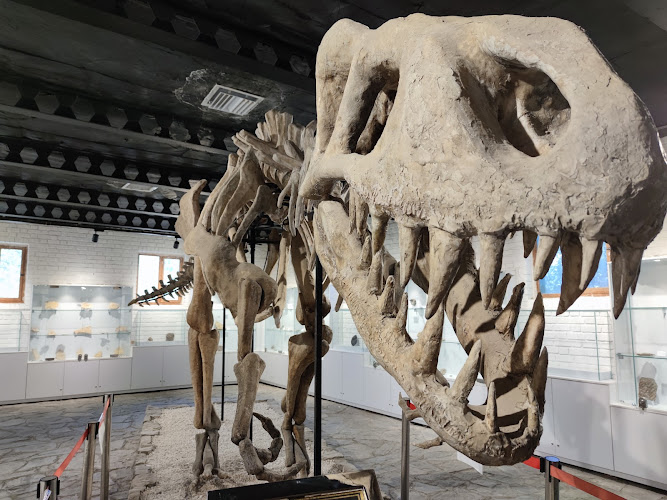
Mashhad Jurassic Park
Imam Reza Holy Shrine
Find Accommodations Nearby
Recommended Tours & Activities
Visitor Reviews
There are no reviews yet. Be the first one to write one.
Share Your Experience
Have you visited Anthropology Museum of Mashhad? Help other travelers by leaving a review.