
Animas Museum
About Animas Museum
Description
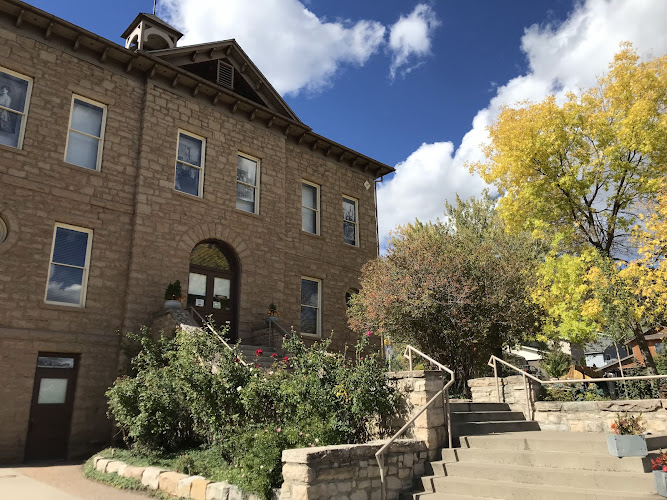
Animas Museum tells the story of Durango from the inside of a 1904 schoolhouse, and that’s already half the charm. The La Plata County Historical Society transformed the former Animas City School into a small but surprisingly rich local history museum, where chalkboards, artifacts, pioneer logs, and archival photographs make the past feel near enough to touch. It’s the kind of place where visitors slow down, read labels, and whisper, “I didn’t know that,” more than once.
The museum’s signature space is a restored 1905 classroom. Think slate boards, wooden desks, a big bell, and a strict teacher’s chair that could quiet even the chattiest of students. Travelers who like hands-on history lean into the details here: the heft of a reader, the tidy cursive on a lesson plan, the sense of what a single room could teach an entire community in the early 20th century. Step back outside and there’s Joy Cabin, a hand-hewn log structure considered the oldest in town, relocated to the grounds for preservation. Its simple lines and timber scent offer another kind of time travel—pioneer-era life in a footprint smaller than most studio apartments.
Inside the galleries, exhibits rotate and build on a few core themes: railroads and mining, ranching culture, the Ute people and Indigenous histories of the region, civic life, and the great Durango fire stories. The Law and Disorder exhibit shares how justice was kept (and sometimes stretched) on a rugged frontier. Forged by Flame delves into the city’s fires and the rebirth that followed, a sobering reminder of how towns re-invent themselves. Wish You Were Here highlights vintage postcards and the lore of early tourism. Across the museum, small, well-placed items—like a child’s lunch pail or a dog-eared timetable—create a very human thread through Southwest Colorado history.
Beyond the displays, the Animas Museum’s research library and photo archives are a deep well for genealogists, writers, and the just-plain-curious. It houses yearbooks, newspapers, rare photos of Animas City and greater La Plata County, and reference materials that rarely make it online. Appointments are usually recommended to dig in properly, and staff or volunteers can point visitors toward San Juan Basin resources, local cemetery records, and hard-to-find materials about mining camps and railroad spurs that blinked in and out of existence. If researching a family line that touched Durango, few places make the puzzle pieces fall into place as quickly.
Being candid, it’s not a massive, all-day museum. And that’s part of why people like it. Travelers often report they spend 45 to 90 minutes exploring, a comfortable pace between coffee and a stroll along the river, or before catching the Durango & Silverton train. Most appreciate the care, clarity, and storytelling that the Historical Society’s staff and volunteers bring. A few wish it were larger; some note the building’s historic character also means accessibility is limited. On balance, the museum earns a warm reputation as a well-run, thoughtfully curated stop that makes Durango’s past feel tangible and personal.
Families, in particular, find the museum kid-friendly. Children tend to love the 1905 classroom and the cabin outside; there’s often a scavenger hunt or kid-focused handouts that turn a history lesson into a game. Travelers with a tight itinerary see it as a smart, hyper-local counterpoint to the area’s big-ticket outings—Mesa Verde, mountain trails, and the railroad—because it answers a simple question those can’t: What was everyday life actually like here?
Animas Museum also punches above its weight with programs and special events. Expect occasional talks, seasonal exhibits, and history walks in the Old Animas City district. When hours are limited (small museums have to be practical), the team frequently posts exhibits and programs online, including recorded webinars and past events, so visitors can keep exploring even after leaving town.
All told, this is a charming local history museum that doesn’t try to be a grand hall. Instead, it excels at being the cultural heart of the community’s story—neighbors teaching neighbors, travelers discovering context, and the La Plata County Historical Society preserving what might otherwise be lost to attics and memory. For many, that’s exactly the point.
Key Features
- Housed in the historic 1904 Animas City School building, carefully preserved and interpreted
- Restored 1905 classroom with period furniture, teaching tools, and authentic details
- Joy Cabin on the grounds, a pioneer-era log structure and a standout photo opportunity
- Rotating exhibits on railroads, mining, ranching, the Ute people, and civic life
- Law and Disorder and Forged by Flame exhibits, offering compelling narratives about justice and fire in Durango’s past
- Research library and photo archives for genealogists, authors, students, and local history buffs
- Family-friendly activities; often includes scavenger hunts or take-home worksheets for kids
- Volunteer and staff expertise, with friendly guidance and local insight
- Online exhibits and recorded webinars available when you want to keep learning beyond a visit
- On-site parking and restrooms; compact layout that’s easy to see in under two hours
Best Time to Visit
Because the museum is smaller and hours can be more limited than a large city institution, the best time is when it’s open during the late morning or early afternoon—midweek is typically the quietest. In summer, aim for late morning before the train crowds finish lunch. During shoulder seasons (spring and fall), you’ll often have more room to linger over the labels and ask the staff questions. Winter visits have a certain coziness, particularly around the classroom; bring a light layer and expect a quieter, more contemplative experience.
If you’re planning a deeper dive in the research library, schedule an appointment in advance. It’s worth aligning your visit with special programs or talks; the museum’s events tend to be intimate, high-quality, and packed with local knowledge. Families might time a stop around a kid-friendly activity day—when offered, those can turn a good visit into a great one.
Weather rarely affects the museum itself, but Durango’s mountain climate can change fast. Good shoes and a warm layer are smart most of the year. If you’re pairing the museum with a day out—say, a river walk or a train ride—hit the outdoor adventures early and savor the museum in the heat of the afternoon or when winds pick up.
How to Get There
The museum sits a short drive from downtown Durango, in the Old Animas City area, not far from Main Avenue and the Animas River corridor. By car, it’s an easy hop off US Highway 550/160 with on-site parking available in a small lot. Signage is clear as you approach, and the classic schoolhouse silhouette makes it hard to miss once you’re on the right block.
From downtown, it’s a quick ride by bike or a pleasant walk if you’re up for a mile or so on relatively flat streets. Many travelers stitch the museum into a low-stress loop: breakfast downtown, museum visit, then a stroll along the river trail. Durango Transit typically serves neighborhoods close by; routes and stop locations can change, so it’s smart to confirm the latest schedule before setting out.
If you’re planning a car-free day, pair the museum with attractions concentrated in central Durango—the Durango & Silverton depot area, galleries, coffee shops, and the river path—so you’re not crisscrossing town. Wayfinding is straightforward, and the neighborhood pace is relaxed.
Tips for Visiting
Plan for 60 to 90 minutes. That gives enough time to explore the restored 1905 classroom and cabin, read the exhibit stories, and chat with staff. If a research appointment is on your agenda, add an hour or more, depending on how deep the project goes.
Confirm hours before you go. Small museums frequently adjust days and times seasonally. Admission is typically modest, with discounts common for children, students, and seniors. Occasionally, there are free or reduced-admission days, and donations help preserve collections and support future programs.
Photography basics. Handheld photography without flash is generally fine across most areas; flash can damage light-sensitive artifacts. Tripods, lighting kits, or commercial shoots usually require advance permission. If in doubt, ask the front desk—staff are helpful and clear about what’s okay. Top photo spots include the Joy Cabin exterior, the classroom bell, and any period signage in the hallway.
Guided experiences. While not guaranteed daily, the museum periodically offers guided tours, talks, or special events. These add context to exhibits such as Law and Disorder or Forged by Flame. If you’re keen on a guide, check for posted tour times or politely ask a volunteer—they often have short, delightful stories that aren’t printed on any label.
Family notes. For young children, the 1905 classroom is a hit. Ask for kid-friendly activities at the desk, like a scavenger hunt. Keep a gentle hand with artifacts; many items are originals, not replicas. Strollers can be tricky on older stairways, so a lightweight carrier might be easier inside.
Accessibility. The museum occupies a historic building, and accessibility is limited. Entryways, stairways, and restrooms may not meet current accessibility standards. If mobility is a concern, call ahead to discuss options. Staff do their best to accommodate visitors, and they can suggest ways to experience the exhibits comfortably.
What not to bring. Pets should sit this one out unless they’re trained service animals. Food and drink are best enjoyed outside; there’s no restaurant on site. Pack a water bottle for after your visit, and consider nearby cafes for a bite.
Library and archives. Appointments are recommended for research, particularly if you want access to photo archives, yearbooks, or local newspapers. Bring precise names, dates, and locations; a little prep makes the staff’s guidance even more effective. If you’re tracing ancestors who lived in Animas City or La Plata County, the library can be a gold mine.
Combine and conquer. Visiting the Animas Museum alongside the Durango & Silverton Narrow Gauge Railroad areas, the river trail, and a stroll through downtown creates a well-rounded day. Indoor-outdoor balance matters at altitude. Do the museum when you need a break from sun or wind, and then step back outside with new appreciation for what you’re seeing around town.
Safety and wildlife context. Durango is a mountain town, but you won’t meet bears or mountain lions at the museum. Just keep normal city awareness if you’re walking between attractions. If you’re heading into the backcountry after your visit, different rules apply, of course, but for this stop you just need comfortable shoes and curiosity.
Final thought. The Animas Museum works because it stays true to local history. Exhibits and programs focus on the people and forces that shaped the district—Ute heritage, Ancestral Puebloan presence in the region, boom-and-bust cycles of mining and railroad growth, fires that redefined blocks, and classrooms that seeded futures. It’s not splashy; it’s sincere. And sincerity, in travel, sticks with you. If the goal is to understand Durango rather than simply pass through it, a visit here pays off.
Key Features
- 1904 Animas City School building with preserved period classroom elements
- Exhibits covering Native American history, local mining and railroad heritage
- Local artifacts and archival materials curated by the La Plata County Historical Society
- Rotating and seasonal exhibits that highlight community stories
- Free admission (donation-supported) and educational programming
More Details
Updated October 30, 2025
Table of Contents
Description
Animas Museum tells the story of Durango from the inside of a 1904 schoolhouse, and that’s already half the charm. The La Plata County Historical Society transformed the former Animas City School into a small but surprisingly rich local history museum, where chalkboards, artifacts, pioneer logs, and archival photographs make the past feel near enough to touch. It’s the kind of place where visitors slow down, read labels, and whisper, “I didn’t know that,” more than once.
The museum’s signature space is a restored 1905 classroom. Think slate boards, wooden desks, a big bell, and a strict teacher’s chair that could quiet even the chattiest of students. Travelers who like hands-on history lean into the details here: the heft of a reader, the tidy cursive on a lesson plan, the sense of what a single room could teach an entire community in the early 20th century. Step back outside and there’s Joy Cabin, a hand-hewn log structure considered the oldest in town, relocated to the grounds for preservation. Its simple lines and timber scent offer another kind of time travel—pioneer-era life in a footprint smaller than most studio apartments.
Inside the galleries, exhibits rotate and build on a few core themes: railroads and mining, ranching culture, the Ute people and Indigenous histories of the region, civic life, and the great Durango fire stories. The Law and Disorder exhibit shares how justice was kept (and sometimes stretched) on a rugged frontier. Forged by Flame delves into the city’s fires and the rebirth that followed, a sobering reminder of how towns re-invent themselves. Wish You Were Here highlights vintage postcards and the lore of early tourism. Across the museum, small, well-placed items—like a child’s lunch pail or a dog-eared timetable—create a very human thread through Southwest Colorado history.
Beyond the displays, the Animas Museum’s research library and photo archives are a deep well for genealogists, writers, and the just-plain-curious. It houses yearbooks, newspapers, rare photos of Animas City and greater La Plata County, and reference materials that rarely make it online. Appointments are usually recommended to dig in properly, and staff or volunteers can point visitors toward San Juan Basin resources, local cemetery records, and hard-to-find materials about mining camps and railroad spurs that blinked in and out of existence. If researching a family line that touched Durango, few places make the puzzle pieces fall into place as quickly.
Being candid, it’s not a massive, all-day museum. And that’s part of why people like it. Travelers often report they spend 45 to 90 minutes exploring, a comfortable pace between coffee and a stroll along the river, or before catching the Durango & Silverton train. Most appreciate the care, clarity, and storytelling that the Historical Society’s staff and volunteers bring. A few wish it were larger; some note the building’s historic character also means accessibility is limited. On balance, the museum earns a warm reputation as a well-run, thoughtfully curated stop that makes Durango’s past feel tangible and personal.
Families, in particular, find the museum kid-friendly. Children tend to love the 1905 classroom and the cabin outside; there’s often a scavenger hunt or kid-focused handouts that turn a history lesson into a game. Travelers with a tight itinerary see it as a smart, hyper-local counterpoint to the area’s big-ticket outings—Mesa Verde, mountain trails, and the railroad—because it answers a simple question those can’t: What was everyday life actually like here?
Animas Museum also punches above its weight with programs and special events. Expect occasional talks, seasonal exhibits, and history walks in the Old Animas City district. When hours are limited (small museums have to be practical), the team frequently posts exhibits and programs online, including recorded webinars and past events, so visitors can keep exploring even after leaving town.
All told, this is a charming local history museum that doesn’t try to be a grand hall. Instead, it excels at being the cultural heart of the community’s story—neighbors teaching neighbors, travelers discovering context, and the La Plata County Historical Society preserving what might otherwise be lost to attics and memory. For many, that’s exactly the point.
Key Features
- Housed in the historic 1904 Animas City School building, carefully preserved and interpreted
- Restored 1905 classroom with period furniture, teaching tools, and authentic details
- Joy Cabin on the grounds, a pioneer-era log structure and a standout photo opportunity
- Rotating exhibits on railroads, mining, ranching, the Ute people, and civic life
- Law and Disorder and Forged by Flame exhibits, offering compelling narratives about justice and fire in Durango’s past
- Research library and photo archives for genealogists, authors, students, and local history buffs
- Family-friendly activities; often includes scavenger hunts or take-home worksheets for kids
- Volunteer and staff expertise, with friendly guidance and local insight
- Online exhibits and recorded webinars available when you want to keep learning beyond a visit
- On-site parking and restrooms; compact layout that’s easy to see in under two hours
Best Time to Visit
Because the museum is smaller and hours can be more limited than a large city institution, the best time is when it’s open during the late morning or early afternoon—midweek is typically the quietest. In summer, aim for late morning before the train crowds finish lunch. During shoulder seasons (spring and fall), you’ll often have more room to linger over the labels and ask the staff questions. Winter visits have a certain coziness, particularly around the classroom; bring a light layer and expect a quieter, more contemplative experience.
If you’re planning a deeper dive in the research library, schedule an appointment in advance. It’s worth aligning your visit with special programs or talks; the museum’s events tend to be intimate, high-quality, and packed with local knowledge. Families might time a stop around a kid-friendly activity day—when offered, those can turn a good visit into a great one.
Weather rarely affects the museum itself, but Durango’s mountain climate can change fast. Good shoes and a warm layer are smart most of the year. If you’re pairing the museum with a day out—say, a river walk or a train ride—hit the outdoor adventures early and savor the museum in the heat of the afternoon or when winds pick up.
How to Get There
The museum sits a short drive from downtown Durango, in the Old Animas City area, not far from Main Avenue and the Animas River corridor. By car, it’s an easy hop off US Highway 550/160 with on-site parking available in a small lot. Signage is clear as you approach, and the classic schoolhouse silhouette makes it hard to miss once you’re on the right block.
From downtown, it’s a quick ride by bike or a pleasant walk if you’re up for a mile or so on relatively flat streets. Many travelers stitch the museum into a low-stress loop: breakfast downtown, museum visit, then a stroll along the river trail. Durango Transit typically serves neighborhoods close by; routes and stop locations can change, so it’s smart to confirm the latest schedule before setting out.
If you’re planning a car-free day, pair the museum with attractions concentrated in central Durango—the Durango & Silverton depot area, galleries, coffee shops, and the river path—so you’re not crisscrossing town. Wayfinding is straightforward, and the neighborhood pace is relaxed.
Tips for Visiting
Plan for 60 to 90 minutes. That gives enough time to explore the restored 1905 classroom and cabin, read the exhibit stories, and chat with staff. If a research appointment is on your agenda, add an hour or more, depending on how deep the project goes.
Confirm hours before you go. Small museums frequently adjust days and times seasonally. Admission is typically modest, with discounts common for children, students, and seniors. Occasionally, there are free or reduced-admission days, and donations help preserve collections and support future programs.
Photography basics. Handheld photography without flash is generally fine across most areas; flash can damage light-sensitive artifacts. Tripods, lighting kits, or commercial shoots usually require advance permission. If in doubt, ask the front desk—staff are helpful and clear about what’s okay. Top photo spots include the Joy Cabin exterior, the classroom bell, and any period signage in the hallway.
Guided experiences. While not guaranteed daily, the museum periodically offers guided tours, talks, or special events. These add context to exhibits such as Law and Disorder or Forged by Flame. If you’re keen on a guide, check for posted tour times or politely ask a volunteer—they often have short, delightful stories that aren’t printed on any label.
Family notes. For young children, the 1905 classroom is a hit. Ask for kid-friendly activities at the desk, like a scavenger hunt. Keep a gentle hand with artifacts; many items are originals, not replicas. Strollers can be tricky on older stairways, so a lightweight carrier might be easier inside.
Accessibility. The museum occupies a historic building, and accessibility is limited. Entryways, stairways, and restrooms may not meet current accessibility standards. If mobility is a concern, call ahead to discuss options. Staff do their best to accommodate visitors, and they can suggest ways to experience the exhibits comfortably.
What not to bring. Pets should sit this one out unless they’re trained service animals. Food and drink are best enjoyed outside; there’s no restaurant on site. Pack a water bottle for after your visit, and consider nearby cafes for a bite.
Library and archives. Appointments are recommended for research, particularly if you want access to photo archives, yearbooks, or local newspapers. Bring precise names, dates, and locations; a little prep makes the staff’s guidance even more effective. If you’re tracing ancestors who lived in Animas City or La Plata County, the library can be a gold mine.
Combine and conquer. Visiting the Animas Museum alongside the Durango & Silverton Narrow Gauge Railroad areas, the river trail, and a stroll through downtown creates a well-rounded day. Indoor-outdoor balance matters at altitude. Do the museum when you need a break from sun or wind, and then step back outside with new appreciation for what you’re seeing around town.
Safety and wildlife context. Durango is a mountain town, but you won’t meet bears or mountain lions at the museum. Just keep normal city awareness if you’re walking between attractions. If you’re heading into the backcountry after your visit, different rules apply, of course, but for this stop you just need comfortable shoes and curiosity.
Final thought. The Animas Museum works because it stays true to local history. Exhibits and programs focus on the people and forces that shaped the district—Ute heritage, Ancestral Puebloan presence in the region, boom-and-bust cycles of mining and railroad growth, fires that redefined blocks, and classrooms that seeded futures. It’s not splashy; it’s sincere. And sincerity, in travel, sticks with you. If the goal is to understand Durango rather than simply pass through it, a visit here pays off.
Key Highlights
- 1904 Animas City School building with preserved period classroom elements
- Exhibits covering Native American history, local mining and railroad heritage
- Local artifacts and archival materials curated by the La Plata County Historical Society
- Rotating and seasonal exhibits that highlight community stories
- Free admission (donation-supported) and educational programming
Location
Places to Stay Near Animas Museum
Find and Book a Tour
Explore More Travel Guides
No reviews found! Be the first to review!
Traveler Reviews for Animas Museum
There are no reviews yet. Be the first one to write one.
Have you visited Animas Museum? Help other travelers by sharing your review.
Nearby Attractions
You Might Also Like
3065 W 2nd Ave
Santa Rita Park
Fanto Park
Find Accommodations Nearby
Recommended Tours & Activities
Visitor Reviews
There are no reviews yet. Be the first one to write one.
Share Your Experience
Have you visited Animas Museum? Help other travelers by leaving a review.