About Anfield

Description

Anfield stands as one of football's most hallowed grounds, a place where history seeps through every brick and echo of the crowd. Since 1892, this legendary stadium has been the beating heart of Liverpool FC, witnessing triumphs that have shaped English and European football. For travelers drawn to sporting heritage, Anfield offers something genuinely special - it's not just about the game itself, but about stepping into a story that's been written over more than a century. Walking through the gates feels different here. There's an atmosphere that hangs in the air even on non-match days, a sense that you're treading where legends like Kenny Dalglish, Steven Gerrard, and Mohamed Salah have created moments of pure magic. The stadium has evolved considerably from its Victorian origins, now a modern 53,000-capacity venue that somehow manages to retain that raw, emotional connection between supporters and their club. What strikes most visitors is how Anfield functions as both a working stadium and a pilgrimage site for football fans worldwide. You'll find supporters from Japan, Brazil, the United States, and practically every corner of the globe making their way here, many with tears in their eyes as they first glimpse the famous Kop stand. And honestly, even if you're not a Liverpool supporter, there's something deeply moving about experiencing a place where passion runs this deep.

Key Features

  • The Kop Stand - This single-tiered structure creates one of football's most intimidating atmospheres, holding over 12,000 supporters who generate noise levels that visiting teams genuinely fear
  • The Shankly Gates - An ornate entrance that pays tribute to legendary manager Bill Shankly, featuring his famous quote "You'll Never Walk Alone" and serving as a popular photo opportunity
  • Anfield Stadium Tour - Comprehensive guided experiences that take visitors through the players' tunnel, changing rooms, press room, and pitch side areas typically off-limits during matches
  • Liverpool FC Museum - Housing an extensive collection of trophies, memorabilia, and interactive exhibits chronicling the club's remarkable history across domestic and European competitions
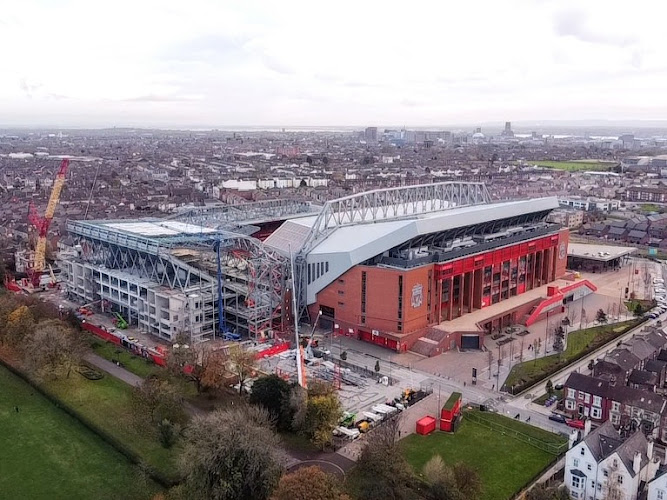
  • The Main Stand - Opened in 2016, this impressive structure increased capacity and offers modern facilities while maintaining the stadium's traditional character
  • This Is Anfield Sign - The famous sign that players touch as they head onto the pitch, symbolizing the weight of expectation and pride in wearing the red shirt
  • Hillsborough Memorial - A deeply moving tribute to the 97 Liverpool supporters who lost their lives in the 1989 tragedy, reminding visitors that football means far more than just entertainment
  • Full wheelchair accessibility throughout the venue, including designated seating areas, accessible restrooms, and parking facilities
  • Official club shop stocked with merchandise, jerseys, and souvenirs that cater to supporters of all ages
  • Multiple payment options including contactless and mobile payments for seamless transactions

Best Time to Visit

Timing your Anfield visit really depends on what kind of experience you're after. If you want the full sensory overload - the chanting, the atmosphere, the pre-match tension - then attending an actual match is non-negotiable. The Premier League season runs from August through May, with fixtures typically scheduled on weekends and occasional midweek evenings. Getting match tickets though? That's where things get tricky. Liverpool's success over recent years has made tickets incredibly scarce. Local season ticket holders fill most seats, and what's left goes to club members through a ballot system. Your best shot as a visitor involves official hospitality packages, which cost significantly more but guarantee entry. Some fans have luck with the club's official resale platform when season ticket holders can't attend specific matches. But here's the thing - even if you can't score match tickets, stadium tours offer tremendous value. I'd actually recommend visiting on non-match days during the week, particularly Tuesday through Thursday mornings when tour groups are smaller and you'll have more space to soak everything in. The guides are usually incredibly knowledgeable, often lifelong supporters who share stories you won't find in any guidebook. Summer months (June-July) see reduced tour availability due to stadium maintenance and pre-season preparations, so keep that in mind. Conversely, the period between Boxing Day and New Year brings a special energy to Liverpool as a city, with multiple fixtures packed into days and the whole place buzzing with football fever. Weather-wise, Liverpool experiences typical British conditions - mild but frequently wet. Autumn and spring can be particularly pleasant for exploring the stadium and surrounding Anfield area without the winter chill or summer tourist peaks.

How to Get There

Anfield sits roughly two miles north of Liverpool city center, making it easily accessible though not exactly walkable for most visitors. The journey itself becomes part of the experience, as you'll pass through residential neighborhoods where football isn't just a sport but a way of life. Public transport represents your most practical option. From the city center, catch the 26 or 27 bus from various stops including Lord Street or Queen Square. The journey takes about 20-30 minutes depending on traffic, and buses run frequently throughout the day. Match days see additional shuttle services, though they get absolutely packed - arriving early is wise. Taxis and ride-sharing services work perfectly fine, particularly if you're traveling as a group where splitting the fare makes sense. Just be prepared for surge pricing on match days and potentially lengthy waits afterwards when thousands of supporters are trying to leave simultaneously. Driving presents its own challenges. While parking exists - both free street parking in surrounding residential areas and paid lots closer to the stadium - spaces disappear quickly on match days. Local residents understandably get frustrated with visitors clogging their streets, so please be respectful if you park in the neighborhood. The stadium offers designated accessible parking for those who need it, but advance booking is absolutely essential. For those staying outside Liverpool, the city is well-connected by train to Manchester, London, and other major UK cities. Liverpool Lime Street station serves as the main hub, from where you can catch buses or taxis to Anfield. Many visitors combine their Anfield trip with a broader Liverpool experience. The waterfront, Beatles attractions, and excellent restaurant scene all merit exploration, making a weekend trip more worthwhile than a single-day dash.

Tips for Visiting

Book everything in advance - seriously, this can't be stressed enough. Whether you're after match tickets or stadium tour slots, showing up hoping to purchase on the day typically ends in disappointment. The official Liverpool FC website handles all bookings, and advance purchase often comes with better pricing. Dress appropriately for the weather because you'll likely be waiting outside at some point. British weather changes quickly, and being caught in a Liverpool downpour without proper gear makes for a miserable experience. Comfortable walking shoes are essential too, as you'll be on your feet extensively during tours. Allow more time than you think necessary. This applies to getting there, queuing for entry, exploring the museum, and particularly leaving after matches when exit routes become congested. Rushing through Anfield means missing details that make the experience special. The stadium tour includes walking up and down many stairs, so consider your fitness level and mobility needs beforehand. While accessibility options exist, it's worth mentioning when booking so staff can provide appropriate assistance. Photography is generally welcomed during tours but restrictions apply in certain areas and during matches. Respect posted guidelines and staff instructions - they're not trying to ruin your fun, just protecting the venue and other visitors' experiences. If you're attending a match, embrace the atmosphere but remain aware of your surroundings. Football crowds are generally friendly and welcoming, but they're also passionate and occasionally rowdy. Don't be that visitor who disrupts the flow or sits filming on their phone when everyone else is standing and singing. The museum deserves at least an hour if you're genuinely interested in the club's history. Those six European Cups don't explain themselves, and the interactive displays offer fascinating insights into tactics, training, and what separates elite footballers from the rest. Bring payment cards rather than relying solely on cash. While the official shop and facilities accept various payment methods including contactless and mobile payments, having backup options never hurts. For families with young children, baby changing facilities are available throughout the stadium. The atmosphere during matches can be intense and loud though, so consider whether very young kids will genuinely enjoy it or if a tour might suit them better. Consider combining your visit with exploring the Anfield neighborhood itself. Local pubs and cafes around the stadium offer authentic Liverpool experiences, and many have walls covered in club memorabilia and histories you won't find in official venues. Don't expect neutrality here - this is Liverpool FC's home, and everything celebrates their achievements and culture. If you support a rival club, you're welcome but probably shouldn't advertise it too prominently on match days. Finally, take time at the Hillsborough Memorial. It's easy to get caught up in the excitement and history, but remembering the tragedy that deeply affected this club and city adds important context to understanding what Anfield truly represents to those who love it.

Key Features

  • Historic Kop end and passionate match-day atmosphere
  • Liverpool FC Museum with trophies and memorabilia
  • Guided stadium tours (players’ tunnel, dressing rooms, pitch-side)
  • Modern facilities following Main Stand redevelopment
  • Iconic photo opportunities and club shop

More Details

Updated March 30, 2026

Description

Anfield stands as one of football’s most hallowed grounds, a place where history seeps through every brick and echo of the crowd. Since 1892, this legendary stadium has been the beating heart of Liverpool FC, witnessing triumphs that have shaped English and European football. For travelers drawn to sporting heritage, Anfield offers something genuinely special – it’s not just about the game itself, but about stepping into a story that’s been written over more than a century.

Walking through the gates feels different here. There’s an atmosphere that hangs in the air even on non-match days, a sense that you’re treading where legends like Kenny Dalglish, Steven Gerrard, and Mohamed Salah have created moments of pure magic. The stadium has evolved considerably from its Victorian origins, now a modern 53,000-capacity venue that somehow manages to retain that raw, emotional connection between supporters and their club.

What strikes most visitors is how Anfield functions as both a working stadium and a pilgrimage site for football fans worldwide. You’ll find supporters from Japan, Brazil, the United States, and practically every corner of the globe making their way here, many with tears in their eyes as they first glimpse the famous Kop stand. And honestly, even if you’re not a Liverpool supporter, there’s something deeply moving about experiencing a place where passion runs this deep.

Key Features

  • The Kop Stand – This single-tiered structure creates one of football’s most intimidating atmospheres, holding over 12,000 supporters who generate noise levels that visiting teams genuinely fear
  • The Shankly Gates – An ornate entrance that pays tribute to legendary manager Bill Shankly, featuring his famous quote “You’ll Never Walk Alone” and serving as a popular photo opportunity
  • Anfield Stadium Tour – Comprehensive guided experiences that take visitors through the players’ tunnel, changing rooms, press room, and pitch side areas typically off-limits during matches
  • Liverpool FC Museum – Housing an extensive collection of trophies, memorabilia, and interactive exhibits chronicling the club’s remarkable history across domestic and European competitions
  • The Main Stand – Opened in 2016, this impressive structure increased capacity and offers modern facilities while maintaining the stadium’s traditional character
  • This Is Anfield Sign – The famous sign that players touch as they head onto the pitch, symbolizing the weight of expectation and pride in wearing the red shirt
  • Hillsborough Memorial – A deeply moving tribute to the 97 Liverpool supporters who lost their lives in the 1989 tragedy, reminding visitors that football means far more than just entertainment
  • Full wheelchair accessibility throughout the venue, including designated seating areas, accessible restrooms, and parking facilities
  • Official club shop stocked with merchandise, jerseys, and souvenirs that cater to supporters of all ages
  • Multiple payment options including contactless and mobile payments for seamless transactions

Best Time to Visit

Timing your Anfield visit really depends on what kind of experience you’re after. If you want the full sensory overload – the chanting, the atmosphere, the pre-match tension – then attending an actual match is non-negotiable. The Premier League season runs from August through May, with fixtures typically scheduled on weekends and occasional midweek evenings. Getting match tickets though? That’s where things get tricky.

Liverpool’s success over recent years has made tickets incredibly scarce. Local season ticket holders fill most seats, and what’s left goes to club members through a ballot system. Your best shot as a visitor involves official hospitality packages, which cost significantly more but guarantee entry. Some fans have luck with the club’s official resale platform when season ticket holders can’t attend specific matches.

But here’s the thing – even if you can’t score match tickets, stadium tours offer tremendous value. I’d actually recommend visiting on non-match days during the week, particularly Tuesday through Thursday mornings when tour groups are smaller and you’ll have more space to soak everything in. The guides are usually incredibly knowledgeable, often lifelong supporters who share stories you won’t find in any guidebook.

Summer months (June-July) see reduced tour availability due to stadium maintenance and pre-season preparations, so keep that in mind. Conversely, the period between Boxing Day and New Year brings a special energy to Liverpool as a city, with multiple fixtures packed into days and the whole place buzzing with football fever.

Weather-wise, Liverpool experiences typical British conditions – mild but frequently wet. Autumn and spring can be particularly pleasant for exploring the stadium and surrounding Anfield area without the winter chill or summer tourist peaks.

How to Get There

Anfield sits roughly two miles north of Liverpool city center, making it easily accessible though not exactly walkable for most visitors. The journey itself becomes part of the experience, as you’ll pass through residential neighborhoods where football isn’t just a sport but a way of life.

Public transport represents your most practical option. From the city center, catch the 26 or 27 bus from various stops including Lord Street or Queen Square. The journey takes about 20-30 minutes depending on traffic, and buses run frequently throughout the day. Match days see additional shuttle services, though they get absolutely packed – arriving early is wise.

Taxis and ride-sharing services work perfectly fine, particularly if you’re traveling as a group where splitting the fare makes sense. Just be prepared for surge pricing on match days and potentially lengthy waits afterwards when thousands of supporters are trying to leave simultaneously.

Driving presents its own challenges. While parking exists – both free street parking in surrounding residential areas and paid lots closer to the stadium – spaces disappear quickly on match days. Local residents understandably get frustrated with visitors clogging their streets, so please be respectful if you park in the neighborhood. The stadium offers designated accessible parking for those who need it, but advance booking is absolutely essential.

For those staying outside Liverpool, the city is well-connected by train to Manchester, London, and other major UK cities. Liverpool Lime Street station serves as the main hub, from where you can catch buses or taxis to Anfield.

Many visitors combine their Anfield trip with a broader Liverpool experience. The waterfront, Beatles attractions, and excellent restaurant scene all merit exploration, making a weekend trip more worthwhile than a single-day dash.

Tips for Visiting

Book everything in advance – seriously, this can’t be stressed enough. Whether you’re after match tickets or stadium tour slots, showing up hoping to purchase on the day typically ends in disappointment. The official Liverpool FC website handles all bookings, and advance purchase often comes with better pricing.

Dress appropriately for the weather because you’ll likely be waiting outside at some point. British weather changes quickly, and being caught in a Liverpool downpour without proper gear makes for a miserable experience. Comfortable walking shoes are essential too, as you’ll be on your feet extensively during tours.

Allow more time than you think necessary. This applies to getting there, queuing for entry, exploring the museum, and particularly leaving after matches when exit routes become congested. Rushing through Anfield means missing details that make the experience special.

The stadium tour includes walking up and down many stairs, so consider your fitness level and mobility needs beforehand. While accessibility options exist, it’s worth mentioning when booking so staff can provide appropriate assistance.

Photography is generally welcomed during tours but restrictions apply in certain areas and during matches. Respect posted guidelines and staff instructions – they’re not trying to ruin your fun, just protecting the venue and other visitors’ experiences.

If you’re attending a match, embrace the atmosphere but remain aware of your surroundings. Football crowds are generally friendly and welcoming, but they’re also passionate and occasionally rowdy. Don’t be that visitor who disrupts the flow or sits filming on their phone when everyone else is standing and singing.

The museum deserves at least an hour if you’re genuinely interested in the club’s history. Those six European Cups don’t explain themselves, and the interactive displays offer fascinating insights into tactics, training, and what separates elite footballers from the rest.

Bring payment cards rather than relying solely on cash. While the official shop and facilities accept various payment methods including contactless and mobile payments, having backup options never hurts.

For families with young children, baby changing facilities are available throughout the stadium. The atmosphere during matches can be intense and loud though, so consider whether very young kids will genuinely enjoy it or if a tour might suit them better.

Consider combining your visit with exploring the Anfield neighborhood itself. Local pubs and cafes around the stadium offer authentic Liverpool experiences, and many have walls covered in club memorabilia and histories you won’t find in official venues.

Don’t expect neutrality here – this is Liverpool FC’s home, and everything celebrates their achievements and culture. If you support a rival club, you’re welcome but probably shouldn’t advertise it too prominently on match days.

Finally, take time at the Hillsborough Memorial. It’s easy to get caught up in the excitement and history, but remembering the tragedy that deeply affected this club and city adds important context to understanding what Anfield truly represents to those who love it.

Key Highlights

  • Historic Kop end and passionate match-day atmosphere
  • Liverpool FC Museum with trophies and memorabilia
  • Guided stadium tours (players’ tunnel, dressing rooms, pitch-side)
  • Modern facilities following Main Stand redevelopment
  • Iconic photo opportunities and club shop

Location

Places to Stay Near Anfield

Find and Book a Tour

Explore More Travel Guides

No reviews found! Be the first to review!

Anfield is a prominent attractions located in Liverpool.

Visit us at: Anfield Rd, Anfield, Liverpool L4 0TH, Regno Unito.

Traveler Reviews for Anfield

There are no reviews yet. Be the first one to write one.

Share Your Experience

Have you visited Anfield? Help other travelers by sharing your review.

Nearby Attractions

Anfield Stadium Shop and Beatles-related Liverpool city centre (short transit away) Stanley Park (adjacent green space linking Anfield and Goodison Park) Liverpool city centre museums and waterfront (Albert Dock, Tate Liverpool)

Find Accommodations Nearby

Recommended Tours & Activities

Visitor Reviews

There are no reviews yet. Be the first one to write one.

Share Your Experience

Have you visited Anfield? Help other travelers by leaving a review.