About ancient Aabchand Caves

Description

The ancient Aabchand Caves in Madhya Pradesh are one of those places that quietly take your breath away—not with grandeur or luxury, but with the sheer weight of time. Tucked away amid the Vindhyanchal mountain range, these caves whisper stories from thousands of years ago. The walls are alive with prehistoric rock paintings—hunting scenes, dancing figures, wild animals like bison and tigers—all drawn by hands that existed long before recorded history. It’s humbling, really, to stand there and realize you’re looking at humanity’s earliest attempts to express itself.

When I first heard about Aabchand, I honestly didn’t expect much. I thought it’d be another “old cave with some faded drawings.” But standing there, with the faint smell of damp earth and the echo of your footsteps bouncing off ancient stone, you get this strange sense of connection. The paintings are surprisingly vivid in places, and the atmosphere feels almost sacred. It’s not a polished tourist spot (thankfully), which means you get to experience it raw and real—just as it’s been for centuries.

The caves are part of a reserve forest area, so you’re surrounded by greenery and the occasional rustle of monkeys or birds. It’s peaceful, but not in an empty way—more like the calm that comes from knowing you’re standing in a place that has seen everything come and go. The site isn’t huge, but it feels like stepping into a time capsule. You can almost picture ancient humans gathering here, painting their hunts, celebrating victories, or maybe just passing time the way we scroll through our phones today.

Key Features

  • Prehistoric Rock Paintings: The walls of the caves are adorned with more than a dozen ancient artworks depicting scenes of hunting, dancing, and daily life. You’ll spot figures holding bows, spears, and even primitive tools.
  • Archaeological Significance: Considered one of the earliest examples of human creativity in the region, the Aabchand Caves offer valuable insight into the prehistoric era of Central India.
  • Natural Surroundings: Located within the Abchand Reserve Forest, the caves are surrounded by lush vegetation, making it a serene escape for nature lovers.
  • Accessibility: Despite being off the main tourist circuit, the caves are reachable via a short detour from the Sagar–Damoh State Highway, which adds a sense of adventure to the trip.
  • Photographic Appeal: The interplay of light and shadow inside the caves makes for stunning photographs, especially during early morning or late afternoon.
  • Peaceful Atmosphere: Unlike crowded heritage sites, Aabchand offers a quiet, reflective experience away from the noise of city life.

Now, I’ll be honest—it’s not a place where you’ll find fancy facilities or snack stalls. You’ll need to bring your own water and maybe a sandwich or two. But that’s part of its charm. You come here not for comfort, but for perspective. And if you’re into photography or history, you’ll find yourself completely absorbed.

Best Time to Visit

Timing matters a lot when visiting the Aabchand Caves. The best months are between October and February. The weather is cooler, the forest looks fresh and green after the monsoon, and you can explore without breaking into a sweat every five minutes. I once visited in late December, and the early morning mist gave the caves this almost mystical vibe—it’s hard to describe, but it felt like walking through a painting.

Avoid the peak summer months (April to June) unless you’re okay with the heat. The caves can get stuffy, and the trek through the forest feels twice as long. Monsoon season, though beautiful, can make the paths slippery and tricky to navigate. So, winter and early spring are your best bets. If you’re into birdwatching, you’ll love this time of year; the forest comes alive with calls and colors.

How to Get There

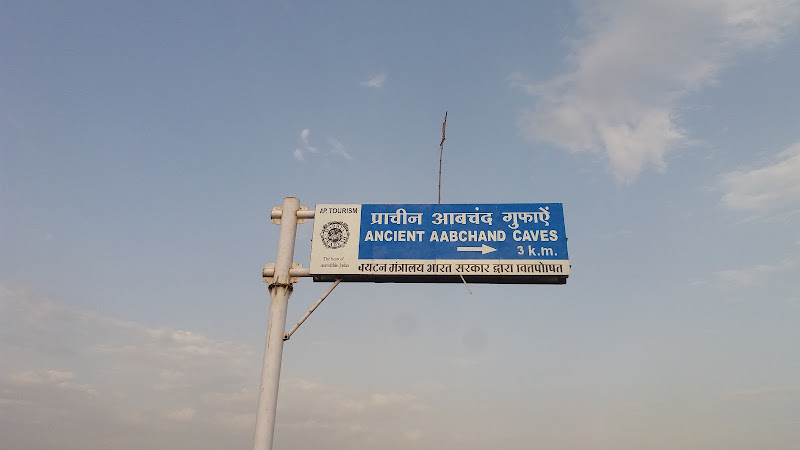
Getting to Aabchand Caves is part of the adventure. The caves lie about 30 kilometers from Sagar in Madhya Pradesh, along the Sagar–Damoh State Highway. You can easily hire a cab or drive down if you have your own vehicle. The last stretch is a bit rugged—more of a dirt path than a road—but that’s what makes it fun. It’s like the road is testing your determination before revealing its secret.

If you’re coming from Bhopal or Jabalpur, you can take a train or bus to Sagar and then a local taxi from there. I’d recommend starting early in the day, especially if you plan to head back the same evening. There aren’t too many signboards, so having a local guide or GPS pinned location helps. And yes, make sure your phone is charged—signal can be patchy once you enter the reserve area.

For the more adventurous souls, biking to the caves is an incredible experience. The winding roads, forest canopy, and occasional glimpses of wildlife make the ride unforgettable. Just be prepared for a few bumps along the way—both literal and figurative.

Tips for Visiting

A few things I learned the hard way (so you don’t have to):

  • Carry Essentials: There are no shops nearby, so pack water, snacks, sunscreen, and maybe a hat. It gets sunny even in winter.
  • Wear Good Shoes: The ground can be uneven, especially near the cave entrances. Sneakers or trekking shoes are your best friends here.
  • Respect the Site: The paintings are ancient—some possibly over 10,000 years old. Avoid touching the walls or using flash photography. It might not seem like a big deal, but every little bit of care helps preserve them.
  • Go Early: Morning light brings out the best details in the rock art, and you’ll likely have the place all to yourself.
  • Hire a Local Guide: They often know stories and legends that you won’t find online. Plus, it’s a great way to support the local community.
  • Stay Safe: Since it’s a forested area, watch your step and keep an eye out for insects or small animals. Nothing dangerous, but it’s always good to be cautious.

And here’s a little personal tip—take a moment to just sit quietly inside one of the caves. Don’t rush to click photos right away. Let your eyes adjust to the dim light, listen to the sounds around you, and think about the people who once stood where you’re sitting. There’s something deeply grounding about that experience. It reminds you how small we are in the grand timeline of things, yet how much we’ve always wanted to leave our mark.

If you’re planning a trip through Madhya Pradesh and looking for something offbeat, the Aabchand Caves are worth the detour. They’re not commercialized, not crowded, and not “Instagram-perfect” in the usual sense—but they’re real. And that’s what makes them special. You walk away with dusty shoes, a full heart, and a story that feels like it belongs to you now too.

Key Features

  • Key Features
  • Best Time to Visit
  • How to Get There
  • Tips for Visiting

More Details

Updated December 1, 2025


Description

The ancient Aabchand Caves in Madhya Pradesh are one of those places that quietly take your breath away—not with grandeur or luxury, but with the sheer weight of time. Tucked away amid the Vindhyanchal mountain range, these caves whisper stories from thousands of years ago. The walls are alive with prehistoric rock paintings—hunting scenes, dancing figures, wild animals like bison and tigers—all drawn by hands that existed long before recorded history. It’s humbling, really, to stand there and realize you’re looking at humanity’s earliest attempts to express itself.

When I first heard about Aabchand, I honestly didn’t expect much. I thought it’d be another “old cave with some faded drawings.” But standing there, with the faint smell of damp earth and the echo of your footsteps bouncing off ancient stone, you get this strange sense of connection. The paintings are surprisingly vivid in places, and the atmosphere feels almost sacred. It’s not a polished tourist spot (thankfully), which means you get to experience it raw and real—just as it’s been for centuries.

The caves are part of a reserve forest area, so you’re surrounded by greenery and the occasional rustle of monkeys or birds. It’s peaceful, but not in an empty way—more like the calm that comes from knowing you’re standing in a place that has seen everything come and go. The site isn’t huge, but it feels like stepping into a time capsule. You can almost picture ancient humans gathering here, painting their hunts, celebrating victories, or maybe just passing time the way we scroll through our phones today.

Key Features

  • Prehistoric Rock Paintings: The walls of the caves are adorned with more than a dozen ancient artworks depicting scenes of hunting, dancing, and daily life. You’ll spot figures holding bows, spears, and even primitive tools.
  • Archaeological Significance: Considered one of the earliest examples of human creativity in the region, the Aabchand Caves offer valuable insight into the prehistoric era of Central India.
  • Natural Surroundings: Located within the Abchand Reserve Forest, the caves are surrounded by lush vegetation, making it a serene escape for nature lovers.
  • Accessibility: Despite being off the main tourist circuit, the caves are reachable via a short detour from the Sagar–Damoh State Highway, which adds a sense of adventure to the trip.
  • Photographic Appeal: The interplay of light and shadow inside the caves makes for stunning photographs, especially during early morning or late afternoon.
  • Peaceful Atmosphere: Unlike crowded heritage sites, Aabchand offers a quiet, reflective experience away from the noise of city life.

Now, I’ll be honest—it’s not a place where you’ll find fancy facilities or snack stalls. You’ll need to bring your own water and maybe a sandwich or two. But that’s part of its charm. You come here not for comfort, but for perspective. And if you’re into photography or history, you’ll find yourself completely absorbed.

Best Time to Visit

Timing matters a lot when visiting the Aabchand Caves. The best months are between October and February. The weather is cooler, the forest looks fresh and green after the monsoon, and you can explore without breaking into a sweat every five minutes. I once visited in late December, and the early morning mist gave the caves this almost mystical vibe—it’s hard to describe, but it felt like walking through a painting.

Avoid the peak summer months (April to June) unless you’re okay with the heat. The caves can get stuffy, and the trek through the forest feels twice as long. Monsoon season, though beautiful, can make the paths slippery and tricky to navigate. So, winter and early spring are your best bets. If you’re into birdwatching, you’ll love this time of year; the forest comes alive with calls and colors.

How to Get There

Getting to Aabchand Caves is part of the adventure. The caves lie about 30 kilometers from Sagar in Madhya Pradesh, along the Sagar–Damoh State Highway. You can easily hire a cab or drive down if you have your own vehicle. The last stretch is a bit rugged—more of a dirt path than a road—but that’s what makes it fun. It’s like the road is testing your determination before revealing its secret.

If you’re coming from Bhopal or Jabalpur, you can take a train or bus to Sagar and then a local taxi from there. I’d recommend starting early in the day, especially if you plan to head back the same evening. There aren’t too many signboards, so having a local guide or GPS pinned location helps. And yes, make sure your phone is charged—signal can be patchy once you enter the reserve area.

For the more adventurous souls, biking to the caves is an incredible experience. The winding roads, forest canopy, and occasional glimpses of wildlife make the ride unforgettable. Just be prepared for a few bumps along the way—both literal and figurative.

Tips for Visiting

A few things I learned the hard way (so you don’t have to):

  • Carry Essentials: There are no shops nearby, so pack water, snacks, sunscreen, and maybe a hat. It gets sunny even in winter.
  • Wear Good Shoes: The ground can be uneven, especially near the cave entrances. Sneakers or trekking shoes are your best friends here.
  • Respect the Site: The paintings are ancient—some possibly over 10,000 years old. Avoid touching the walls or using flash photography. It might not seem like a big deal, but every little bit of care helps preserve them.
  • Go Early: Morning light brings out the best details in the rock art, and you’ll likely have the place all to yourself.
  • Hire a Local Guide: They often know stories and legends that you won’t find online. Plus, it’s a great way to support the local community.
  • Stay Safe: Since it’s a forested area, watch your step and keep an eye out for insects or small animals. Nothing dangerous, but it’s always good to be cautious.

And here’s a little personal tip—take a moment to just sit quietly inside one of the caves. Don’t rush to click photos right away. Let your eyes adjust to the dim light, listen to the sounds around you, and think about the people who once stood where you’re sitting. There’s something deeply grounding about that experience. It reminds you how small we are in the grand timeline of things, yet how much we’ve always wanted to leave our mark.

If you’re planning a trip through Madhya Pradesh and looking for something offbeat, the Aabchand Caves are worth the detour. They’re not commercialized, not crowded, and not “Instagram-perfect” in the usual sense—but they’re real. And that’s what makes them special. You walk away with dusty shoes, a full heart, and a story that feels like it belongs to you now too.

Key Highlights

  • Key Features
  • Best Time to Visit
  • How to Get There
  • Tips for Visiting

Location

Places to Stay Near ancient Aabchand Caves

Find and Book a Tour

Explore More Travel Guides

No reviews found! Be the first to review!

Traveler Reviews for ancient Aabchand Caves

There are no reviews yet. Be the first one to write one.

Share Your Experience

Have you visited ancient Aabchand Caves? Help other travelers by sharing your review.

Find Accommodations Nearby

Recommended Tours & Activities

Visitor Reviews

There are no reviews yet. Be the first one to write one.

Share Your Experience

Have you visited ancient Aabchand Caves? Help other travelers by leaving a review.