
Alpenzoo Innsbruck – Tirol
About Alpenzoo Innsbruck – Tirol
Key Features
More Details
Updated June 11, 2025
## Alpenzoo Innsbruck – Tirol: a practical, in-depth guide to Europe’s alpine wildlife zoo
Alpenzoo isn’t a “big five” safari. It’s something rarer: a living field guide to the Alps—built on a steep forested slope above Innsbruck at roughly 750 m elevation, with enclosures, terrariums, and Austria’s largest freshwater aquariums dedicated to species actually found in the alpine region. Expect context, conservation, and many animals you’ve heard of (ibex, lynx, brown bear) plus others you probably haven’t (old farm breeds, rare alpine fish). Innsbruck
### Snapshot: what Alpenzoo really offers
– Scope & scale. About 2,000 individual animals across ~150 species on ~5 hectares (zoo area in use), with an emphasis on native alpine fauna rather than global crowd-pleasers. Innsbruck
– Europe’s alpine specialist. The zoo presents one of the most complete collections of Alpine wildlife anywhere, from mammals and birds to reptiles, amphibians, and nearly all Alpine fish species—a niche few zoos try to cover. Innsbruck
– Aquarium you shouldn’t skip. With 17 tanks that recreate habitats from cold mountain streams to Danube systems, the freshwater section is a top highlight for conservation-minded visitors.
—
## Planning your visit (hours, seasonality, crowd flow)
Open year-round. As a rule of thumb, the zoo runs 9:00–18:00 in summer and 9:00–17:00 in winter (including Sundays and public holidays). Hours shift with the seasonal time change. Always recheck the official page before you go. Why? Hours and ticket categories can change; treat any third-party listing as secondary. Innsbruck
When animals are most active. You’ll see fewer reptiles, amphibians, and marmots in winter (they sleep through the cold), but most other species remain visible. If you’re keen on newborns, April–June is peak for young animals (ibex, chamois, roe deer). Innsbruck
How long to budget. Two to three hours is realistic if you cover most paths and the aquarium at a comfortable pace. Add time if you linger at the bear/lynx areas or photograph city panoramas from the upper paths. (Multiple sources and the terrain suggest this is a reasonable expectation.)
> Outdated-data flag: Ticket prices and bundle deals (e.g., with the Hungerburgbahn) change periodically. Verify current categories and any discounts (e.g., Innsbruck Card) on the official ticket page before purchase. Innsbruck
—
## Getting there without a car (and why the funicular matters)
The most efficient route from Innsbruck center is the Hungerburgbahn funicular from Congress station; ride up to “Alpenzoo” station, which drops you a short walk from the entrance. Trains typically run at ~15-minute intervals in the day. This eliminates parking stress and is the smoothest access on busy days.
City bus feeders. If you’re starting at Hauptbahnhof, you can reach Congress station via Bus H, Bus M, or the TS tourist line, then change to the funicular. Tickets
Driving? Limited parking exists near the zoo, but between the one-way hillside roads and weekend demand, the funicular is usually faster and more predictable. (Use the funicular especially if traveling with strollers or during school holidays.)
—
## Accessibility & inclusivity: what to know before you go
Alpenzoo’s paths are paved but steep in places—the site is literally a mountainside garden—and most exhibits near the entrance are more accessible. The venue states wheelchair and stroller accessibility, but expect gradients and plan breaks. If mobility is a concern, consider focusing your time on the aquarium/terrarium complex and nearby enclosures first.
– Assistance dogs are admitted with registration, ID, and proper identification at the ticket office. All other dogs/pets are not allowed—this is strictly enforced for animal welfare. Innsbruck
– The zoo offers guided experiences for visitors with disabilities/special needs (advance arrangement recommended). Innsbruck
> Inclusive tip: If steep slopes are a barrier, ride the Hungerburgbahn to the Alpenzoo stop to start closer to mid-elevation and work in shorter out-and-back segments around the areas you care about most rather than forcing a full loop. Then reposition by funicular or bus for your next activity.
—
## What to see: don’t miss these five areas
1) Ibex, chamois, and marmots
The classic alpine trio. Exhibits emphasize natural behaviors (browsing, climbing, basking), and late spring into summer offers the best chance to see young kids and calves. Innsbruck
2) Predators: lynx, wolf, brown bear
Patience pays off. Arrive near opening or toward late afternoon when heat and foot traffic are lower; you’ll catch more movement and fewer reflective glare issues for photos. Species coverage is part of the zoo’s alpine remit rather than a “trophy list.” Innsbruck
3) Freshwater aquarium (17 tanks)
This is where Alpenzoo’s specialization shines: rare Alpine fish in recreated river-to-lake systems, including Danube habitats. Read the panels—breeding notes explain why some tanks look sparse: conservation over spectacle.
4) Old farm breeds & the petting area
Heritage breeds connect alpine ecology to traditional agriculture; the farm area allows careful petting/feeding at set times—useful for families and for understanding human–wildlife interdependence in the Alps. Innsbruck
5) Lookouts & playgrounds
Above the bear zone you’ll find city viewpoints and structured play areas (including a toddler zone). If you’re visiting with kids, allocate buffer time here; it breaks up the climbs.
—
## Practical tactics that improve your day
– Sequence smartly. Start with the aquarium/terrariums (indoors, interpretive), step out to ibex/lynx, then loop back via viewpoints. This alternates shade and exertion on warm days and keeps energy in the tank for the steepest segments. (The gradient is real.)
– Photo conditions. Morning light is kinder on the east-facing slopes; glass glare is lowest right after opening or when overcast.
– Time your animal activity. Cooler hours correlate with more visible movement, especially for predators and otters. (The zoo doesn’t publish a universal feeding schedule; watch keeper boards on site.)
– Combine with Nordkette. After the zoo, continue on the Hungerburgbahn to Hungerburg for cafes and broad views, or connect onward toward the Nordkette cable cars if you’re building a full day.
– Footwear & strollers. Compact wheels work, but brakes help on descents. Traction soles are sensible in rain or winter.
– Food & breaks. There’s a bistro at the zoo and a cafe/restaurant nearby; still, pack water—there are stretches without shade in summer. (Dining options noted across official/summary sources; offerings may vary by season.)
—
## Ethics & conservation: what Alpenzoo contributes
Alpenzoo was founded in 1962 (Hans Psenner) with a clear brief: present Alpine fauna and support breeding and reintroduction of threatened species such as bearded vulture, Alpine ibex, and northern bald ibis. The Alpine fish breeding work is internationally recognized and often invisible to casual visitors—yet it’s among the most impactful conservation programs in the region.
The institution operates as a non-profit association supported mainly by entrance fees, with additional backing from the City of Innsbruck and the State of Tyrol, plus sponsors and adopters. If you want your visit to matter more, ask about animal sponsorships or donor programs at the entrance or via the official website.
—
## Need-to-know rules (to avoid awkward surprises)
– No dogs/pets. Assistance dogs are the exception with ID and registration at the ticket office. This is a strict welfare policy. Innsbruck
– Strollers & wheelchairs welcomed but plan for steep segments. If gradients are a concern, prioritize the lower/mid sections and aquarium first.
– Verify hours & tickets on the official site for the day you visit; winter/shoulder seasons can vary, and bundle tickets change. Innsbruck
—
## At-a-glance: key facts (verified)
– Address: Weiherburggasse 37a, 6020 Innsbruck, Austria. Innsbruck
– Altitude: ~750 m above sea level. Innsbruck
– Animals & species: ~2,000 individuals / ~150 species; strongest coverage in Alpine mammals, birds, reptiles, amphibians, and fish. Innsbruck
– Access: Hungerburgbahn to Alpenzoo station; ~15-minute headways are typical.
– Open year-round; 9:00–18:00 (summer), 9:00–17:00 (winter). Check the official page before you go. Innsbruck
—
### Final word
If your idea of a “zoo day” is ticking off far-flung species, Alpenzoo will recalibrate your perspective. By anchoring the experience to ecosystems you can see from the paths and overlooks, it delivers uncommon clarity: this is what alpine biodiversity looks like, why it’s fragile, and how targeted breeding and habitat education can help. Pair it with the Hungerburgbahn ride and you’ve got a half-day that’s family-friendly, conservation-forward, and distinctly Tyrolean—without overpromising spectacle.
> Data integrity note (2025-11-01): Hours, ticket categories, and combo deals are most stable on the official Alpenzoo pages and may change after publication; always reconfirm there, and check the FAQ for current guidance on assistance dogs and accessibility. Innsbruck
Table of Contents
Key Highlights
Alpenzoo Innsbruck – Tirol
Location
Places to Stay Near Alpenzoo Innsbruck - Tirol"Even for adults it's a super fun thing to do."
Find and Book a Tour
Explore More Travel Guides
No reviews found! Be the first to review!
Traveler Reviews for Alpenzoo Innsbruck – Tirol
There are no reviews yet. Be the first one to write one.
Have you visited Alpenzoo Innsbruck – Tirol? Help other travelers by sharing your review.
You Might Also Like
Hofburg Innsbruck
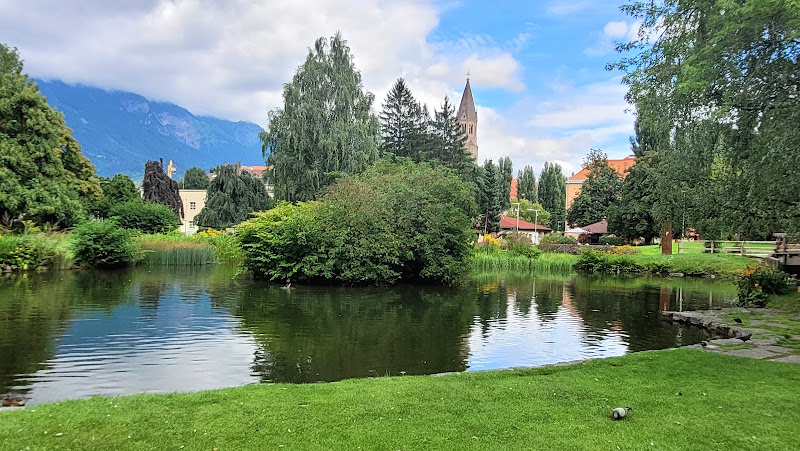
Rapoldipark
Hofkirche Innsbruck
Find Accommodations Nearby
Recommended Tours & Activities
Visitor Reviews
There are no reviews yet. Be the first one to write one.
Share Your Experience
Have you visited Alpenzoo Innsbruck – Tirol? Help other travelers by leaving a review.