
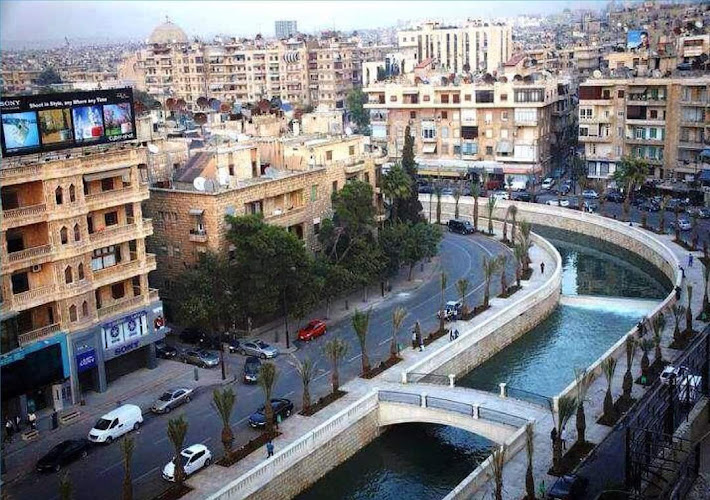
Aleppo
About Aleppo
Description
Aleppo, one of the world’s oldest continuously inhabited cities, carries the weight of history in every stone, every alley, every whispered story that floats through its ancient souks. Located in northern Syria, this city has seen empires rise and fall—Hittites, Greeks, Romans, Byzantines, Ottomans—you name it, they’ve all left their mark. Walking through Aleppo feels like stepping into a living museum, though one that’s endured more than its fair share of hardship. I remember the first time I saw the Citadel from a distance; it looked like something out of a dream, perched proudly above the city, as if guarding centuries of human stories.
Despite the scars of recent conflicts, Aleppo’s spirit remains remarkably unbroken. The locals, known for their warmth and resilience, continue to rebuild their homes, markets, and lives with quiet determination. There’s a certain humility here, a sense that the city has seen everything and still stands tall. For travelers, Aleppo offers a raw, authentic experience—a place where history isn’t tucked behind glass but lives in the everyday rhythm of the streets. And if you’re the kind of traveler who loves peeling back layers of culture, this city will reward your curiosity a hundred times over.
Key Features
- The Citadel of Aleppo: A monumental fortress that dates back to at least the 3rd millennium BC. The view from the top is breathtaking, especially at sunset when the city glows in warm, golden tones.
- Al-Madina Souq: Once one of the largest covered markets in the world, this labyrinth of narrow lanes still buzzes with life. You’ll find spices, textiles, soaps, and the occasional friendly debate over the best kind of olive oil.
- Great Mosque of Aleppo: A UNESCO World Heritage Site, the mosque stands as a symbol of the city’s deep Islamic heritage. Its minaret, though damaged, is a poignant reminder of both loss and endurance.
- Traditional Cuisine: Aleppo is famous for its food—rich, aromatic, and layered with flavor. Dishes like kibbeh, muhammara, and Aleppine kebabs are worth every calorie (and then some).
- Cultural Mix: The city’s long history of trade brought together Arabs, Armenians, Kurds, and others, creating a unique cultural mosaic that’s still visible in its architecture and traditions.
- Historic Architecture: From Ottoman-era houses to medieval khans (caravanserais), Aleppo’s buildings tell stories of wealth, craftsmanship, and survival.
Best Time to Visit
If you’re planning a trip to Aleppo, timing matters. Summers can be quite hot—think 35°C or more—so unless you enjoy baking under the sun, it’s best to aim for spring (March to May) or autumn (September to November). The weather during these months is pleasantly mild, perfect for wandering through historical sites without melting into your shoes. I visited in late October once, and it was just right—cool evenings, warm days, and that kind of golden light photographers dream about.
Winter can be chilly, especially at night, but there’s something special about sipping hot tea in a centuries-old courtyard while the air smells faintly of spices and wood smoke. In short: avoid the extremes, and you’ll see Aleppo at its most comfortable and welcoming.
How to Get There
Getting to Aleppo has become easier in recent years as transportation infrastructure improves and regional stability returns. Most international travelers arrive in Syria via Damascus International Airport and then take a domestic flight or a long-distance bus to Aleppo. The journey by road takes around six hours, depending on traffic and checkpoints. It’s not a quick trip, but the changing landscapes—from arid plains to olive groves—make it surprisingly scenic.
If you’re already in the region, Aleppo is accessible from nearby cities like Gaziantep in Turkey, though border crossings can vary in availability. It’s always wise to check the latest travel advisories and local guidance before setting out. Once in Aleppo, taxis and shared minibuses are the main ways to get around, though walking through the old city is an experience in itself—just wear comfortable shoes because the cobblestones have a way of testing your balance.
Tips for Visiting
Visiting Aleppo isn’t your typical tourist experience—it’s deeper, more emotional, and yes, sometimes challenging. But that’s what makes it unforgettable. Here are a few things I’ve learned from my own time there:
- Respect the locals and their resilience. People here have endured a lot, yet they’re incredibly welcoming. A smile and a few words of Arabic—like “shukran” (thank you)—go a long way.
- Hire a local guide. Not only will they help you navigate the maze-like streets, but they’ll also share stories you won’t find in any guidebook. My guide, Ahmad, told me about how his family rebuilt their home brick by brick—it’s those personal stories that stay with you.
- Try the food, all of it. Aleppine cuisine is legendary for a reason. Don’t skip the street food stalls; they’re often the best places to sample authentic flavors. I still dream about a bowl of lentil soup I had near the Citadel—it was simple, but perfect.
- Be mindful of photography. Always ask before taking pictures, especially of people or sensitive areas. Some places still bear visible traces of conflict, and it’s important to approach these respectfully.
- Bring cash. Credit cards aren’t widely accepted, and ATMs can be unreliable. US dollars or euros are often easier to exchange than other currencies.
- Stay flexible. Things can change quickly—opening hours, routes, even local events. Embrace the unpredictability; it’s part of the adventure.
- Learn the history before you go. Understanding what Aleppo has been through will deepen your appreciation for what you see. Knowing that the Citadel has stood for thousands of years, surviving earthquakes and wars, gives you a sense of perspective that’s hard to put into words.
One piece of advice I always give travelers: let go of expectations. Aleppo isn’t polished or picture-perfect, but that’s exactly why it’s so powerful. You’ll find beauty in the details—the smell of fresh bread from a bakery that’s been around for generations, the laughter of kids playing soccer in a courtyard that’s older than most countries, the quiet dignity of people rebuilding their lives.
And yes, safety is a fair concern. While the situation has improved significantly, it’s still wise to stay updated on current conditions and travel with a reputable tour operator if possible. Locals are usually happy to help visitors navigate safely, and you’ll find that hospitality runs deep here—it’s not just a custom, it’s a way of life.
To sum it up, Aleppo isn’t just a destination—it’s an experience that sticks with you long after you leave. It’s a city that teaches you about endurance, about beauty in imperfection, and about the strength of human spirit. For travelers seeking authenticity, history, and connection, Aleppo is a place that quietly steals your heart—and doesn’t give it back easily.
Key Features
- Key Features
- Best Time to Visit
- How to Get There
- Tips for Visiting
More Details
Updated October 11, 2025
Table of Contents
Description
Aleppo, one of the world’s oldest continuously inhabited cities, carries the weight of history in every stone, every alley, every whispered story that floats through its ancient souks. Located in northern Syria, this city has seen empires rise and fall—Hittites, Greeks, Romans, Byzantines, Ottomans—you name it, they’ve all left their mark. Walking through Aleppo feels like stepping into a living museum, though one that’s endured more than its fair share of hardship. I remember the first time I saw the Citadel from a distance; it looked like something out of a dream, perched proudly above the city, as if guarding centuries of human stories.
Despite the scars of recent conflicts, Aleppo’s spirit remains remarkably unbroken. The locals, known for their warmth and resilience, continue to rebuild their homes, markets, and lives with quiet determination. There’s a certain humility here, a sense that the city has seen everything and still stands tall. For travelers, Aleppo offers a raw, authentic experience—a place where history isn’t tucked behind glass but lives in the everyday rhythm of the streets. And if you’re the kind of traveler who loves peeling back layers of culture, this city will reward your curiosity a hundred times over.
Key Features
- The Citadel of Aleppo: A monumental fortress that dates back to at least the 3rd millennium BC. The view from the top is breathtaking, especially at sunset when the city glows in warm, golden tones.
- Al-Madina Souq: Once one of the largest covered markets in the world, this labyrinth of narrow lanes still buzzes with life. You’ll find spices, textiles, soaps, and the occasional friendly debate over the best kind of olive oil.
- Great Mosque of Aleppo: A UNESCO World Heritage Site, the mosque stands as a symbol of the city’s deep Islamic heritage. Its minaret, though damaged, is a poignant reminder of both loss and endurance.
- Traditional Cuisine: Aleppo is famous for its food—rich, aromatic, and layered with flavor. Dishes like kibbeh, muhammara, and Aleppine kebabs are worth every calorie (and then some).
- Cultural Mix: The city’s long history of trade brought together Arabs, Armenians, Kurds, and others, creating a unique cultural mosaic that’s still visible in its architecture and traditions.
- Historic Architecture: From Ottoman-era houses to medieval khans (caravanserais), Aleppo’s buildings tell stories of wealth, craftsmanship, and survival.
Best Time to Visit
If you’re planning a trip to Aleppo, timing matters. Summers can be quite hot—think 35°C or more—so unless you enjoy baking under the sun, it’s best to aim for spring (March to May) or autumn (September to November). The weather during these months is pleasantly mild, perfect for wandering through historical sites without melting into your shoes. I visited in late October once, and it was just right—cool evenings, warm days, and that kind of golden light photographers dream about.
Winter can be chilly, especially at night, but there’s something special about sipping hot tea in a centuries-old courtyard while the air smells faintly of spices and wood smoke. In short: avoid the extremes, and you’ll see Aleppo at its most comfortable and welcoming.
How to Get There
Getting to Aleppo has become easier in recent years as transportation infrastructure improves and regional stability returns. Most international travelers arrive in Syria via Damascus International Airport and then take a domestic flight or a long-distance bus to Aleppo. The journey by road takes around six hours, depending on traffic and checkpoints. It’s not a quick trip, but the changing landscapes—from arid plains to olive groves—make it surprisingly scenic.
If you’re already in the region, Aleppo is accessible from nearby cities like Gaziantep in Turkey, though border crossings can vary in availability. It’s always wise to check the latest travel advisories and local guidance before setting out. Once in Aleppo, taxis and shared minibuses are the main ways to get around, though walking through the old city is an experience in itself—just wear comfortable shoes because the cobblestones have a way of testing your balance.
Tips for Visiting
Visiting Aleppo isn’t your typical tourist experience—it’s deeper, more emotional, and yes, sometimes challenging. But that’s what makes it unforgettable. Here are a few things I’ve learned from my own time there:
- Respect the locals and their resilience. People here have endured a lot, yet they’re incredibly welcoming. A smile and a few words of Arabic—like “shukran” (thank you)—go a long way.
- Hire a local guide. Not only will they help you navigate the maze-like streets, but they’ll also share stories you won’t find in any guidebook. My guide, Ahmad, told me about how his family rebuilt their home brick by brick—it’s those personal stories that stay with you.
- Try the food, all of it. Aleppine cuisine is legendary for a reason. Don’t skip the street food stalls; they’re often the best places to sample authentic flavors. I still dream about a bowl of lentil soup I had near the Citadel—it was simple, but perfect.
- Be mindful of photography. Always ask before taking pictures, especially of people or sensitive areas. Some places still bear visible traces of conflict, and it’s important to approach these respectfully.
- Bring cash. Credit cards aren’t widely accepted, and ATMs can be unreliable. US dollars or euros are often easier to exchange than other currencies.
- Stay flexible. Things can change quickly—opening hours, routes, even local events. Embrace the unpredictability; it’s part of the adventure.
- Learn the history before you go. Understanding what Aleppo has been through will deepen your appreciation for what you see. Knowing that the Citadel has stood for thousands of years, surviving earthquakes and wars, gives you a sense of perspective that’s hard to put into words.
One piece of advice I always give travelers: let go of expectations. Aleppo isn’t polished or picture-perfect, but that’s exactly why it’s so powerful. You’ll find beauty in the details—the smell of fresh bread from a bakery that’s been around for generations, the laughter of kids playing soccer in a courtyard that’s older than most countries, the quiet dignity of people rebuilding their lives.
And yes, safety is a fair concern. While the situation has improved significantly, it’s still wise to stay updated on current conditions and travel with a reputable tour operator if possible. Locals are usually happy to help visitors navigate safely, and you’ll find that hospitality runs deep here—it’s not just a custom, it’s a way of life.
To sum it up, Aleppo isn’t just a destination—it’s an experience that sticks with you long after you leave. It’s a city that teaches you about endurance, about beauty in imperfection, and about the strength of human spirit. For travelers seeking authenticity, history, and connection, Aleppo is a place that quietly steals your heart—and doesn’t give it back easily.
Key Highlights
- Key Features
- Best Time to Visit
- How to Get There
- Tips for Visiting
Location
Places to Stay Near Aleppo
Find and Book a Tour
Explore More Travel Guides
No reviews found! Be the first to review!
Traveler Reviews for Aleppo
There are no reviews yet. Be the first one to write one.
Have you visited Aleppo? Help other travelers by sharing your review.
You Might Also Like
محل كوي
حديقة عبدو عموريي 3
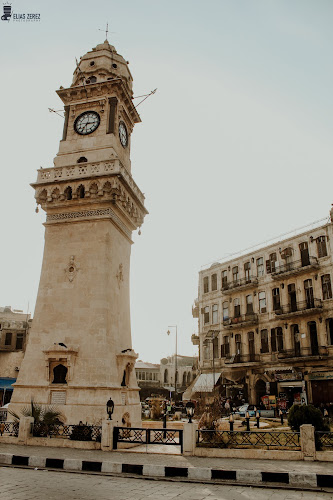
Bab Al-Faraj
Find Accommodations Nearby
Recommended Tours & Activities
Visitor Reviews
There are no reviews yet. Be the first one to write one.
Share Your Experience
Have you visited Aleppo? Help other travelers by leaving a review.