
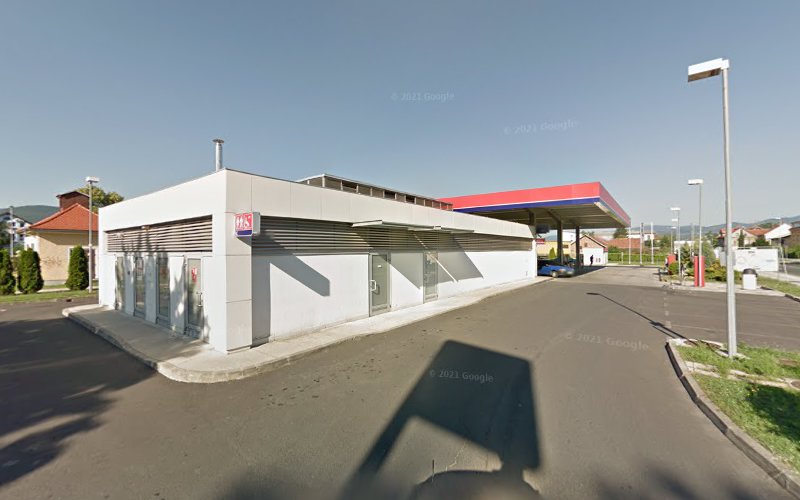
Aleksandar Sergejevič Puškin
About Aleksandar Sergejevič Puškin
Description
Visiting the Aleksandar Sergejevič Puškin Spomen-park offers a unique journey into the life and legacy of one of Russia’s most iconic literary figures. This memorial park isn’t just a quiet green space; it’s a living tribute that captures the spirit of Puškin’s world — the aristocracy, the countryside, the romance, and the sharp contrasts of 19th-century Russian society. If you’re a traveler with even a passing interest in literature or history, this place will quietly pull you in with its subtle charm.
What really struck me when I wandered through the park was how it manages to blend the poetic with the palpable. It’s not just about statues or plaques; the landscape itself feels like a page from Puškin’s verse — rolling greenery that echoes the rural scenes from his famous work, Evgenije Onjegin. The park invites you to slow down, maybe even reflect on the tensions between city life and the countryside, the romantic ideals and the cynicism that Puškin explored through his characters.
What’s interesting is that the park doesn’t overwhelm you with grandeur or flashy monuments. Instead, it offers a quiet, sometimes contemplative atmosphere that feels genuine and unpretentious. And honestly, that’s what makes it stand out compared to other memorial parks I’ve visited. You get this sense of walking alongside history rather than just staring at it from afar.
Key Features
- Statues and busts of Aleksandar Sergejevič Puškin and key characters from his works, bringing his literary world to life.
- Walking trails that meander through natural landscapes reminiscent of the Russian countryside Puškin loved and wrote about.
- Informative plaques and displays that provide context on Puškin’s influence on Russian literature and the socio-political backdrop of his time.
- Quiet spots for reflection and reading, perfect if you want to dive into some of Puškin’s poetry while surrounded by nature.
- Seasonal cultural events occasionally held in the park that celebrate Russian literature and arts, offering a lively glimpse into local traditions.
- Accessibility features making it easier for visitors with mobility challenges to explore the park comfortably.
Best Time to Visit
Honestly, the park reveals different faces throughout the year, and each season has its own kind of magic. Springtime is when the flowers start to peek out and the air smells fresh, which makes it a lovely time if you’re into gentle walks and mild weather. Summer can get a bit warm, but the shade under the trees is a welcome relief, and you might catch some of the cultural events happening outdoors.
Fall is probably my personal favorite — the foliage turns into a rich tapestry of reds and golds, and it feels like walking through one of Puškin’s poetic scenes. Plus, the crowds thin out a bit, so you get a more intimate experience. Winter, on the other hand, is quieter and more introspective. The snow adds a serene, almost melancholic beauty, though you’ll want to bundle up if you decide to visit then.
How to Get There
Getting to the Aleksandar Sergejevič Puškin Spomen-park is pretty straightforward, but it depends on where you’re coming from. If you’re in the nearby city, local buses or taxis are your best bet. I remember hopping into a taxi that took me right to the entrance without any fuss — the driver even shared a few tidbits about Puškin’s significance in the area, which was a nice touch.
If you’re coming from farther away, the nearest train station or airport will get you close, and from there, a short drive or public transport ride will bring you to the park. Renting a car can be handy if you want to explore the surrounding countryside at your own pace — trust me, some of the nearby villages and landscapes are worth the detour.
Tips for Visiting
First off, don’t rush. This isn’t the kind of place where you can just check off a list and move on. Take your time to soak in the atmosphere, maybe bring a book of Puškin’s poetry to read in one of the quiet corners. It makes the experience feel more personal, like you’re connecting with the man behind the words.
Wear comfortable shoes because the walking trails, while not strenuous, are best enjoyed at a leisurely pace. And if you’re visiting in summer, pack some water and sunscreen — shade is there, but you’ll be outside for a good chunk of time.
Oh, and if you get a chance, try to visit during one of the park’s cultural events. They’re not super frequent, but when they happen, they add this lively, communal vibe that really brings Puškin’s legacy into the present day.
Lastly, don’t hesitate to chat with the locals or park staff if you have questions. I found that people around here are genuinely proud of Puškin’s heritage and happy to share stories or tips that you won’t find in any guidebook.
Key Features
- Statues and busts of Aleksandar Sergejevič Puškin and key characters from his works, bringing his literary world to life.
- Walking trails that meander through natural landscapes reminiscent of the Russian countryside Puškin loved and wrote about.
- Informative plaques and displays that provide context on Puškin’s influence on Russian literature and the socio-political backdrop of his time.
- Quiet spots for reflection and reading, perfect if you want to dive into some of Puškin’s poetry while surrounded by nature.
- Seasonal cultural events occasionally held in the park that celebrate Russian literature and arts, offering a lively glimpse into local traditions.
- Accessibility features making it easier for visitors with mobility challenges to explore the park comfortably.
More Details
Updated July 17, 2025
Table of Contents
Description
Visiting the Aleksandar Sergejevič Puškin Spomen-park offers a unique journey into the life and legacy of one of Russia’s most iconic literary figures. This memorial park isn’t just a quiet green space; it’s a living tribute that captures the spirit of Puškin’s world — the aristocracy, the countryside, the romance, and the sharp contrasts of 19th-century Russian society. If you’re a traveler with even a passing interest in literature or history, this place will quietly pull you in with its subtle charm.
What really struck me when I wandered through the park was how it manages to blend the poetic with the palpable. It’s not just about statues or plaques; the landscape itself feels like a page from Puškin’s verse — rolling greenery that echoes the rural scenes from his famous work, Evgenije Onjegin. The park invites you to slow down, maybe even reflect on the tensions between city life and the countryside, the romantic ideals and the cynicism that Puškin explored through his characters.
What’s interesting is that the park doesn’t overwhelm you with grandeur or flashy monuments. Instead, it offers a quiet, sometimes contemplative atmosphere that feels genuine and unpretentious. And honestly, that’s what makes it stand out compared to other memorial parks I’ve visited. You get this sense of walking alongside history rather than just staring at it from afar.
Key Features
- Statues and busts of Aleksandar Sergejevič Puškin and key characters from his works, bringing his literary world to life.
- Walking trails that meander through natural landscapes reminiscent of the Russian countryside Puškin loved and wrote about.
- Informative plaques and displays that provide context on Puškin’s influence on Russian literature and the socio-political backdrop of his time.
- Quiet spots for reflection and reading, perfect if you want to dive into some of Puškin’s poetry while surrounded by nature.
- Seasonal cultural events occasionally held in the park that celebrate Russian literature and arts, offering a lively glimpse into local traditions.
- Accessibility features making it easier for visitors with mobility challenges to explore the park comfortably.
Best Time to Visit
Honestly, the park reveals different faces throughout the year, and each season has its own kind of magic. Springtime is when the flowers start to peek out and the air smells fresh, which makes it a lovely time if you’re into gentle walks and mild weather. Summer can get a bit warm, but the shade under the trees is a welcome relief, and you might catch some of the cultural events happening outdoors.
Fall is probably my personal favorite — the foliage turns into a rich tapestry of reds and golds, and it feels like walking through one of Puškin’s poetic scenes. Plus, the crowds thin out a bit, so you get a more intimate experience. Winter, on the other hand, is quieter and more introspective. The snow adds a serene, almost melancholic beauty, though you’ll want to bundle up if you decide to visit then.
How to Get There
Getting to the Aleksandar Sergejevič Puškin Spomen-park is pretty straightforward, but it depends on where you’re coming from. If you’re in the nearby city, local buses or taxis are your best bet. I remember hopping into a taxi that took me right to the entrance without any fuss — the driver even shared a few tidbits about Puškin’s significance in the area, which was a nice touch.
If you’re coming from farther away, the nearest train station or airport will get you close, and from there, a short drive or public transport ride will bring you to the park. Renting a car can be handy if you want to explore the surrounding countryside at your own pace — trust me, some of the nearby villages and landscapes are worth the detour.
Tips for Visiting
First off, don’t rush. This isn’t the kind of place where you can just check off a list and move on. Take your time to soak in the atmosphere, maybe bring a book of Puškin’s poetry to read in one of the quiet corners. It makes the experience feel more personal, like you’re connecting with the man behind the words.
Wear comfortable shoes because the walking trails, while not strenuous, are best enjoyed at a leisurely pace. And if you’re visiting in summer, pack some water and sunscreen — shade is there, but you’ll be outside for a good chunk of time.
Oh, and if you get a chance, try to visit during one of the park’s cultural events. They’re not super frequent, but when they happen, they add this lively, communal vibe that really brings Puškin’s legacy into the present day.
Lastly, don’t hesitate to chat with the locals or park staff if you have questions. I found that people around here are genuinely proud of Puškin’s heritage and happy to share stories or tips that you won’t find in any guidebook.
Key Highlights
- Statues and busts of Aleksandar Sergejevič Puškin and key characters from his works, bringing his literary world to life.
- Walking trails that meander through natural landscapes reminiscent of the Russian countryside Puškin loved and wrote about.
- Informative plaques and displays that provide context on Puškin’s influence on Russian literature and the socio-political backdrop of his time.
- Quiet spots for reflection and reading, perfect if you want to dive into some of Puškin’s poetry while surrounded by nature.
- Seasonal cultural events occasionally held in the park that celebrate Russian literature and arts, offering a lively glimpse into local traditions.
- Accessibility features making it easier for visitors with mobility challenges to explore the park comfortably.
Location
Places to Stay Near Aleksandar Sergejevič Puškin
Find and Book a Tour
Explore More Travel Guides
No reviews found! Be the first to review!
Traveler Reviews for Aleksandar Sergejevič Puškin
There are no reviews yet. Be the first one to write one.
Have you visited Aleksandar Sergejevič Puškin? Help other travelers by sharing your review.
You Might Also Like
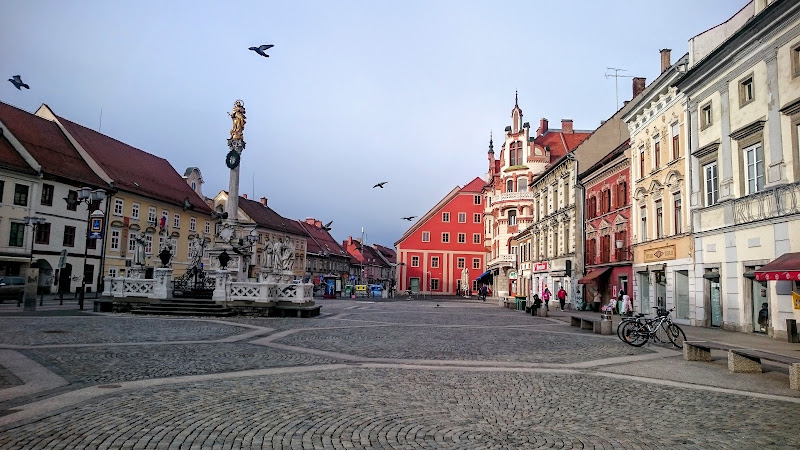
Glavni trg

Maribor

City Parking
Find Accommodations Nearby
Recommended Tours & Activities
Visitor Reviews
There are no reviews yet. Be the first one to write one.
Share Your Experience
Have you visited Aleksandar Sergejevič Puškin? Help other travelers by leaving a review.