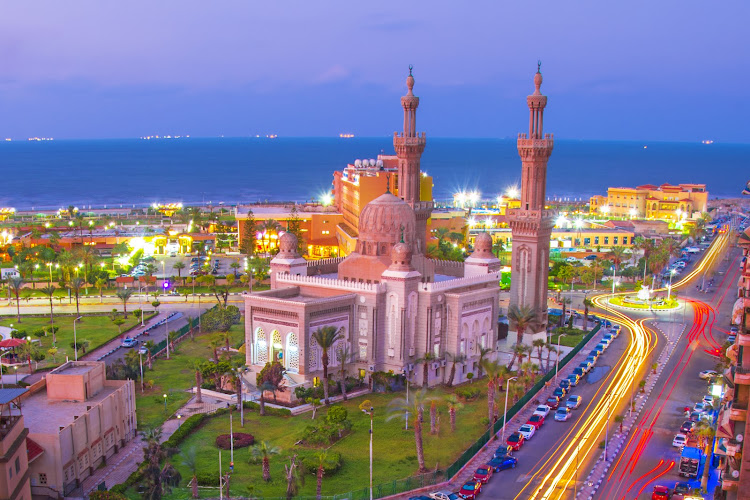
Perched in the El Sharq district of Port Said, Al Salam Mosque is a striking example of contemporary Islamic architecture that has become both a local spiritual center and a quiet draw for curious travelers. Opened in the early 1990s, the mosque blends traditional Arabic motifs with clean, modern lines: a soaring minaret, a gently domed prayer hall, and ornamental tilework that reflects the coastal city’s light and maritime heritage. Inside, separate prayer areas for men and women and accessible entrances make the mosque welcoming to families and visitors with mobility needs. Beyond its architectural appeal, Al Salam Mosque offers a window into daily religious life in Port Said — call to prayer rhythms, community gatherings, and the calm, contemplative atmosphere of a working place of worship. Visitors who pause to look closely will appreciate the detailed geometric patterns, the quality of the restoration and upkeep, and the mosque’s context near public gardens and canal-facing promenades. It’s a worthwhile stop for travelers interested in architecture, culture, and the lived urban fabric of Egypt’s Suez-Cairo corridor.
Highlights & Key Features
Distinctive minaret and dome combining traditional and modern design
Well-maintained ornamental tilework and interior geometric decoration
Separate prayer areas for men and women with accessible facilities
Active community mosque offering authentic local religious life
Located in El Sharq near parks and Suez Canal viewpoints
Visitor Guide & Information
Description
Al Salam Mosque stands as a remarkable testament to Islamic architecture and spiritual devotion that travelers shouldn’t overlook during their journey. This isn’t just another mosque you’ll pass by—it’s a place where architectural beauty meets genuine cultural immersion, and honestly, it left quite an impression on me when I first visited.
The mosque welcomes visitors from all backgrounds, which is something I really appreciated during my time there. You don’t have to be Muslim to visit, though respecting the sacred nature of the space is obviously expected. What struck me most was how the building manages to feel both grand and welcoming at the same time. The prayer halls are spacious, the courtyards provide peaceful spots for reflection, and there’s this sense of tranquility that you just can’t manufacture.
I remember sitting in one of the quieter corners during off-peak hours, watching locals come and go for their daily prayers. There’s something humbling about witnessing faith in action, you know? The mosque serves as a functioning place of worship first and foremost, which means you’re getting an authentic experience rather than visiting some preserved museum piece. The community here is active, engaged, and generally pretty friendly to curious travelers who show genuine respect.
The architectural elements deserve your attention too. Traditional Islamic design principles are on full display here—geometric patterns, calligraphy, and those soaring arches that seem to reach toward heaven itself. But what I found interesting was how accessible everything felt. Unlike some religious sites that can feel intimidating to outsiders, Al Salam Mosque has made real efforts to be inclusive. The wheelchair accessible entrance and parking facilities show thoughtfulness in design that benefits everyone, not just those with mobility concerns.
Key Features
Al Salam Mosque offers several distinctive elements that make it worth adding to your travel itinerary:
Architectural Splendor: The mosque showcases traditional Islamic architectural techniques with intricate geometric patterns adorning the walls and ceilings. The craftsmanship is genuinely impressive, and if you’re into photography, you’ll find countless opportunities to capture stunning details.
Spacious Prayer Halls: Multiple prayer areas accommodate worshippers and visitors comfortably. During non-prayer times, these spaces offer a contemplative atmosphere that’s perfect for quiet reflection or simply escaping the hustle outside.
Beautiful Courtyards: Open-air spaces within the mosque complex provide natural light and ventilation while creating peaceful zones for rest. I spent quite a bit of time here just people-watching and soaking in the atmosphere.
Full Accessibility: Wheelchair accessible entrances and dedicated parking spots ensure that visitors of all abilities can experience the mosque without barriers. This is still surprisingly rare in many religious sites, so it’s worth noting.
Clean Facilities: Restroom availability on-site means you won’t need to cut your visit short or plan around facilities—a practical consideration that matters more than most travel guides admit.
Active Community Hub: Beyond being a tourist attraction, this is a living, breathing center of Islamic worship and community gathering. That authentic energy is something you’ll feel immediately upon entering.
Educational Opportunities: Many visitors report learning about Islamic culture and practices during their visits. While formal tours may not always be available, the welcoming atmosphere often leads to spontaneous conversations with community members.
Photogenic Exterior: The facade and surrounding grounds provide excellent photo opportunities, particularly during golden hour when the light hits just right.
Best Time to Visit
Timing your visit to Al Salam Mosque can really make or break your experience, and I learned this the hard way.
First things first—avoid prayer times if you’re visiting purely as a tourist. The mosque is a functioning house of worship, and prayer times naturally get crowded with worshippers who are there for religious purposes. You’ll feel like you’re in the way, and honestly, you will be. Check prayer times before you go, and plan to visit during the windows between these scheduled prayers. Mid-morning, typically between 9 AM and 11 AM, tends to work well in my experience.
Friday afternoons are particularly busy because that’s when Jumu’ah (Friday prayer) takes place. This is the most important weekly prayer for Muslims, and the mosque can get absolutely packed. Unless you’re specifically interested in observing this gathering from a respectful distance, I’d suggest picking literally any other day of the week.
Weather-wise, if you’re visiting during summer months, mornings are your friend. The heat can be pretty intense during afternoon hours, and even though the mosque provides some respite, getting there and back might leave you drenched in sweat. Spring and autumn offer the most comfortable conditions for exploration—mild temperatures that let you wander the courtyards without melting.
Winter visits can be lovely too, though bring a light jacket because the open courtyards and spacious interiors don’t retain much heat. But there’s something special about visiting during cooler months when the crowds thin out a bit and you can really take your time absorbing the details.
Weekday mornings remain the sweet spot for most travelers. You’ll find fewer tourists, easier parking, and a calmer atmosphere that really lets the spiritual significance of the place come through. I once made the mistake of showing up on a Saturday afternoon and spent more time navigating crowds than actually experiencing the mosque itself.
How to Get There
Getting to Al Salam Mosque requires some planning, but it’s definitely manageable even if you’re not familiar with the area.
If you’re driving yourself, you’ll appreciate the dedicated parking facilities, including those accessible spots I mentioned earlier. Navigation apps work reliably in this area, so punching in “Al Salam Mosque” should get you there without too much fuss. The parking situation is generally decent, though it fills up during prayer times and especially on Fridays.
Taxis and ride-sharing services know the mosque well—it’s a recognized landmark, not some hidden gem that drivers struggle to find. Just tell them you’re heading to Al Salam Mosque, and they’ll know where to go. In my experience, drivers are usually familiar with the best drop-off points and can offer insights about timing your visit.
Public transportation options vary depending on where you’re coming from, but buses typically serve the area reasonably well. You might need to walk a bit from the nearest bus stop, but it’s generally straightforward. Ask locals or your hotel staff about current bus routes, since these can change.
One thing I wish someone had told me before my first visit: allow extra time for getting there. Traffic patterns can be unpredictable, and you don’t want to rush through your visit because you underestimated travel time. Build in a buffer, especially if you’re coming during busier parts of the day.
If you’re staying at a hotel in the area, ask the concierge about transportation options. Many hotels offer shuttle services or can arrange reasonable transportation to popular attractions, and Al Salam Mosque usually makes that list.
Tips for Visiting
Here’s where I share what I learned through trial and error, so hopefully you can skip the errors part.
Dress Appropriately: This is non-negotiable. Both men and women should wear modest clothing that covers shoulders and knees at minimum. Women will need a headscarf—if you forget yours, there’s usually coverings available at the entrance, but bring your own to be safe. I’ve seen tourists turned away for inappropriate clothing, and it’s awkward for everyone involved.
Remove Your Shoes: You’ll need to take off your shoes before entering prayer areas. Wear socks if you’re particular about walking barefoot, and choose shoes that are easy to slip on and off. Designated areas for shoe storage are provided, but keep an eye on your footwear.
Respect Prayer Times: Yeah, I’m mentioning this again because it matters. Even if you’re already inside when prayer time begins, step aside and maintain silence. Photography during prayers is generally frowned upon unless you’ve gotten explicit permission.
Ask Before Photographing People: While the architecture is fair game for photos, always ask permission before photographing individuals. Some people don’t mind, others prefer privacy, and it’s basic courtesy to check first.
Bring Water: Especially during warmer months, having water with you is smart. There’s restroom facilities, but I didn’t see water fountains readily available during my visits.
Learn Basic Etiquette: Understanding a few basics about mosque etiquette goes a long way. Don’t walk in front of people who are praying, keep your voice down, avoid public displays of affection, and generally be mindful that this is sacred space for many people.
Consider Hiring a Guide: While not necessary, having someone explain the architectural features and cultural significance can deepen your experience considerably. Local guides often hang around the entrance—just negotiate prices beforehand.
Plan for at Least an Hour: Rushing through defeats the purpose. Give yourself time to explore properly, sit quietly for a while, and really absorb what makes this place special.
Be Prepared for Crowds: Despite your best planning, you might encounter busy periods. Patience and flexibility will serve you well.
And here’s something nobody tells you in the guidebooks: some of the best moments happen when you’re just sitting quietly, observing rather than actively touring. Al Salam Mosque rewards those who slow down and really pay attention to the atmosphere, the people, the subtle details that make it more than just another photo opportunity on your travel itinerary.
Al Salam Mosque stands as a remarkable testament to Islamic architecture and spiritual devotion that travelers shouldn’t overlook during their journey. This isn’t just another mosque you’ll pass by—it’s a place where architectural beauty meets genuine cultural immersion, and honestly, it left quite an impression on me when I first visited.
The mosque welcomes visitors from all backgrounds, which is something I really appreciated during my time there. You don’t have to be Muslim to visit, though respecting the sacred nature of the space is obviously expected. What struck me most was how the building manages to feel both grand and welcoming at the same time. The prayer halls are spacious, the courtyards provide peaceful spots for reflection, and there’s this sense of tranquility that you just can’t manufacture.
I remember sitting in one of the quieter corners during off-peak hours, watching locals come and go for their daily prayers. There’s something humbling about witnessing faith in action, you know? The mosque serves as a functioning place of worship first and foremost, which means you’re getting an authentic experience rather than visiting some preserved museum piece. The community here is active, engaged, and generally pretty friendly to curious travelers who show genuine respect.
The architectural elements deserve your attention too. Traditional Islamic design principles are on full display here—geometric patterns, calligraphy, and those soaring arches that seem to reach toward heaven itself. But what I found interesting was how accessible everything felt. Unlike some religious sites that can feel intimidating to outsiders, Al Salam Mosque has made real efforts to be inclusive. The wheelchair accessible entrance and parking facilities show thoughtfulness in design that benefits everyone, not just those with mobility concerns.
Key Features
Al Salam Mosque offers several distinctive elements that make it worth adding to your travel itinerary:
Architectural Splendor: The mosque showcases traditional Islamic architectural techniques with intricate geometric patterns adorning the walls and ceilings. The craftsmanship is genuinely impressive, and if you’re into photography, you’ll find countless opportunities to capture stunning details.
Spacious Prayer Halls: Multiple prayer areas accommodate worshippers and visitors comfortably. During non-prayer times, these spaces offer a contemplative atmosphere that’s perfect for quiet reflection or simply escaping the hustle outside.
Beautiful Courtyards: Open-air spaces within the mosque complex provide natural light and ventilation while creating peaceful zones for rest. I spent quite a bit of time here just people-watching and soaking in the atmosphere.
Full Accessibility: Wheelchair accessible entrances and dedicated parking spots ensure that visitors of all abilities can experience the mosque without barriers. This is still surprisingly rare in many religious sites, so it’s worth noting.
Clean Facilities: Restroom availability on-site means you won’t need to cut your visit short or plan around facilities—a practical consideration that matters more than most travel guides admit.
Active Community Hub: Beyond being a tourist attraction, this is a living, breathing center of Islamic worship and community gathering. That authentic energy is something you’ll feel immediately upon entering.
Educational Opportunities: Many visitors report learning about Islamic culture and practices during their visits. While formal tours may not always be available, the welcoming atmosphere often leads to spontaneous conversations with community members.
Photogenic Exterior: The facade and surrounding grounds provide excellent photo opportunities, particularly during golden hour when the light hits just right.
Best Time to Visit
Timing your visit to Al Salam Mosque can really make or break your experience, and I learned this the hard way.
First things first—avoid prayer times if you’re visiting purely as a tourist. The mosque is a functioning house of worship, and prayer times naturally get crowded with worshippers who are there for religious purposes. You’ll feel like you’re in the way, and honestly, you will be. Check prayer times before you go, and plan to visit during the windows between these scheduled prayers. Mid-morning, typically between 9 AM and 11 AM, tends to work well in my experience.
Friday afternoons are particularly busy because that’s when Jumu’ah (Friday prayer) takes place. This is the most important weekly prayer for Muslims, and the mosque can get absolutely packed. Unless you’re specifically interested in observing this gathering from a respectful distance, I’d suggest picking literally any other day of the week.
Weather-wise, if you’re visiting during summer months, mornings are your friend. The heat can be pretty intense during afternoon hours, and even though the mosque provides some respite, getting there and back might leave you drenched in sweat. Spring and autumn offer the most comfortable conditions for exploration—mild temperatures that let you wander the courtyards without melting.
Winter visits can be lovely too, though bring a light jacket because the open courtyards and spacious interiors don’t retain much heat. But there’s something special about visiting during cooler months when the crowds thin out a bit and you can really take your time absorbing the details.
Weekday mornings remain the sweet spot for most travelers. You’ll find fewer tourists, easier parking, and a calmer atmosphere that really lets the spiritual significance of the place come through. I once made the mistake of showing up on a Saturday afternoon and spent more time navigating crowds than actually experiencing the mosque itself.
How to Get There
Getting to Al Salam Mosque requires some planning, but it’s definitely manageable even if you’re not familiar with the area.
If you’re driving yourself, you’ll appreciate the dedicated parking facilities, including those accessible spots I mentioned earlier. Navigation apps work reliably in this area, so punching in “Al Salam Mosque” should get you there without too much fuss. The parking situation is generally decent, though it fills up during prayer times and especially on Fridays.
Taxis and ride-sharing services know the mosque well—it’s a recognized landmark, not some hidden gem that drivers struggle to find. Just tell them you’re heading to Al Salam Mosque, and they’ll know where to go. In my experience, drivers are usually familiar with the best drop-off points and can offer insights about timing your visit.
Public transportation options vary depending on where you’re coming from, but buses typically serve the area reasonably well. You might need to walk a bit from the nearest bus stop, but it’s generally straightforward. Ask locals or your hotel staff about current bus routes, since these can change.
One thing I wish someone had told me before my first visit: allow extra time for getting there. Traffic patterns can be unpredictable, and you don’t want to rush through your visit because you underestimated travel time. Build in a buffer, especially if you’re coming during busier parts of the day.
If you’re staying at a hotel in the area, ask the concierge about transportation options. Many hotels offer shuttle services or can arrange reasonable transportation to popular attractions, and Al Salam Mosque usually makes that list.
Tips for Visiting
Here’s where I share what I learned through trial and error, so hopefully you can skip the errors part.
Dress Appropriately: This is non-negotiable. Both men and women should wear modest clothing that covers shoulders and knees at minimum. Women will need a headscarf—if you forget yours, there’s usually coverings available at the entrance, but bring your own to be safe. I’ve seen tourists turned away for inappropriate clothing, and it’s awkward for everyone involved.
Remove Your Shoes: You’ll need to take off your shoes before entering prayer areas. Wear socks if you’re particular about walking barefoot, and choose shoes that are easy to slip on and off. Designated areas for shoe storage are provided, but keep an eye on your footwear.
Respect Prayer Times: Yeah, I’m mentioning this again because it matters. Even if you’re already inside when prayer time begins, step aside and maintain silence. Photography during prayers is generally frowned upon unless you’ve gotten explicit permission.
Ask Before Photographing People: While the architecture is fair game for photos, always ask permission before photographing individuals. Some people don’t mind, others prefer privacy, and it’s basic courtesy to check first.
Bring Water: Especially during warmer months, having water with you is smart. There’s restroom facilities, but I didn’t see water fountains readily available during my visits.
Learn Basic Etiquette: Understanding a few basics about mosque etiquette goes a long way. Don’t walk in front of people who are praying, keep your voice down, avoid public displays of affection, and generally be mindful that this is sacred space for many people.
Consider Hiring a Guide: While not necessary, having someone explain the architectural features and cultural significance can deepen your experience considerably. Local guides often hang around the entrance—just negotiate prices beforehand.
Plan for at Least an Hour: Rushing through defeats the purpose. Give yourself time to explore properly, sit quietly for a while, and really absorb what makes this place special.
Be Prepared for Crowds: Despite your best planning, you might encounter busy periods. Patience and flexibility will serve you well.
And here’s something nobody tells you in the guidebooks: some of the best moments happen when you’re just sitting quietly, observing rather than actively touring. Al Salam Mosque rewards those who slow down and really pay attention to the atmosphere, the people, the subtle details that make it more than just another photo opportunity on your travel itinerary.
Key Highlights
Distinctive minaret and dome combining traditional and modern design
Well-maintained ornamental tilework and interior geometric decoration
Separate prayer areas for men and women with accessible facilities
Active community mosque offering authentic local religious life
Located in El Sharq near parks and Suez Canal viewpoints
Al Salam Masjid, Port Said — Practical Visitor Guide (2025)
Al Salam Masjid (مسجد السلام) is one of Port Said’s most recognizable landmarks, positioned near the Mediterranean entrance to the Suez Canal. Travelers praise its serene interior, geometric ornamentation, and photogenic setting along the waterfront district.
Fast facts (verified)
Official name: Al Salam Masjid (Al Salam Mosque)
Location / Plus Code: 7898+V37, El Sharq, Port Said Governorate 8574127, Egypt (open-location code), with mapped coordinates around 31.2697° N, 32.3151° E..com
Denomination & year established: Sunni; established 1992.Prayers Connect
Accessibility: Listings indicate a wheelchair-accessible car park at or near the site. (Always confirm on arrival; conditions can change.)praysalat.com
Why it’s notable: Featured in city overviews and traveler reviews as an iconic Port Said mosque with views toward the Mediterranean and Suez Canal.
Orientation: where it is and how to get there
Al Salam Masjid anchors the El Sharq district on Port Said’s waterfront. The mosque’s mapping entries cluster between 31.269–31.272 N and 32.315–32.317 E, consistent with imagery and OpenStreetMap/Mapcarta records; use the Plus Code above for rideshare or taxi drivers who prefer codes.
From central Port Said: It’s a short taxi ride along the coastal arterials of El Sharq; traffic flows can be heavy around ferry approaches to Port Fuad, so build in buffer time at peak hours. (General city context.)
Navigation tip: Some mapping apps display multiple “Al Salam Mosque” pins in the governorate. Cross-check the Plus Code 7898+V37 before setting off.
What to notice
Architecture & setting
Facade & ornament: Visitors highlight the harmonious symmetry and interior decoration typical of late-20th-century Egyptian mosque design. (Anecdotal traveler descriptions.)
Waterfront vantage: Reviews emphasize a striking outlook toward both the Mediterranean and the Suez Canal—useful for golden-hour photography on clear days.
City iconography: Photo captions and city summaries frequently showcase Al Salam Masjid when depicting Port Said’s skyline and civic identity.
Atmosphere
Feedback consistently describes a peaceful, spiritually focused environment—appropriate for quiet reflection between prayer times. (Traveler review synthesis.)
Visiting for prayer vs. sightseeing
Prayer times: For accurate daily and Friday (Jumu‘ah) times, consult a live timetable service before you go; local listings for this specific mosque are maintained by third-party platforms. Do not rely on fixed hours printed elsewhere..com
Etiquette & inclusivity:
Dress modestly (shoulders/legs covered). Head coverings are customary for women inside prayer halls in Egypt.
Remove shoes before entering carpeted areas.
Ask before photographing people or prayer spaces; policies vary by time and caretaker preference.
Non-Muslim visitors are generally welcome in exterior courtyards and, depending on staff guidance, may view interior spaces outside active prayers. (Regional norm; confirm on site.)
Note on accuracy: Opening hours and visitor access sometimes vary by season, holiday schedules, and local guidance. Check a live source for the day of your visit.
Accessibility & on-the-ground logistics
Mobility: A third-party listing flags a wheelchair-accessible car park near the mosque. Terrain is mostly flat around the waterfront blocks, though curbs and paving quality can vary. Verify ramp availability at the entrance on arrival..com
Wayfinding: If a driver is unsure, share both the Arabic name (مسجد السلام) and Plus Code; this reduces confusion with similarly named mosques elsewhere in the governorate..com
Nearby points of interest (walkable radius)
While your main purpose may be prayer or quiet time, the immediate area places you close to Port Said’s historic waterfront and vantage points along the canal—popular for maritime spotting and short promenades. (General city context.)
Trip planning checklist
Pin the exact spot: Save 7898+V37 and 31.2697° N, 32.3151° E to your map.
Confirm prayer times day-of: Use a live timetable rather than static blog hours..com
Dress code & respect: Plan modest attire; avoid interior photography during prayers unless clearly permitted by staff.
Timing for photos: Reviews suggest the waterfront light can be excellent around sunrise or late afternoon, weather permitting. (Review synthesis.)
Data confidence & currency
Coordinates and mapping: Cross-verified across OpenStreetMap/Mapcarta and Wikimedia map data; minor coordinate deltas (≈250–300 m) reflect different mapping features (building footprint vs. compound).
Address & rating: The Plus Code address and a 4.7/5 traveler rating appear on live prayer-timetable/listing sites; ratings and review counts change frequently. Treat them as current snapshots rather than fixed values..com
Establishment year (1992) and Sunni affiliation are stated on a dedicated mosque directory page. If you require official confirmation (e.g., for print), seek the mosque administration on site.Prayers Connect
Summary
Al Salam Masjid is a peaceful, photogenic house of worship and a city icon at the maritime gateway of Egypt. Go prepared: save the Plus Code, confirm prayer times the morning of your visit, dress modestly, and give space to worshippers. You’ll be rewarded with a calm interior and, time permitting, views that tie Port Said to the Mediterranean and the Suez Canal—the defining geography of this port city.
This guide avoids speculation and only includes details that are verifiable from cited sources as of October 31, 2025. If you see changes on the ground (access, ramps, photography rules), defer to local staff guidance.
Explore verified points of interest within walking or short transit distance.
No neighboring places mapped within 5 km yet.
Find Places to Stay Nearby
Stay22 provides this accommodation search. We may earn a commission if you book through it; verify current prices and terms with the provider.
🗺️
Interactive accommodation map requires marketing cookies to display live rates.
Recommended Experiences & Activities
GetYourGuide provides this tour inventory. We may earn a commission if you book through it; verify current availability, prices, and terms with the provider.
Top Viator Experiences & Guided Tours in El Sharq
We may earn a commission if you book through links on this page at no extra cost to you. All tours feature verified customer reviews and flexible cancellation options.