
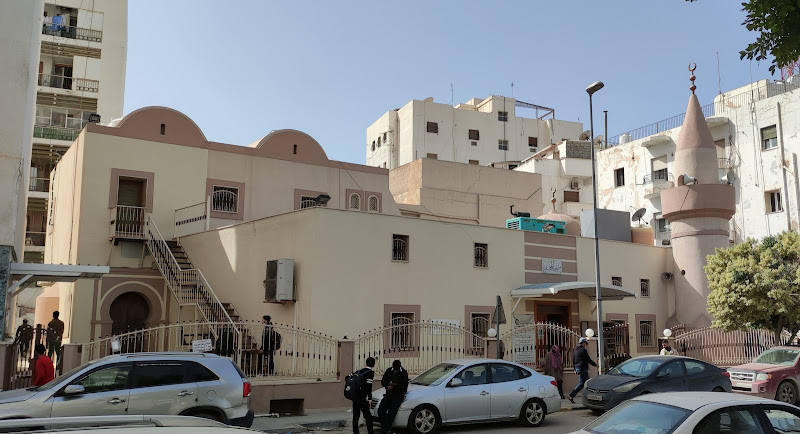
Al-Majidya Mosque
About Al-Majidya Mosque
Description
Standing proudly in the heart of Tripoli, Libya, the Al-Majidya Mosque represents one of the most compelling examples of Islamic architecture in North Africa. This remarkable structure draws visitors from across the globe who come to witness its exceptional craftsmanship and immerse themselves in the rich cultural tapestry of Libyan heritage.
The mosque's history stretches back through decades of religious devotion and community gathering, serving not just as a place of worship but as a cornerstone of local identity. And honestly, when you first lay eyes on this architectural masterpiece, you'll understand why it's earned recognition as one of Tripoli's most significant landmarks.
What strikes most visitors immediately is the mosque's ability to blend traditional Islamic design elements with distinctive regional characteristics that speak to Libya's unique position in the Mediterranean world. The building showcases the kind of attention to detail that makes you pause and really appreciate the skill of the craftsmen who brought this vision to life centuries ago.
But beyond its architectural significance, Al-Majidya Mosque continues to serve as an active center of worship and community life. You'll often find locals gathering here not just for daily prayers, but for important religious celebrations and community events that have shaped the social fabric of this area for generations.
Key Features
The Al-Majidya Mosque captivates visitors with several distinctive architectural and cultural elements that set it apart from other religious sites in the region:
- Stunning Minarets: The mosque's towers rise majestically above Tripoli's skyline, featuring intricate stonework and traditional proportions that exemplify classical Islamic architecture
- Intricate Tile Work: Throughout the interior and exterior, you'll discover elaborate ceramic and mosaic patterns that demonstrate the finest traditions of Islamic decorative arts
- Serene Prayer Halls: The main worship spaces offer visitors a glimpse into the spiritual heart of the mosque, with carefully designed acoustics and lighting that create an atmosphere of contemplation
- Historical Significance: As a testament to Libya's Islamic heritage, the mosque preserves centuries of religious and cultural traditions within its walls
- Community Hub: Beyond its religious function, the mosque serves as a gathering place where local traditions and social connections continue to thrive
- Architectural Details: From carved stonework to geometric patterns, every surface reveals the extraordinary skill of traditional craftsmen
- Peaceful Courtyards: Open spaces within the complex provide areas for reflection and social interaction away from the busy streets of Tripoli
- Restroom Facilities: Practical amenities ensure visitor comfort during extended visits
Best Time to Visit
Planning your visit to Al-Majidya Mosque requires some consideration of both weather patterns and religious schedules to ensure you get the most rewarding experience possible.
The optimal months for visiting fall between October and April, when temperatures in Tripoli become much more manageable for tourism. During these cooler months, you can spend more time exploring the mosque's exterior details and surrounding neighborhoods without the intense heat that characterizes Libya's summer season.
Early morning visits, particularly around 8-9 AM, offer several advantages. The light at this time of day beautifully illuminates the mosque's architectural features, creating excellent photography opportunities. Plus, you'll avoid the midday crowds and can experience the building in a more contemplative atmosphere.
However, if you're interested in witnessing the mosque's role as a living religious center, consider timing your visit around prayer times. The call to prayer creates an incredibly moving experience, though visitors should be respectful and maintain appropriate distance during active worship periods.
Friday afternoons bring the most significant congregational prayers, which means larger crowds but also more authentic cultural immersion. Just be prepared for busier conditions and potentially limited access to certain areas during these times.
Avoid major Islamic holidays unless you're specifically interested in observing religious celebrations, as the mosque will be extremely crowded and access may be restricted for non-worshippers.
How to Get There
Reaching Al-Majidya Mosque requires some planning, but the journey through Tripoli's streets offers its own rewards as you pass through neighborhoods that showcase different aspects of Libyan urban life.
From Tripoli International Airport, your most reliable option involves arranging a taxi or private car service. The journey typically takes 45-60 minutes depending on traffic conditions, and you'll want to have your driver wait or arrange return transportation since finding taxis in the immediate mosque area can be challenging.
If you're staying in central Tripoli, the mosque becomes much more accessible. Many visitors choose to walk from nearby hotels, which gives you the chance to explore local markets and street life along the way. The walk usually takes 15-25 minutes from most downtown accommodations.
Local buses serve the general area, but navigating the system requires some familiarity with Arabic and local routes. Unless you're comfortable with uncertainty and potential language barriers, stick with taxis or walking.
For those renting cars, be aware that parking near the mosque can be extremely limited, especially during busy periods. Street parking exists but fills up quickly, and you'll need to be comfortable with Libya's driving conditions, which can be quite intense for visitors unfamiliar with local traffic patterns.
Consider hiring a local guide who can handle transportation arrangements while providing cultural context that enhances your visit significantly.
Tips for Visiting
Visiting Al-Majidya Mosque successfully requires preparation and cultural sensitivity to ensure both your comfort and respect for this active religious site.
Dress code matters enormously here. Men should wear long pants and shirts with sleeves, while women need to cover their arms, legs, and hair completely. Bring a headscarf even if you're not sure you'll need it – better to be over-prepared than turned away at the entrance. Loose-fitting clothes work best both for modesty requirements and comfort in Libya's climate.
Remove your shoes before entering prayer areas. You'll want to wear easily removable footwear rather than complicated lacing systems. Socks in good condition are essential since you'll be walking on carpeted floors.
Photography guidelines vary depending on current policies and crowd levels. Generally, exterior photography is acceptable, but always ask permission before photographing people or interior spaces. Some areas may be completely off-limits to cameras, so respect any restrictions immediately.
Timing your visit outside of prayer times gives you more freedom to explore and photograph, but experiencing the call to prayer creates unforgettable memories. If you're present during prayers, maintain silence and stay in designated visitor areas.
Bring some cash for potential donations, though this isn't required. Small contributions help maintain the mosque and show respect for the community.
Learn a few basic Arabic phrases like "As-salamu alaykum" (peace be upon you) and "Shukran" (thank you). Local people appreciate visitors who make an effort to engage respectfully with their culture.
Stay hydrated, especially if visiting during warmer months. The mosque has restroom facilities, but carrying water ensures your comfort throughout the visit.
Be patient with security procedures and any requests from mosque officials. These measures protect both the building and visitors, and cooperation makes everyone's experience more pleasant.
Consider visiting with a knowledgeable local guide who can provide historical context and help navigate cultural nuances you might otherwise miss. This investment often transforms a simple sightseeing stop into a meaningful cultural exchange that deepens your understanding of Libya's religious and architectural heritage.
Key Features
- Key Features
- Best Time to Visit
- How to Get There
- Tips for Visiting
More Details
Updated September 16, 2025
Table of Contents
Description
Standing proudly in the heart of Tripoli, Libya, the Al-Majidya Mosque represents one of the most compelling examples of Islamic architecture in North Africa. This remarkable structure draws visitors from across the globe who come to witness its exceptional craftsmanship and immerse themselves in the rich cultural tapestry of Libyan heritage.
The mosque’s history stretches back through decades of religious devotion and community gathering, serving not just as a place of worship but as a cornerstone of local identity. And honestly, when you first lay eyes on this architectural masterpiece, you’ll understand why it’s earned recognition as one of Tripoli’s most significant landmarks.
What strikes most visitors immediately is the mosque’s ability to blend traditional Islamic design elements with distinctive regional characteristics that speak to Libya’s unique position in the Mediterranean world. The building showcases the kind of attention to detail that makes you pause and really appreciate the skill of the craftsmen who brought this vision to life centuries ago.
But beyond its architectural significance, Al-Majidya Mosque continues to serve as an active center of worship and community life. You’ll often find locals gathering here not just for daily prayers, but for important religious celebrations and community events that have shaped the social fabric of this area for generations.
Key Features
The Al-Majidya Mosque captivates visitors with several distinctive architectural and cultural elements that set it apart from other religious sites in the region:
- Stunning Minarets: The mosque’s towers rise majestically above Tripoli’s skyline, featuring intricate stonework and traditional proportions that exemplify classical Islamic architecture
- Intricate Tile Work: Throughout the interior and exterior, you’ll discover elaborate ceramic and mosaic patterns that demonstrate the finest traditions of Islamic decorative arts
- Serene Prayer Halls: The main worship spaces offer visitors a glimpse into the spiritual heart of the mosque, with carefully designed acoustics and lighting that create an atmosphere of contemplation
- Historical Significance: As a testament to Libya’s Islamic heritage, the mosque preserves centuries of religious and cultural traditions within its walls
- Community Hub: Beyond its religious function, the mosque serves as a gathering place where local traditions and social connections continue to thrive
- Architectural Details: From carved stonework to geometric patterns, every surface reveals the extraordinary skill of traditional craftsmen
- Peaceful Courtyards: Open spaces within the complex provide areas for reflection and social interaction away from the busy streets of Tripoli
- Restroom Facilities: Practical amenities ensure visitor comfort during extended visits
Best Time to Visit
Planning your visit to Al-Majidya Mosque requires some consideration of both weather patterns and religious schedules to ensure you get the most rewarding experience possible.
The optimal months for visiting fall between October and April, when temperatures in Tripoli become much more manageable for tourism. During these cooler months, you can spend more time exploring the mosque’s exterior details and surrounding neighborhoods without the intense heat that characterizes Libya’s summer season.
Early morning visits, particularly around 8-9 AM, offer several advantages. The light at this time of day beautifully illuminates the mosque’s architectural features, creating excellent photography opportunities. Plus, you’ll avoid the midday crowds and can experience the building in a more contemplative atmosphere.
However, if you’re interested in witnessing the mosque’s role as a living religious center, consider timing your visit around prayer times. The call to prayer creates an incredibly moving experience, though visitors should be respectful and maintain appropriate distance during active worship periods.
Friday afternoons bring the most significant congregational prayers, which means larger crowds but also more authentic cultural immersion. Just be prepared for busier conditions and potentially limited access to certain areas during these times.
Avoid major Islamic holidays unless you’re specifically interested in observing religious celebrations, as the mosque will be extremely crowded and access may be restricted for non-worshippers.
How to Get There
Reaching Al-Majidya Mosque requires some planning, but the journey through Tripoli’s streets offers its own rewards as you pass through neighborhoods that showcase different aspects of Libyan urban life.
From Tripoli International Airport, your most reliable option involves arranging a taxi or private car service. The journey typically takes 45-60 minutes depending on traffic conditions, and you’ll want to have your driver wait or arrange return transportation since finding taxis in the immediate mosque area can be challenging.
If you’re staying in central Tripoli, the mosque becomes much more accessible. Many visitors choose to walk from nearby hotels, which gives you the chance to explore local markets and street life along the way. The walk usually takes 15-25 minutes from most downtown accommodations.
Local buses serve the general area, but navigating the system requires some familiarity with Arabic and local routes. Unless you’re comfortable with uncertainty and potential language barriers, stick with taxis or walking.
For those renting cars, be aware that parking near the mosque can be extremely limited, especially during busy periods. Street parking exists but fills up quickly, and you’ll need to be comfortable with Libya’s driving conditions, which can be quite intense for visitors unfamiliar with local traffic patterns.
Consider hiring a local guide who can handle transportation arrangements while providing cultural context that enhances your visit significantly.
Tips for Visiting
Visiting Al-Majidya Mosque successfully requires preparation and cultural sensitivity to ensure both your comfort and respect for this active religious site.
Dress code matters enormously here. Men should wear long pants and shirts with sleeves, while women need to cover their arms, legs, and hair completely. Bring a headscarf even if you’re not sure you’ll need it – better to be over-prepared than turned away at the entrance. Loose-fitting clothes work best both for modesty requirements and comfort in Libya’s climate.
Remove your shoes before entering prayer areas. You’ll want to wear easily removable footwear rather than complicated lacing systems. Socks in good condition are essential since you’ll be walking on carpeted floors.
Photography guidelines vary depending on current policies and crowd levels. Generally, exterior photography is acceptable, but always ask permission before photographing people or interior spaces. Some areas may be completely off-limits to cameras, so respect any restrictions immediately.
Timing your visit outside of prayer times gives you more freedom to explore and photograph, but experiencing the call to prayer creates unforgettable memories. If you’re present during prayers, maintain silence and stay in designated visitor areas.
Bring some cash for potential donations, though this isn’t required. Small contributions help maintain the mosque and show respect for the community.
Learn a few basic Arabic phrases like “As-salamu alaykum” (peace be upon you) and “Shukran” (thank you). Local people appreciate visitors who make an effort to engage respectfully with their culture.
Stay hydrated, especially if visiting during warmer months. The mosque has restroom facilities, but carrying water ensures your comfort throughout the visit.
Be patient with security procedures and any requests from mosque officials. These measures protect both the building and visitors, and cooperation makes everyone’s experience more pleasant.
Consider visiting with a knowledgeable local guide who can provide historical context and help navigate cultural nuances you might otherwise miss. This investment often transforms a simple sightseeing stop into a meaningful cultural exchange that deepens your understanding of Libya’s religious and architectural heritage.
Key Highlights
- Key Features
- Best Time to Visit
- How to Get There
- Tips for Visiting
Location
Places to Stay Near Al-Majidya Mosque
Find and Book a Tour
Explore More Travel Guides
No reviews found! Be the first to review!
Traveler Reviews for Al-Majidya Mosque
There are no reviews yet. Be the first one to write one.
Have you visited Al-Majidya Mosque? Help other travelers by sharing your review.
You Might Also Like

Taynal Public Garden
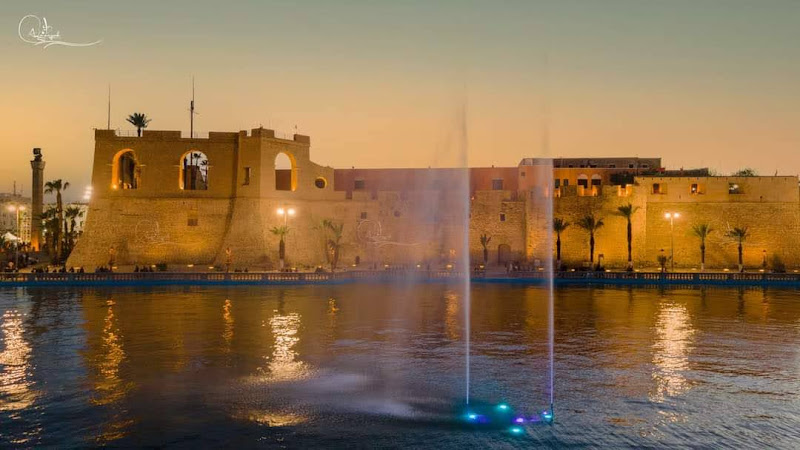
Tripoli
Palm Islands Nature Reserve
Find Accommodations Nearby
Recommended Tours & Activities
Visitor Reviews
There are no reviews yet. Be the first one to write one.
Share Your Experience
Have you visited Al-Majidya Mosque? Help other travelers by leaving a review.