Description
The House of Yusuf Karamanli stands as one of Libya’s most fascinating historical gems, offering travelers a rare glimpse into the opulent lifestyle of the Karamanli dynasty that once ruled Tripolitania. This memorial estate serves as both a tourist attraction and a powerful reminder of Libya’s complex colonial past, where Ottoman influence merged with local traditions to create something uniquely North African.
Walking through these halls, you can’t help but feel transported back to the early 19th century when Yusuf Karamanli wielded considerable power as the Pasha of Tripoli. The house itself tells the story of a man who navigated the treacherous waters of Mediterranean politics, dealing with everyone from Napoleon’s France to Jefferson’s America during the famous Barbary Wars. And honestly, the architecture alone makes this place worth visiting – it’s this incredible blend of Ottoman elegance and Maghrebi craftsmanship that you simply won’t find replicated anywhere else.
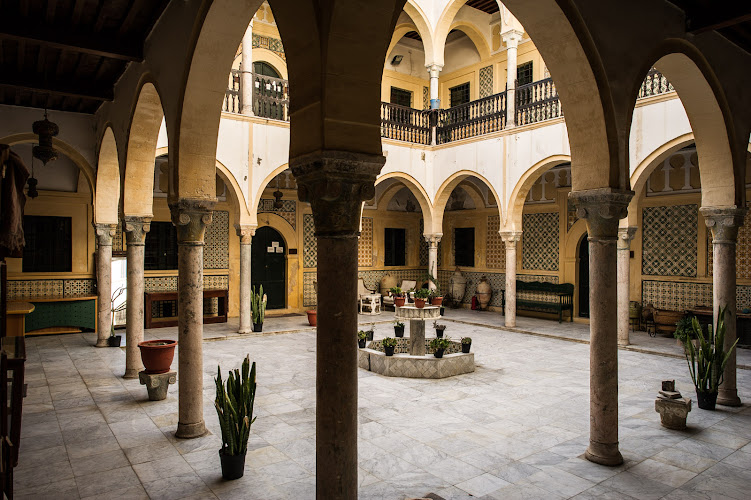
What strikes most visitors immediately is the intimate scale of the residence. Unlike the grand palaces you might expect, this house feels surprisingly personal and lived-in, which actually makes the historical experience more authentic. The rooms retain much of their original character, with intricate tilework and carved wooden ceilings that have weathered centuries but still showcase the artistic sophistication of the period.
The estate functions primarily as a memorial now, preserving not just the physical structure but also the memory of a pivotal period in Libyan history. Yusuf Karamanli’s reign from 1795 to 1832 marked the last era of semi-independent rule before direct Ottoman control returned to the region. For history buffs, this place is absolutely essential – it’s one of the few remaining sites where you can physically connect with the Barbary States period that shaped so much of early American foreign policy.
Key Features
The House of Yusuf Karamanli offers several distinctive elements that make it stand out among Libya’s historical attractions:
- Original Ottoman-Maghrebi Architecture – The building showcases authentic 18th-century architectural fusion with remarkably preserved decorative elements
- Personal Artifacts Collection – Displays include period furniture, manuscripts, and personal items that belonged to the Karamanli family
- Historic Courtyard – The central courtyard features traditional fountain elements and provides insight into domestic life of the era
- Barbary Wars Exhibition – Dedicated displays explaining the conflict with early American naval forces and European powers
- Traditional Craftsmanship Displays – Showcases local artisan work including metalwork, textiles, and ceramics from the period
- Period Room Reconstructions – Several rooms maintained or restored to reflect their original 19th-century appearance
- Genealogical Documentation – Family trees and historical documents tracing the Karamanli dynasty’s rise and fall
- Interactive Historical Timeline – Visual representation of major events during Yusuf Karamanli’s rule
Best Time to Visit
Timing your visit to the House of Yusuf Karamanli can significantly impact your experience, and I’ve learned this the hard way after visiting during less-than-ideal conditions. The best months are definitely October through April when temperatures in Libya are more manageable for exploring historical sites. During these cooler months, you’ll actually want to spend time examining the architectural details and reading the exhibits rather than rushing through to escape the heat.
Spring months, particularly March and April, offer the most pleasant weather conditions. The temperatures hover around 20-25°C (68-77°F), making it comfortable to spend several hours at the site without feeling drained. Plus, the lighting during these months is fantastic for photography – something you’ll definitely want to do given the intricate details throughout the house.
Summer visits between June and September can be quite challenging. Temperatures often exceed 35°C (95°F), and since the house doesn’t have modern climate control systems, the interior can become uncomfortably warm. But if summer is your only option, plan to arrive early morning around 8-9 AM when it’s still relatively cool.
Winter visits work well too, though you might encounter occasional rain. December through February sees temperatures ranging from 10-18°C (50-64°F), which is actually perfect for walking through the various rooms and taking your time with the exhibits. The crowds are typically smaller during winter months, giving you a more intimate experience with the historical setting.
Regarding specific days, weekends tend to be busier with local visitors, so if you prefer a quieter experience, Tuesday through Thursday usually offer the best balance of accessibility and peaceful exploration. The site typically sees peak visitor hours between 10 AM and 2 PM, so arriving earlier or later can provide a more contemplative atmosphere.
How to Get There
Getting to the House of Yusuf Karamanli requires some planning, but it’s definitely manageable with the right approach. The site is located within Tripoli’s old medina area, which means you’ll be navigating some narrow streets that aren’t always clearly marked – something I wish someone had warned me about during my first visit.
If you’re staying in central Tripoli, walking is actually your best bet. The house sits within the historic quarter, and the walk itself becomes part of the cultural experience as you pass through traditional markets and see daily life continuing around these ancient streets. From Martyrs’ Square (formerly Green Square), it’s roughly a 15-minute walk through the medina, though I’d recommend allowing extra time since you’ll inevitably get distracted by the surroundings.
Taxi service works well for getting close to the site, but don’t expect drivers to drop you directly at the entrance. The streets in this part of the medina are too narrow for most vehicles, so you’ll likely be dropped at one of the main thoroughfares and need to walk the final few minutes. Make sure to have the Arabic name written down to show your driver, as not all taxi drivers speak English fluently.
For those renting a car, I’d honestly recommend against driving directly to the site. Parking is virtually non-existent in the immediate area, and the narrow streets can be challenging for visitors unfamiliar with the layout. Instead, park at one of the larger parking areas near the medina’s edge and walk in. The Hotel Al Waddan area usually has parking options and provides a good starting point for your walk to the house.
Public transportation in Tripoli isn’t particularly tourist-friendly, so I wouldn’t recommend relying on buses unless you’re comfortable with Arabic and familiar with the local system. Shared taxis (known locally as “taxi collectif”) run along major routes, but again, you’ll need some local knowledge to use them effectively.
If you’re part of a tour group, transportation is obviously arranged, but independent travelers should consider hiring a local guide who can not only help with navigation but also provide valuable historical context during your visit.
Tips for Visiting
Having visited the House of Yusuf Karamanli multiple times, I’ve picked up several practical tips that can really enhance your experience. First and foremost, bring a good flashlight or ensure your phone’s flashlight function works well. Some areas of the house have limited lighting, and you’ll want to see the intricate details in the woodwork and tilework that might be missed otherwise.
Dress respectfully and practically. This means covering shoulders and knees, but also wearing comfortable walking shoes with good grip. The floors can be uneven in places, and some of the original stonework can be slippery, especially if there’s been any moisture. I learned this lesson when I nearly slipped examining some beautiful but worn marble flooring.
Photography is generally allowed, but always ask permission first, especially if there are guards or guides present. And please, resist the urge to touch everything – I know the craftsmanship is incredible and you want to feel those carved details, but the oils from our hands can damage these centuries-old materials over time.
Bring water, especially during warmer months. There aren’t refreshment facilities on-site, and exploring historical buildings can be more physically demanding than you might expect. I always carry a small water bottle when visiting heritage sites in North Africa.
Take your time reading any available information placards or displays. The historical context really enriches the experience, and understanding the Barbary Wars period helps you appreciate why this house represents such an important chapter in both Libyan and international maritime history.
Consider hiring a local guide if possible. While the house is interesting on its own, having someone explain the historical significance of specific rooms, architectural features, and family artifacts transforms the visit from simple sightseeing into genuine historical education. Local guides often know stories and details that aren’t included in standard displays.
Plan for about 1-2 hours for your visit, depending on your level of interest in historical details. Rush through and you’ll miss the subtleties that make this place special. But don’t plan it as an all-day activity either – it’s a relatively compact site that works well as part of a larger exploration of Tripoli’s old town.
Finally, be patient with any bureaucratic processes. Entry procedures at historical sites in Libya can sometimes involve paperwork or registration that takes a few extra minutes. It’s just part of preserving these important cultural heritage sites, and the experience is definitely worth any minor administrative delays.
 Real Journey Travels