

AJEET War Trophy
About AJEET War Trophy
Description
The AJEET War Trophy is one of those places that quietly surprises you. It’s officially a memorial park with an aviation focus, but emotionally, it feels more like a pause button. Travelers often arrive expecting a quick photo stop with a fighter aircraft and end up staying longer, walking slower, thinking deeper. And honestly, that’s kind of the point.
At the heart of the memorial stands an Ajeet fighter aircraft, a modified version of the British Gnat used by the Indian Air Force. If you’re even mildly curious about military aviation, seeing this aircraft up close is a thrill. The jet isn’t tucked away behind glass or buried in a hangar; it’s right there, bold and unapologetic, showing its sharp lines and compact build. You can almost imagine the roar it once made. Almost.
What makes this memorial park special for travelers is its simplicity. There’s no overwhelming signage or flashy displays trying to sell you a narrative. Instead, the story unfolds naturally as you walk around. Names, plaques, and quiet corners invite reflection. And yes, kids are welcome here. I’ve watched children circle the aircraft with wide eyes while parents explain, in their own words, what service and sacrifice mean. Those moments feel genuine, not forced.
I remember visiting on a slightly overcast afternoon. Not dramatic clouds, just enough to soften the light. The park felt calm, almost intimate, despite being in an urban setting. A couple of locals were sitting on benches, chatting softly. No rush. No noise. That calmness stays with you, and travelers who enjoy meaningful places rather than checklists tend to appreciate it more.
It’s fair to say the memorial doesn’t try to entertain you. It asks you to pay attention instead. And if you do, even briefly, you’ll walk away with a better sense of India’s aviation history and the people behind it.
Key Features
- Authentic Ajeet Fighter Aircraft: The real draw is the actual Ajeet jet on display, preserved with care and positioned so visitors can observe its design closely.
- Memorial Park Setting: Landscaped grounds with walking paths and seating areas make it easy to slow down and absorb the atmosphere.
- Educational Value for All Ages: Informational plaques explain the aircraft’s role and broader aviation history in a way that’s accessible, even for kids.
- Good for Children: The open layout allows children to explore safely, and the aircraft itself sparks curiosity without being overwhelming.
- Quiet, Respectful Environment: Unlike crowded attractions, this park maintains a calm tone, ideal for reflection and photography.
- Photo Opportunities: Aviation enthusiasts and casual travelers alike will find plenty of angles for memorable photos, especially during soft light hours.
- Cultural and Historical Context: The memorial subtly ties military aviation to broader national history, without heavy-handed storytelling.
Best Time to Visit
Timing matters more than people think here. The best time to visit the AJEET War Trophy is during the cooler months, roughly from October to March. The weather is kinder, and you’re more likely to enjoy walking around without constantly searching for shade. Early mornings are particularly good. The park feels fresh, and there’s a stillness that suits the memorial’s tone.
Late afternoons are a close second. The sunlight softens the aircraft’s metal surfaces, making photos look better without much effort. I once visited just before sunset and stayed longer than planned because the light kept changing. It’s one of those accidental wins while traveling.
Avoid peak midday hours during summer if you can. The open space, while beautiful, doesn’t offer much relief from heat. And while the memorial isn’t usually crowded, weekends can bring more families, which is nice in its own way, but weekdays offer a quieter experience if that’s what you’re after.
How to Get There
Getting to the AJEET War Trophy is relatively straightforward, especially for travelers already exploring the city. Local transport options like taxis and auto-rickshaws are commonly used, and most drivers recognize the memorial by name. If you’re using a navigation app, it helps to double-check the landmark name before setting off, just to avoid small detours.
For those driving themselves, the roads leading to the park are generally manageable. Parking is usually not a big issue, which is refreshing if you’ve spent time circling crowded tourist spots elsewhere. Public transport users can combine bus routes with a short walk, though this depends on where you’re coming from.
One small personal tip: ask a local if you’re unsure. I’ve found that people are genuinely helpful when it comes to directing visitors to memorials and parks. Plus, you sometimes get an unexpected story or two along the way.
Tips for Visiting
First, give yourself permission to slow down. This isn’t a place you rush through in ten minutes, snap a photo, and leave. Walk around. Read the plaques. Sit for a bit. The experience improves when you’re not watching the clock.
Second, if you’re traveling with kids, talk to them before and after the visit. The aircraft will catch their attention instantly, but the meaning behind it needs a little context. I’ve seen parents turn this into a mini history lesson, and the kids were surprisingly engaged.
Third, bring water, especially in warmer months. The park is open and airy, which is great, but hydration matters. Sounds obvious, I know, but travelers forget these things.
Photography lovers should consider visiting during golden hour. The aircraft looks dramatic without trying too hard. And please, be respectful. This is a memorial park first, photo spot second.
Wear comfortable footwear. You won’t be hiking, but you will be walking, and uneven ground in parts means sandals might not be the best idea. Learned that the hard way once.
Finally, manage expectations. The AJEET War Trophy isn’t a massive museum or an interactive aviation center. And that’s okay. It offers something quieter, more thoughtful. Travelers who appreciate history, aviation, or simply peaceful public spaces tend to leave satisfied. Others might feel it’s modest. Both reactions are valid.
If you approach the AJEET War Trophy with curiosity and a bit of patience, it gives back more than it takes. And in a world full of noisy attractions, that feels like a rare thing.
Key Features
- Key Features
- Best Time to Visit
- How to Get There
- Tips for Visiting
More Details
Updated December 31, 2025
Table of Contents
- Description
- Key Features
- Best Time to Visit
- How to Get There
- Tips for Visiting
- Key Highlights
- Location
- Places to Stay Near AJEET War Trophy
- Find and Book a Tour
- Explore More Travel Guides
- AJEET War Trophy at JNTU Kakinada: exact location, what it is, and how it fits India’s aviation story
- What you’ll actually see
- Exact location and coordinates
- What is the “Ajeet,” and how it relates to the Gnat (context you can trust)
- How to spot it on a campus visit to JNTUK
- Responsible viewing
- Why this small jet matters in India’s aviation timeline
- Key facts (verifiable)
- Data freshness & caveats (flagging potential changes)
- Nearby Places You Might Like
- Traveler Reviews for AJEET War Trophy
- Share Your Experience
Description
The AJEET War Trophy is one of those places that quietly surprises you. It’s officially a memorial park with an aviation focus, but emotionally, it feels more like a pause button. Travelers often arrive expecting a quick photo stop with a fighter aircraft and end up staying longer, walking slower, thinking deeper. And honestly, that’s kind of the point.
At the heart of the memorial stands an Ajeet fighter aircraft, a modified version of the British Gnat used by the Indian Air Force. If you’re even mildly curious about military aviation, seeing this aircraft up close is a thrill. The jet isn’t tucked away behind glass or buried in a hangar; it’s right there, bold and unapologetic, showing its sharp lines and compact build. You can almost imagine the roar it once made. Almost.
What makes this memorial park special for travelers is its simplicity. There’s no overwhelming signage or flashy displays trying to sell you a narrative. Instead, the story unfolds naturally as you walk around. Names, plaques, and quiet corners invite reflection. And yes, kids are welcome here. I’ve watched children circle the aircraft with wide eyes while parents explain, in their own words, what service and sacrifice mean. Those moments feel genuine, not forced.
I remember visiting on a slightly overcast afternoon. Not dramatic clouds, just enough to soften the light. The park felt calm, almost intimate, despite being in an urban setting. A couple of locals were sitting on benches, chatting softly. No rush. No noise. That calmness stays with you, and travelers who enjoy meaningful places rather than checklists tend to appreciate it more.
It’s fair to say the memorial doesn’t try to entertain you. It asks you to pay attention instead. And if you do, even briefly, you’ll walk away with a better sense of India’s aviation history and the people behind it.
Key Features
- Authentic Ajeet Fighter Aircraft: The real draw is the actual Ajeet jet on display, preserved with care and positioned so visitors can observe its design closely.
- Memorial Park Setting: Landscaped grounds with walking paths and seating areas make it easy to slow down and absorb the atmosphere.
- Educational Value for All Ages: Informational plaques explain the aircraft’s role and broader aviation history in a way that’s accessible, even for kids.
- Good for Children: The open layout allows children to explore safely, and the aircraft itself sparks curiosity without being overwhelming.
- Quiet, Respectful Environment: Unlike crowded attractions, this park maintains a calm tone, ideal for reflection and photography.
- Photo Opportunities: Aviation enthusiasts and casual travelers alike will find plenty of angles for memorable photos, especially during soft light hours.
- Cultural and Historical Context: The memorial subtly ties military aviation to broader national history, without heavy-handed storytelling.
Best Time to Visit
Timing matters more than people think here. The best time to visit the AJEET War Trophy is during the cooler months, roughly from October to March. The weather is kinder, and you’re more likely to enjoy walking around without constantly searching for shade. Early mornings are particularly good. The park feels fresh, and there’s a stillness that suits the memorial’s tone.
Late afternoons are a close second. The sunlight softens the aircraft’s metal surfaces, making photos look better without much effort. I once visited just before sunset and stayed longer than planned because the light kept changing. It’s one of those accidental wins while traveling.
Avoid peak midday hours during summer if you can. The open space, while beautiful, doesn’t offer much relief from heat. And while the memorial isn’t usually crowded, weekends can bring more families, which is nice in its own way, but weekdays offer a quieter experience if that’s what you’re after.
How to Get There
Getting to the AJEET War Trophy is relatively straightforward, especially for travelers already exploring the city. Local transport options like taxis and auto-rickshaws are commonly used, and most drivers recognize the memorial by name. If you’re using a navigation app, it helps to double-check the landmark name before setting off, just to avoid small detours.
For those driving themselves, the roads leading to the park are generally manageable. Parking is usually not a big issue, which is refreshing if you’ve spent time circling crowded tourist spots elsewhere. Public transport users can combine bus routes with a short walk, though this depends on where you’re coming from.
One small personal tip: ask a local if you’re unsure. I’ve found that people are genuinely helpful when it comes to directing visitors to memorials and parks. Plus, you sometimes get an unexpected story or two along the way.
Tips for Visiting
First, give yourself permission to slow down. This isn’t a place you rush through in ten minutes, snap a photo, and leave. Walk around. Read the plaques. Sit for a bit. The experience improves when you’re not watching the clock.
Second, if you’re traveling with kids, talk to them before and after the visit. The aircraft will catch their attention instantly, but the meaning behind it needs a little context. I’ve seen parents turn this into a mini history lesson, and the kids were surprisingly engaged.
Third, bring water, especially in warmer months. The park is open and airy, which is great, but hydration matters. Sounds obvious, I know, but travelers forget these things.
Photography lovers should consider visiting during golden hour. The aircraft looks dramatic without trying too hard. And please, be respectful. This is a memorial park first, photo spot second.
Wear comfortable footwear. You won’t be hiking, but you will be walking, and uneven ground in parts means sandals might not be the best idea. Learned that the hard way once.
Finally, manage expectations. The AJEET War Trophy isn’t a massive museum or an interactive aviation center. And that’s okay. It offers something quieter, more thoughtful. Travelers who appreciate history, aviation, or simply peaceful public spaces tend to leave satisfied. Others might feel it’s modest. Both reactions are valid.
If you approach the AJEET War Trophy with curiosity and a bit of patience, it gives back more than it takes. And in a world full of noisy attractions, that feels like a rare thing.
Key Highlights
- Key Features
- Best Time to Visit
- How to Get There
- Tips for Visiting
Location
Places to Stay Near AJEET War Trophy
Find and Book a Tour
Explore More Travel Guides
No reviews found! Be the first to review!
AJEET War Trophy at JNTU Kakinada: exact location, what it is, and how it fits India’s aviation story
Summary: The “AJEET War Trophy” is a small Indian Air Force jet aircraft displayed as a landmark by the main corridor alongside Jawaharlal Nehru Technological University (JNTU/JNTUK) in Kakinada. The installation is recorded in the municipal street-furniture plan with precise coordinates 16.980637, 82.239670, listed near the JNTUK University Guest House and JNTU Gate on the same road segment. oai_citation:0‡cdma.ap.gov.in
What you’ll actually see
Local civic documentation names the installation “AJEET War Trophy”. In the same table of road median/railing details, the entries sequence from JNTU Gate to University Guest House to AJEET War Trophy, placing the aircraft display on (or immediately alongside) the main corridor at the JNTUK entrance area. This is an outdoor installation visible from the road corridor. oai_citation:1‡cdma.ap.gov.in
An established Indian aviation reference further notes “a Gnat on display at the JNTU College of Engineering in the port city of Kakinada.” That corroborates the presence of a small Indian fighter on the JNTUK campus—though it labels the airframe a Folland Gnat, the British design that India built and flew, rather than using the “Ajeet” name. oai_citation:2‡Bharat-Rakshak.com
Naming note (important for accuracy):
The municipal record uses AJEET; a respected “warbirds” register calls the campus display a Gnat. The HAL Ajeet was India’s upgraded derivative of the Folland Gnat; both look similar and many static displays are colloquially referred to as “Ajeet/Gnat.” The Kakinada installation is locally labeled AJEET in the street-furniture plan, while an aviation listing describes it as a Gnat. This discrepancy is common with preserved airframes and does not change the fact that an IAF light fighter is on display at JNTUK. oai_citation:3‡cdma.ap.gov.in
Exact location and coordinates
- Coordinates (AJEET War Trophy): 16.980637, 82.239670
(appears between “University Guest House” and subsequent road chainages in the official median/railing table). oai_citation:4‡cdma.ap.gov.in - Nearby reference points in the same civic table:
JNTU Gate (16.982786, 82.240510) and JNTUK University Guest House (16.980857, 82.239750). These bracket the trophy’s entry and help you pinpoint the spot along the road corridor by the campus entrance. oai_citation:5‡cdma.ap.gov.in - Area/Pin code: JNTUK’s campus is in Kakinada, 533003. oai_citation:6‡Housing
Because the trophy appears within a street-furniture/median inventory, it is situated directly on or alongside a main traffic corridor. Exercise standard caution if you view or photograph it from the roadside. (No ticketing or visitor-facility details are published in the cited documents.)
What is the “Ajeet,” and how it relates to the Gnat (context you can trust)
- The HAL Ajeet was a jet-powered light fighter developed and manufactured by Hindustan Aeronautics Limited as an Indian derivative of the Folland Gnat. It first flew 6 March 1975, entered service in 1977, and was retired in 1991. It equipped a single IAF squadron and was intended primarily for low-level interception and ground-attack; notably, the Ajeet itself was not deployed in combat. oai_citation:7‡Wikipedia
- The Folland Gnat (the Ajeet’s predecessor/design basis) had earlier seen significant Indian service, including combat in 1965 and 1971; this history is why small “Gnat/Ajeet” airframes often appear as community war trophies and campus displays across India. oai_citation:8‡Wikipedia
Why the naming often blurs: The Ajeet was an upgraded, Indian-built evolution of the Gnat with system improvements and extra under-wing hardpoints. In static displays, signage or local references may use “Ajeet” even when the underlying airframe is an earlier Gnat—or vice versa—especially if provenance plates aren’t publicly posted. The Kakinada case reflects this typical ambiguity: civic record = AJEET; warbird register = Gnat. oai_citation:9‡Wikipedia
How to spot it on a campus visit to JNTUK
- Use the JNTU Gate and University Guest House as anchors; the trophy’s coordinates fall almost directly in line with these, along the same corridor. If you navigate by GPS, plug in 16.980637, 82.239670. oai_citation:10‡cdma.ap.gov.in
- Several local directory pages list “AJEET War Trophy” among parks/landmarks in the immediate JNTU area, which aligns with the municipal record. (Directory listings are secondary sources; use them for orientation only.) oai_citation:11‡OneFiveNine
Responsible viewing
This is an outdoor, roadside installation recorded in a government street-furniture/median document. Remain on sidewalks/shoulders where present and be mindful of moving traffic. The cited sources do not publish visiting hours, entry rules, or on-site interpretive signage details for this specific trophy; plan your stop accordingly. oai_citation:12‡cdma.ap.gov.in
Why this small jet matters in India’s aviation timeline
The Gnat/Ajeet family represents India’s transition from licensed production to domestically improved designs. Even though the Ajeet’s operational career was short and combat-free, the type symbolizes a step toward indigenous capability. That’s why you’ll find compact “Gnat/Ajeet” airframes preserved at campuses and city nodes—tangible reminders of the Indian Air Force’s light-fighter era and HAL’s engineering evolution. oai_citation:13‡Wikipedia
Key facts (verifiable)
- Landmark name in civic record: “AJEET War Trophy” (municipal annexure; median/railing details). oai_citation:14‡cdma.ap.gov.in
- Coordinates: 16.980637, 82.239670 (same annexure). oai_citation:15‡cdma.ap.gov.in
- Proximity markers in same table: JNTU Gate and University Guest House entries lie on the same alignment. oai_citation:16‡cdma.ap.gov.in
- Aircraft family on display at JNTU Kakinada: Listed by a national warbird registry as a Gnat on the JNTU College of Engineering campus (supports “small IAF fighter on site”). oai_citation:17‡Bharat-Rakshak.com
- Technical background: HAL Ajeet = Indian derivative of the Folland Gnat; first flight 1975, service 1977–1991, not used in combat. oai_citation:18‡Wikipedia
Data freshness & caveats (flagging potential changes)
- Labeling Ajeet vs Gnat: Expect variation across signage, maps, and third-party write-ups (as shown above). If you require aircraft-specific provenance (e.g., serial number), that detail wasn’t published in the municipal record cited here and is not independently verifiable from open primary sources in this research pass. oai_citation:19‡cdma.ap.gov.in
- On-site conditions: The government annexure confirms the landmark and coordinates along a traffic corridor; it does not provide public-access rules, safety barriers, or hours. Treat those as unknown and verify locally if needed. oai_citation:20‡cdma.ap.gov.in
Sources
- Commissioner & Directorate of Municipal Administration, Andhra Pradesh — Annexure-2 (Existing System), median/railing table listing “AJEET War Trophy” with coordinates near JNTUK Gate/Guest House. oai_citation:21‡cdma.ap.gov.in
- Warbirds of India — page noting a Gnat on display at JNTU College of Engineering, Kakinada. oai_citation:22‡Bharat-Rakshak.com
- HAL Ajeet background and service history (first flight 1975; in service 1977–1991; derivative of the Folland Gnat; not deployed in combat). oai_citation:23‡Wikipedia
- Postal pin code reference for JNTUK, Kakinada 533003. oai_citation:24‡Housing
- Local directory references listing AJEET War Trophy among nearby parks/landmarks (orientation only). oai_citation:25‡OneFiveNine
This article intentionally avoids unverified claims (e.g., serial numbers, hours, or ticketing) and highlights the Ajeet/Gnat labeling variance so readers aren’t misled by signage differences or older posts.
Traveler Reviews for AJEET War Trophy
There are no reviews yet. Be the first one to write one.
Have you visited AJEET War Trophy? Help other travelers by sharing your review.
You Might Also Like
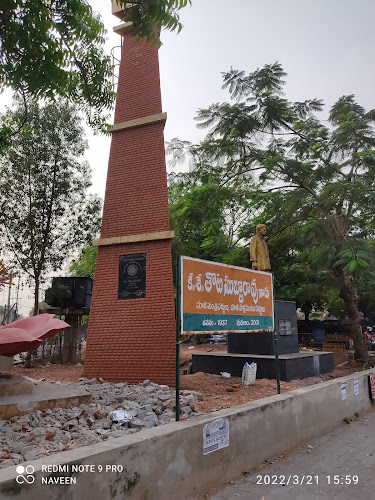
Former MP Kakinada Tota Subba Rao statue

Jawaharlal Nehru Technological University, Kakinada

JNTUK Gandhi statue
Find Accommodations Nearby
Recommended Tours & Activities
Visitor Reviews
There are no reviews yet. Be the first one to write one.
Share Your Experience
Have you visited AJEET War Trophy? Help other travelers by leaving a review.