
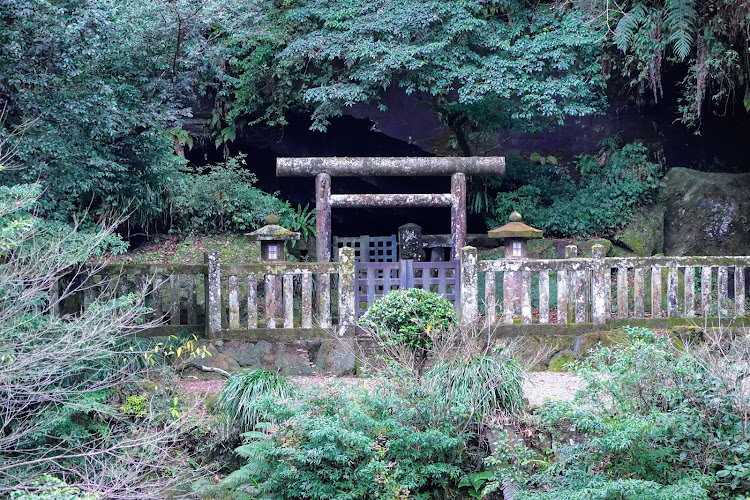
Aira Sanryo
About Aira Sanryo
Description
The Aira Sanryo stands as one of Japan's most compelling historical landmarks, though it doesn't receive nearly the attention it deserves from international travelers. This remarkable site represents centuries of Japanese heritage and offers visitors a genuine glimpse into the country's rich cultural tapestry without the overwhelming crowds you'll find at more famous destinations. What struck me most during my first visit was how this place manages to feel both sacred and accessible at the same time. You'll find yourself walking through grounds that have witnessed countless generations of worshippers and pilgrims, yet the atmosphere never feels intimidating or overly formal. The site serves dual purposes as both a historical landmark and an active place of worship, creating this unique energy that's honestly quite difficult to describe until you experience it yourself. The architecture here tells stories that textbooks simply can't capture. And while I'm not usually one to get overly sentimental about old buildings, there's something about the way the structures blend with their natural surroundings that creates this almost meditative quality. The craftsmanship reflects traditional Japanese building techniques that have been passed down through generations, with attention to detail that modern construction rarely matches. But what really sets Aira Sanryo apart from other historical sites is its continued relevance in contemporary Japanese spiritual life. This isn't just a museum piece - it's a living, breathing part of the community. Local families still come here for important ceremonies and festivals, which means you're not just observing history, you're witnessing its continuation.Key Features
• Traditional Japanese architectural elements showcasing centuries-old building techniques and design principles • Active worship facilities that demonstrate the ongoing spiritual significance of the site in modern Japan • Wheelchair accessible parking facilities making the location inclusive for visitors with mobility needs • Family-friendly environment suitable for travelers with children of all ages • Peaceful grounds offering respite from Japan's typically bustling urban centers • Historical significance spanning multiple periods of Japanese history • Integration of natural and built environments reflecting Japanese aesthetic principles • Opportunity to observe authentic Japanese spiritual practices and ceremonies • Less crowded alternative to more famous historical landmarks in Japan • Photography opportunities capturing both architectural details and scenic landscapes • Cultural learning experiences through direct observation of ongoing traditions • Seasonal variations in appearance and activities throughout the yearBest Time to Visit
Timing your visit to Aira Sanryo can really make or break your experience, and I learned this the hard way during my second trip there. Spring, particularly late March through early May, offers some of the most spectacular conditions you'll encounter. The weather's mild enough for comfortable exploration, and if you're lucky with the timing, you might catch some of the most beautiful seasonal displays Japan has to offer. Summer visits require a bit more planning and honestly, a higher tolerance for humidity. July and August can be pretty intense, with temperatures climbing well into the 80s and 90s Fahrenheit. But here's the thing - summer also brings some unique festivals and ceremonies that you won't see during other seasons. If you can handle the heat and don't mind working around occasional afternoon thunderstorms, summer visits can be incredibly rewarding. Fall, particularly October and November, might actually be my personal favorite time to visit. The temperatures are comfortable, usually ranging from the mid-50s to low-70s, and there's this crispness in the air that makes everything feel more vivid. You'll also encounter fewer international tourists during these months, which means a more authentic experience and better photo opportunities without crowds. Winter visits present their own challenges and rewards. January and February can be quite cold, with temperatures often dropping below freezing, but there's something almost mystical about experiencing this place under winter conditions. The sparse crowds mean you'll often have entire sections to yourself, creating moments of solitude that are increasingly rare at Japanese cultural sites. I'd strongly recommend avoiding major Japanese holidays like Golden Week (late April/early May) and Obon (mid-August) unless you specifically want to observe how locals celebrate these occasions. The crowds during these periods can be overwhelming, and parking becomes a real challenge despite the accessible facilities.How to Get There
Getting to Aira Sanryo requires a bit more planning than reaching Japan's major tourist destinations, but that's honestly part of what makes it special. The journey itself becomes part of the experience, taking you through areas of Japan that most international visitors never see. Your best bet is to start from Kagoshima, which serves as the main transportation hub for the region. From Kagoshima-Chuo Station, you'll need to catch the JR Nippo Line heading toward Kokubun. The train ride takes approximately 45 minutes and offers some genuinely beautiful scenery along the way, particularly if you manage to snag a window seat on the right side of the train. Once you reach Kajiki Station, you're still about 15 minutes away from the actual site. Local buses run sporadically, and honestly, the schedule can be confusing even for Japanese speakers. I'd recommend taking a taxi for this final leg unless you're feeling particularly adventurous and have plenty of time to spare. The taxi ride typically costs around 1,500-2,000 yen and most drivers know the location, though having the destination written in Japanese characters can be helpful. If you're driving, which I actually prefer for this particular destination, take the Kyushu Expressway and exit at Kagoshima Airport IC. From there, it's about a 20-minute drive through some lovely countryside. The wheelchair accessible parking lot makes this option particularly appealing for visitors with mobility needs. For international travelers, the most practical approach involves flying into either Kagoshima Airport or taking the shinkansen to Kagoshima-Chuo if you're coming from other parts of Japan. Kagoshima Airport is actually quite close to Aira Sanryo - only about 30 minutes by car - so renting a vehicle directly from the airport can be an efficient choice. Public transportation options become more limited in the evening, so plan your return journey carefully. The last trains back to Kagoshima typically depart around 10 PM, but don't cut it too close because missing that connection can leave you stranded in a fairly remote area.Tips for Visiting
Dress appropriately, and I cannot stress this enough. While Aira Sanryo isn't as strict as some religious sites, you'll want to show respect for the worship activities that continue here. Modest clothing works best - avoid shorts, tank tops, or anything too revealing. And comfortable walking shoes are absolutely essential because you'll be doing more walking than you might expect, often on uneven surfaces. Bring cash, lots of it. This area hasn't embraced electronic payments the way Tokyo or Osaka have, and you'll need physical yen for everything from parking to small purchases at nearby shops. I learned this lesson when my card was declined at a local restaurant, leaving me pretty embarrassed and very hungry. Photography etiquette matters significantly here. While the site generally allows photography, be mindful of active worship services and always ask permission before photographing people. Some areas may have restrictions during certain ceremonies, so pay attention to posted signs and follow the lead of other visitors. The weather can change quickly in this region, especially during spring and fall. Bring layers and consider packing a light rain jacket even if the forecast looks clear. I've been caught in sudden downpours that came out of nowhere, and while there's some shelter on the grounds, it's limited. Learn a few basic Japanese phrases before your visit. While some staff members might speak limited English, you'll have a much richer experience if you can manage simple greetings and expressions of gratitude. Local visitors often appreciate when foreigners make an effort to communicate in Japanese, even imperfectly. Plan for at least two to three hours on site if you want to fully appreciate what Aira Sanryo offers. Rushing through defeats the purpose entirely. This isn't the kind of place where you snap a few photos and move on - it's meant to be experienced slowly and thoughtfully. Consider timing your visit to coincide with local festivals or ceremonies, but research these events beforehand. Participating in or observing these activities can provide incredible insights into Japanese culture, but they may also affect accessibility and require different behavior expectations. Bring water and snacks, particularly if you're visiting with children. While there are some facilities nearby, options are limited and may not cater to international tastes or dietary restrictions. The site is good for kids, but hungry children can quickly become cranky children, and that doesn't make for an enjoyable cultural experience. Finally, approach your visit with patience and openness. Aira Sanryo isn't designed for quick consumption like many tourist attractions. Its rewards come to those willing to slow down, observe carefully, and appreciate the subtle ways that history continues to influence the present.Key Features
- Cluster of cave-style imperial tombs tied to the mythic ancestors of Emperor Jimmu
- 500-meter forested approach with a riverside setting and lush greenery
- Peaceful park atmosphere popular for reflection, photography and picnics
- Koi carp ponds and small riverside features adding to scenic charm
- Less-crowded, off-the-beaten-path cultural site with local spiritual significance
More Details
Updated September 14, 2025
Table of Contents
Description
The Aira Sanryo stands as one of Japan’s most compelling historical landmarks, though it doesn’t receive nearly the attention it deserves from international travelers. This remarkable site represents centuries of Japanese heritage and offers visitors a genuine glimpse into the country’s rich cultural tapestry without the overwhelming crowds you’ll find at more famous destinations.
What struck me most during my first visit was how this place manages to feel both sacred and accessible at the same time. You’ll find yourself walking through grounds that have witnessed countless generations of worshippers and pilgrims, yet the atmosphere never feels intimidating or overly formal. The site serves dual purposes as both a historical landmark and an active place of worship, creating this unique energy that’s honestly quite difficult to describe until you experience it yourself.
The architecture here tells stories that textbooks simply can’t capture. And while I’m not usually one to get overly sentimental about old buildings, there’s something about the way the structures blend with their natural surroundings that creates this almost meditative quality. The craftsmanship reflects traditional Japanese building techniques that have been passed down through generations, with attention to detail that modern construction rarely matches.
But what really sets Aira Sanryo apart from other historical sites is its continued relevance in contemporary Japanese spiritual life. This isn’t just a museum piece – it’s a living, breathing part of the community. Local families still come here for important ceremonies and festivals, which means you’re not just observing history, you’re witnessing its continuation.
Key Features
• Traditional Japanese architectural elements showcasing centuries-old building techniques and design principles
• Active worship facilities that demonstrate the ongoing spiritual significance of the site in modern Japan
• Wheelchair accessible parking facilities making the location inclusive for visitors with mobility needs
• Family-friendly environment suitable for travelers with children of all ages
• Peaceful grounds offering respite from Japan’s typically bustling urban centers
• Historical significance spanning multiple periods of Japanese history
• Integration of natural and built environments reflecting Japanese aesthetic principles
• Opportunity to observe authentic Japanese spiritual practices and ceremonies
• Less crowded alternative to more famous historical landmarks in Japan
• Photography opportunities capturing both architectural details and scenic landscapes
• Cultural learning experiences through direct observation of ongoing traditions
• Seasonal variations in appearance and activities throughout the year
Best Time to Visit
Timing your visit to Aira Sanryo can really make or break your experience, and I learned this the hard way during my second trip there. Spring, particularly late March through early May, offers some of the most spectacular conditions you’ll encounter. The weather’s mild enough for comfortable exploration, and if you’re lucky with the timing, you might catch some of the most beautiful seasonal displays Japan has to offer.
Summer visits require a bit more planning and honestly, a higher tolerance for humidity. July and August can be pretty intense, with temperatures climbing well into the 80s and 90s Fahrenheit. But here’s the thing – summer also brings some unique festivals and ceremonies that you won’t see during other seasons. If you can handle the heat and don’t mind working around occasional afternoon thunderstorms, summer visits can be incredibly rewarding.
Fall, particularly October and November, might actually be my personal favorite time to visit. The temperatures are comfortable, usually ranging from the mid-50s to low-70s, and there’s this crispness in the air that makes everything feel more vivid. You’ll also encounter fewer international tourists during these months, which means a more authentic experience and better photo opportunities without crowds.
Winter visits present their own challenges and rewards. January and February can be quite cold, with temperatures often dropping below freezing, but there’s something almost mystical about experiencing this place under winter conditions. The sparse crowds mean you’ll often have entire sections to yourself, creating moments of solitude that are increasingly rare at Japanese cultural sites.
I’d strongly recommend avoiding major Japanese holidays like Golden Week (late April/early May) and Obon (mid-August) unless you specifically want to observe how locals celebrate these occasions. The crowds during these periods can be overwhelming, and parking becomes a real challenge despite the accessible facilities.
How to Get There
Getting to Aira Sanryo requires a bit more planning than reaching Japan’s major tourist destinations, but that’s honestly part of what makes it special. The journey itself becomes part of the experience, taking you through areas of Japan that most international visitors never see.
Your best bet is to start from Kagoshima, which serves as the main transportation hub for the region. From Kagoshima-Chuo Station, you’ll need to catch the JR Nippo Line heading toward Kokubun. The train ride takes approximately 45 minutes and offers some genuinely beautiful scenery along the way, particularly if you manage to snag a window seat on the right side of the train.
Once you reach Kajiki Station, you’re still about 15 minutes away from the actual site. Local buses run sporadically, and honestly, the schedule can be confusing even for Japanese speakers. I’d recommend taking a taxi for this final leg unless you’re feeling particularly adventurous and have plenty of time to spare. The taxi ride typically costs around 1,500-2,000 yen and most drivers know the location, though having the destination written in Japanese characters can be helpful.
If you’re driving, which I actually prefer for this particular destination, take the Kyushu Expressway and exit at Kagoshima Airport IC. From there, it’s about a 20-minute drive through some lovely countryside. The wheelchair accessible parking lot makes this option particularly appealing for visitors with mobility needs.
For international travelers, the most practical approach involves flying into either Kagoshima Airport or taking the shinkansen to Kagoshima-Chuo if you’re coming from other parts of Japan. Kagoshima Airport is actually quite close to Aira Sanryo – only about 30 minutes by car – so renting a vehicle directly from the airport can be an efficient choice.
Public transportation options become more limited in the evening, so plan your return journey carefully. The last trains back to Kagoshima typically depart around 10 PM, but don’t cut it too close because missing that connection can leave you stranded in a fairly remote area.
Tips for Visiting
Dress appropriately, and I cannot stress this enough. While Aira Sanryo isn’t as strict as some religious sites, you’ll want to show respect for the worship activities that continue here. Modest clothing works best – avoid shorts, tank tops, or anything too revealing. And comfortable walking shoes are absolutely essential because you’ll be doing more walking than you might expect, often on uneven surfaces.
Bring cash, lots of it. This area hasn’t embraced electronic payments the way Tokyo or Osaka have, and you’ll need physical yen for everything from parking to small purchases at nearby shops. I learned this lesson when my card was declined at a local restaurant, leaving me pretty embarrassed and very hungry.
Photography etiquette matters significantly here. While the site generally allows photography, be mindful of active worship services and always ask permission before photographing people. Some areas may have restrictions during certain ceremonies, so pay attention to posted signs and follow the lead of other visitors.
The weather can change quickly in this region, especially during spring and fall. Bring layers and consider packing a light rain jacket even if the forecast looks clear. I’ve been caught in sudden downpours that came out of nowhere, and while there’s some shelter on the grounds, it’s limited.
Learn a few basic Japanese phrases before your visit. While some staff members might speak limited English, you’ll have a much richer experience if you can manage simple greetings and expressions of gratitude. Local visitors often appreciate when foreigners make an effort to communicate in Japanese, even imperfectly.
Plan for at least two to three hours on site if you want to fully appreciate what Aira Sanryo offers. Rushing through defeats the purpose entirely. This isn’t the kind of place where you snap a few photos and move on – it’s meant to be experienced slowly and thoughtfully.
Consider timing your visit to coincide with local festivals or ceremonies, but research these events beforehand. Participating in or observing these activities can provide incredible insights into Japanese culture, but they may also affect accessibility and require different behavior expectations.
Bring water and snacks, particularly if you’re visiting with children. While there are some facilities nearby, options are limited and may not cater to international tastes or dietary restrictions. The site is good for kids, but hungry children can quickly become cranky children, and that doesn’t make for an enjoyable cultural experience.
Finally, approach your visit with patience and openness. Aira Sanryo isn’t designed for quick consumption like many tourist attractions. Its rewards come to those willing to slow down, observe carefully, and appreciate the subtle ways that history continues to influence the present.
Key Highlights
- Cluster of cave-style imperial tombs tied to the mythic ancestors of Emperor Jimmu
- 500-meter forested approach with a riverside setting and lush greenery
- Peaceful park atmosphere popular for reflection, photography and picnics
- Koi carp ponds and small riverside features adding to scenic charm
- Less-crowded, off-the-beaten-path cultural site with local spiritual significance
Location
Places to Stay Near Aira Sanryo
Find and Book a Tour
Explore More Travel Guides
No reviews found! Be the first to review!
Traveler Reviews for Aira Sanryo
There are no reviews yet. Be the first one to write one.
Have you visited Aira Sanryo? Help other travelers by sharing your review.
Nearby Attractions
You Might Also Like
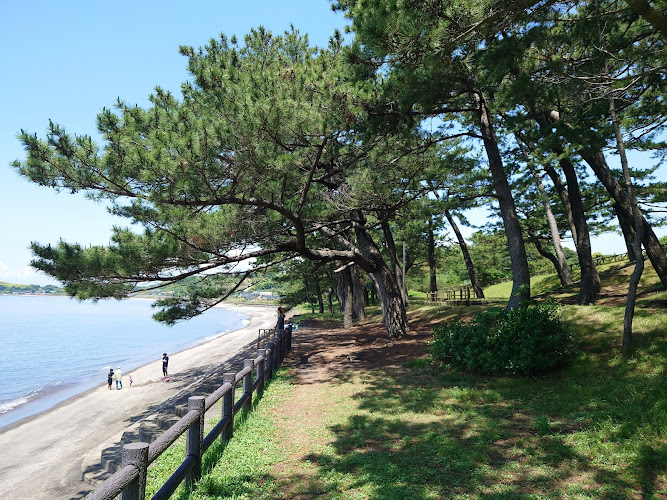
Kanoya Seaside Park

Kanoya Small Animal Zoo

Kanoya Rose Garden
Find Accommodations Nearby
Recommended Tours & Activities
Visitor Reviews
There are no reviews yet. Be the first one to write one.
Share Your Experience
Have you visited Aira Sanryo? Help other travelers by leaving a review.