
Air Combat Museum
About Air Combat Museum
Description
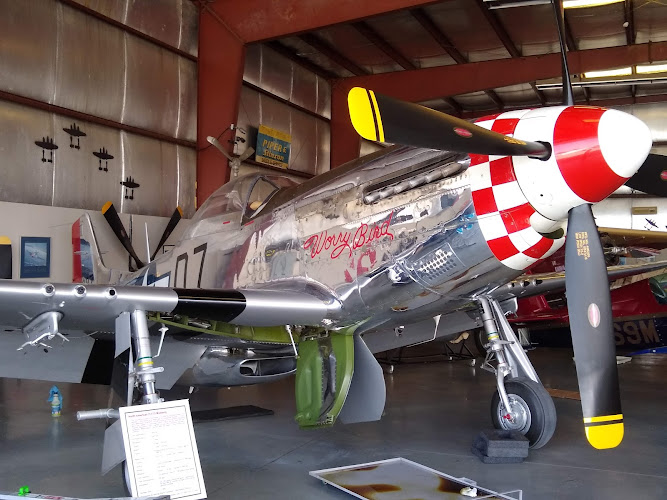
The Air Combat Museum in Springfield, Illinois serves as a hands-on chronicle of aviation history and military aviation. Visitors find restored fighters and trainer aircraft displayed in hangar-like spaces that feel less like a quiet showroom and more like a living workshop. The museum's collection emphasizes air combat and flight technology across decades, from wartime workhorses to Cold War jets, and the exhibits include aircraft, artifacts, flight gear, and stories that stitch together local and national aviation narratives.
This museum is often described by locals as small but mighty. It does not try to overwhelm with acres of polished displays; instead it focuses on depth—restoration projects, pilot memoirs, and technical details that aviation enthusiasts will savor. At the same time, families and casual travelers report that the setting is welcoming for kids, who can lean in close to cockpits and imagine themselves at the controls. There is an approachable tone here: volunteers and docents enjoy chatting about engines, tactics, and the odd anecdote that brings a plane to life. That friendliness is one of the museum's strongest draws.
Accessibility is straightforward. Wheelchair accessible entrances and parking are available, and accessible restrooms help make a visit practical for most guests. The layout is generally easy to navigate, though during special events or restoration demonstrations some areas can get a bit tight. On-site parking means people coming from out of town—often combined with a short hop in or out of a nearby airport—won't need to circle for a spot. A restroom is onsite, but visitors should note there is no full-service restaurant; plan accordingly for snacks or a nearby lunch after the visit.
One memorable feature is the emphasis on restoration and preservation. The museum treats aircraft not as static trophies but as projects and stories in progress. Visitors can sometimes watch volunteers work on an airframe or see a freshly completed panel that was a labor of love. For those curious about how a plane comes back to flying or display condition, these behind-the-scenes moments are gold. It makes the museum feel like part workshop, part history archive, and part community center for aviation fans.
Education is central. Guided tours are offered and they tend to be conversational—more like a passionate neighbor telling the tale of a local hero than a scripted lecture. These tours shine for people who want context: why a certain aircraft mattered, how tactics changed over time, or what life was like in a cockpit during a particular era. The exhibits include wartime photos, pilot artifacts, and technical displays that together explain bigger themes in aviation history, such as shifts in technology, the role of air power in global conflicts, and the human stories behind the machines.
There is a balanced realism to the experience. The museum celebrates engineering and bravery, but it does not shy away from the costs and complexities of air combat and military service. That nuance makes it a good stop for visitors who want more than glossy heroics—those who are curious about strategy, maintenance challenges, and the evolution of aircraft design. At the same time, the museum keeps things accessible for visitors who simply want to see cool planes up close. Large interpretive signs and friendly staff make complex topics understandable without being dumbed down.
For travelers planning a day in Springfield, the Air Combat Museum often slots nicely into an itinerary. It pairs well with nearby historical sites and offers a quieter alternative to busier tourist stops. Many visitors appreciate the personalized feel: a volunteer might spend twenty minutes explaining the quirks of a particular cockpit instrument or share a local tale about an airshow decades ago. Those little tangents—someone describing the smell of aviation fuel at sunrise, or a mechanic recounting an improbable spare-part salvage—are what make the visit stick in the memory.
Practical notes and subtle caveats: the museum's footprint is compact compared with larger national institutions, so those expecting a sprawling campus might be surprised. But that compactness is also a strength—exhibits are close, intimate, and curated with clear intent. Photography is generally welcome for personal use, and families find it straightforward to spend an hour or two without feeling rushed. Bring a jacket if a restoration bay visit is on the schedule; some hangar spaces can be cooler than one would expect.
Overall, the Air Combat Museum in Springfield is an aviation museum that rewards curiosity. Whether one arrives as an aviation enthusiast, a history buff, or a family with kids who love planes, they will find aircraft on display, stories that connect machines to people, and a community of volunteers who treat each visitor like a fellow traveler in history. It is the kind of place where a single engine cowling or a worn flight jacket can prompt a long story, and where a casual question to a docent can turn into an hour-long lesson in aircraft restoration, navigation, or the quirks of military aviation through the years.
Key Features
More Details
Updated August 29, 2025
Table of Contents
Description
The Air Combat Museum in Springfield, Illinois serves as a hands-on chronicle of aviation history and military aviation. Visitors find restored fighters and trainer aircraft displayed in hangar-like spaces that feel less like a quiet showroom and more like a living workshop. The museum’s collection emphasizes air combat and flight technology across decades, from wartime workhorses to Cold War jets, and the exhibits include aircraft, artifacts, flight gear, and stories that stitch together local and national aviation narratives.
This museum is often described by locals as small but mighty. It does not try to overwhelm with acres of polished displays; instead it focuses on depth—restoration projects, pilot memoirs, and technical details that aviation enthusiasts will savor. At the same time, families and casual travelers report that the setting is welcoming for kids, who can lean in close to cockpits and imagine themselves at the controls. There is an approachable tone here: volunteers and docents enjoy chatting about engines, tactics, and the odd anecdote that brings a plane to life. That friendliness is one of the museum’s strongest draws.
Accessibility is straightforward. Wheelchair accessible entrances and parking are available, and accessible restrooms help make a visit practical for most guests. The layout is generally easy to navigate, though during special events or restoration demonstrations some areas can get a bit tight. On-site parking means people coming from out of town—often combined with a short hop in or out of a nearby airport—won’t need to circle for a spot. A restroom is onsite, but visitors should note there is no full-service restaurant; plan accordingly for snacks or a nearby lunch after the visit.
One memorable feature is the emphasis on restoration and preservation. The museum treats aircraft not as static trophies but as projects and stories in progress. Visitors can sometimes watch volunteers work on an airframe or see a freshly completed panel that was a labor of love. For those curious about how a plane comes back to flying or display condition, these behind-the-scenes moments are gold. It makes the museum feel like part workshop, part history archive, and part community center for aviation fans.
Education is central. Guided tours are offered and they tend to be conversational—more like a passionate neighbor telling the tale of a local hero than a scripted lecture. These tours shine for people who want context: why a certain aircraft mattered, how tactics changed over time, or what life was like in a cockpit during a particular era. The exhibits include wartime photos, pilot artifacts, and technical displays that together explain bigger themes in aviation history, such as shifts in technology, the role of air power in global conflicts, and the human stories behind the machines.
There is a balanced realism to the experience. The museum celebrates engineering and bravery, but it does not shy away from the costs and complexities of air combat and military service. That nuance makes it a good stop for visitors who want more than glossy heroics—those who are curious about strategy, maintenance challenges, and the evolution of aircraft design. At the same time, the museum keeps things accessible for visitors who simply want to see cool planes up close. Large interpretive signs and friendly staff make complex topics understandable without being dumbed down.
For travelers planning a day in Springfield, the Air Combat Museum often slots nicely into an itinerary. It pairs well with nearby historical sites and offers a quieter alternative to busier tourist stops. Many visitors appreciate the personalized feel: a volunteer might spend twenty minutes explaining the quirks of a particular cockpit instrument or share a local tale about an airshow decades ago. Those little tangents—someone describing the smell of aviation fuel at sunrise, or a mechanic recounting an improbable spare-part salvage—are what make the visit stick in the memory.
Practical notes and subtle caveats: the museum’s footprint is compact compared with larger national institutions, so those expecting a sprawling campus might be surprised. But that compactness is also a strength—exhibits are close, intimate, and curated with clear intent. Photography is generally welcome for personal use, and families find it straightforward to spend an hour or two without feeling rushed. Bring a jacket if a restoration bay visit is on the schedule; some hangar spaces can be cooler than one would expect.
Overall, the Air Combat Museum in Springfield is an aviation museum that rewards curiosity. Whether one arrives as an aviation enthusiast, a history buff, or a family with kids who love planes, they will find aircraft on display, stories that connect machines to people, and a community of volunteers who treat each visitor like a fellow traveler in history. It is the kind of place where a single engine cowling or a worn flight jacket can prompt a long story, and where a casual question to a docent can turn into an hour-long lesson in aircraft restoration, navigation, or the quirks of military aviation through the years.
Key Highlights
Air Combat Museum
Location
Places to Stay Near Air Combat Museum
Find and Book a Tour
Explore More Travel Guides
No reviews found! Be the first to review!
Traveler Reviews for Air Combat Museum
There are no reviews yet. Be the first one to write one.
Have you visited Air Combat Museum? Help other travelers by sharing your review.
You Might Also Like
Dana-Thomas House

Doling Park

Stuart Park
Find Accommodations Nearby
Recommended Tours & Activities
Visitor Reviews
There are no reviews yet. Be the first one to write one.
Share Your Experience
Have you visited Air Combat Museum? Help other travelers by leaving a review.