
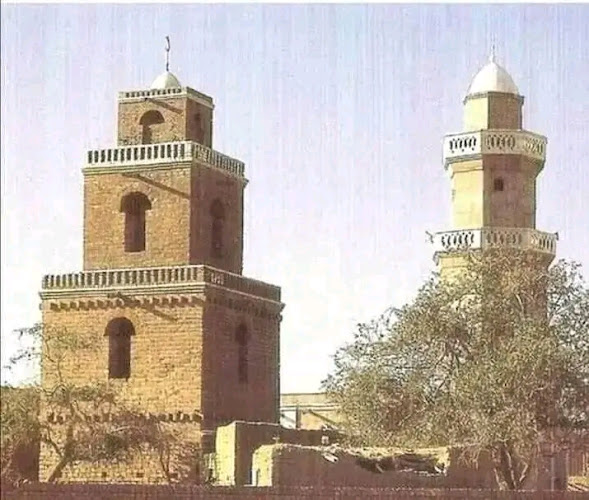
Abeche
About Abeche
Description
Let me tell you about Abéché - it's not your typical tourist destination, and that's exactly what makes it fascinating. As someone who's deeply interested in historical cities, I find Abéché's role as the capital of Chad's Ouaddaï Region particularly compelling. The city stands as a testament to centuries of Sahelian history, with its streets telling stories of ancient sultanates and trade routes that once crisscrossed this part of Africa. Walking through Abéché feels like stepping into a living museum. The old town area, with its weathered walls and narrow alleyways, showcases traditional Chadian architecture that's survived the test of time. You'll notice the distinct influence of both African and Islamic architectural styles, especially in the remaining historical structures.Key Features
• Ancient Sultan's Palace complex - though partially in ruins, it still commands respect and awe • Traditional mosques featuring unique Sahelian architectural elements • Historical sultanate burial grounds where former rulers rest • bustling local markets where traders continue age-old commercial traditions • Traditional craftsmanship centers where local artisans work • Educational institutions, including the University of Abéché • Regional medical facilities serving the eastern region of Chad • Distinctive mud-brick architecture characteristic of Sahelian urban designBest Time to Visit
From my experience tracking weather patterns in the Sahel region, November through February offers the most pleasant conditions for exploring Abéché. During these months, temperatures are relatively mild (well, by Chadian standards!) and the dry season means clear skies perfect for photography and outdoor exploration. I'd strongly suggest avoiding visits between March and June - trust me, the heat can be absolutely brutal during this period. The thermometer regularly hits 40°C (104°F), and the hot winds can make sightseeing pretty uncomfortable. The rainy season, which typically runs from July to October, brings some relief from the heat but can make some roads difficult to navigate.How to Get There
Getting to Abéché requires some planning and patience - but isn't that part of the adventure? The city is served by Abéché Airport, which handles domestic flights from N'Djamena, Chad's capital. If you're feeling adventurous (and have time to spare), you can take the overland route from N'Djamena. The journey takes about two days by car, depending on road conditions. The roads leading to Abéché can be challenging, especially during the rainy season. If you're driving, a 4x4 vehicle isn't just recommended - it's essential. I learned this lesson the hard way during my first visit! Local bush taxis and buses also operate between major towns, though schedules can be unpredictable.Tips for Visiting
Based on my time in Abéché, I've gathered some practical advice that might make your visit smoother. First off, pack plenty of light, loose-fitting clothing - the climate here doesn't mess around. A good hat and sunscreen are absolute must-haves, and don't forget to bring a reliable water bottle. Language can be a bit tricky here. While French is widely used in official settings, Arabic and local languages like Maba are more common on the streets. I've found that learning a few basic Arabic greetings goes a long way in building rapport with locals. Security considerations are important - always check current travel advisories before planning your trip. It's wise to arrange accommodation in advance, as options are limited. When photographing, always ask permission first, especially around historical sites and markets. The local markets are fantastic places to experience daily life, but remember to bargain respectfully - it's expected! Early morning is the best time to explore the historic sites, before the heat becomes intense. And don't miss trying the local cuisine - the grilled meats and traditional stews are incredible, though you might want to build up your spice tolerance beforehand! Bring enough cash for your entire stay - ATMs aren't always reliable here. I'd recommend carrying both Central African CFA francs and some backup euros or dollars. Most importantly, approach your visit with patience and flexibility - things move at their own pace in Abéché, and that's part of its charm. Remember to respect local customs and dress codes - conservative clothing is appreciated. If you're visiting during Ramadan, be mindful of eating and drinking in public during daylight hours. The people of Abéché are known for their hospitality, and showing respect for local traditions will enhance your experience immensely.Key Features
- Key Features
- Best Time to Visit
- How to Get There
- Tips for Visiting
More Details
Updated June 24, 2025
Table of Contents
Description
Let me tell you about Abéché – it’s not your typical tourist destination, and that’s exactly what makes it fascinating. As someone who’s deeply interested in historical cities, I find Abéché’s role as the capital of Chad’s Ouaddaï Region particularly compelling. The city stands as a testament to centuries of Sahelian history, with its streets telling stories of ancient sultanates and trade routes that once crisscrossed this part of Africa.
Walking through Abéché feels like stepping into a living museum. The old town area, with its weathered walls and narrow alleyways, showcases traditional Chadian architecture that’s survived the test of time. You’ll notice the distinct influence of both African and Islamic architectural styles, especially in the remaining historical structures.
Key Features
• Ancient Sultan’s Palace complex – though partially in ruins, it still commands respect and awe
• Traditional mosques featuring unique Sahelian architectural elements
• Historical sultanate burial grounds where former rulers rest
• bustling local markets where traders continue age-old commercial traditions
• Traditional craftsmanship centers where local artisans work
• Educational institutions, including the University of Abéché
• Regional medical facilities serving the eastern region of Chad
• Distinctive mud-brick architecture characteristic of Sahelian urban design
Best Time to Visit
From my experience tracking weather patterns in the Sahel region, November through February offers the most pleasant conditions for exploring Abéché. During these months, temperatures are relatively mild (well, by Chadian standards!) and the dry season means clear skies perfect for photography and outdoor exploration.
I’d strongly suggest avoiding visits between March and June – trust me, the heat can be absolutely brutal during this period. The thermometer regularly hits 40°C (104°F), and the hot winds can make sightseeing pretty uncomfortable. The rainy season, which typically runs from July to October, brings some relief from the heat but can make some roads difficult to navigate.
How to Get There
Getting to Abéché requires some planning and patience – but isn’t that part of the adventure? The city is served by Abéché Airport, which handles domestic flights from N’Djamena, Chad’s capital. If you’re feeling adventurous (and have time to spare), you can take the overland route from N’Djamena. The journey takes about two days by car, depending on road conditions.
The roads leading to Abéché can be challenging, especially during the rainy season. If you’re driving, a 4×4 vehicle isn’t just recommended – it’s essential. I learned this lesson the hard way during my first visit! Local bush taxis and buses also operate between major towns, though schedules can be unpredictable.
Tips for Visiting
Based on my time in Abéché, I’ve gathered some practical advice that might make your visit smoother. First off, pack plenty of light, loose-fitting clothing – the climate here doesn’t mess around. A good hat and sunscreen are absolute must-haves, and don’t forget to bring a reliable water bottle.
Language can be a bit tricky here. While French is widely used in official settings, Arabic and local languages like Maba are more common on the streets. I’ve found that learning a few basic Arabic greetings goes a long way in building rapport with locals.
Security considerations are important – always check current travel advisories before planning your trip. It’s wise to arrange accommodation in advance, as options are limited. When photographing, always ask permission first, especially around historical sites and markets.
The local markets are fantastic places to experience daily life, but remember to bargain respectfully – it’s expected! Early morning is the best time to explore the historic sites, before the heat becomes intense. And don’t miss trying the local cuisine – the grilled meats and traditional stews are incredible, though you might want to build up your spice tolerance beforehand!
Bring enough cash for your entire stay – ATMs aren’t always reliable here. I’d recommend carrying both Central African CFA francs and some backup euros or dollars. Most importantly, approach your visit with patience and flexibility – things move at their own pace in Abéché, and that’s part of its charm.
Remember to respect local customs and dress codes – conservative clothing is appreciated. If you’re visiting during Ramadan, be mindful of eating and drinking in public during daylight hours. The people of Abéché are known for their hospitality, and showing respect for local traditions will enhance your experience immensely.
Key Highlights
- Key Features
- Best Time to Visit
- How to Get There
- Tips for Visiting
Location
Places to Stay Near Abeche
Find and Book a Tour
Explore More Travel Guides
No reviews found! Be the first to review!
Traveler Reviews for Abeche
There are no reviews yet. Be the first one to write one.
Have you visited Abeche? Help other travelers by sharing your review.
You Might Also Like
Find Accommodations Nearby
Recommended Tours & Activities
Visitor Reviews
There are no reviews yet. Be the first one to write one.
Share Your Experience
Have you visited Abeche? Help other travelers by leaving a review.