
Abby Aldrich Rockefeller Folk Art Museum
About Abby Aldrich Rockefeller Folk Art Museum
Description
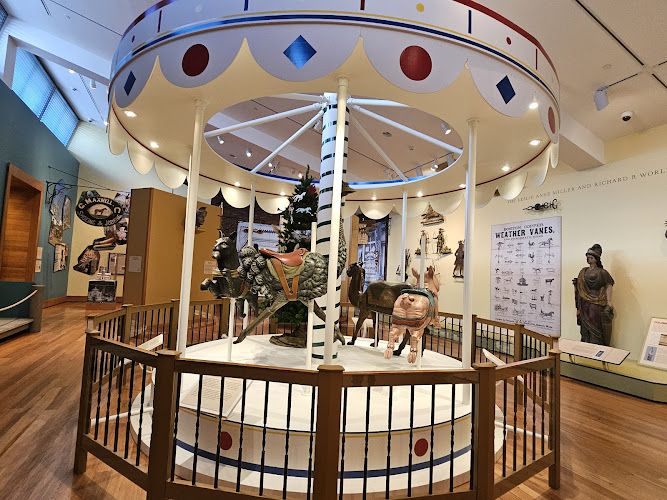
The Abby Aldrich Rockefeller Folk Art Museum is one of those places that surprises you in the best way possible. It’s not a massive, intimidating museum where you feel like you need an art degree just to understand what’s going on. Instead, it’s warm, approachable, and a little quirky—just like the folk art it celebrates. Opened in 1957, it holds the title as the oldest continuously operating museum in the world dedicated to American folk art. That’s not just trivia; it’s a testament to how much care has gone into preserving pieces made by everyday people who had a knack for turning ordinary materials into something extraordinary.
Inside, you’ll find a rotating collection of paintings, sculptures, quilts, carvings, and whimsical objects that tell the story of America’s past in a way textbooks never could. These aren’t polished works from elite studios. They’re heartfelt creations from farmers, sailors, homemakers, and self-taught artisans who poured their creativity into whatever they had at hand. And honestly, that’s what makes it so fascinating—you’re seeing history through the eyes of people who lived it, not just through the lens of scholars.
Most visitors leave feeling inspired rather than overwhelmed, which is probably why it has such a strong reputation. Sure, not every single exhibit will blow you away (that’s the nature of rotating collections), but the overall experience is consistently engaging. Families, solo travelers, and even kids find something to connect with here. And if you’re the type who likes a little extra context, guided tours and live performances really bring the stories behind the art to life. It’s the kind of museum that feels human, relatable, and yes—fun.
Key Features
- Rotating exhibitions of American folk art including paintings, quilts, sculptures, and more
- Live performances that add context and energy to the exhibits
- Wheelchair accessible entrances, restrooms, and parking
- On-site café and gift shop for a relaxed break or a unique souvenir
- Guided tours available for those who want deeper insights
- Family-friendly environment with exhibits that appeal to kids and adults alike
- Free Wi-Fi throughout the museum to help you share your visit instantly
- On-site parking for added convenience
Best Time to Visit
Timing your visit can make a big difference. Weekdays tend to be quieter, which means you can wander at your own pace without feeling rushed. If you’re someone who likes to linger in front of a quilt or a painting (guilty as charged), then mid-morning on a Tuesday is your sweet spot. Weekends, especially during holiday seasons or school breaks, can get crowded, but the lively energy has its own charm. The rotating exhibits mean there’s always something fresh to see, so even if you’ve been before, coming back a year later feels like a new experience. Personally, I think fall is an underrated time—cooler weather, fewer crowds, and the cozy vibe of folk art just clicks with autumn.
How to Get There
The museum sits just outside the historic heart of Williamsburg, making it easy to fold into a trip that also includes Colonial Williamsburg or other nearby attractions. If you’re already exploring the area on foot, it’s a short and pleasant walk. Driving is straightforward as well, with on-site parking available so you don’t have to stress about finding a spot. For those relying on public transport, local shuttle services and ride-shares are convenient options. Honestly, it’s one of those destinations that doesn’t require a complicated plan—you can get there with minimal hassle, which is always a win when traveling.
Tips for Visiting
Here’s where a little insider advice can help you make the most of your trip. First, get your tickets in advance. It saves time at the entrance and sometimes gives you access to special programs. Plan to spend at least two hours if you want to see the exhibits without rushing, but if you’re the type who enjoys reading every placard (I’m guilty of that), budget closer to half a day.
Wear comfortable shoes—you’ll be on your feet more than you expect. And don’t skip the café. It’s not just a place to grab a coffee; it’s a nice pause between exhibits where you can digest what you’ve seen (and maybe people-watch a little). The gift shop is worth a look too. Unlike many museum shops that feel like an afterthought, this one curates items that actually reflect the spirit of folk art. I once picked up a hand-stitched piece there that still gets compliments when friends visit my home.
For families, the museum is surprisingly kid-friendly. The colors, shapes, and stories behind the art keep younger visitors engaged, and staff are used to welcoming kids with curiosity. If accessibility is a concern, rest easy—the museum is well-equipped with ramps, accessible restrooms, and parking. And don’t be afraid to join a tour or catch a live performance. They add layers of storytelling that make the art come alive in ways you might not expect.
Above all, go in with an open mind. Folk art isn’t about perfection—it’s about expression, resilience, and creativity. Sometimes the pieces that look the simplest are the ones that stick with you the longest. And who knows, you might even leave inspired to try a little creative project of your own once you’re back home.
Key Features
- Rotating exhibitions of American folk art including paintings, quilts, sculptures, and more
- Live performances that add context and energy to the exhibits
- Wheelchair accessible entrances, restrooms, and parking
- On-site café and gift shop for a relaxed break or a unique souvenir
- Guided tours available for those who want deeper insights
- Family-friendly environment with exhibits that appeal to kids and adults alike
- Free Wi-Fi throughout the museum to help you share your visit instantly
- On-site parking for added convenience
Tours & Activities
GetYourGuide provides this tour inventory. We may earn a commission if you book through it; verify current availability, prices, and terms with the provider.
Visitor Reviews
There are no reviews yet. Be the first one to write one.
Share Your Experience
Have you visited Abby Aldrich Rockefeller Folk Art Museum? Help other travelers by leaving a review.