
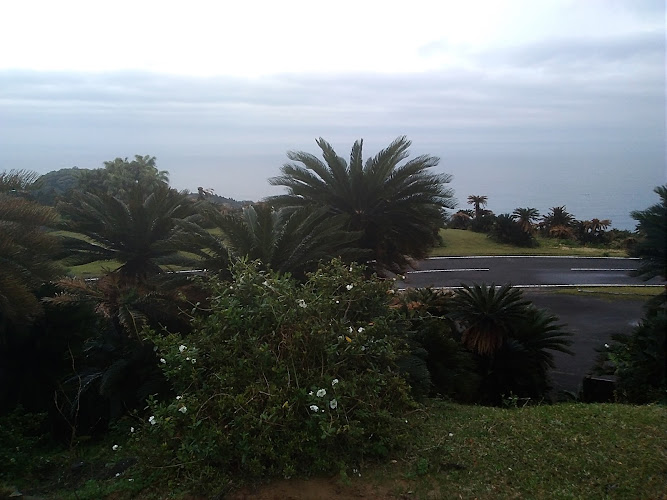
888-0221
About 888-0221
Description
888-0221 isn’t the kind of place you stumble on because it’s plastered across postcards. It’s a postal code, sure, but more than that, it’s a lived-in pocket of the world that travelers often pass through without realizing there’s a whole story humming underneath. And honestly, that’s part of the charm. This area has a practical, everyday feel, the sort of place where locals actually run errands, grab lunch, argue about the weather, and go on with life. For travelers who like seeing how places really work, not just how they’re advertised, 888-0221 has a quiet pull.
What stands out right away is the sense of routine. Early mornings are calm, with shop shutters rolling up and delivery trucks easing into side streets. By midday, the area finds its rhythm. Cafés fill with workers, small family-run businesses do steady trade, and there’s a sense that everyone knows where they’re going. I once spent an afternoon here doing nothing more exciting than walking around and people-watching, and somehow it felt more grounding than ticking off a list of attractions.
As a traveler, you might not come to 888-0221 with big expectations, and that’s a good thing. This is a place that rewards curiosity rather than checklist tourism. There are pockets of character hidden in plain sight: a bakery that’s been open longer than anyone remembers, a narrow street that suddenly opens into a quiet square, or a local market that smells like fresh produce and fried snacks. And yeah, some parts are a bit rough around the edges. But that honesty is refreshing. It’s not pretending to be anything else.
The overall mood here is balanced. Some visitors love the authenticity and slower pace. Others find it too low-key or utilitarian. Both reactions make sense. 888-0221 isn’t polished, but it’s real. And for travelers who value that, it can be surprisingly memorable.
Key Features
- Everyday local atmosphere that gives insight into daily life rather than tourist spectacles
- Small businesses and services that reflect long-standing community roots
- Walkable streets that encourage wandering without a strict plan
- Food spots focused on value and familiarity instead of flashy presentation
- Public spaces where locals gather, especially during lunch breaks and early evenings
- A mix of older structures and newer developments showing gradual change over time
- Calmer evenings compared to major entertainment districts
Best Time to Visit
The best time to explore 888-0221 depends on what kind of traveler you are. If you like observing daily routines, weekday mornings and early afternoons are ideal. That’s when the area feels most alive in a subtle way. You’ll see shop owners chatting with regulars and workers grabbing quick meals. It’s not loud or dramatic, but it’s real life unfolding.
Late spring and early autumn tend to be the most comfortable seasons weather-wise. Summers can get a bit heavy, especially if you’re walking a lot, and winters can feel quiet, almost sleepy. But then again, I visited once in the cooler months and enjoyed how peaceful everything felt. Fewer people rushing around, more time to notice small details like handwritten signs or the smell of food drifting from kitchens.
Weekends are a mixed bag. Some businesses close or shorten hours, which can make parts of 888-0221 feel empty. But at the same time, that’s when you’ll see families out together and a slightly softer pace. If you don’t mind planning loosely and going with the flow, weekends can be rewarding.
How to Get There
Getting to 888-0221 is usually straightforward, especially if you’re already traveling within the region. Public transportation is often the easiest option. Trains or buses tend to serve the area reliably, and from there, most of what you’ll want to see is within walking distance. I’m a big fan of arriving by public transport here because it drops you right into the daily rhythm instead of easing you in gently.
If you’re driving, just know that parking can be hit or miss depending on the time of day. Locals have their routines, and visitor parking isn’t always obvious. It’s doable, just be patient. And read the signs carefully. Trust me on that one; I learned the hard way once and spent more time sorting it out than I’d planned.
Once you’re there, walking is your best friend. The streets aren’t designed for sightseeing buses or big tour groups, and that’s a blessing. Exploring on foot lets you notice the small stuff, which is really what 888-0221 is about.
Tips for Visiting
First tip: slow down. This isn’t a place to rush through. Give yourself time to wander without a goal. Some of my favorite travel moments have come from areas like 888-0221, where nothing major was “supposed” to happen, and yet I ended up feeling connected.
Second, eat where locals eat. Look for spots that seem busy during lunch hours or have menus that don’t try too hard. You might not recognize the names of the dishes, and that’s a good sign. Prices are usually fair, portions honest, and flavors comforting.
Third, don’t expect perfect English everywhere. A few basic phrases or gestures go a long way. People here are generally helpful, but they’re not in customer-service mode. And honestly, that’s part of the appeal. Interactions feel genuine, even if they’re brief.
Fourth, manage expectations. If you’re looking for landmarks or big photo ops, you might leave disappointed. But if you’re curious about how a place actually functions day to day, you’ll find plenty to appreciate. 888-0221 shows you the bones of a community.
Finally, respect the fact that this is primarily a residential and working area. Be mindful with photos, keep noise down, and remember that you’re a guest in someone else’s routine. Do that, and you’ll likely leave with a quiet appreciation for a place that doesn’t shout for attention but still leaves an impression.
In the end, 888-0221 isn’t trying to win awards or top must-visit lists. It just exists, steadily and sincerely. And sometimes, those are the places that stick with you the longest, long after you’ve moved on to somewhere louder.
Key Features
- Everyday local atmosphere that gives insight into daily life rather than tourist spectacles
- Small businesses and services that reflect long-standing community roots
- Walkable streets that encourage wandering without a strict plan
- Food spots focused on value and familiarity instead of flashy presentation
- Public spaces where locals gather, especially during lunch breaks and early evenings
- A mix of older structures and newer developments showing gradual change over time
- Calmer evenings compared to major entertainment districts
More Details
Updated December 31, 2025
Table of Contents
- Description
- Key Features
- Best Time to Visit
- How to Get There
- Tips for Visiting
- Key Highlights
- Location
- Places to Stay Near 888-0221
- Find and Book a Tour
- Explore More Travel Guides
- Cape Toi’s Wild Horses (Misaki-uma): A Practical Guide to Japan’s Nationally Designated Natural Monument
- Why this place matters
- What you’ll see on the cape
- Misaki-uma in their breeding zone
- Cape Toi Lighthouse
- Misaki Shrine & Visitor Facilities
- On-the-ground logistics
- Getting there
- Hours, fees, and what’s open
- Responsible viewing & safety (read this before you go)
- When to visit
- Ecology & background, briefly
- Accessibility & inclusivity notes
- Quick planning checklist
- What’s nearby (easy adds to your day)
- Final word
- Nearby Places You Might Like
- Traveler Reviews for 888-0221
- Share Your Experience
Description
888-0221 isn’t the kind of place you stumble on because it’s plastered across postcards. It’s a postal code, sure, but more than that, it’s a lived-in pocket of the world that travelers often pass through without realizing there’s a whole story humming underneath. And honestly, that’s part of the charm. This area has a practical, everyday feel, the sort of place where locals actually run errands, grab lunch, argue about the weather, and go on with life. For travelers who like seeing how places really work, not just how they’re advertised, 888-0221 has a quiet pull.
What stands out right away is the sense of routine. Early mornings are calm, with shop shutters rolling up and delivery trucks easing into side streets. By midday, the area finds its rhythm. Cafés fill with workers, small family-run businesses do steady trade, and there’s a sense that everyone knows where they’re going. I once spent an afternoon here doing nothing more exciting than walking around and people-watching, and somehow it felt more grounding than ticking off a list of attractions.
As a traveler, you might not come to 888-0221 with big expectations, and that’s a good thing. This is a place that rewards curiosity rather than checklist tourism. There are pockets of character hidden in plain sight: a bakery that’s been open longer than anyone remembers, a narrow street that suddenly opens into a quiet square, or a local market that smells like fresh produce and fried snacks. And yeah, some parts are a bit rough around the edges. But that honesty is refreshing. It’s not pretending to be anything else.
The overall mood here is balanced. Some visitors love the authenticity and slower pace. Others find it too low-key or utilitarian. Both reactions make sense. 888-0221 isn’t polished, but it’s real. And for travelers who value that, it can be surprisingly memorable.
Key Features
- Everyday local atmosphere that gives insight into daily life rather than tourist spectacles
- Small businesses and services that reflect long-standing community roots
- Walkable streets that encourage wandering without a strict plan
- Food spots focused on value and familiarity instead of flashy presentation
- Public spaces where locals gather, especially during lunch breaks and early evenings
- A mix of older structures and newer developments showing gradual change over time
- Calmer evenings compared to major entertainment districts
Best Time to Visit
The best time to explore 888-0221 depends on what kind of traveler you are. If you like observing daily routines, weekday mornings and early afternoons are ideal. That’s when the area feels most alive in a subtle way. You’ll see shop owners chatting with regulars and workers grabbing quick meals. It’s not loud or dramatic, but it’s real life unfolding.
Late spring and early autumn tend to be the most comfortable seasons weather-wise. Summers can get a bit heavy, especially if you’re walking a lot, and winters can feel quiet, almost sleepy. But then again, I visited once in the cooler months and enjoyed how peaceful everything felt. Fewer people rushing around, more time to notice small details like handwritten signs or the smell of food drifting from kitchens.
Weekends are a mixed bag. Some businesses close or shorten hours, which can make parts of 888-0221 feel empty. But at the same time, that’s when you’ll see families out together and a slightly softer pace. If you don’t mind planning loosely and going with the flow, weekends can be rewarding.
How to Get There
Getting to 888-0221 is usually straightforward, especially if you’re already traveling within the region. Public transportation is often the easiest option. Trains or buses tend to serve the area reliably, and from there, most of what you’ll want to see is within walking distance. I’m a big fan of arriving by public transport here because it drops you right into the daily rhythm instead of easing you in gently.
If you’re driving, just know that parking can be hit or miss depending on the time of day. Locals have their routines, and visitor parking isn’t always obvious. It’s doable, just be patient. And read the signs carefully. Trust me on that one; I learned the hard way once and spent more time sorting it out than I’d planned.
Once you’re there, walking is your best friend. The streets aren’t designed for sightseeing buses or big tour groups, and that’s a blessing. Exploring on foot lets you notice the small stuff, which is really what 888-0221 is about.
Tips for Visiting
First tip: slow down. This isn’t a place to rush through. Give yourself time to wander without a goal. Some of my favorite travel moments have come from areas like 888-0221, where nothing major was “supposed” to happen, and yet I ended up feeling connected.
Second, eat where locals eat. Look for spots that seem busy during lunch hours or have menus that don’t try too hard. You might not recognize the names of the dishes, and that’s a good sign. Prices are usually fair, portions honest, and flavors comforting.
Third, don’t expect perfect English everywhere. A few basic phrases or gestures go a long way. People here are generally helpful, but they’re not in customer-service mode. And honestly, that’s part of the appeal. Interactions feel genuine, even if they’re brief.
Fourth, manage expectations. If you’re looking for landmarks or big photo ops, you might leave disappointed. But if you’re curious about how a place actually functions day to day, you’ll find plenty to appreciate. 888-0221 shows you the bones of a community.
Finally, respect the fact that this is primarily a residential and working area. Be mindful with photos, keep noise down, and remember that you’re a guest in someone else’s routine. Do that, and you’ll likely leave with a quiet appreciation for a place that doesn’t shout for attention but still leaves an impression.
In the end, 888-0221 isn’t trying to win awards or top must-visit lists. It just exists, steadily and sincerely. And sometimes, those are the places that stick with you the longest, long after you’ve moved on to somewhere louder.
Key Highlights
- Everyday local atmosphere that gives insight into daily life rather than tourist spectacles
- Small businesses and services that reflect long-standing community roots
- Walkable streets that encourage wandering without a strict plan
- Food spots focused on value and familiarity instead of flashy presentation
- Public spaces where locals gather, especially during lunch breaks and early evenings
- A mix of older structures and newer developments showing gradual change over time
- Calmer evenings compared to major entertainment districts
Location
Places to Stay Near 888-0221
Find and Book a Tour
Explore More Travel Guides
No reviews found! Be the first to review!
Cape Toi’s Wild Horses (Misaki-uma): A Practical Guide to Japan’s Nationally Designated Natural Monument
Cape Toi (Toi-misaki) at the southern tip of Miyazaki Prefecture is famous for the Misaki-uma—small, dark-coated feral horses that roam freely across windswept grasslands above the Hyūga-nada Sea. The herd and their breeding range are protected as a National Natural Monument (national designation, 1953), and you can often see them grazing right by the road. oai_citation:0‡Wikipedia
Why this place matters
- One of Japan’s eight native horse breeds. Misaki-uma are among the country’s few surviving indigenous breeds; the national racing authority also lists them among Japan’s recognized native horses. Their conservation value is high and long-term protection is in place. oai_citation:1‡Horse Racing in Japan
- A living cultural landscape. Local and prefectural sources explain that horses have run here for centuries; the current feral herd traces to animals managed from the late 1600s and protected on Cape Toi today. Do not approach or feed them—observe quietly and give way if they’re on the road. oai_citation:2‡visit-kyushu.com
- Certified natural and scenic assets. Cape Toi sits at the end of the Nichinan Kaigan Quasi-National Park, with cliffs, subtropical grasslands, and an unusual cycad grove (≈3,000 plants) you’ll pass on the approach. oai_citation:3‡〖公式〗みやざき観光ナビ 宮崎県公式観光サイト
What you’ll see on the cape
Misaki-uma in their breeding zone
You’ll encounter small bands of Misaki horses moving between open meadows and thickets. They’re feral and minimally managed; local councils maintain the environment and monitor herd health, but the animals range freely year-round. Expect to view them at a distance and yield to them on roads. oai_citation:4‡PMC
Seasonal note: Foaling typically occurs in spring; late April–May offers a good chance to spot “harukoma” (spring foals) alongside their dams. As with all wildlife, keep a generous buffer and avoid crowding for photos. oai_citation:5‡好運日本行(GOOD LUCK TRIP)
Cape Toi Lighthouse
At the cliff’s edge stands Toi Lighthouse, a bright white landmark with far-reaching ocean views. It’s the only lighthouse in Kyūshū that visitors can enter, making it a worthwhile stop for maritime history and panoramic shots in clear weather. Opening times vary by season; check current hours locally before you go. oai_citation:6‡〖公式〗みやざき観光ナビ 宮崎県公式観光サイト
Misaki Shrine & Visitor Facilities
Tourism materials highlight Misaki Shrine in the hills and the Cape Toi Tourist Exchange Center “Pakalapaka”, a handy base for local information and exhibits. These are compact stops, useful for orientation, restrooms, and context about the horses and the cape’s ecology. oai_citation:7‡Japan Travel
On-the-ground logistics
Getting there
Cape Toi lies within Kushima City on Kyūshū’s southeast coast. Expect a scenic, curving approach road along the Nichinan Coast with views of sea cliffs and grasslands as you climb onto the cape plateau. Because the horses roam across roads, drive slowly and be prepared to stop. (Local tourism pages emphasize watching from a respectful distance.) oai_citation:8‡〖公式〗みやざき観光ナビ 宮崎県公式観光サイト
Hours, fees, and what’s open
- Lighthouse: Open to visitors; hours are seasonal daytime and may shorten in winter or during rough weather. Verify locally on the day. oai_citation:9‡〖公式〗みやざき観光ナビ 宮崎県公式観光サイト
- Cape access & facilities: Visitor services and small exhibits operate near the cape; availability can vary outside peak seasons or during maintenance. Use the official Miyazaki/Kushima visitor info pages when planning. oai_citation:10‡〖公式〗みやざき観光ナビ 宮崎県公式観光サイト
Data freshness flag: Published population figures for Misaki-uma differ by source and year. Academic and breed registries note a low point in the 1970s and later recovery; recent official web pages cite “around 100” horses but do not post real-time counts. Treat exact numbers you find online as approximate, not live tallies. oai_citation:11‡Wikipedia
Responsible viewing & safety (read this before you go)
- Keep distance. Misaki-uma are feral, unpredictable, and protected. Miyazaki and Kyūshū tourism materials state you can watch them, but don’t approach. Give them the full road if they’re crossing. oai_citation:12‡visit-kyushu.com
- No feeding, no touching. Human food and close contact endanger both horses and visitors; it also alters natural behavior and can lead to management problems. (Local councils maintain habitat; interaction is intentionally minimal.) oai_citation:13‡PMC
- Stay alert on roads and trails. Horses may suddenly appear from brush or crest a hill. Drive slowly, especially in fog or at dusk. oai_citation:14‡visit-kyushu.com
- Weather & terrain. Exposed headlands can be windy with strong sun. Bring layers, sun protection, and water. Paths near cliffs require sensible footwear. (General safety; conditions change quickly on capes.)
When to visit
- Spring (April–May): Best chance to see foals on the grasslands. oai_citation:15‡好運日本行(GOOD LUCK TRIP)
- Clear-sky days year-round: The lighthouse views are superb after cold fronts or low-humidity days. oai_citation:16‡〖公式〗みやざき観光ナビ 宮崎県公式観光サイト
- Summer: Expect heat and intense sun; arrive early or late in the day and plan for shade.
- Autumn–Winter: Crisp visibility and quieter roads; daylight hours are shorter, and lighthouse hours may be reduced—confirm locally. oai_citation:17‡〖公式〗みやざき観光ナビ 宮崎県公式観光サイト
Ecology & background, briefly
- Designation & setting. The Misaki horses and their breeding zone on Cape Toi were nationally designated in 1953, reflecting both biodiversity and cultural history. The cape’s grasslands and shrubs provide year-round grazing in a relatively small, intensively managed coastal habitat. oai_citation:18‡Wikipedia
- Origins. Regional sources trace the herd to animals organized by local domains in the Edo period (from 1697) for agricultural and military use, later left to roam and protected post-WWII on Cape Toi. oai_citation:19‡visit-kyushu.com
- Conservation status. Japan’s native horse breeds are rare; Misaki-uma are widely described as endangered. Formal status categories vary by organization and year; what’s consistent is the small population size and ongoing local stewardship. (If you see a number online, verify the date.) oai_citation:20‡Horse Racing in Japan
Accessibility & inclusivity notes
- Viewing from a vehicle is possible. Because horses sometimes graze along the approach road, meaningful viewing can often be done from pull-outs without long walks—use caution and never block traffic. oai_citation:21‡visit-kyushu.com
- Facilities. Visitor centers and the lighthouse area offer basic amenities; step-free access may be limited on uneven ground and at heritage facilities. If step-free access is essential, contact local tourism offices in advance for the latest details. oai_citation:22‡Japan Travel
- Family-friendly guidance. Children should remain in vehicles or next to adults when horses are near roads. Do not attempt selfies close to animals.
Quick planning checklist
- Check weather and daylight; lighthouses and clifftops are exposed. oai_citation:23‡〖公式〗みやざき観光ナビ 宮崎県公式観光サイト
- Confirm lighthouse opening hours for your travel date. oai_citation:24‡〖公式〗みやざき観光ナビ 宮崎県公式観光サイト
- Bring water, sun protection, and layers; services on the cape are limited outside peak times. oai_citation:25‡Japan Travel
- Observe wildlife etiquette at all times—no feeding, no approaching, yield to horses on roads. oai_citation:26‡visit-kyushu.com
What’s nearby (easy adds to your day)
- Nichinan Coast drives for sea-cliff scenery and coastal shrines before/after your cape visit. oai_citation:27‡Metropolis Japan
- Local exhibits at the cape (visitor exchange center) for more on horse ecology and history. oai_citation:28‡Japan Travel
Final word
Cape Toi is one of Kyūshū’s rare places where cultural history and living nature are inseparable: a compact headland, a small lighthouse you can enter, and a free-ranging herd of native horses protected at the national level. Go prepared, give the animals room, and plan around seasonal daylight and facility hours—you’ll be rewarded with quietly memorable encounters and big-sky coastal views. oai_citation:29‡〖公式〗みやざき観光ナビ 宮崎県公式観光サイト
Outdated-data watch: Exact Misaki-uma population counts fluctuate and are not posted in real time; treat numbers you see online as historical snapshots unless they cite a clearly dated official source within the past year. oai_citation:30‡Wikipedia
Sources: Miyazaki Prefecture tourism pages; Kyūshū regional tourism; Japan’s national travel site; peer-reviewed and breed references on the Misaki horse; and lighthouse/park details as cited above. oai_citation:31‡〖公式〗みやざき観光ナビ 宮崎県公式観光サイト
Traveler Reviews for 888-0221
There are no reviews yet. Be the first one to write one.
Have you visited 888-0221? Help other travelers by sharing your review.
Find Accommodations Nearby
Recommended Tours & Activities
Visitor Reviews
There are no reviews yet. Be the first one to write one.
Share Your Experience
Have you visited 888-0221? Help other travelers by leaving a review.