
238-0003
About 238-0003
Description
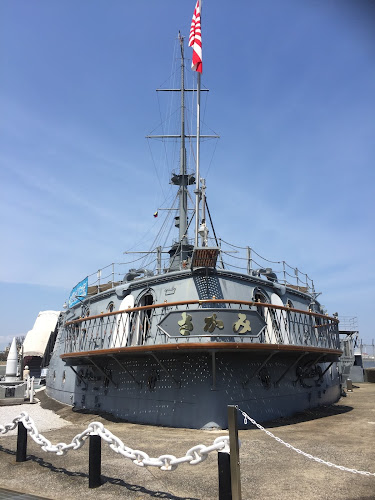
238-0003 is one of those postal code areas that travelers usually pass through without realizing it’s quietly shaping their whole experience of the city. It sits in Yokosuka, Kanagawa Prefecture, and acts like a hinge between everyday local life and the parts of town visitors actually want to explore. Not flashy. Not trying too hard. And honestly, that’s the charm.
This area feels lived-in. You notice it right away. Small apartment buildings stacked close together, corner shops that look like they’ve been there forever, and streets that curve instead of following a neat grid. It’s not a postcard zone, but it’s real. When the morning starts, you’ll hear bicycles rattling by and shop shutters lifting. By evening, the pace slows and the streets glow with practical, yellowish light instead of neon.
From a traveler’s point of view, 238-0003 works well as a base. It’s close enough to Yokosuka’s port energy and transport hubs, but far enough that you can actually sleep at night. I stayed near here once after a long day of wandering and, I’ll be honest, it felt good to come back to a place that wasn’t pretending to be anything special. There’s comfort in that.
The neighborhood also reflects Yokosuka’s layered identity. You’ll sense the mix of old-school Japanese routines with subtle international influence, thanks to the city’s long naval history. It’s not loud about it, but it’s there if you pay attention. Menus with English tucked underneath. A bakery selling anpan next to something vaguely American. Little details like that stick with you.
Key Features
- Primarily residential atmosphere with authentic local rhythms
- Easy access to Yokosuka’s main transport routes and stations
- Quiet streets that feel safe and walkable, even after dark
- Local eateries and shops catering to residents, not tourists
- Short travel time to coastal areas and port-side attractions
- A balanced mix of older buildings and newer developments
- Minimal crowds compared to central sightseeing zones
What stands out most here is how normal everything feels. And I mean that as a compliment. Travelers sometimes forget that seeing how people actually live is part of understanding a place. In 238-0003, you’re surrounded by daily routines. Laundry hanging from balconies. Kids heading home with backpacks bigger than they are. Someone watering plants at the edge of the sidewalk. It’s quietly grounding.
Best Time to Visit
The area itself doesn’t demand a specific season, but your overall experience improves depending on when you come. Spring, especially late March through April, is lovely. The weather softens, and even residential streets feel lighter. You’ll spot cherry trees here and there, not the famous kind people travel across the world for, but the everyday ones locals enjoy without crowds.
Autumn is another strong choice. October and November bring crisp air and clearer skies, which makes walking around Yokosuka more enjoyable. I remember wandering back through this area one evening in November, jacket half-zipped, thinking yeah, this is the right temperature for getting lost on purpose.
Summer can be humid. Not unbearable, but you’ll feel it. The upside is longer days and a livelier atmosphere in nearby districts. Winter is quiet, sometimes very quiet, but that can be a plus if you like calm mornings and uncrowded trains.
If timing matters, weekdays feel more local and relaxed. Weekends bring a little more movement, especially from people heading toward the waterfront or shopping areas nearby.
How to Get There
Getting to 238-0003 is straightforward, even if you’re new to Japan’s rail system. Yokosuka is well connected by train from central Tokyo and other parts of Kanagawa. Once you arrive in the city, local stations and bus routes make reaching this postal code area simple.
If you’re coming with luggage, taxis are easy to find and reasonably priced for short distances. Drivers usually know the neighborhood layout even if you don’t have a perfect pronunciation. And yes, pointing at a map on your phone still works. I’ve done it more times than I can count.
For walkers, this area is friendly. Sidewalks are consistent, and distances between neighborhoods aren’t overwhelming. You’ll probably find yourself walking more than planned, mostly because it’s easier than expected.
Tips for Visiting
First tip, slow down. This isn’t a place you rush through. If you treat 238-0003 like a box to tick, you’ll miss what makes it worthwhile. Take a morning walk. Grab a coffee from a local spot even if the menu confuses you a bit. Especially if it confuses you.
Second, eat where the locals eat. If a place looks plain and slightly cramped, you’re on the right track. Some of my best meals in Yokosuka came from spots that barely had space for five people and zero English signage. Don’t worry, pointing and smiling is a universal language.
Third, be respectful of the residential vibe. People live here. Keep noise down at night, don’t block narrow streets, and remember that quiet is part of the appeal. It’s not a party zone, and that’s okay.
Fourth, use this area as a base, not the whole plan. Stay here, sleep well, then explore outward. Ports, parks, museums, and coastal walks are all within easy reach. Coming back to a calm neighborhood at the end of the day feels like a reward.
And one more thing. Look up occasionally. Residential areas in Japan hide small surprises above street level. Interesting balconies, old signage, bits of history clinging to walls. I once noticed an old faded shop sign half-covered by ivy and spent ten minutes just staring at it, imagining the stories behind it. No guidebook told me to do that.
238-0003 doesn’t shout for attention. It doesn’t need to. For travelers who value comfort, authenticity, and a sense of everyday Japan, it quietly delivers. And sometimes, those are the places you remember the longest, long after the big sights blur together.
Key Features
- Primarily residential atmosphere with authentic local rhythms
- Easy access to Yokosuka’s main transport routes and stations
- Quiet streets that feel safe and walkable, even after dark
- Local eateries and shops catering to residents, not tourists
- Short travel time to coastal areas and port-side attractions
- A balanced mix of older buildings and newer developments
- Minimal crowds compared to central sightseeing zones
More Details
Updated December 31, 2025
Table of Contents
Description
238-0003 is one of those postal code areas that travelers usually pass through without realizing it’s quietly shaping their whole experience of the city. It sits in Yokosuka, Kanagawa Prefecture, and acts like a hinge between everyday local life and the parts of town visitors actually want to explore. Not flashy. Not trying too hard. And honestly, that’s the charm.
This area feels lived-in. You notice it right away. Small apartment buildings stacked close together, corner shops that look like they’ve been there forever, and streets that curve instead of following a neat grid. It’s not a postcard zone, but it’s real. When the morning starts, you’ll hear bicycles rattling by and shop shutters lifting. By evening, the pace slows and the streets glow with practical, yellowish light instead of neon.
From a traveler’s point of view, 238-0003 works well as a base. It’s close enough to Yokosuka’s port energy and transport hubs, but far enough that you can actually sleep at night. I stayed near here once after a long day of wandering and, I’ll be honest, it felt good to come back to a place that wasn’t pretending to be anything special. There’s comfort in that.
The neighborhood also reflects Yokosuka’s layered identity. You’ll sense the mix of old-school Japanese routines with subtle international influence, thanks to the city’s long naval history. It’s not loud about it, but it’s there if you pay attention. Menus with English tucked underneath. A bakery selling anpan next to something vaguely American. Little details like that stick with you.
Key Features
- Primarily residential atmosphere with authentic local rhythms
- Easy access to Yokosuka’s main transport routes and stations
- Quiet streets that feel safe and walkable, even after dark
- Local eateries and shops catering to residents, not tourists
- Short travel time to coastal areas and port-side attractions
- A balanced mix of older buildings and newer developments
- Minimal crowds compared to central sightseeing zones
What stands out most here is how normal everything feels. And I mean that as a compliment. Travelers sometimes forget that seeing how people actually live is part of understanding a place. In 238-0003, you’re surrounded by daily routines. Laundry hanging from balconies. Kids heading home with backpacks bigger than they are. Someone watering plants at the edge of the sidewalk. It’s quietly grounding.
Best Time to Visit
The area itself doesn’t demand a specific season, but your overall experience improves depending on when you come. Spring, especially late March through April, is lovely. The weather softens, and even residential streets feel lighter. You’ll spot cherry trees here and there, not the famous kind people travel across the world for, but the everyday ones locals enjoy without crowds.
Autumn is another strong choice. October and November bring crisp air and clearer skies, which makes walking around Yokosuka more enjoyable. I remember wandering back through this area one evening in November, jacket half-zipped, thinking yeah, this is the right temperature for getting lost on purpose.
Summer can be humid. Not unbearable, but you’ll feel it. The upside is longer days and a livelier atmosphere in nearby districts. Winter is quiet, sometimes very quiet, but that can be a plus if you like calm mornings and uncrowded trains.
If timing matters, weekdays feel more local and relaxed. Weekends bring a little more movement, especially from people heading toward the waterfront or shopping areas nearby.
How to Get There
Getting to 238-0003 is straightforward, even if you’re new to Japan’s rail system. Yokosuka is well connected by train from central Tokyo and other parts of Kanagawa. Once you arrive in the city, local stations and bus routes make reaching this postal code area simple.
If you’re coming with luggage, taxis are easy to find and reasonably priced for short distances. Drivers usually know the neighborhood layout even if you don’t have a perfect pronunciation. And yes, pointing at a map on your phone still works. I’ve done it more times than I can count.
For walkers, this area is friendly. Sidewalks are consistent, and distances between neighborhoods aren’t overwhelming. You’ll probably find yourself walking more than planned, mostly because it’s easier than expected.
Tips for Visiting
First tip, slow down. This isn’t a place you rush through. If you treat 238-0003 like a box to tick, you’ll miss what makes it worthwhile. Take a morning walk. Grab a coffee from a local spot even if the menu confuses you a bit. Especially if it confuses you.
Second, eat where the locals eat. If a place looks plain and slightly cramped, you’re on the right track. Some of my best meals in Yokosuka came from spots that barely had space for five people and zero English signage. Don’t worry, pointing and smiling is a universal language.
Third, be respectful of the residential vibe. People live here. Keep noise down at night, don’t block narrow streets, and remember that quiet is part of the appeal. It’s not a party zone, and that’s okay.
Fourth, use this area as a base, not the whole plan. Stay here, sleep well, then explore outward. Ports, parks, museums, and coastal walks are all within easy reach. Coming back to a calm neighborhood at the end of the day feels like a reward.
And one more thing. Look up occasionally. Residential areas in Japan hide small surprises above street level. Interesting balconies, old signage, bits of history clinging to walls. I once noticed an old faded shop sign half-covered by ivy and spent ten minutes just staring at it, imagining the stories behind it. No guidebook told me to do that.
238-0003 doesn’t shout for attention. It doesn’t need to. For travelers who value comfort, authenticity, and a sense of everyday Japan, it quietly delivers. And sometimes, those are the places you remember the longest, long after the big sights blur together.
Key Highlights
- Primarily residential atmosphere with authentic local rhythms
- Easy access to Yokosuka’s main transport routes and stations
- Quiet streets that feel safe and walkable, even after dark
- Local eateries and shops catering to residents, not tourists
- Short travel time to coastal areas and port-side attractions
- A balanced mix of older buildings and newer developments
- Minimal crowds compared to central sightseeing zones
Location
Places to Stay Near 238-0003
Find and Book a Tour
Explore More Travel Guides
No reviews found! Be the first to review!
Traveler Reviews for 238-0003
There are no reviews yet. Be the first one to write one.
Have you visited 238-0003? Help other travelers by sharing your review.
You Might Also Like
859-2413
444-0052
888-0221
Find Accommodations Nearby
Recommended Tours & Activities
Visitor Reviews
There are no reviews yet. Be the first one to write one.
Share Your Experience
Have you visited 238-0003? Help other travelers by leaving a review.