
About 56
Description
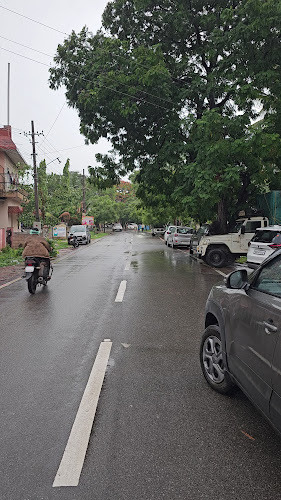
Route 56 cuts through some of the most overlooked terrain in America, and honestly, that's precisely what makes it worth your time. This highway isn't going to appear on those glossy travel magazine covers or flood your Instagram feed with a million identical posts. Instead, it offers something increasingly rare in modern travel – genuine discovery without the crowds pushing you along a predetermined path.
When you're driving Route 56, you're experiencing roadway travel the way it used to be before everything got homogenized. The pavement winds through communities that actually retain their character, past landscapes that shift from agricultural flatlands to rolling terrain that'll surprise you if you're not paying attention. I remember the first time I took a route like this – my GPS kept trying to redirect me to the interstate, as if efficiency was the only thing that mattered. But that's missing the entire point, isn't it?
The highway serves as more than just a transportation corridor. It's a genuine slice of regional life, connecting towns that grew up around the road rather than being built as tourist destinations. You'll find family-run diners where the coffee's always hot and the locals actually talk to you, not at you. There's weathered barns standing as silent testimony to decades of agricultural tradition, and small-town main streets where people still know their neighbors by name.
What strikes most travelers about Route 56 is how it forces you to slow down – not because of traffic, but because there's actually things worth noticing. The journey becomes the destination here, which I know sounds like something from a motivational poster, but it's legitimately true in this case. You're not racing between manufactured attractions; you're observing real communities going about their daily business.
Key Features
- Authentic small-town atmosphere with locally-owned businesses that have served communities for generations rather than franchise operations
- Scenic driving conditions that change character as you progress along the route, offering photographers and nature enthusiasts constantly shifting perspectives
- Direct access to agricultural regions where you can purchase fresh produce, homemade preserves, and regional specialties directly from the people who grow and make them
- Historic architecture in the communities along the route, including well-preserved downtown districts that reflect early 20th century American design
- Minimal commercial development means darker skies at night – excellent for stargazing if you're into astronomy or just want to remember what the Milky Way actually looks like
- Family-operated restaurants and cafes serving regional cuisine that you won't find replicated in other parts of the country
- Antique shops, vintage stores, and second-hand establishments where you might actually find something unique instead of mass-produced "antiques"
- Agricultural tourism opportunities including u-pick farms, seasonal harvest festivals, and working farms that welcome visitors
- Less congested roadways make for relaxed driving conditions where you're not constantly battling traffic or searching for parking
- Affordable accommodations including mom-and-pop motels, bed and breakfasts, and small inns that charge reasonable rates
Best Time to Visit
Spring and fall are when Route 56 really shows its best side, though for different reasons entirely. Spring brings that fresh-scrubbed quality to everything – fields turning green, farmers markets starting up again, and a general sense of renewal in the communities along the route. You'll find roadside stands opening for the season, and there's something genuinely satisfying about biting into produce that was literally picked that morning.
Fall, though, might edge ahead slightly in my opinion. The temperatures become perfect for driving with the windows down, and if there's any foliage along your section of Route 56, you'll catch those color changes that make you understand why people get sentimental about autumn. More importantly, fall means harvest season, which translates to farm stands overflowing with apples, pumpkins, fresh-pressed cider, and all those seasonal items that taste better when you buy them from the person who grew them.
Summer can get hot depending on which section of Route 56 you're traveling, and not every small-town establishment has modernized their air conditioning situation. But summer also means longer daylight hours for exploring, outdoor community events, and county fairs that give you authentic glimpses into regional culture. Just pack plenty of water and don't plan your driving for the absolute hottest part of the afternoon.
Winter travel is completely doable but requires more planning. Some smaller businesses reduce their hours or close entirely during slower months, and weather can occasionally make driving conditions challenging. However, if you're someone who appreciates solitude and doesn't mind a bit of cold, winter along Route 56 offers an almost meditative quality. The landscapes take on stark beauty, and those small-town cafes feel especially welcoming when you step in from the cold.
Weekdays generally provide a more authentic experience than weekends when some sections might see increased recreational traffic. And if you can avoid major holiday weekends, you'll have a better chance of actually conversing with locals rather than competing with other travelers for attention and services.
How to Get There
Accessing Route 56 depends entirely on which section you're planning to explore, but that's sort of the beauty of highway travel – you can jump on wherever makes sense for your trip. Most travelers will connect via larger highways or interstates, then transition onto Route 56 as either a primary route or a scenic alternative to faster roads.
If you're flying in, you'll want to rent a car from the nearest regional airport. This isn't the kind of destination where public transportation will help you much. The entire point is having the freedom to stop when something catches your eye, and that requires your own wheels. Make sure your rental has a decent spare tire situation, because while Route 56 is well-maintained, you're not always close to immediate roadside assistance.
GPS will get you there without problems, but I'd suggest having an actual paper map as backup. Not because you'll get lost exactly, but because sometimes cell service gets spotty in rural areas, and there's something reassing about old-school navigation when your phone decides it doesn't want to cooperate. Plus, paper maps give you a better sense of the overall geography and might help you spot interesting detours.
Gas stations appear regularly enough that you won't run out of fuel, but don't let your tank get too low either. Fill up when you see stations in the larger towns, because that rural stretch between communities might be longer than you estimated. And those small-town gas stations sometimes close earlier than you'd expect, especially on Sundays.
Driving Route 56 isn't difficult – the road conditions are generally good, traffic is light, and you won't need any special vehicle capabilities. A standard car handles everything just fine. Just give yourself plenty of time because the speed limits reflect the rural nature of the route, and honestly, you'll want to take your time anyway.
Tips for Visiting
First thing – abandon your usual travel timeline. If you're the type who needs to hit twelve attractions before lunch, Route 56 will frustrate you. This is slow travel territory, where the best experiences come from spontaneous stops rather than rigid schedules. When you see a farmstand with a hand-painted sign or a local diner with cars in the parking lot, just pull over. Those unplanned stops typically become the highlights you'll actually remember.
Bring cash. I can't stress this enough. While many businesses along Route 56 accept cards, some don't, and you'll feel pretty foolish passing up amazing homemade pie or fresh produce because you only have plastic. Small bills are especially helpful – breaking a fifty at a roadside stand selling tomatoes for three dollars creates unnecessary awkwardness.
Talk to people. I know that sounds obvious, but many travelers treat locals like scenery rather than sources of information. The person running that antique shop knows where the best lunch spot is. The farmer selling peaches can tell you about the historic building down the road. These conversations enrich your trip in ways that guidebooks simply can't match.
Pack snacks and water, but don't overdo it. You want to have backup supplies, but leave room to sample local food. That's half the reason for traveling Route 56 in the first place. If you fill up on granola bars from home, you'll miss the opportunity to try regional specialties you can't get anywhere else.
Take photos, but don't let photography consume the entire experience. That perfect shot of a barn at sunset is nice, but actually watching the sunset without a screen between you and the sky matters more. And before photographing people or private property, ask permission. Basic courtesy goes a long way in small communities.
Check your spare tire before you leave. Check your oil. Make sure your jack actually works. Route 56 is safe and well-traveled, but you're in rural territory where a simple mechanical problem becomes more complicated if you're not prepared. Twenty minutes of preparation prevents hours of frustration.
Respect private property and local customs. Just because something looks picturesque doesn't mean you can wander onto someone's land for a better photo angle. Stay on public roads and designated areas unless you've received explicit permission to do otherwise.
Download entertainment for dead zones. Audiobooks, podcasts, or music playlists will help during stretches where radio stations fade and cell service disappears. But also embrace some silence – driving through quiet countryside without constant noise can be surprisingly refreshing.
Finally, adjust your expectations about amenities. You're not going to find artisanal coffee shops every five miles or boutique hotels with spa services. What you will find is genuine hospitality, reasonable prices, and experiences that feel authentic because they are. That's the trade-off, and honestly, it's a pretty good deal.
Key Features
- Authentic small-town atmosphere with locally-owned businesses that have served communities for generations rather than franchise operations
- Scenic driving conditions that change character as you progress along the route, offering photographers and nature enthusiasts constantly shifting perspectives
- Direct access to agricultural regions where you can purchase fresh produce, homemade preserves, and regional specialties directly from the people who grow and make them
- Historic architecture in the communities along the route, including well-preserved downtown districts that reflect early 20th century American design
- Minimal commercial development means darker skies at night – excellent for stargazing if you're into astronomy or just want to remember what the Milky Way actually looks like
- Family-operated restaurants and cafes serving regional cuisine that you won't find replicated in other parts of the country
- Antique shops, vintage stores, and second-hand establishments where you might actually find something unique instead of mass-produced "antiques"
- Agricultural tourism opportunities including u-pick farms, seasonal harvest festivals, and working farms that welcome visitors
More Details
Updated January 17, 2026
Table of Contents
Description
Route 56 cuts through some of the most overlooked terrain in America, and honestly, that’s precisely what makes it worth your time. This highway isn’t going to appear on those glossy travel magazine covers or flood your Instagram feed with a million identical posts. Instead, it offers something increasingly rare in modern travel – genuine discovery without the crowds pushing you along a predetermined path.
When you’re driving Route 56, you’re experiencing roadway travel the way it used to be before everything got homogenized. The pavement winds through communities that actually retain their character, past landscapes that shift from agricultural flatlands to rolling terrain that’ll surprise you if you’re not paying attention. I remember the first time I took a route like this – my GPS kept trying to redirect me to the interstate, as if efficiency was the only thing that mattered. But that’s missing the entire point, isn’t it?
The highway serves as more than just a transportation corridor. It’s a genuine slice of regional life, connecting towns that grew up around the road rather than being built as tourist destinations. You’ll find family-run diners where the coffee’s always hot and the locals actually talk to you, not at you. There’s weathered barns standing as silent testimony to decades of agricultural tradition, and small-town main streets where people still know their neighbors by name.
What strikes most travelers about Route 56 is how it forces you to slow down – not because of traffic, but because there’s actually things worth noticing. The journey becomes the destination here, which I know sounds like something from a motivational poster, but it’s legitimately true in this case. You’re not racing between manufactured attractions; you’re observing real communities going about their daily business.
Key Features
- Authentic small-town atmosphere with locally-owned businesses that have served communities for generations rather than franchise operations
- Scenic driving conditions that change character as you progress along the route, offering photographers and nature enthusiasts constantly shifting perspectives
- Direct access to agricultural regions where you can purchase fresh produce, homemade preserves, and regional specialties directly from the people who grow and make them
- Historic architecture in the communities along the route, including well-preserved downtown districts that reflect early 20th century American design
- Minimal commercial development means darker skies at night – excellent for stargazing if you’re into astronomy or just want to remember what the Milky Way actually looks like
- Family-operated restaurants and cafes serving regional cuisine that you won’t find replicated in other parts of the country
- Antique shops, vintage stores, and second-hand establishments where you might actually find something unique instead of mass-produced “antiques”
- Agricultural tourism opportunities including u-pick farms, seasonal harvest festivals, and working farms that welcome visitors
- Less congested roadways make for relaxed driving conditions where you’re not constantly battling traffic or searching for parking
- Affordable accommodations including mom-and-pop motels, bed and breakfasts, and small inns that charge reasonable rates
Best Time to Visit
Spring and fall are when Route 56 really shows its best side, though for different reasons entirely. Spring brings that fresh-scrubbed quality to everything – fields turning green, farmers markets starting up again, and a general sense of renewal in the communities along the route. You’ll find roadside stands opening for the season, and there’s something genuinely satisfying about biting into produce that was literally picked that morning.
Fall, though, might edge ahead slightly in my opinion. The temperatures become perfect for driving with the windows down, and if there’s any foliage along your section of Route 56, you’ll catch those color changes that make you understand why people get sentimental about autumn. More importantly, fall means harvest season, which translates to farm stands overflowing with apples, pumpkins, fresh-pressed cider, and all those seasonal items that taste better when you buy them from the person who grew them.
Summer can get hot depending on which section of Route 56 you’re traveling, and not every small-town establishment has modernized their air conditioning situation. But summer also means longer daylight hours for exploring, outdoor community events, and county fairs that give you authentic glimpses into regional culture. Just pack plenty of water and don’t plan your driving for the absolute hottest part of the afternoon.
Winter travel is completely doable but requires more planning. Some smaller businesses reduce their hours or close entirely during slower months, and weather can occasionally make driving conditions challenging. However, if you’re someone who appreciates solitude and doesn’t mind a bit of cold, winter along Route 56 offers an almost meditative quality. The landscapes take on stark beauty, and those small-town cafes feel especially welcoming when you step in from the cold.
Weekdays generally provide a more authentic experience than weekends when some sections might see increased recreational traffic. And if you can avoid major holiday weekends, you’ll have a better chance of actually conversing with locals rather than competing with other travelers for attention and services.
How to Get There
Accessing Route 56 depends entirely on which section you’re planning to explore, but that’s sort of the beauty of highway travel – you can jump on wherever makes sense for your trip. Most travelers will connect via larger highways or interstates, then transition onto Route 56 as either a primary route or a scenic alternative to faster roads.
If you’re flying in, you’ll want to rent a car from the nearest regional airport. This isn’t the kind of destination where public transportation will help you much. The entire point is having the freedom to stop when something catches your eye, and that requires your own wheels. Make sure your rental has a decent spare tire situation, because while Route 56 is well-maintained, you’re not always close to immediate roadside assistance.
GPS will get you there without problems, but I’d suggest having an actual paper map as backup. Not because you’ll get lost exactly, but because sometimes cell service gets spotty in rural areas, and there’s something reassing about old-school navigation when your phone decides it doesn’t want to cooperate. Plus, paper maps give you a better sense of the overall geography and might help you spot interesting detours.
Gas stations appear regularly enough that you won’t run out of fuel, but don’t let your tank get too low either. Fill up when you see stations in the larger towns, because that rural stretch between communities might be longer than you estimated. And those small-town gas stations sometimes close earlier than you’d expect, especially on Sundays.
Driving Route 56 isn’t difficult – the road conditions are generally good, traffic is light, and you won’t need any special vehicle capabilities. A standard car handles everything just fine. Just give yourself plenty of time because the speed limits reflect the rural nature of the route, and honestly, you’ll want to take your time anyway.
Tips for Visiting
First thing – abandon your usual travel timeline. If you’re the type who needs to hit twelve attractions before lunch, Route 56 will frustrate you. This is slow travel territory, where the best experiences come from spontaneous stops rather than rigid schedules. When you see a farmstand with a hand-painted sign or a local diner with cars in the parking lot, just pull over. Those unplanned stops typically become the highlights you’ll actually remember.
Bring cash. I can’t stress this enough. While many businesses along Route 56 accept cards, some don’t, and you’ll feel pretty foolish passing up amazing homemade pie or fresh produce because you only have plastic. Small bills are especially helpful – breaking a fifty at a roadside stand selling tomatoes for three dollars creates unnecessary awkwardness.
Talk to people. I know that sounds obvious, but many travelers treat locals like scenery rather than sources of information. The person running that antique shop knows where the best lunch spot is. The farmer selling peaches can tell you about the historic building down the road. These conversations enrich your trip in ways that guidebooks simply can’t match.
Pack snacks and water, but don’t overdo it. You want to have backup supplies, but leave room to sample local food. That’s half the reason for traveling Route 56 in the first place. If you fill up on granola bars from home, you’ll miss the opportunity to try regional specialties you can’t get anywhere else.
Take photos, but don’t let photography consume the entire experience. That perfect shot of a barn at sunset is nice, but actually watching the sunset without a screen between you and the sky matters more. And before photographing people or private property, ask permission. Basic courtesy goes a long way in small communities.
Check your spare tire before you leave. Check your oil. Make sure your jack actually works. Route 56 is safe and well-traveled, but you’re in rural territory where a simple mechanical problem becomes more complicated if you’re not prepared. Twenty minutes of preparation prevents hours of frustration.
Respect private property and local customs. Just because something looks picturesque doesn’t mean you can wander onto someone’s land for a better photo angle. Stay on public roads and designated areas unless you’ve received explicit permission to do otherwise.
Download entertainment for dead zones. Audiobooks, podcasts, or music playlists will help during stretches where radio stations fade and cell service disappears. But also embrace some silence – driving through quiet countryside without constant noise can be surprisingly refreshing.
Finally, adjust your expectations about amenities. You’re not going to find artisanal coffee shops every five miles or boutique hotels with spa services. What you will find is genuine hospitality, reasonable prices, and experiences that feel authentic because they are. That’s the trade-off, and honestly, it’s a pretty good deal.
Key Highlights
- Authentic small-town atmosphere with locally-owned businesses that have served communities for generations rather than franchise operations
- Scenic driving conditions that change character as you progress along the route, offering photographers and nature enthusiasts constantly shifting perspectives
- Direct access to agricultural regions where you can purchase fresh produce, homemade preserves, and regional specialties directly from the people who grow and make them
- Historic architecture in the communities along the route, including well-preserved downtown districts that reflect early 20th century American design
- Minimal commercial development means darker skies at night – excellent for stargazing if you're into astronomy or just want to remember what the Milky Way actually looks like
- Family-operated restaurants and cafes serving regional cuisine that you won't find replicated in other parts of the country
- Antique shops, vintage stores, and second-hand establishments where you might actually find something unique instead of mass-produced "antiques"
- Agricultural tourism opportunities including u-pick farms, seasonal harvest festivals, and working farms that welcome visitors
Location
Places to Stay Near Plan The Unplanned"Top-notch team building activities!!"
Find and Book a Tour
Explore More Travel Guides
No reviews found! Be the first to review!
Traveler Reviews for 56
There are no reviews yet. Be the first one to write one.
Have you visited 56? Help other travelers by sharing your review.
You Might Also Like

Jayanagara Park

Narayana Rao Park, Bellary
Gandhinagar Waterbooster Park
Find Accommodations Nearby
Recommended Tours & Activities
Visitor Reviews
There are no reviews yet. Be the first one to write one.
Share Your Experience
Have you visited 56? Help other travelers by leaving a review.