
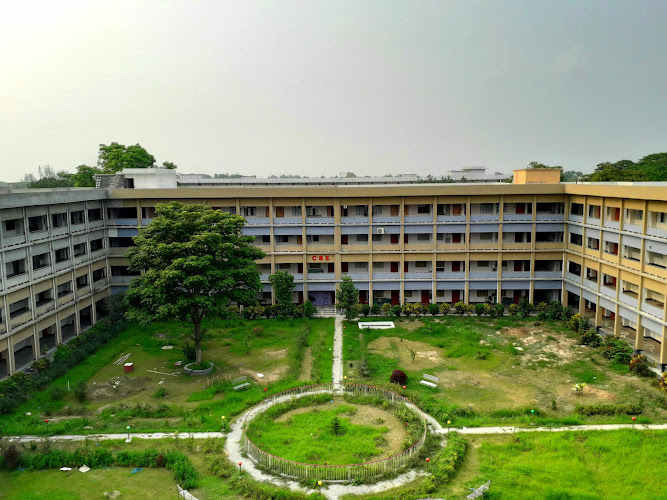
4th Science Building
About 4th Science Building
Description
The 4th Science Building stands as one of those architectural gems that most travelers completely overlook when planning their trips, and honestly, that's a shame. I remember the first time I stumbled upon a university science building during my travels through Europe – it wasn't on any tourist map, but the experience of witnessing cutting-edge research facilities and the energy of academic innovation left a lasting impression that typical tourist attractions never quite matched. This particular structure represents more than just another building on a campus. It's a testament to modern scientific education and research, housing laboratories, lecture halls, and collaborative spaces where tomorrow's discoveries are taking shape today. For travelers who appreciate architecture, education, and the pulse of intellectual advancement, the 4th Science Building offers a unique glimpse into the academic world that shapes our future. What makes this building particularly interesting for visitors is its role as a functional space rather than a museum piece. Unlike historical landmarks that preserve the past, this is where the present actively creates the future. The building typically features contemporary design elements that prioritize both form and function, with expansive windows allowing natural light to flood research spaces and common areas designed to encourage spontaneous collaboration between students and faculty. The atmosphere here differs completely from traditional tourist destinations. There's an authenticity you won't find at manufactured attractions – real students rushing to classes, researchers deeply engrossed in experiments, and the unmistakable buzz of intellectual curiosity filling the corridors. And for travelers seeking something beyond the usual sightseeing circuit, this authenticity proves refreshing.Key Features
The 4th Science Building offers several distinctive characteristics that make it worth including on your travel itinerary:- Modern Architectural Design – The building showcases contemporary construction techniques and sustainable design principles that reflect current trends in educational facility planning
- State-of-the-Art Laboratories – Equipped research spaces demonstrate the latest in scientific equipment and experimental setups, though access may vary depending on security protocols
- Interactive Learning Spaces – Many science buildings incorporate areas designed for hands-on learning and public engagement with scientific concepts
- Sustainable Building Features – Often includes green technology like solar panels, rainwater collection systems, or energy-efficient climate control worth observing
- Observation Decks or Viewing Areas – Some science buildings offer elevated views of surrounding campus or cityscape, providing unique photo opportunities
- Public Lecture Halls – Spaces where open lectures and presentations sometimes welcome outside visitors interested in scientific topics
- Art and Science Installations – Many modern science buildings feature artistic interpretations of scientific concepts displayed throughout common areas
- Student Common Areas – Cafeterias or lounges where visitors can experience authentic campus culture and perhaps strike up conversations with students
- Accessible Public Spaces – Ground floor areas and exteriors typically remain open for public viewing during regular hours
- Educational Displays – Information boards or exhibits explaining research projects and scientific achievements associated with the building
Best Time to Visit
Timing your visit to the 4th Science Building requires different considerations than visiting conventional tourist attractions. The building operates on an academic calendar, which means the experience varies dramatically depending on when you show up. The academic year, typically running from September through May, offers the most authentic experience. During these months, you'll encounter the building at its liveliest – students hurrying between classes, professors delivering lectures, and research activities in full swing. Weekday mornings between 10 AM and 2 PM usually see peak activity, giving you the best sense of the building's primary purpose. But here's something most guidebooks won't tell you – visiting during exam periods (usually mid-December and April/May) gives you a completely different energy. The building transforms into an intense hub of focused studying, with every available space occupied by students reviewing notes and preparing for tests. It's fascinating in its own right, though perhaps less welcoming for casual exploration. Summer months present their own advantages and disadvantages. While regular classes aren't in session, many research programs continue year-round. You'll find fewer people around, which makes self-guided exploration easier and less intrusive. However, you also lose that dynamic academic atmosphere that makes these buildings special. For photography enthusiasts, early morning visits offer the best natural lighting, especially if the building features interesting exterior architecture. The golden hour just after sunrise creates beautiful shadows and highlights architectural details often missed during midday visits. Weekends generally see minimal activity unless special events are scheduled. Some travelers prefer this quieter atmosphere for contemplative observation of the architecture and design elements without the distraction of crowds. Weather considerations matter too, particularly if you're interested in exterior features or campus grounds surrounding the building. Spring and fall typically offer the most comfortable temperatures for extended outdoor observation, and autumn foliage can create stunning backdrops for photography. Academic open houses, science fairs, or public lecture series provide exceptional visiting opportunities when the building actively welcomes outside guests. Check institutional calendars several weeks in advance to align your visit with these events.How to Get There
Reaching the 4th Science Building typically requires navigating a university campus, which presents unique challenges compared to accessing standard tourist destinations. Most academic campuses weren't designed with casual visitors in mind, so a bit of advance planning helps tremendously. Public transportation often provides the most straightforward access to university campuses. Many institutions are located along major bus or metro routes, with stops specifically serving student populations. Research the local transit system and identify routes serving the campus area. Student travel patterns mean service is typically most frequent during weekday mornings and late afternoons. If you're driving, parking presents the biggest challenge. University parking lots often require permits during weekdays, and visitor parking can be limited or expensive. Some campuses restrict visitor vehicle access to specific lots located at campus perimeters, requiring a walk to reach interior buildings like the 4th Science Building. Arrive early, especially during the academic year, as parking fills quickly. Ride-sharing services work well for campus visits, though providing drivers with precise drop-off instructions prevents confusion. Many campuses have designated ride-share zones, though drivers unfamiliar with campus layout might struggle finding specific buildings. Walking or cycling from nearby hotels or transit hubs offers another excellent option, particularly if weather cooperates. Many university towns are extremely walkable, and approaching on foot gives you a better sense of campus layout and character. Once you're on campus, wayfinding requires attention. Campus maps are typically available at information kiosks or online through institutional websites. Download a campus map before your visit, as cellular service inside large science buildings can be spotty. Most campuses number their science buildings sequentially, so the 4th Science Building should be relatively straightforward to locate once you find the science complex. Don't hesitate to ask for directions – students and faculty are generally helpful, though they might seem rushed between classes. Campus security or information desk staff can provide detailed directions and answer questions about building access.Tips for Visiting
Successfully visiting the 4th Science Building requires understanding that you're entering a working educational facility, not a tourist attraction designed for visitors. This distinction shapes everything about how you should approach your visit. First and foremost, respect the primary function of the space. Students and researchers are there to learn and work, not to serve as attractions for tourists. Maintain awareness of your surroundings, keep noise levels appropriate, and avoid blocking corridors or doorways. I've learned from experience that treating these spaces with the same respect you'd show someone's workplace – because that's exactly what it is – earns you goodwill and sometimes unexpected opportunities. Dress appropriately and comfortably for walking and potentially standing for extended periods. University buildings can be temperature-variable, with some labs kept quite cool while other areas feel stuffy. Layering makes sense. Security protocols vary significantly between institutions. Some buildings allow open public access to common areas, while others require visitor check-in or restrict access entirely to authorized personnel. Don't take offense if you're asked to show identification or explain your presence – security staff are doing their jobs. Calling ahead to inquire about visitor policies saves potential disappointment. Photography rules need clarification before you start snapping pictures. Many institutions allow photography in common areas but prohibit it in laboratories or classrooms, especially when students or proprietary research might be visible. When in doubt, ask permission. Most people appreciate the courtesy, and you might even get interesting conversations about what you're photographing. Bathrooms, water fountains, and other basic amenities are typically available in common areas, though you might need to search a bit. Ground floors usually have the most accessible facilities. If you're genuinely interested in specific research or programs housed in the building, consider reaching out to relevant departments beforehand. Faculty members sometimes welcome visitors who show authentic interest in their work, and you might arrange a brief informal tour or conversation that greatly enriches your visit. Timing your visit between class periods (typically on the hour) allows for easier navigation, as corridors clear somewhat. However, this also means missing the energetic rush of students changing classes, which offers its own appeal. Bring a notebook if you're architecturally or scientifically inclined – you'll want to jot down observations, interesting features, or information from any displays you encounter. Your phone works too, but there's something about physically writing notes that enhances memory and observation. Be prepared for the possibility that certain areas aren't accessible. Research laboratories often require authorized access, and some floors might be restricted. Rather than viewing this as a limitation, consider it an opportunity to focus on accessible spaces more thoroughly. Finally, consider your visit as part of broader campus exploration rather than a standalone destination. The 4th Science Building gains context when you experience surrounding campus architecture, green spaces, and other facilities that together create the complete academic environment.Key Features
- Key Features
- Best Time to Visit
- How to Get There
- Tips for Visiting
More Details
Updated January 17, 2026
Table of Contents
Description
The 4th Science Building stands as one of those architectural gems that most travelers completely overlook when planning their trips, and honestly, that’s a shame. I remember the first time I stumbled upon a university science building during my travels through Europe – it wasn’t on any tourist map, but the experience of witnessing cutting-edge research facilities and the energy of academic innovation left a lasting impression that typical tourist attractions never quite matched.
This particular structure represents more than just another building on a campus. It’s a testament to modern scientific education and research, housing laboratories, lecture halls, and collaborative spaces where tomorrow’s discoveries are taking shape today. For travelers who appreciate architecture, education, and the pulse of intellectual advancement, the 4th Science Building offers a unique glimpse into the academic world that shapes our future.
What makes this building particularly interesting for visitors is its role as a functional space rather than a museum piece. Unlike historical landmarks that preserve the past, this is where the present actively creates the future. The building typically features contemporary design elements that prioritize both form and function, with expansive windows allowing natural light to flood research spaces and common areas designed to encourage spontaneous collaboration between students and faculty.
The atmosphere here differs completely from traditional tourist destinations. There’s an authenticity you won’t find at manufactured attractions – real students rushing to classes, researchers deeply engrossed in experiments, and the unmistakable buzz of intellectual curiosity filling the corridors. And for travelers seeking something beyond the usual sightseeing circuit, this authenticity proves refreshing.
Key Features
The 4th Science Building offers several distinctive characteristics that make it worth including on your travel itinerary:
- Modern Architectural Design – The building showcases contemporary construction techniques and sustainable design principles that reflect current trends in educational facility planning
- State-of-the-Art Laboratories – Equipped research spaces demonstrate the latest in scientific equipment and experimental setups, though access may vary depending on security protocols
- Interactive Learning Spaces – Many science buildings incorporate areas designed for hands-on learning and public engagement with scientific concepts
- Sustainable Building Features – Often includes green technology like solar panels, rainwater collection systems, or energy-efficient climate control worth observing
- Observation Decks or Viewing Areas – Some science buildings offer elevated views of surrounding campus or cityscape, providing unique photo opportunities
- Public Lecture Halls – Spaces where open lectures and presentations sometimes welcome outside visitors interested in scientific topics
- Art and Science Installations – Many modern science buildings feature artistic interpretations of scientific concepts displayed throughout common areas
- Student Common Areas – Cafeterias or lounges where visitors can experience authentic campus culture and perhaps strike up conversations with students
- Accessible Public Spaces – Ground floor areas and exteriors typically remain open for public viewing during regular hours
- Educational Displays – Information boards or exhibits explaining research projects and scientific achievements associated with the building
Best Time to Visit
Timing your visit to the 4th Science Building requires different considerations than visiting conventional tourist attractions. The building operates on an academic calendar, which means the experience varies dramatically depending on when you show up.
The academic year, typically running from September through May, offers the most authentic experience. During these months, you’ll encounter the building at its liveliest – students hurrying between classes, professors delivering lectures, and research activities in full swing. Weekday mornings between 10 AM and 2 PM usually see peak activity, giving you the best sense of the building’s primary purpose.
But here’s something most guidebooks won’t tell you – visiting during exam periods (usually mid-December and April/May) gives you a completely different energy. The building transforms into an intense hub of focused studying, with every available space occupied by students reviewing notes and preparing for tests. It’s fascinating in its own right, though perhaps less welcoming for casual exploration.
Summer months present their own advantages and disadvantages. While regular classes aren’t in session, many research programs continue year-round. You’ll find fewer people around, which makes self-guided exploration easier and less intrusive. However, you also lose that dynamic academic atmosphere that makes these buildings special.
For photography enthusiasts, early morning visits offer the best natural lighting, especially if the building features interesting exterior architecture. The golden hour just after sunrise creates beautiful shadows and highlights architectural details often missed during midday visits.
Weekends generally see minimal activity unless special events are scheduled. Some travelers prefer this quieter atmosphere for contemplative observation of the architecture and design elements without the distraction of crowds.
Weather considerations matter too, particularly if you’re interested in exterior features or campus grounds surrounding the building. Spring and fall typically offer the most comfortable temperatures for extended outdoor observation, and autumn foliage can create stunning backdrops for photography.
Academic open houses, science fairs, or public lecture series provide exceptional visiting opportunities when the building actively welcomes outside guests. Check institutional calendars several weeks in advance to align your visit with these events.
How to Get There
Reaching the 4th Science Building typically requires navigating a university campus, which presents unique challenges compared to accessing standard tourist destinations. Most academic campuses weren’t designed with casual visitors in mind, so a bit of advance planning helps tremendously.
Public transportation often provides the most straightforward access to university campuses. Many institutions are located along major bus or metro routes, with stops specifically serving student populations. Research the local transit system and identify routes serving the campus area. Student travel patterns mean service is typically most frequent during weekday mornings and late afternoons.
If you’re driving, parking presents the biggest challenge. University parking lots often require permits during weekdays, and visitor parking can be limited or expensive. Some campuses restrict visitor vehicle access to specific lots located at campus perimeters, requiring a walk to reach interior buildings like the 4th Science Building. Arrive early, especially during the academic year, as parking fills quickly.
Ride-sharing services work well for campus visits, though providing drivers with precise drop-off instructions prevents confusion. Many campuses have designated ride-share zones, though drivers unfamiliar with campus layout might struggle finding specific buildings.
Walking or cycling from nearby hotels or transit hubs offers another excellent option, particularly if weather cooperates. Many university towns are extremely walkable, and approaching on foot gives you a better sense of campus layout and character.
Once you’re on campus, wayfinding requires attention. Campus maps are typically available at information kiosks or online through institutional websites. Download a campus map before your visit, as cellular service inside large science buildings can be spotty. Most campuses number their science buildings sequentially, so the 4th Science Building should be relatively straightforward to locate once you find the science complex.
Don’t hesitate to ask for directions – students and faculty are generally helpful, though they might seem rushed between classes. Campus security or information desk staff can provide detailed directions and answer questions about building access.
Tips for Visiting
Successfully visiting the 4th Science Building requires understanding that you’re entering a working educational facility, not a tourist attraction designed for visitors. This distinction shapes everything about how you should approach your visit.
First and foremost, respect the primary function of the space. Students and researchers are there to learn and work, not to serve as attractions for tourists. Maintain awareness of your surroundings, keep noise levels appropriate, and avoid blocking corridors or doorways. I’ve learned from experience that treating these spaces with the same respect you’d show someone’s workplace – because that’s exactly what it is – earns you goodwill and sometimes unexpected opportunities.
Dress appropriately and comfortably for walking and potentially standing for extended periods. University buildings can be temperature-variable, with some labs kept quite cool while other areas feel stuffy. Layering makes sense.
Security protocols vary significantly between institutions. Some buildings allow open public access to common areas, while others require visitor check-in or restrict access entirely to authorized personnel. Don’t take offense if you’re asked to show identification or explain your presence – security staff are doing their jobs. Calling ahead to inquire about visitor policies saves potential disappointment.
Photography rules need clarification before you start snapping pictures. Many institutions allow photography in common areas but prohibit it in laboratories or classrooms, especially when students or proprietary research might be visible. When in doubt, ask permission. Most people appreciate the courtesy, and you might even get interesting conversations about what you’re photographing.
Bathrooms, water fountains, and other basic amenities are typically available in common areas, though you might need to search a bit. Ground floors usually have the most accessible facilities.
If you’re genuinely interested in specific research or programs housed in the building, consider reaching out to relevant departments beforehand. Faculty members sometimes welcome visitors who show authentic interest in their work, and you might arrange a brief informal tour or conversation that greatly enriches your visit.
Timing your visit between class periods (typically on the hour) allows for easier navigation, as corridors clear somewhat. However, this also means missing the energetic rush of students changing classes, which offers its own appeal.
Bring a notebook if you’re architecturally or scientifically inclined – you’ll want to jot down observations, interesting features, or information from any displays you encounter. Your phone works too, but there’s something about physically writing notes that enhances memory and observation.
Be prepared for the possibility that certain areas aren’t accessible. Research laboratories often require authorized access, and some floors might be restricted. Rather than viewing this as a limitation, consider it an opportunity to focus on accessible spaces more thoroughly.
Finally, consider your visit as part of broader campus exploration rather than a standalone destination. The 4th Science Building gains context when you experience surrounding campus architecture, green spaces, and other facilities that together create the complete academic environment.
Key Highlights
- Key Features
- Best Time to Visit
- How to Get There
- Tips for Visiting
Location
Places to Stay Near 4th Science Building
Find and Book a Tour
Explore More Travel Guides
No reviews found! Be the first to review!
Traveler Reviews for 4th Science Building
There are no reviews yet. Be the first one to write one.
Have you visited 4th Science Building? Help other travelers by sharing your review.
You Might Also Like
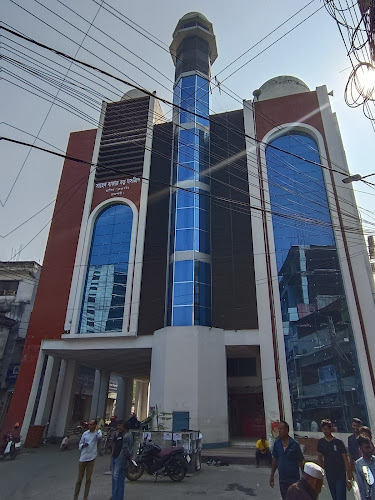
Saheb Bazar Zero Point
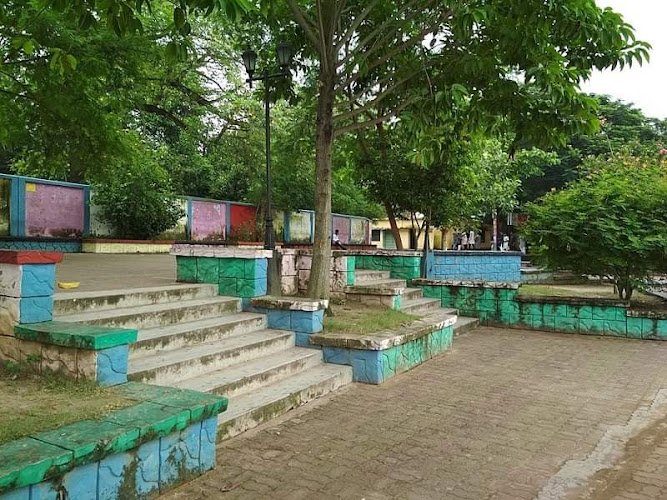
Padma Garden
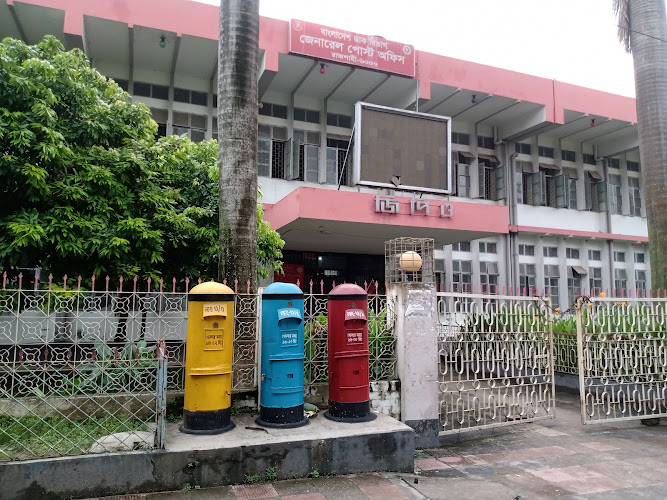
Rajshahi GPO
Find Accommodations Nearby
Recommended Tours & Activities
Visitor Reviews
There are no reviews yet. Be the first one to write one.
Share Your Experience
Have you visited 4th Science Building? Help other travelers by leaving a review.