
국립과천과학관
About 국립과천과학관
Description
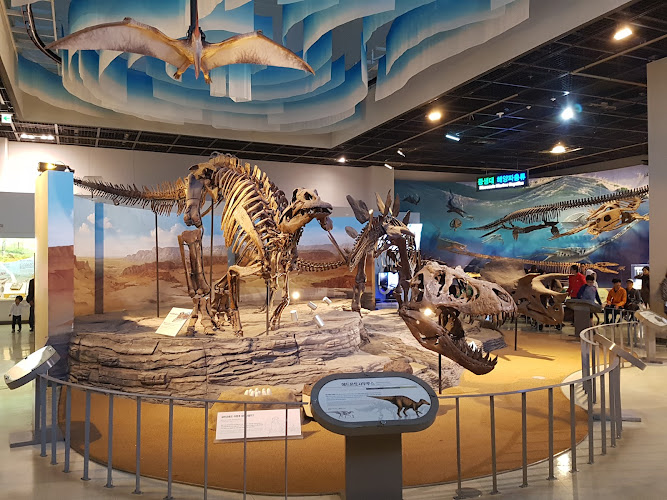
The National Gwacheon Science Museum is one of those places that somehow feels both futuristic and nostalgic at the same time. It’s a massive complex dedicated to science, technology, and discovery, and it’s not your typical “walk quietly and don’t touch anything” kind of museum. Instead, it’s hands-on, interactive, and buzzing with energy. Families, school groups, solo travelers with a curious streak—everyone seems to find their own corner of fascination here.
Walking through its halls, you’ll notice how the exhibits are designed to spark curiosity rather than overwhelm with jargon. Sure, there are technical explanations, but the focus is on making science approachable. I remember standing in front of a robotics display, watching kids eagerly pressing buttons and laughing as machines responded—it felt less like a classroom and more like a playground for the mind. And then there’s the planetarium, which is easily a highlight. Sitting under that dome, watching the night sky unfold, you almost forget you’re just a short ride from Seoul.
Of course, not every corner is perfect. Some exhibits can feel a little dated, and on weekends the crowds can be intense. But the overall experience outweighs the occasional hiccup. It’s the sort of place where you leave with your head buzzing, thinking about things you hadn’t considered in years. If you’ve ever wanted a reminder of how exciting science can be, this museum delivers.
Key Features
- Interactive exhibits covering physics, biology, space, and cutting-edge technology
- A large planetarium offering immersive stargazing shows
- Outdoor science playgrounds and seasonal programs for children
- Onsite restaurants and cafés for a convenient break
- Wheelchair accessible entrances, restrooms, and parking
- Family-friendly amenities, including changing tables and kid-focused exhibits
- Special exhibitions and rotating programs that keep repeat visits interesting
Best Time to Visit
Timing can make or break your experience here. Weekdays, especially mornings, are the sweet spot. The museum feels calmer, and you can actually take your time with the exhibits without being nudged along by school groups. Weekends and holidays, on the other hand, can be a bit of a madhouse—lines at the planetarium, crowds around the popular interactive zones, and kids darting around everywhere. If you’re traveling with children, that lively energy might actually be part of the fun, but if you’re more of a quiet explorer, stick to less busy times.
Spring and autumn are particularly nice because you can enjoy the outdoor science playgrounds without the sweltering heat or biting cold. I once visited in late October, and the crisp air made wandering between indoor and outdoor exhibits feel refreshing. Plus, the fall foliage around Gwacheon adds a little extra magic to the trip.
How to Get There
Getting to the museum is fairly straightforward. If you’re coming from Seoul, the subway is the most convenient option. The station is within walking distance, and the route is well-marked so you won’t be second-guessing every turn. For those who prefer driving, there’s onsite parking, though it can fill up quickly on busy days. Public buses also serve the area, making it accessible even if you’re not comfortable navigating the subway system.
Personally, I recommend the subway—it’s reliable, affordable, and you don’t have to worry about traffic. Plus, you can use the ride as a chance to rest your feet before diving into hours of exploring.
Tips for Visiting
Here’s where a little planning goes a long way. First off, book planetarium tickets early. They’re one of the most popular features, and they do sell out. Don’t make the mistake I did on my first visit, wandering in mid-afternoon only to find the shows fully booked. Second, wear comfortable shoes. The museum is sprawling, and you’ll be on your feet a lot more than you expect.
If you’re traveling with kids, pace yourself. There’s so much to see that it’s easy to burn out halfway through. Take advantage of the onsite restaurants or even pack a few snacks to recharge. And for those who are more into photography, keep in mind that some exhibits don’t allow flash, but the natural lighting in certain halls makes for surprisingly good shots.
One final tip: don’t rush. It’s tempting to try to see every single exhibit, but the real joy comes from lingering. Let yourself get lost in a single display, or sit back in the planetarium and just soak it all in. This isn’t just a museum—it’s a reminder of how fascinating the world (and universe) really is.
Key Features
- Interactive exhibits covering physics, biology, space, and cutting-edge technology
- A large planetarium offering immersive stargazing shows
- Outdoor science playgrounds and seasonal programs for children
- Onsite restaurants and cafés for a convenient break
- Wheelchair accessible entrances, restrooms, and parking
- Family-friendly amenities, including changing tables and kid-focused exhibits
- Special exhibitions and rotating programs that keep repeat visits interesting
More Details
Updated September 30, 2025
Table of Contents
Description
The National Gwacheon Science Museum is one of those places that somehow feels both futuristic and nostalgic at the same time. It’s a massive complex dedicated to science, technology, and discovery, and it’s not your typical “walk quietly and don’t touch anything” kind of museum. Instead, it’s hands-on, interactive, and buzzing with energy. Families, school groups, solo travelers with a curious streak—everyone seems to find their own corner of fascination here.
Walking through its halls, you’ll notice how the exhibits are designed to spark curiosity rather than overwhelm with jargon. Sure, there are technical explanations, but the focus is on making science approachable. I remember standing in front of a robotics display, watching kids eagerly pressing buttons and laughing as machines responded—it felt less like a classroom and more like a playground for the mind. And then there’s the planetarium, which is easily a highlight. Sitting under that dome, watching the night sky unfold, you almost forget you’re just a short ride from Seoul.
Of course, not every corner is perfect. Some exhibits can feel a little dated, and on weekends the crowds can be intense. But the overall experience outweighs the occasional hiccup. It’s the sort of place where you leave with your head buzzing, thinking about things you hadn’t considered in years. If you’ve ever wanted a reminder of how exciting science can be, this museum delivers.
Key Features
- Interactive exhibits covering physics, biology, space, and cutting-edge technology
- A large planetarium offering immersive stargazing shows
- Outdoor science playgrounds and seasonal programs for children
- Onsite restaurants and cafés for a convenient break
- Wheelchair accessible entrances, restrooms, and parking
- Family-friendly amenities, including changing tables and kid-focused exhibits
- Special exhibitions and rotating programs that keep repeat visits interesting
Best Time to Visit
Timing can make or break your experience here. Weekdays, especially mornings, are the sweet spot. The museum feels calmer, and you can actually take your time with the exhibits without being nudged along by school groups. Weekends and holidays, on the other hand, can be a bit of a madhouse—lines at the planetarium, crowds around the popular interactive zones, and kids darting around everywhere. If you’re traveling with children, that lively energy might actually be part of the fun, but if you’re more of a quiet explorer, stick to less busy times.
Spring and autumn are particularly nice because you can enjoy the outdoor science playgrounds without the sweltering heat or biting cold. I once visited in late October, and the crisp air made wandering between indoor and outdoor exhibits feel refreshing. Plus, the fall foliage around Gwacheon adds a little extra magic to the trip.
How to Get There
Getting to the museum is fairly straightforward. If you’re coming from Seoul, the subway is the most convenient option. The station is within walking distance, and the route is well-marked so you won’t be second-guessing every turn. For those who prefer driving, there’s onsite parking, though it can fill up quickly on busy days. Public buses also serve the area, making it accessible even if you’re not comfortable navigating the subway system.
Personally, I recommend the subway—it’s reliable, affordable, and you don’t have to worry about traffic. Plus, you can use the ride as a chance to rest your feet before diving into hours of exploring.
Tips for Visiting
Here’s where a little planning goes a long way. First off, book planetarium tickets early. They’re one of the most popular features, and they do sell out. Don’t make the mistake I did on my first visit, wandering in mid-afternoon only to find the shows fully booked. Second, wear comfortable shoes. The museum is sprawling, and you’ll be on your feet a lot more than you expect.
If you’re traveling with kids, pace yourself. There’s so much to see that it’s easy to burn out halfway through. Take advantage of the onsite restaurants or even pack a few snacks to recharge. And for those who are more into photography, keep in mind that some exhibits don’t allow flash, but the natural lighting in certain halls makes for surprisingly good shots.
One final tip: don’t rush. It’s tempting to try to see every single exhibit, but the real joy comes from lingering. Let yourself get lost in a single display, or sit back in the planetarium and just soak it all in. This isn’t just a museum—it’s a reminder of how fascinating the world (and universe) really is.
Key Highlights
- Interactive exhibits covering physics, biology, space, and cutting-edge technology
- A large planetarium offering immersive stargazing shows
- Outdoor science playgrounds and seasonal programs for children
- Onsite restaurants and cafés for a convenient break
- Wheelchair accessible entrances, restrooms, and parking
- Family-friendly amenities, including changing tables and kid-focused exhibits
- Special exhibitions and rotating programs that keep repeat visits interesting
Location
Places to Stay Near 국립과천과학관
Find and Book a Tour
Explore More Travel Guides
No reviews found! Be the first to review!
Traveler Reviews for 국립과천과학관
There are no reviews yet. Be the first one to write one.
Have you visited 국립과천과학관? Help other travelers by sharing your review.
You Might Also Like

Seoul Grand Park
Seoulland
Find Accommodations Nearby
Recommended Tours & Activities
Visitor Reviews
There are no reviews yet. Be the first one to write one.
Share Your Experience
Have you visited 국립과천과학관? Help other travelers by leaving a review.