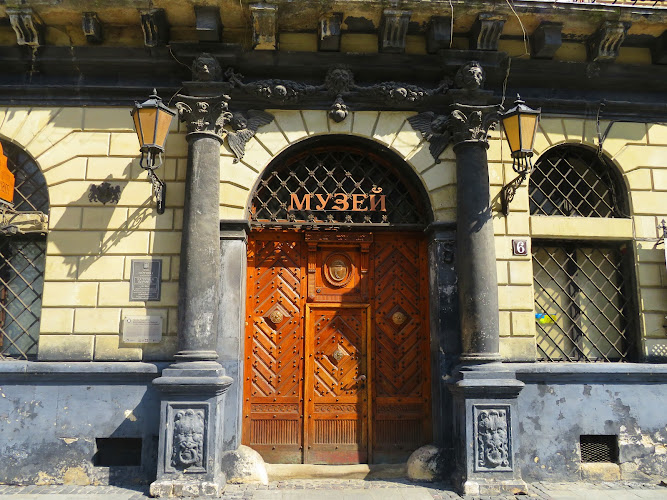
Львівський історичний музей
About Львівський історичний музей
Description
The Lviv Historical Museum is one of those places that quietly pulls you in and doesn’t let go. It’s housed in what was once the residence of King Jan III Sobieski — yes, the same Polish king who famously defended Vienna in 1683. You can feel that royal air the moment you step inside. The creak of the old wooden floors, the faint scent of varnish and history, and those slightly uneven staircases that whisper stories of centuries past — it’s all part of the charm. The museum doesn’t just show history; it lives and breathes it. From medieval weaponry to portraits of Ukrainian nobility, every exhibit feels like a piece of a much larger puzzle that tells the story of Ukraine’s soul.
What makes this museum truly special is how it covers the entire span of Ukrainian history — from prehistoric artifacts to the modern era. It’s not just about dusty relics behind glass; it’s about context. You walk through rooms that seem to shift in time. One moment you’re staring at 17th-century armor, the next you’re marveling at 20th-century photographs that tell the story of resilience and identity. The curators have done a remarkable job of balancing grandeur with intimacy. It’s educational, yes, but it never feels like a lecture. More like a conversation with the past.
Now, it’s fair to say that not every visitor leaves in awe. Some find the layout a bit confusing, or wish there were more English translations. But honestly, that’s part of its authenticity. You’re in Lviv — a city that wears its history proudly, even a little defiantly. The museum reflects that spirit. It’s not polished to perfection, but it’s real. And that’s what makes it worth your time.
Key Features
- Located in the former royal residence of King Jan III Sobieski, offering a rare glimpse into aristocratic life in Lviv’s golden age.
- Exhibitions spanning thousands of years — from prehistoric tools to modern-day Ukrainian cultural artifacts.
- Live performances and historical reenactments that bring ancient traditions to life.
- Family-friendly environment, perfect for travelers with kids who want to make history fun and interactive.
- Gender-neutral restrooms and accessible facilities, though wheelchair access is limited in some areas due to the building’s historic structure.
- On-site restaurant and café offering traditional Ukrainian dishes — a great spot to rest and process everything you’ve seen.
- Free Wi-Fi throughout the museum, which is handy for looking up extra info or sharing your favorite exhibits instantly.
I remember my first visit — I got completely lost between the medieval and Renaissance halls. But that’s kind of the beauty of it. You wander, you discover, you stumble upon something unexpected. Maybe it’s an ancient coin collection or a piece of embroidery so delicate it looks like it could dissolve in sunlight. Every corner feels like a secret waiting to be found.
Best Time to Visit
If you ask me, the best time to visit the Lviv Historical Museum is in late spring or early autumn. During these months, the weather is mild enough to stroll around Rynok Square before or after your visit. The museum itself stays fairly cool inside — those thick old walls do a great job of keeping out the summer heat. Winter visits can be lovely too, especially if you enjoy that cozy, old-world atmosphere. There’s something magical about stepping into centuries-old rooms while snowflakes drift outside the windows.
Weekdays are generally quieter, which means you can take your time reading the exhibit notes without feeling rushed. Weekends bring more families and tour groups, so it’s livelier, but also a bit more crowded. If you’re a photographer, mornings are perfect — the natural light filtering through the tall windows gives everything a soft, golden glow that makes your pictures look straight out of a travel magazine.
How to Get There
Getting to the Lviv Historical Museum is straightforward since it’s right in the heart of the city. Most travelers will find themselves wandering through Rynok Square anyway — it’s practically impossible to miss. If you’re staying nearby, walking is the best way to go. You’ll get to soak in the cobblestone streets, street performers, and that unmistakable old-town energy that makes Lviv so enchanting.
For those coming from farther out, public transport and taxis are both reliable. Lviv’s trams are a bit vintage (and sometimes squeaky), but they’re part of the city’s charm. Just keep some small change handy for tickets. If you’re driving, parking can be tricky — the area around the square gets congested, and spaces are limited. Honestly, it’s one of those places where leaving the car behind just makes the whole experience smoother.
And don’t worry about getting lost. Everyone in Lviv seems to know where the museum is. Even if your Ukrainian isn’t great, a simple “museum?” and a friendly smile will usually get you pointed in the right direction. Locals are proud of it — they’ll be happy to help.
Tips for Visiting
Here’s the thing about the Lviv Historical Museum — it rewards curiosity. So, take your time. Don’t rush through the exhibits. Each room has its own story, and the details matter. If you can, join a guided tour. The guides are passionate and often share anecdotes you won’t find on the plaques. I once had a guide tell me about a sword that supposedly belonged to a Cossack chieftain whose ghost still “guards” the armory room. True or not, it made the experience unforgettable.
Bring a light jacket, even in summer. The old stone walls can make the interior surprisingly cool, and some sections aren’t as well-heated in winter. Comfortable shoes are a must — you’ll be walking and climbing stairs quite a bit. And if you’re traveling with kids, good news: they’ll love it. There are interactive displays and live performances that make history come alive in a way that’s fun, not stuffy.
Photography is generally allowed, but always double-check before snapping pictures, especially in rooms with fragile artifacts. And while the museum does have restrooms and a café, it’s worth grabbing a coffee afterward at one of the nearby cafés in Rynok Square — the people-watching there is top-notch.
One more tip: plan at least two hours for your visit. You might think you’ll be done in an hour, but trust me, you’ll linger. The museum has this way of pulling you deeper into its narrative. Before you know it, you’re tracing your fingers along the glass of an ancient map, wondering how many people before you have done the same.
For accessibility, it’s worth noting that while the museum offers a wheelchair-accessible restroom, some entrances and upper floors can be challenging due to the building’s age. If mobility is a concern, calling ahead can help you plan your route through the most accessible sections. The staff is friendly and usually goes out of their way to assist visitors.
Ultimately, the Lviv Historical Museum isn’t just a place to see artifacts; it’s a place to feel them. It’s where the weight of history meets the lightness of discovery. You walk out not just knowing more about Ukraine, but feeling more connected to it. And that, in my opinion, is what travel should always be about.
Key Features
- Located in the former royal residence of King Jan III Sobieski, offering a rare glimpse into aristocratic life in Lviv’s golden age.
- Exhibitions spanning thousands of years — from prehistoric tools to modern-day Ukrainian cultural artifacts.
- Live performances and historical reenactments that bring ancient traditions to life.
- Family-friendly environment, perfect for travelers with kids who want to make history fun and interactive.
- Gender-neutral restrooms and accessible facilities, though wheelchair access is limited in some areas due to the building’s historic structure.
- On-site restaurant and café offering traditional Ukrainian dishes — a great spot to rest and process everything you’ve seen.
- Free Wi-Fi throughout the museum, which is handy for looking up extra info or sharing your favorite exhibits instantly.
More Details
Updated November 7, 2025
Table of Contents The Lviv Historical Museum is one of those places that quietly pulls you in and doesn’t let go. It’s housed in what was once the residence of King Jan III Sobieski — yes, the same Polish king who famously defended Vienna in 1683. You can feel that royal air the moment you step inside. The creak of the old wooden floors, the faint scent of varnish and history, and those slightly uneven staircases that whisper stories of centuries past — it’s all part of the charm. The museum doesn’t just show history; it lives and breathes it. From medieval weaponry to portraits of Ukrainian nobility, every exhibit feels like a piece of a much larger puzzle that tells the story of Ukraine’s soul. What makes this museum truly special is how it covers the entire span of Ukrainian history — from prehistoric artifacts to the modern era. It’s not just about dusty relics behind glass; it’s about context. You walk through rooms that seem to shift in time. One moment you’re staring at 17th-century armor, the next you’re marveling at 20th-century photographs that tell the story of resilience and identity. The curators have done a remarkable job of balancing grandeur with intimacy. It’s educational, yes, but it never feels like a lecture. More like a conversation with the past. Now, it’s fair to say that not every visitor leaves in awe. Some find the layout a bit confusing, or wish there were more English translations. But honestly, that’s part of its authenticity. You’re in Lviv — a city that wears its history proudly, even a little defiantly. The museum reflects that spirit. It’s not polished to perfection, but it’s real. And that’s what makes it worth your time. I remember my first visit — I got completely lost between the medieval and Renaissance halls. But that’s kind of the beauty of it. You wander, you discover, you stumble upon something unexpected. Maybe it’s an ancient coin collection or a piece of embroidery so delicate it looks like it could dissolve in sunlight. Every corner feels like a secret waiting to be found. If you ask me, the best time to visit the Lviv Historical Museum is in late spring or early autumn. During these months, the weather is mild enough to stroll around Rynok Square before or after your visit. The museum itself stays fairly cool inside — those thick old walls do a great job of keeping out the summer heat. Winter visits can be lovely too, especially if you enjoy that cozy, old-world atmosphere. There’s something magical about stepping into centuries-old rooms while snowflakes drift outside the windows. Weekdays are generally quieter, which means you can take your time reading the exhibit notes without feeling rushed. Weekends bring more families and tour groups, so it’s livelier, but also a bit more crowded. If you’re a photographer, mornings are perfect — the natural light filtering through the tall windows gives everything a soft, golden glow that makes your pictures look straight out of a travel magazine. Getting to the Lviv Historical Museum is straightforward since it’s right in the heart of the city. Most travelers will find themselves wandering through Rynok Square anyway — it’s practically impossible to miss. If you’re staying nearby, walking is the best way to go. You’ll get to soak in the cobblestone streets, street performers, and that unmistakable old-town energy that makes Lviv so enchanting. For those coming from farther out, public transport and taxis are both reliable. Lviv’s trams are a bit vintage (and sometimes squeaky), but they’re part of the city’s charm. Just keep some small change handy for tickets. If you’re driving, parking can be tricky — the area around the square gets congested, and spaces are limited. Honestly, it’s one of those places where leaving the car behind just makes the whole experience smoother. And don’t worry about getting lost. Everyone in Lviv seems to know where the museum is. Even if your Ukrainian isn’t great, a simple “museum?” and a friendly smile will usually get you pointed in the right direction. Locals are proud of it — they’ll be happy to help. Here’s the thing about the Lviv Historical Museum — it rewards curiosity. So, take your time. Don’t rush through the exhibits. Each room has its own story, and the details matter. If you can, join a guided tour. The guides are passionate and often share anecdotes you won’t find on the plaques. I once had a guide tell me about a sword that supposedly belonged to a Cossack chieftain whose ghost still “guards” the armory room. True or not, it made the experience unforgettable. Bring a light jacket, even in summer. The old stone walls can make the interior surprisingly cool, and some sections aren’t as well-heated in winter. Comfortable shoes are a must — you’ll be walking and climbing stairs quite a bit. And if you’re traveling with kids, good news: they’ll love it. There are interactive displays and live performances that make history come alive in a way that’s fun, not stuffy. Photography is generally allowed, but always double-check before snapping pictures, especially in rooms with fragile artifacts. And while the museum does have restrooms and a café, it’s worth grabbing a coffee afterward at one of the nearby cafés in Rynok Square — the people-watching there is top-notch. One more tip: plan at least two hours for your visit. You might think you’ll be done in an hour, but trust me, you’ll linger. The museum has this way of pulling you deeper into its narrative. Before you know it, you’re tracing your fingers along the glass of an ancient map, wondering how many people before you have done the same. For accessibility, it’s worth noting that while the museum offers a wheelchair-accessible restroom, some entrances and upper floors can be challenging due to the building’s age. If mobility is a concern, calling ahead can help you plan your route through the most accessible sections. The staff is friendly and usually goes out of their way to assist visitors. Ultimately, the Lviv Historical Museum isn’t just a place to see artifacts; it’s a place to feel them. It’s where the weight of history meets the lightness of discovery. You walk out not just knowing more about Ukraine, but feeling more connected to it. And that, in my opinion, is what travel should always be about.Description
Key Features
Best Time to Visit
How to Get There
Tips for Visiting
Key Highlights
- Located in the former royal residence of King Jan III Sobieski, offering a rare glimpse into aristocratic life in Lviv’s golden age.
- Exhibitions spanning thousands of years — from prehistoric tools to modern-day Ukrainian cultural artifacts.
- Live performances and historical reenactments that bring ancient traditions to life.
- Family-friendly environment, perfect for travelers with kids who want to make history fun and interactive.
- Gender-neutral restrooms and accessible facilities, though wheelchair access is limited in some areas due to the building’s historic structure.
- On-site restaurant and café offering traditional Ukrainian dishes — a great spot to rest and process everything you’ve seen.
- Free Wi-Fi throughout the museum, which is handy for looking up extra info or sharing your favorite exhibits instantly.
Location
Places to Stay Near Львівський історичний музей
Find and Book a Tour
Explore More Travel Guides
No reviews found! Be the first to review!
Traveler Reviews for Львівський історичний музей
There are no reviews yet. Be the first one to write one.
Have you visited Львівський історичний музей? Help other travelers by sharing your review.
Find Accommodations Nearby
Recommended Tours & Activities
Visitor Reviews
There are no reviews yet. Be the first one to write one.
Share Your Experience
Have you visited Львівський історичний музей? Help other travelers by leaving a review.
