Potocki Palace
About Potocki Palace
Description
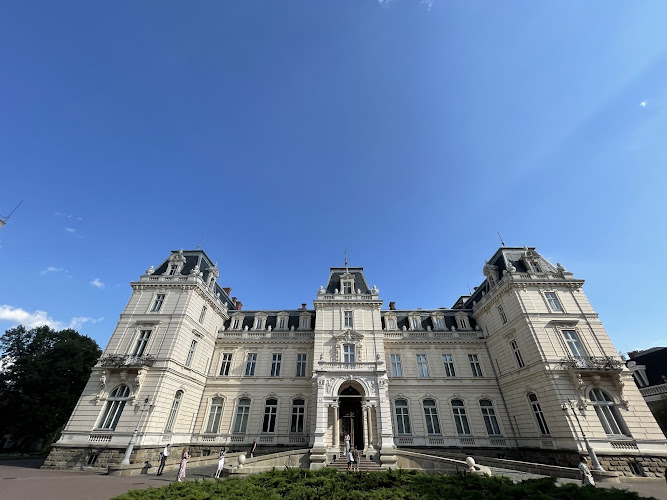
Potocki Palace in Lviv is one of those places that you walk into and instantly feel like you’ve stepped into another century. Built in the 1880s for Count Alfred Józef Potocki, a former Minister-President of Austria, the palace was designed to impress—and it still does. Inspired by French Baroque architecture, the building looks like it could have been lifted straight from the streets of Paris and placed in the heart of Lviv. The façade, with its ornate carvings, high mansard roofs, and elegant symmetry, is a love letter to the grand palaces of King Louis XIV’s era.
Inside, the palace is equally breathtaking. The first floor is filled with lavish period interiors—crystal chandeliers, gilded mirrors, and marble fireplaces that whisper stories of aristocratic gatherings and candlelit soirées. The upper floors house a museum showcasing European art from the 14th to 18th centuries, including works that reflect the evolution of taste and artistic mastery throughout Europe. The blend of architecture and art gives visitors a rare look into how the elite of Galicia once lived, entertained, and collected beauty.
But it’s not just about the luxury. There’s something deeply human about the place too. Maybe it’s the quiet creak of the wooden floors or the way sunlight filters through the tall windows, painting golden patterns on the walls. You can almost imagine the Potocki family walking those halls, their footsteps echoing through time. The palace has seen wars, political upheavals, and decades of change, yet it stands tall—a silent storyteller of Lviv’s aristocratic past.
While most visitors leave impressed, some do point out that parts of the building could use a bit more care. And honestly, that’s fair—it’s an old soul, and like any grand dame, it shows its age in places. But that’s part of its charm. The slightly worn details, the faded corners—they all add layers to its story. It’s not a sterile museum; it’s a living relic of history.
Key Features
- 19th-century French Baroque architectural design inspired by Versailles
- Lavish interiors with original period furnishings and decor
- Collection of European fine art spanning from the 14th to 18th centuries
- Grand staircase and ballroom that once hosted aristocratic events
- Beautiful exterior courtyard ideal for photography and quiet reflection
- Family-friendly environment, suitable for children who enjoy exploring history
- Located near other major attractions in Lviv’s historic center
If you’re into architecture, you’ll love analyzing the details—the intricate stucco work, the wrought-iron balconies, and those impossibly elegant windows. And if you’re more of an art buff, the museum’s collection will keep you busy for hours. Personally, I could spend an entire afternoon just wandering the halls, imagining what it must have been like to attend a ball here in the 1890s.
Best Time to Visit
Spring and early autumn are arguably the best times to visit Potocki Palace. The weather is mild, and the surrounding streets of Lviv come alive with outdoor cafés and blooming trees. There’s something magical about walking up to the palace when the air smells like lilacs and the cobblestones are still damp from a morning rain.
Summer can be busier, especially with tourists flocking to Lviv’s old town, but the palace’s cool interiors offer a welcome escape from the heat. Winter, on the other hand, transforms the palace into something straight out of a fairy tale. Snow dusts the rooftops, and the golden lights from inside make the whole building glow like a scene from a period film. If you don’t mind the chill, it’s worth seeing it during the holidays—the atmosphere is pure magic.
Personally, I prefer visiting in the late afternoon, when the sun is low and the light hits the façade just right. The shadows bring out every detail of the carvings, and the whole building seems to come alive. It’s a photographer’s dream.
How to Get There
Getting to Potocki Palace is pretty straightforward if you’re already in Lviv. The city’s public transport system is reliable, though I’ll admit, it can get a bit crowded at peak hours. You can hop on a tram or bus heading toward the city center and then take a short walk through the cobblestone streets. The palace is tucked not far from the main square, so you won’t have trouble finding it.
If you’re staying nearby, walking is actually the best option. There’s something about approaching the palace on foot that builds anticipation—you turn a corner, and suddenly there it is, standing proud and elegant against the skyline. For those traveling by car, parking can be a little tricky, especially on weekends, so plan ahead or use one of the nearby paid lots.
And here’s a small tip from experience: take your time getting there. The streets around the palace are full of charming cafés and hidden courtyards worth a quick detour. Grab a coffee, enjoy the atmosphere, and make the palace your reward at the end of a leisurely stroll.
Tips for Visiting
First things first—bring a camera. Whether you’re a pro or just snapping on your phone, you’ll want to capture the details. The palace’s interiors are incredibly photogenic, and the exterior courtyard makes for some of the best shots in Lviv.
Wear comfortable shoes because you’ll be walking and standing quite a bit, especially if you plan to explore the nearby attractions afterward. The palace isn’t wheelchair accessible, which is something to keep in mind if mobility is a concern. There are also no assistive hearing loops or accessible restrooms, so plan accordingly.
If you’re traveling with kids, you’ll be happy to know the palace is surprisingly good for families. Children often enjoy the grandeur of the rooms and the sense of stepping into a “real-life castle.” Just remind them not to touch the exhibits—tempting as it might be!
Try to visit during weekdays or early mornings to avoid crowds. The palace can get busy, especially during weekends and holidays, and having a little peace makes it easier to soak in the atmosphere. Guided tours are available and worth considering if you want to learn more about the history and the people who once lived here. The guides are usually passionate locals who sprinkle their stories with humor and little-known facts.
And one last piece of advice—don’t rush. Potocki Palace isn’t just a place to check off your list. It’s a mood, an experience. Sit for a moment in one of its halls, listen to the creak of the floors, and let your imagination wander. That’s when you really feel the weight of history here.
All in all, Potocki Palace is more than just a museum or a historical landmark. It’s a window into Lviv’s aristocratic past, a place where art, architecture, and memory intertwine. Whether you’re an architecture lover, a history enthusiast, or simply someone who appreciates beauty, this palace has a way of leaving a mark. And honestly, that’s what great travel experiences are all about—places that stay with you long after you’ve left.
Key Features
- 19th-century French Baroque architectural design inspired by Versailles
- Lavish interiors with original period furnishings and decor
- Collection of European fine art spanning from the 14th to 18th centuries
- Grand staircase and ballroom that once hosted aristocratic events
- Beautiful exterior courtyard ideal for photography and quiet reflection
- Family-friendly environment, suitable for children who enjoy exploring history
- Located near other major attractions in Lviv’s historic center
More Details
Updated November 7, 2025
Table of Contents
Description
Potocki Palace in Lviv is one of those places that you walk into and instantly feel like you’ve stepped into another century. Built in the 1880s for Count Alfred Józef Potocki, a former Minister-President of Austria, the palace was designed to impress—and it still does. Inspired by French Baroque architecture, the building looks like it could have been lifted straight from the streets of Paris and placed in the heart of Lviv. The façade, with its ornate carvings, high mansard roofs, and elegant symmetry, is a love letter to the grand palaces of King Louis XIV’s era.
Inside, the palace is equally breathtaking. The first floor is filled with lavish period interiors—crystal chandeliers, gilded mirrors, and marble fireplaces that whisper stories of aristocratic gatherings and candlelit soirées. The upper floors house a museum showcasing European art from the 14th to 18th centuries, including works that reflect the evolution of taste and artistic mastery throughout Europe. The blend of architecture and art gives visitors a rare look into how the elite of Galicia once lived, entertained, and collected beauty.
But it’s not just about the luxury. There’s something deeply human about the place too. Maybe it’s the quiet creak of the wooden floors or the way sunlight filters through the tall windows, painting golden patterns on the walls. You can almost imagine the Potocki family walking those halls, their footsteps echoing through time. The palace has seen wars, political upheavals, and decades of change, yet it stands tall—a silent storyteller of Lviv’s aristocratic past.
While most visitors leave impressed, some do point out that parts of the building could use a bit more care. And honestly, that’s fair—it’s an old soul, and like any grand dame, it shows its age in places. But that’s part of its charm. The slightly worn details, the faded corners—they all add layers to its story. It’s not a sterile museum; it’s a living relic of history.
Key Features
- 19th-century French Baroque architectural design inspired by Versailles
- Lavish interiors with original period furnishings and decor
- Collection of European fine art spanning from the 14th to 18th centuries
- Grand staircase and ballroom that once hosted aristocratic events
- Beautiful exterior courtyard ideal for photography and quiet reflection
- Family-friendly environment, suitable for children who enjoy exploring history
- Located near other major attractions in Lviv’s historic center
If you’re into architecture, you’ll love analyzing the details—the intricate stucco work, the wrought-iron balconies, and those impossibly elegant windows. And if you’re more of an art buff, the museum’s collection will keep you busy for hours. Personally, I could spend an entire afternoon just wandering the halls, imagining what it must have been like to attend a ball here in the 1890s.
Best Time to Visit
Spring and early autumn are arguably the best times to visit Potocki Palace. The weather is mild, and the surrounding streets of Lviv come alive with outdoor cafés and blooming trees. There’s something magical about walking up to the palace when the air smells like lilacs and the cobblestones are still damp from a morning rain.
Summer can be busier, especially with tourists flocking to Lviv’s old town, but the palace’s cool interiors offer a welcome escape from the heat. Winter, on the other hand, transforms the palace into something straight out of a fairy tale. Snow dusts the rooftops, and the golden lights from inside make the whole building glow like a scene from a period film. If you don’t mind the chill, it’s worth seeing it during the holidays—the atmosphere is pure magic.
Personally, I prefer visiting in the late afternoon, when the sun is low and the light hits the façade just right. The shadows bring out every detail of the carvings, and the whole building seems to come alive. It’s a photographer’s dream.
How to Get There
Getting to Potocki Palace is pretty straightforward if you’re already in Lviv. The city’s public transport system is reliable, though I’ll admit, it can get a bit crowded at peak hours. You can hop on a tram or bus heading toward the city center and then take a short walk through the cobblestone streets. The palace is tucked not far from the main square, so you won’t have trouble finding it.
If you’re staying nearby, walking is actually the best option. There’s something about approaching the palace on foot that builds anticipation—you turn a corner, and suddenly there it is, standing proud and elegant against the skyline. For those traveling by car, parking can be a little tricky, especially on weekends, so plan ahead or use one of the nearby paid lots.
And here’s a small tip from experience: take your time getting there. The streets around the palace are full of charming cafés and hidden courtyards worth a quick detour. Grab a coffee, enjoy the atmosphere, and make the palace your reward at the end of a leisurely stroll.
Tips for Visiting
First things first—bring a camera. Whether you’re a pro or just snapping on your phone, you’ll want to capture the details. The palace’s interiors are incredibly photogenic, and the exterior courtyard makes for some of the best shots in Lviv.
Wear comfortable shoes because you’ll be walking and standing quite a bit, especially if you plan to explore the nearby attractions afterward. The palace isn’t wheelchair accessible, which is something to keep in mind if mobility is a concern. There are also no assistive hearing loops or accessible restrooms, so plan accordingly.
If you’re traveling with kids, you’ll be happy to know the palace is surprisingly good for families. Children often enjoy the grandeur of the rooms and the sense of stepping into a “real-life castle.” Just remind them not to touch the exhibits—tempting as it might be!
Try to visit during weekdays or early mornings to avoid crowds. The palace can get busy, especially during weekends and holidays, and having a little peace makes it easier to soak in the atmosphere. Guided tours are available and worth considering if you want to learn more about the history and the people who once lived here. The guides are usually passionate locals who sprinkle their stories with humor and little-known facts.
And one last piece of advice—don’t rush. Potocki Palace isn’t just a place to check off your list. It’s a mood, an experience. Sit for a moment in one of its halls, listen to the creak of the floors, and let your imagination wander. That’s when you really feel the weight of history here.
All in all, Potocki Palace is more than just a museum or a historical landmark. It’s a window into Lviv’s aristocratic past, a place where art, architecture, and memory intertwine. Whether you’re an architecture lover, a history enthusiast, or simply someone who appreciates beauty, this palace has a way of leaving a mark. And honestly, that’s what great travel experiences are all about—places that stay with you long after you’ve left.

Key Highlights
- 19th-century French Baroque architectural design inspired by Versailles
- Lavish interiors with original period furnishings and decor
- Collection of European fine art spanning from the 14th to 18th centuries
- Grand staircase and ballroom that once hosted aristocratic events
- Beautiful exterior courtyard ideal for photography and quiet reflection
- Family-friendly environment, suitable for children who enjoy exploring history
- Located near other major attractions in Lviv’s historic center
Location
Places to Stay Near Potocki Palace
Find and Book a Tour
Explore More Travel Guides
No reviews found! Be the first to review!
Traveler Reviews for Potocki Palace
There are no reviews yet. Be the first one to write one.
Have you visited Potocki Palace? Help other travelers by sharing your review.
Find Accommodations Nearby
Recommended Tours & Activities
Visitor Reviews
There are no reviews yet. Be the first one to write one.
Share Your Experience
Have you visited Potocki Palace? Help other travelers by leaving a review.