
Last modified August 17, 2026
People always seem to pit Ohrid and Kotor against each other—maybe because both sit on sparkling water, both have UNESCO-listed old towns, and both feel like you’ve wandered into a different century. But let’s be real, they’re not twins. If you’re after lakeside peace and a slower pace, Ohrid’s your vibe. If you want those jaw-dropping mountains, salty air, and a bustling old town, Kotor’s got you covered.
You’ll sense the contrast as soon as you arrive. Ohrid just slows everything down. Cobblestone lanes meander past ancient churches, and the lake practically begs you to jump in.
Kotor greets you with steep walls, labyrinthine alleys, and a bay that honestly feels like a fjord—though technically, it isn’t.
I’ve wandered both, and it really comes down to what you’re in the mood for. Would you rather sip coffee beside a quiet lake, or scramble up medieval ramparts with the Adriatic stretching below? That’s your big decision.
Key Takeaways
- Ohrid brings a chill lakeside atmosphere and layers of history
- Kotor dishes out epic scenery and a lively Adriatic old town
- Your pick really hinges on whether you want to unwind or chase adventure
Ohrid vs Kotor: Quick Comparison
Both towns hug the water and feel ancient, but the mood is totally different once you’re there. Ohrid leans into lakeside tranquility with echoes of Byzantium, while Kotor pulses with Adriatic energy and is hemmed in by mountains.
Location and Accessibility

Ohrid’s in North Macedonia, right on Lake Ohrid near Albania. Most folks fly into Skopje or Tirana, then drive or hop a bus over. The roads wind quite a bit, so don’t expect a fast journey.
Kotor nestles into Montenegro’s Bay of Kotor. You can land in Podgorica or Tivat—Tivat’s closer, but Podgorica usually has more flight options.
If you’re up for a bit of a puzzle, you can score cheap flights into places like Tirana or Dubrovnik, then cross overland. Kotor’s easier to tack onto an Adriatic itinerary, while Ohrid feels like a side quest inland.
Atmosphere and Ambiance

Ohrid just moves at a different speed. Wooden fishing boats drift on the lake, narrow streets wind up to Orthodox churches, and you can easily lose an afternoon by the water with grilled trout and rakija.
Kotor buzzes, especially in summer. Cruise ships dock, and the old town fills up with travelers. Venetian walls snake up the mountains, and the alleys are jammed with cafes and bars. It’s busy, sometimes overwhelming, but never boring.
Best Time to Visit

Late spring and early fall suit Ohrid best—warm weather, swimmable lake, and it never gets as hectic as the coast.
Kotor shines in summer, but that means crowds and higher prices. May and September feel just right: lovely weather, fewer tourists, and easier to snag a room.
Winter? Ohrid almost shuts down, while Kotor keeps a trickle of off-season visitors thanks to the sea. Shoulder seasons work best if you’re not a fan of crowds.
Historical and Cultural Highlights
Both towns wear their history openly. You’ll see it in stone walls, old churches, and art that survived empires and earthquakes. Each city tells a different Balkan story—one shaped by spiritual roots, the other by maritime grit.
UNESCO World Heritage Status

Ohrid and Kotor both made the UNESCO cut. Ohrid’s on the list for its natural beauty and deep cultural layers. That lake’s ancient—one of the oldest on Earth—and the town brims with early Christian churches and medieval relics.
Kotor joined UNESCO in 1979 after a big earthquake. That status helped protect its fortified old town, Venetian ramparts, and the bay itself. UNESCO loved how Kotor blends into steep mountains and terraced hillsides.
It’s cool how each place shows a different piece of Balkan history. Ohrid’s a spiritual and cultural beacon, while Kotor’s UNESCO badge highlights its seafaring and defensive legacy.
Architectural Styles and Landmarks

Walking through Ohrid feels like time travel. Byzantine churches with faded frescoes, Ottoman houses with creaky balconies, and the hulking Samoil’s Fortress all share the skyline. The fortress, built in the 10th century, still dominates the town and gives you a sense of its old power.
Kotor’s architecture screams Venetian. The old town’s a tangled web of stone alleys, squares, and palaces—evidence of centuries of trade and foreign rule. City walls run almost 4.5 kilometers up to the Castle of San Giovanni. Climb them and you’ll get a sweeping view of the bay.
Both towns layer history in their buildings, but Ohrid mixes Balkan and Eastern influences, while Kotor’s old town feels straight out of the Adriatic world.
Religious Heritage
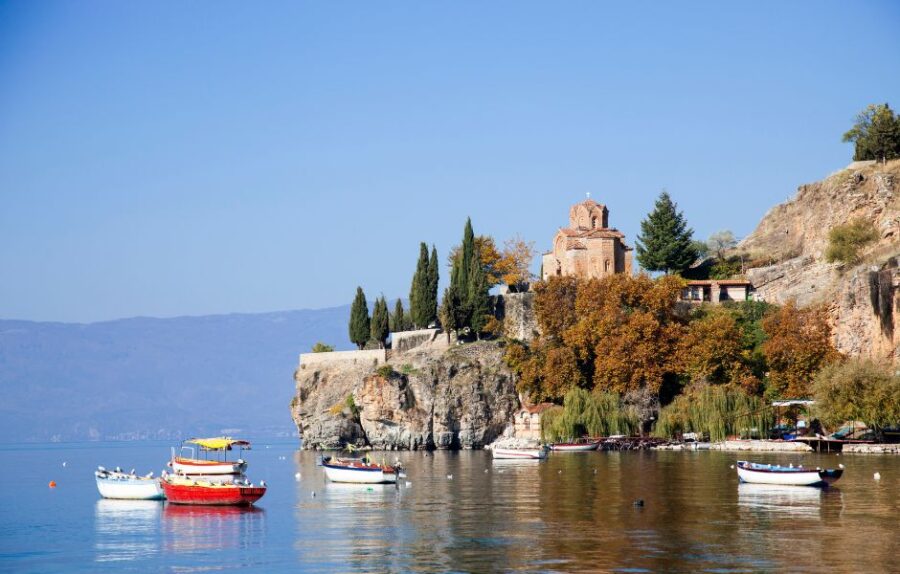
Religion left its mark everywhere. Ohrid’s sometimes called the “Jerusalem of the Balkans” thanks to its many churches. The Church of St. Sophia and St. John at Kaneo sit above the lake, their frescoes and mosaics telling stories from early Christianity. Ohrid’s icons are legendary for their detail.
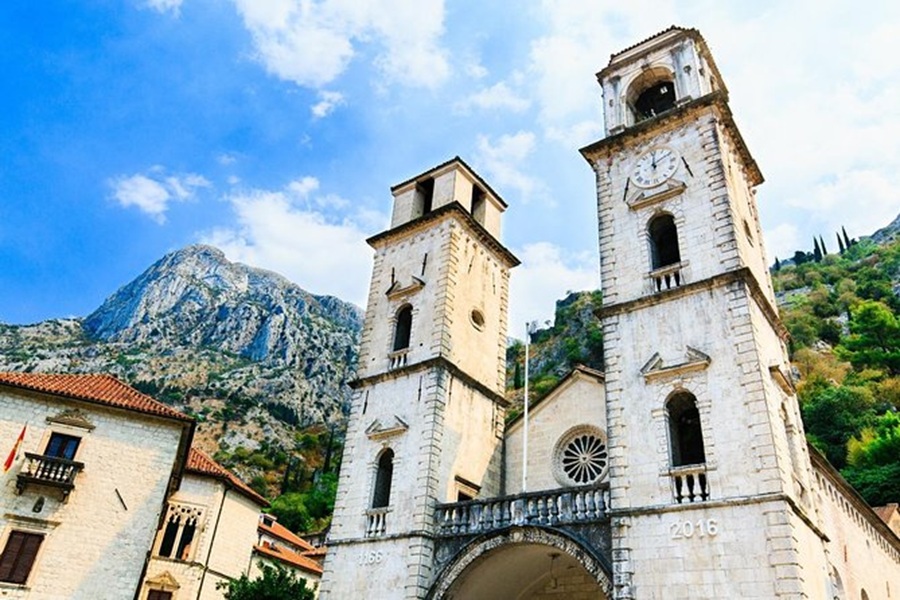
Kotor leans Catholic, though you’ll spot Orthodox churches too. The Cathedral of Saint Tryphon, built in 1166, stands out. Even after earthquake damage, it houses relics and artwork from centuries of devotion. Chapels and monasteries dot the bay, adding to the spiritual patchwork.
If sacred art moves you, Ohrid’s icons and mosaics are hard to beat. But if you want to see faith woven into a fortified port, Kotor’s churches and cathedral give you a totally different angle.
Natural Wonders and Scenery
Ohrid and Kotor both wow you with landscapes shaped by water and mountains. One wraps you in ancient lake vibes, the other drops you into a fjord-like bay ringed by cliffs. Each brings its own flavor of beauty—both urge you to slow down and just soak it all in.
Lake Ohrid and Surroundings

Lake Ohrid is seriously old—like, prehistoric old. Stand on its shore and you’ll see water so clear you can spot fish darting below. Locals claim you can drink straight from some springs, and honestly, I wouldn’t doubt it.
Ohrid hugs the lake, with winding lanes opening to jaw-dropping views. Ancient churches perch right above the water—St. John at Kaneo is the classic photo stop. It’s peaceful, but never feels deserted.
If you’re feeling adventurous, you can hop a boat to Albania across the lake. The hills around Ohrid are perfect for hikes, and in summer, locals swim at little beaches tucked along the shore. The whole place feels lived-in and real, not just a tourist backdrop.
Bay of Kotor Views

The Bay of Kotor isn’t technically a fjord, but it sure looks like one. Mountains rise straight out of the water, and the light shifts constantly. Photographers go wild here.
Kotor’s old town sits at the bay’s edge, hemmed in by medieval walls. Climb up to the fortress and you’ll get a panoramic view that’ll stick with you. The hike is steep—over a thousand stone steps—but the view at the top is worth every bit of sweat.
Villages like Perast bring extra charm, with baroque palaces and tiny waterfront cafes. Little islands like Our Lady of the Rocks dot the bay. It all feels compact, but every curve or boat ride reveals a new scene.
Outdoor Activities

You can get outside in both places, but the vibe’s different. Around Lake Ohrid, you might swim, kayak, or just drift on a boat. Hiking trails wind into the hills for big views, or you can bike the shoreline if you want something mellow but active.
Kotor’s activities tilt toward adventure. Hiking to the fortress is a rite of passage, but Lovćen National Park offers tougher trails. The bay is perfect for boat trips, and lots of folks book day tours to caves and islands.
If you’re a thrill-seeker, white-water rafting on the Tara River is a favorite day trip from Kotor. The canyon scenery is wild—unlike anything else in the region. Whether you crave calm or adrenaline, both Ohrid and Kotor have you covered.
Top Attractions in Ohrid
Ohrid’s the kind of place where history, art, and nature all mingle. You’ll wander from fortress walls to quiet churches, then down to the lake—all in one afternoon. Each spot has its own personality, and together they show why Ohrid’s often called North Macedonia’s cultural heart.
Samoil’s Fortress

Samoil’s Fortress looms high over Ohrid, giving you unreal views of the lake. Built back in the 10th century by Tsar Samoil, it still dominates the skyline. You can walk the restored walls and towers, stretching for hundreds of meters.
The climb isn’t brutal, but it does get hot in summer. Once you’re up there, you’re treated to a panorama of red rooftops, deep blue water, and mountains. I remember catching the sunset from up there—the whole place seemed to pause.
Bring water, good shoes, and maybe a snack. There aren’t many amenities, but that’s honestly part of the magic. It feels raw, almost untouched.
Icon Gallery and Mosaics

If you’re even a little into art or history, the Icon Gallery is a gem. It holds one of the Balkans’ most important collections of Byzantine icons, some dating back to the 11th century. The detail on these wooden panels is just wild.
The gallery sits near the Church of St. Sophia, which itself has mosaics and frescoes that are worth a look. The mosaics show early Christian symbols and patterns, hinting at just how long Ohrid’s been a spiritual hub.
Take your time here—slow down and really look at the faces and colors. Even if religion isn’t your thing, the artistry is something else. Plus, it’s a cool, shady spot on a hot day. Those thick stone walls do the trick.
Lake Ohrid Beaches

Lake Ohrid isn’t just a pretty sight—it’s made for swimming, boating, and lazy afternoons. The water’s so clear you’ll want to dive right in, and by mid-summer, it’s warm enough for those long, refreshing swims.
You’ll stumble on both pebble and sandy stretches, with Trpejca village sometimes getting called the “Macedonian Saint-Tropez” (locals love that nickname, by the way).
Some beaches buzz with cafés and music, but others hide away, quiet and peaceful. Personally, the smaller spots won me over—renting a kayak and paddling out, the world just kind of melts away.
If you’re into fishing, local boat owners sometimes invite travelers along, and honestly, tasting Ohrid trout at a lakeside restaurant feels like a rite of passage.
Don’t forget a towel, sunscreen, and maybe water shoes—the pebbles get sharp. Spending a day by the lake? That’s how you really sink into Ohrid’s laid-back pace.
Top Attractions in Kotor
Kotor’s one of those places that hands you medieval history, salty sea air, and wild mountain views all at once. One minute you’re climbing ancient stone steps, the next you’re wandering narrow lanes, and then—suddenly—you’re out by the water, wondering if you’ll ever leave.
Old Town Walls and Fortresses

Kotor’s walls really wrap around the Old Town, climbing up the mountain like a stone snake. Walking them feels a bit like time travel, and every step higher brings another jaw-dropping view.
At the top, the San Giovanni Fortress waits—about 1,350 steps up, so bring your stubbornness (and maybe a water bottle). It’s sweaty work, especially if the sun’s blazing, but the view over the Bay of Kotor? Unreal.
Go early or late if you can—the midday sun doesn’t mess around. Along the way, you’ll pass chapels and ruins that whisper stories from centuries ago.
Take your time, wear good shoes, and just soak it all in. The payoff up there is pure Montenegro magic.
Maritime Museum

Tucked inside a Baroque palace, the Maritime Museum lets you peek into Kotor’s seafaring soul. The town’s sailors and shipbuilders shaped its story, and you’ll get a real feel for it here.
You’ll find model ships, navigational gadgets, and portraits of captains who once sailed these waters. The museum’s not huge, which I actually prefer—it keeps things personal and digestible.
What really grabbed me was the sense of pride. It’s not just a collection of stuff; it’s the heartbeat of a city that lives and breathes the sea. If you love connecting stories to places, this spot makes Kotor’s old streets feel even richer.
Scenic Bay Cruises

People often mistake the Bay of Kotor for a fjord, but it’s actually a sunken river canyon. Whatever you call it, the views are next-level.
Getting out on the water is a must, and boat tours are everywhere.
A cruise glides past towns like Perast and takes you to Our Lady of the Rocks—a man-made island with a church you’ll want to step inside.
The water’s calm, the cliffs are dramatic, and the whole landscape feels a little unreal.
You can book anything from a quick ride to a full-day adventure. Planning ahead is easy—just book excursions if you like having things sorted.
Honestly, a sunset cruise is where the magic happens—the light on those mountains will stick with you for ages.
Traveling Between Ohrid and Kotor
Traveling from Ohrid in North Macedonia to Kotor in Montenegro isn’t exactly a quick jaunt, but with a little planning, it’s totally doable. You’ll want to think about your route, your ride, and those little details like border crossings that can trip you up if you’re not prepared.
Distance and Route Options
Ohrid and Kotor sit about 325 km (202 miles) apart by road, and the drive usually takes around 6 to 7 hours—traffic and border lines can make it longer. The most straightforward way heads west through Albania, cutting into Montenegro near the coast.
If you’re driving yourself, you’ll roll through places like Tirana, Shkodër, and Podgorica before finally seeing the Bay of Kotor. The scenery? Mountains, coastlines, and plenty of winding roads—beautiful, but not exactly a breeze.
You could also take the bus. There’s a direct night bus from Ohrid to Kotor, leaving late and arriving in the morning. Traveling.com says it’s about 9.5 hours, with quick stops in Ulcinj, Bar, and Sutomore.
Flying? Not really practical—no direct flights. But if you’re determined, you could piece together flights via Tirana or Podgorica. Curious about prices? Skyscanner is your friend.
Bus, Car, and Private Transfers
Every option comes with its own vibe. The bus is the cheapest, and if you grab the overnight one, you’ll save on a hotel night. Comfort’s not its strong suit, though—light sleepers, consider yourselves warned.
Renting a car gives you total freedom to stop wherever—maybe Lake Skadar or Budva if you’re feeling adventurous. You can book ahead on Booking.com or similar. Just know the mountain roads can get narrow and twisty, so confidence behind the wheel helps.
A private transfer is the smoothest but priciest way. Door-to-door, no fuss, and honestly, if you’ve got a group or a lot of luggage, it can feel like a lifesaver. I tried it once, and not worrying about bus schedules or driving was such a relief.
Border Crossing Tips
You’ll cross at least one border—usually Albania to Montenegro, sometimes North Macedonia too, depending on your route. Border waits are a gamble: sometimes 15 minutes, sometimes over an hour.
Always bring your passport, and double-check if you need a visa for any country you’re passing through. Each country—North Macedonia, Albania, Montenegro—has its own rules, so don’t assume they’re the same.
If you’re in a rental car, ask the agency about cross-border travel. Some require a “green card” for insurance outside the country. I’ve seen people turned back for missing paperwork, and trust me, that’s a headache you don’t want.
Pack snacks and water. Smaller border posts rarely have much in the way of facilities, and if you’re stuck in line, you’ll be glad to have something on hand. If you decide to fly part of the route, checking cheap flights to Podgorica or Tirana can sometimes save you time and hassle.
Frequently Asked Questions
Traveling between Ohrid and Kotor gives you a taste of two totally different sides of the Balkans. You’ll spot contrasts in culture, history, scenery, food, weather, and even the places you can call home for the night.
What unique cultural experiences can travelers expect when visiting Ohrid compared to Kotor?
Ohrid moves at a slower pace, steeped in Orthodox tradition. Ancient churches dot the town, and summer nights often fill with lakeside music festivals.u003cbru003eu003cbru003eKotor leans into its u003ca href=u0022https://www.realjourneytravels.com/tours/kotor-city-private-tour-with-cooking-class/u0022u003eVenetian rootsu003c/au003e. Wandering its walled old town feels like getting lost in a medieval maze. Squares buzz with locals sipping coffee long into the night.
How does the historical significance of Ohrid’s landmarks contrast with those in Kotor?
Ohrid’s sometimes called the “Jerusalem of the Balkans” for good reason—its churches go back a thousand years or more. Old manuscripts and monasteries give you a real peek into early Slavic culture.u003cbru003eu003cbru003eKotor’s story is all about defense. Climbing the city walls gives you sweeping bay views, and you can almost imagine Venetian guards keeping watch.
Can you highlight the differences in natural scenery and outdoor activities available in Ohrid versus Kotor?
Ohrid sits beside a freshwater lake with water so clear it’s hard to believe. Swimming, kayaking, and boat trips to u003ca href=u0022https://www.realjourneytravels.com/sunny-holiday-destinations/u0022u003ehidden beachesu003c/au003e are big draws. I once rented a little boat and ended up picnicking on a quiet stretch of shore—nobody else in sight.u003cbru003eu003cbru003eKotor’s surrounded by mountains that tumble right into the Adriatic. Hiking trails like the Ladder of Kotor offer dramatic bay views, and sailing trips let you find secret coves.
What are the culinary delights that set Ohrid apart from Kotor for food enthusiasts?
In Ohrid, grilled lake trout is a must. You’ll spot hearty Balkan stews and shopska salad on nearly every menu. Meals often feel homemade, even when you’re eating out.u003cbru003eu003cbru003eKotor’s all about seafood—mussels, squid, octopus, all fresh from the Adriatic, simply cooked with olive oil and herbs. Pair it with a glass of local white wine and you’re set.
Could you compare the climate and best times of year to visit Ohrid and Kotor for optimal weather?
Ohrid brings warm summers but cooler evenings by the lake. Late spring and early autumn are sweet spots—milder weather, fewer crowds.u003cbru003eu003cbru003eKotor gets hotter and a bit muggy in summer, but the sea breeze helps. May and September hit that perfect balance: warm enough for a swim, without the summer crush.
What are the accommodation options like in Ohrid in comparison to those offered in Kotor for various budgets?
Ohrid? Oh, it’s packed with family-run guesthouses and those charming little hotels you stumble across by accident. Prices here usually sit on the lower end, and honestly, you might just wake up to a homemade breakfast or end up swapping stories with the owner over coffee.u003cbru003eu003cbru003eKotor’s got more variety, for sure. You’ll find budget hostels tucked inside the old town—some with creaky floors and all the character you’d expect. There are also boutique hotels where you can soak in those ridiculous bay views from your window.u003cbru003eu003cbru003eIf you’re lugging around heavy bags (we’ve all been there), I’d totally recommend using nearby u003ca href=u0022https://nannybag.pxf.io/09zYz3u0022 target=u0022_blanku0022 rel=u0022noreferrer noopeneru0022u003eluggage storageu003c/au003e to lighten your load before check-in.u003cbru003eu003cbru003eBoth towns are super walkable, so honestly, I’d focus more on location than star ratings. Isn’t that what makes exploring feel effortless?