New Orleans vs Atlanta: Which Southern City Offers the Best Food, Culture, and Nightlife in 2026
Updated May 7, 2025
The fierce rivalry between New Orleans and Atlanta extends far beyond the football field, capturing the essence of two distinct Southern cultures. These sister cities sit just 469 miles apart, each offering visitors a unique blend of history, food, and entertainment that makes choosing between them a delightful challenge.
Both cities pulse with music and culture, from New Orleans’ jazz-filled French Quarter to Atlanta’s thriving hip-hop scene. New Orleans draws travelers with its Creole cuisine and historic architecture, while Atlanta beckons with its modern attractions and Southern charm.
Both cities battle for Southern supremacy in their tourism scenes too. Atlanta boasts world-class attractions like the Georgia Aquarium, CNN Center, and the World of Coca-Cola. Meanwhile, New Orleans offers food tours through the French Market and steamboat cruises on the Mississippi River.
Table of Contents
- Historical Significance
- Founding and Development
- Landmark Events
- Geography and Climate
- City Topography
- Weather Patterns
- Cultural Landscape
- Music and Arts
- Festivals and Events
- Economy and Industry
- Key Business Sectors
- Tourism Impact
- Culinary Scene
- Traditional Cuisine
- Modern Dining
- Sports and Rivalries
- Professional Teams
- Infamous Matchups
- Future Outlook
- Urban Development
- Civic Initiatives
- Frequently Asked Questions
- What cultural differences should visitors expect between Atlanta and New Orleans?
- What are the key historical rivalries in sports between Atlanta and New Orleans?
- What unique culinary experiences can travelers discover when comparing Atlanta to New Orleans?
- How do crime rates in Atlanta and New Orleans impact tourist experiences?
- In terms of music and arts, how do Atlanta and New Orleans contrast with each other?
- What are the differences in public transportation options for tourists visiting Atlanta and New Orleans?
- Book Your Dream Experience
- More Travel Guides
Historical Significance
The Falcons–Saints rivalry stands as one of the NFL’s most enduring regional matchups, marked by fierce competition and cultural connections between Atlanta and New Orleans. The teams share deep ties to the American South and helped bring professional football to the region.
Founding and Development

The rivalry took root in 1967 when the Saints joined the NFL, just one year after the Falcons began play. These teams made history as the first NFL franchises in the Deep South, opening up a new frontier for professional football.
The early years saw both teams struggle to find success, but their matchups always drew passionate crowds. While the Cowboys had already established themselves in Dallas, the Falcons and Saints created a true Southern football identity.
The proximity between Atlanta and New Orleans – just a 7-hour drive apart – helped fuel the rivalry’s intensity. Fans regularly travel between the cities for games, creating a unique road-game atmosphere.
Landmark Events

The rivalry has produced several unforgettable moments. In 1978, the Falcons and Saints played their first overtime game, with Atlanta winning 20-17 in a thriller that set the tone for decades of close contests.
The series remains remarkably even, with both teams winning 56 games each through 112 matchups. This perfect balance reflects the competitiveness of the rivalry.
2006 marked a turning point when the Saints returned to New Orleans after Hurricane Katrina. Their emotional victory over the Falcons that year became a symbol of the city’s resilience.
Geography and Climate
Atlanta and New Orleans each have distinct landscapes and weather patterns shaped by their locations. Both cities deal with high humidity and frequent rain, but their terrain and seasonal changes set them apart.
City Topography

Atlanta sits in the foothills of the Appalachian Mountains, giving it a hilly terrain with many elevation changes. The city’s highest point reaches about 1,050 feet above sea level. Streets wind up and down through the rolling landscape, creating unique neighborhoods with great views.
New Orleans lies below sea level in many areas, surrounded by the Mississippi River, Lake Pontchartrain, and wetlands. The flat terrain makes the city vulnerable to flooding. Levees and pumping stations protect the city from water damage.
Weather Patterns
Both cities share a humid subtropical climate, but their weather differs in key ways. Atlanta sees four distinct seasons with mild winters and hot summers. The city gets about 51.5 inches of rain yearly and might see snow a few times each winter.
New Orleans stays warmer year-round with less seasonal change. The city faces risks from tropical storms and hurricanes, especially from June through November. Rain falls more often here than in Atlanta, making umbrellas a must-have item.
Summer brings intense heat to both cities:
- Atlanta: Average highs in the upper 80s °F
- New Orleans: Average highs in the low 90s °F with higher humidity
Both cities enjoy plenty of sunshine:
- Atlanta: 217 sunny days per year
- New Orleans: 216 sunny days per year
Cultural Landscape
Both Atlanta and New Orleans offer distinct cultural experiences shaped by their unique histories and communities. The two cities showcase different artistic expressions, musical traditions, and celebratory events that make each destination special.
Music and Arts
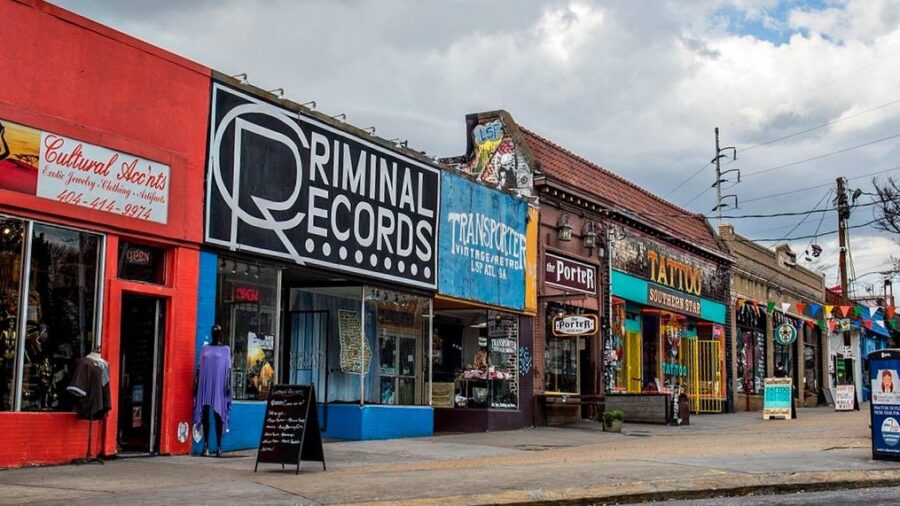
Atlanta stands as the capital of hip-hop music in the South, with countless recording studios and record labels calling the city home. The city’s art scene thrives in spots like the High Museum of Art and countless street murals in neighborhoods like Little Five Points.
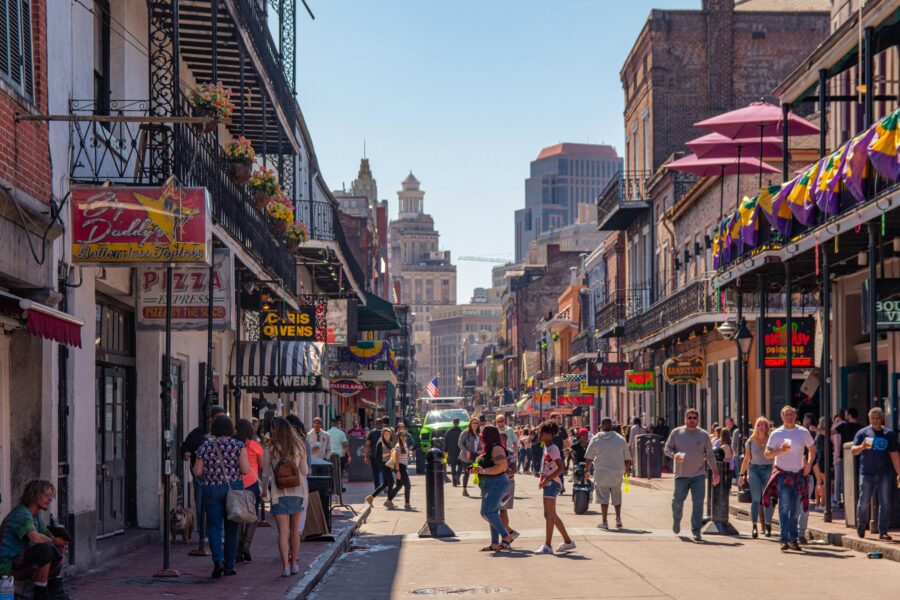
New Orleans beats with the rhythm of jazz, which was born in its streets over a century ago. The French Quarter fills with the sounds of brass bands and street performers daily. Local art galleries on Royal Street display creative works that capture the city’s spirit.
Festivals and Events
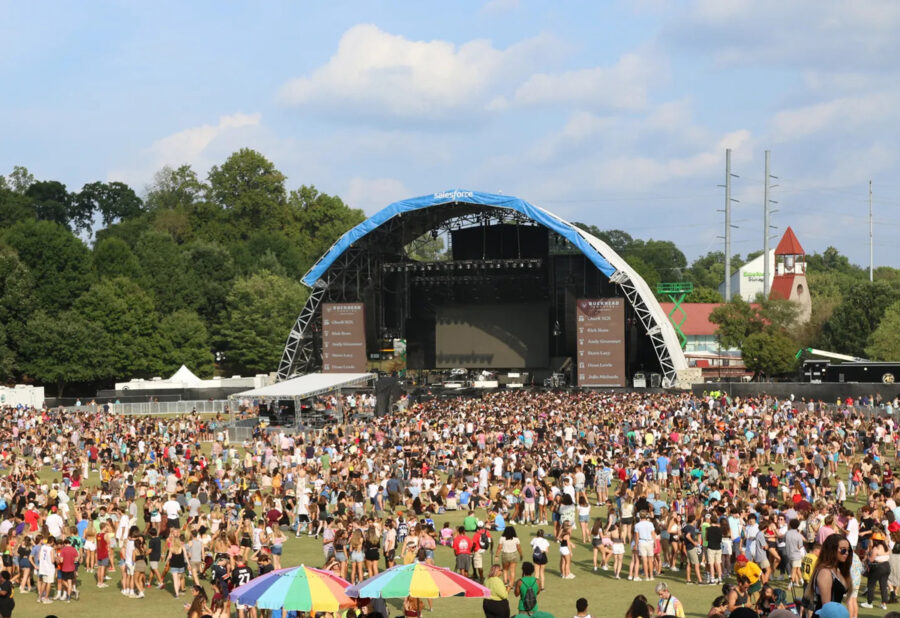
Atlanta hosts major events like Music Midtown and the Atlanta Film Festival. The city comes alive during Atlanta Pride Festival, one of the largest LGBTQ+ celebrations in the Southeast. Dragon Con brings over 80,000 fans of pop culture each year.
New Orleans throws the world-famous Mardi Gras celebration, filling the streets with parades, costumes, and countless traditions. The city also hosts the Jazz & Heritage Festival, French Quarter Festival, and numerous food festivals that celebrate local cuisine.
The city’s second line parades happen year-round, carrying on a tradition that started with jazz funeral processions. These street celebrations feature brass bands, dancing, and elaborate costumes.
Economy and Industry
Atlanta and New Orleans have distinct economic landscapes shaped by their unique industries and business environments. Atlanta stands out as a major corporate hub while New Orleans thrives on its cultural tourism and port activities.
Key Business Sectors
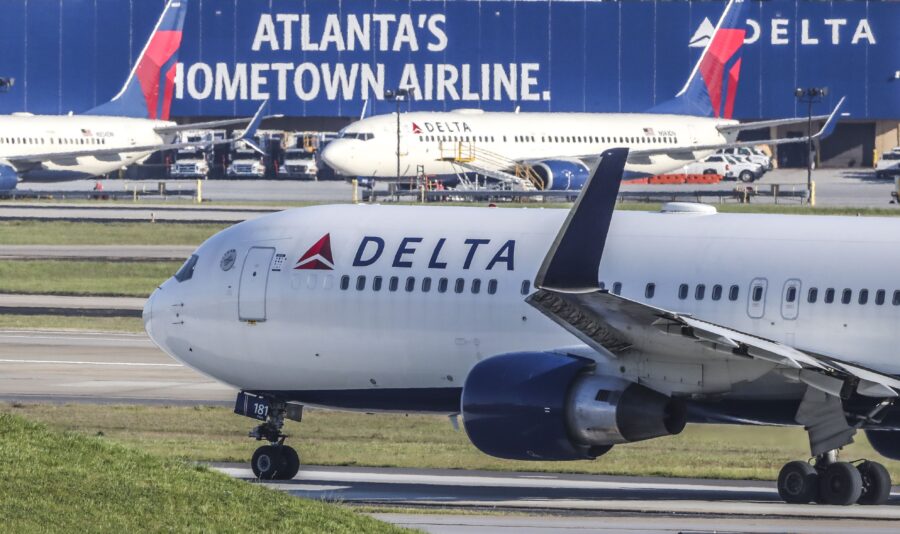
Atlanta’s economy centers around corporate headquarters, with Fortune 500 companies like Coca-Cola and Delta Air Lines calling it home. The city’s business sector employs nearly 25% of workers in management and finance roles, compared to 16% in New Orleans.
Atlanta also leads in tech and innovation. About 10% of Atlanta’s workforce is in engineering and computer science jobs, nearly double New Orleans’ rate of 5.7%.
The income gap between these cities tells a clear story. New Orleans households earn 25% less than Atlanta households on average. The job market in Atlanta is stronger too, with unemployment at 5.3% versus 11% in New Orleans.
Tourism Impact

New Orleans’ tourism sector drives much of its economic activity. The French Quarter, jazz clubs, and Mardi Gras celebrations bring millions of visitors each year. Local restaurants, hotels, and entertainment venues create thousands of jobs.
Atlanta’s tourism focuses on different attractions like the World of Coca-Cola and the Georgia Aquarium. The city hosts major conventions and sports events at venues like Mercedes-Benz Stadium.
Both cities benefit from their airports. Atlanta’s Hartsfield-Jackson is the world’s busiest passenger airport, while New Orleans’ Louis Armstrong International serves as a key gateway to the Gulf Coast region.
Culinary Scene
Both cities serve up distinctly different flavors of Southern cuisine. New Orleans and Atlanta each bring their own unique food traditions, cooking styles, and modern interpretations to the table.
Traditional Cuisine

New Orleans shines with its Creole and Cajun roots. The city’s signature dishes include rich gumbo loaded with seafood, spicy jambalaya, and red beans and rice. Sweet beignets covered in powdered sugar are a must-try breakfast treat. Po’boy sandwiches stuffed with fried seafood or roast beef remain a local favorite.
Atlanta’s traditional food scene centers on classic Southern comfort dishes. You’ll find plenty of crispy fried chicken, smoky barbecue, and buttery cornbread. The city proudly serves up country-style vegetables like collard greens and black-eyed peas. Fresh Georgia peach cobbler stands out as a beloved dessert.
Modern Dining

New Orleans blends old-world cooking with new trends. Top chefs put creative spins on gumbo and étouffée while keeping traditional flavors. The city’s modern restaurants mix French, Spanish, and African influences in exciting ways.
Atlanta’s current food scene spans global flavors and fusion concepts. Korean-Southern barbecue spots and farm-to-table restaurants thrive alongside traditional meat-and-three diners. Food halls like Ponce City Market showcase innovative local chefs and international cuisine.
Many new Atlanta restaurants focus on fresh, local ingredients from nearby farms. The city’s diverse population has brought authentic international dishes while maintaining Southern cooking roots.
Sports and Rivalries
The Atlanta-New Orleans sports rivalry burns brightest on the football field, where the Falcons and Saints have battled since 1967. Their matchups feature intense competition, passionate fans, and memorable moments that define both cities’ sporting identities.
Professional Teams

The New Orleans Saints and Atlanta Falcons form one of the NFL’s most heated but underappreciated rivalries. Both teams joined the NFL in the late 1960s as the first franchises in the Deep South, with Atlanta arriving in 1966 and New Orleans following in 1967.
The teams compete in the NFC South division and face each other twice each season. This geographical proximity – just 430 miles apart – adds extra spice to their contests.
Neither team found much success in their early decades. Both often finished at the bottom of their divisions through the 1970s.
Infamous Matchups

The Saints-Falcons rivalry has produced countless dramatic games. Their matchups frequently come down to last-minute field goals, crucial interceptions, and game-winning touchdowns.
Many games have playoff implications. The teams often play spoiler to each other’s postseason hopes, making late-season contests especially intense.
Some of the most memorable moments include quarterbacks launching deep passes in clutch situations and receivers making spectacular catches. Both defenses typically bring extra intensity when facing their rival.
The teams’ passionate fan bases pack the stadiums for these games. Saints and Falcons supporters travel well to support their teams on the road, creating electric atmospheres at both venues.
Future Outlook
Both Atlanta and New Orleans face exciting changes in their urban landscapes and community programs that will shape their futures. These rival cities show promise in different ways that will impact tourism, culture, and quality of life.
Urban Development

Atlanta’s BeltLine project continues expanding with new segments opening each year. The 22-mile loop of parks and trails will connect 45 neighborhoods by 2030. The city plans to add more affordable housing near transit stations.
New Orleans focuses on strengthening its flood protection systems. The city is building new pumping stations and improving drainage networks. Green infrastructure projects will create more parks that double as water storage during storms.
Both cities are adding bike lanes and pedestrian zones in their downtown areas. Atlanta’s Midtown will see several new mixed-use developments. The French Quarter in New Orleans is getting updated sidewalks and better lighting.
Civic Initiatives
Atlanta launched programs to support small businesses in underserved areas. Local grants help shop owners improve their storefronts and expand services. The city offers free business training workshops.
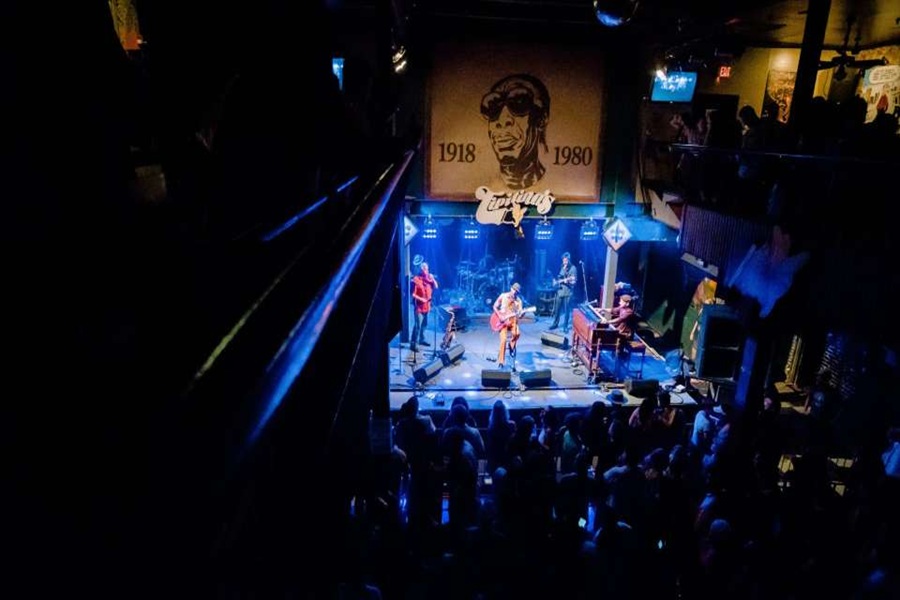
New Orleans created new cultural preservation programs. These protect historic music venues and help local artists keep working in their neighborhoods. The city gives tax breaks to restore old buildings.
Both cities started youth education initiatives. Free coding classes and job training programs give students new skills. Community centers offer after-school activities and mentoring programs.
Frequently Asked Questions
These two Southern cities offer distinct experiences in food, culture, sports, and daily life that shape how visitors explore and enjoy each destination.
What cultural differences should visitors expect between Atlanta and New Orleans?
Atlanta and New Orleans offer unique experiences shaped by their distinct histories and communities. Atlanta embraces a modern, fast-paced Southern vibe with strong ties to civil rights history and corporate culture. The city focuses on newer developments and business districts.
Meanwhile, New Orleans keeps its French and Creole heritage alive through architecture, festivals, and traditions. The city moves at a slower pace, with strong Caribbean and European influences visible in daily life.
Street culture differs too. Atlanta’s neighborhoods spread out across a larger area, while New Orleans concentrates its character in compact, walkable districts like the French Quarter.
What are the key historical rivalries in sports between Atlanta and New Orleans?
The Saints-Falcons rivalry stands as one of the NFL’s most intense matchups. The Falcons once dominated with a 10-game winning streak from 1995 to 1999.
The Saints later answered back with their own 6-game streak against Atlanta from 1986 to 1989. Current games between these teams often sell tickets for around $115.
As for basketball, the Atlanta Hawks and New Orleans Pelicans also have a rivalry, but they play in different conferences. Their matchups happen less often than the football rivalry.
What unique culinary experiences can travelers discover when comparing Atlanta to New Orleans?
New Orleans serves up Creole and Cajun dishes like gumbo, jambalaya, and fresh seafood. Local institutions pride themselves on recipes passed down through generations.
Atlanta’s food scene mixes traditional Southern cooking with modern twists. The city excels in fusion restaurants, food halls, and creative takes on classics like fried chicken.
Both cities embrace barbecue, but each adds its own style. Atlanta focuses on sweet and tangy sauces, while New Orleans adds Creole spices to their smoke.
How do crime rates in Atlanta and New Orleans impact tourist experiences?
Both cities have higher crime rates in certain areas, but tourist zones receive extra police attention. Popular attractions maintain a strong security presence.
Visitors should stick to well-lit main streets at night and use ride-share services instead of walking alone. Tourist areas like Bourbon Street and Downtown Atlanta stay busy and safe.
In terms of music and arts, how do Atlanta and New Orleans contrast with each other?
New Orleans birthed jazz and keeps the tradition alive in venues across the city. Live music fills the streets, especially in the French Quarter and Frenchmen Street.
Atlanta stands as a hip-hop capital, producing many famous artists. The city also supports large performing arts venues and a growing street art scene.
What are the differences in public transportation options for tourists visiting Atlanta and New Orleans?
MARTA trains and buses run throughout major areas in Atlanta. The system connects to the airport and reaches many tourist spots, though some attractions need car access.
In New Orleans, historic streetcars and buses are available. The compact layout of tourist areas makes walking easy, and streetcars provide both transport and sightseeing value.