

Last modified August 17, 2026
Picking between Milos and Corfu? It’s honestly like choosing between two flavors of paradise. Milos grabs you with its wild volcanic cliffs and quiet coves, while Corfu tempts you with rolling green hills, old towns, and a beach scene that never really sleeps. If you’re after a peaceful escape and raw, untamed beauty, Milos is your spot; but if you’re craving culture, nightlife, and easy travel, Corfu probably wins.
You’ll feel the contrast right away. Milos stays mostly untouched, hiding secret beaches and sleepy villages that almost force you to slow down. Corfu, though, crackles with energy—perfect if you love exploring, eating out, or stuffing your bag with travel gear for a day that might not end until sunrise.
Key Takeaways
- Milos brings quiet beauty and that authentic natural charm.
- Corfu mixes culture, nightlife, and easy travel.
- Each island calls to a different kind of traveler.
Overview of Milos and Corfu

Milos and Corfu both wow you with beautiful scenery, but honestly, they’re worlds apart. One basks in the sun-drenched Cyclades, the other flourishes in the lush Ionian Islands. Together, they show off just how much variety you get in Greece—from jagged volcanic cliffs to rolling green hills and ancient olive groves.
Geographic Location and Island Groups
Milos sits in the Cyclades, floating in the Aegean Sea south of Athens. It’s volcanic, so you get wild coastlines and rocks in colors you didn’t know existed. You can hop over by ferry or take a quick flight from Athens. Beaches like Sarakiniko and Firiplaka really stand out with that white stone and unreal blue water.
Corfu, meanwhile, belongs to the Ionian Islands up on Greece’s northwest edge. It’s actually closer to Albania than Athens, so the vibe shifts a bit. The island’s famous for green hills, cypress trees, and those long sandy beaches you see in postcards.
Different seas mean different weather. Milos stays dry and sunny most of the year. Corfu gets more rain, which keeps it green and fragrant. Depending on when you go, you might even score cheaper flights with some flight deals.
Atmosphere and Local Culture
Milos keeps things slow and relaxed. Even as more people discover it, you still find that small-island rhythm. Fishing boats bob in the harbors, locals linger outside tiny tavernas, and time just… stretches.
Corfu is bigger, busier, especially in the thick of summer. The Old Town, with its Venetian buildings and skinny lanes, buzzes with history and life. You’ll taste both Greek and Italian flavors in the food and architecture.
If nightlife and options matter, Corfu’s got you—bars, live music, family resorts, you name it. Milos leans toward couples or solo travelers who want quiet beaches and scenic drives. Both islands welcome you warmly, but they definitely speak to different souls.
Beautiful Beaches and Natural Wonders
Milos and Corfu both spoil you with coastlines, but nature shaped them in wildly different ways. Milos stands out with volcanic cliffs and blinding white rocks, while Corfu’s green hills tumble into turquoise waters framed by olive and cypress trees. The beaches on each island feel totally different—one’s almost lunar, the other soft and lush.
Unique Landscapes and Scenery

Milos sometimes feels like another planet. Its volcanic history carved up the coast—smooth white rocks at Sarakiniko Beach look more like the moon than Greece. Early morning walks there? The cliffs catch the sunrise and glow pink and gold. Unreal.
Corfu’s all about green. Olive trees, wild herbs, and cypress forests spill down to the water. Driving across the island, you pass Venetian villages and unexpected viewpoints that open onto sweeping blue bays. It reminds me a bit of the Amalfi Coast in Italy—just a little less crowded.
If you’re into contrast, Milos brings the drama, while Corfu surrounds you in gentle, layered beauty. Both prove Greece isn’t just one kind of beautiful.
Swimming and Water Activities

Milos gives you some of the clearest water in the Aegean. Beaches around Kleftiko and Tsigrado are made for snorkeling and kayaking through sea caves. You can easily book a boat from Adamas to reach coves you’ll never see from land—this guide to Milos beaches covers the best ones.
Corfu’s Ionian waters stay calm and perfect for swimming or paddleboarding. Families flock to Glyfada or Paleokastritsa, where the water’s shallow and safe. I once rented a kayak in Paleokastritsa and drifted through caves—honestly, it felt like floating on glass.
Hidden Coves and Secluded Spots

Milos hides dozens of tiny coves between its cliffs. Firopotamos and Papafragas are favorites if you love quiet swims and a bit of exploring. Rent an ATV and follow the dusty tracks—you’ll end up at beaches that feel like your own secret.
Corfu’s coastline stretches further, so you get more beaches, but most are busier. Still, peace isn’t impossible. The fishing village of Agios Stefanos or the coves near Kassiopi stay pretty calm. I once followed an unmarked trail there and found a pebbly bay with nobody else around—just cicadas and the sea.
If you’re chasing solitude and raw beauty, Milos delivers. For comfort and that classic Greek ease, Corfu’s coves won’t let you down.
Food and Culinary Experiences
Both Milos and Corfu serve up Greek island flavors, but their food scenes couldn’t be more different. Milos keeps it rustic and homegrown. Corfu, meanwhile, stirs in Venetian and British touches, so every meal feels like a bite of history.
Local Specialties and Signature Dishes

On Milos, food feels honest—straight from the land and sea. Locals hang octopus to dry along the shore, and you’ll smell oregano drifting from tavernas. Dishes like ladenia (tomato and onion flatbread) and karpouzopita (a sweet watermelon pie you won’t find elsewhere) show how Milos cooks with whatever it grows or catches. Meals often feature goat or lamb simmered with lemon and herbs.
If you’re hungry for more, don’t miss sun-dried octopus, fried local cheeses, and feta wrapped in pastry with honey—all celebrated in this Milos food guide. Simple, but packed with flavor.
Corfu, though, surprises you. Greek meets Italian here. The local favorite pastitsada brings slow-cooked meat with tomato and cinnamon, and bourdeto is a spicy fish stew you’ll crave again. Kumquat sweets and liqueur pop up everywhere—a little nod to the Venetian days.
Best Places to Eat and Drink

In Milos, the taverna O! Hamos! near Adamas is legendary. They serve lamb baked in paper and goat with lemon mustard sauce, all from family recipes. If you want seafood, Medusa in Mandrakia is a gem—grilled octopus, endless sea views, and a vibe that makes you linger.
Corfu’s dining scene feels a bit fancier. Along the Liston promenade, cafés serve local pastries and that signature kumquat liqueur. If you’re up for a deeper dive, check out the best foodie experiences in Corfu for cooking classes and tastings that dig into its Venetian-inspired dishes.
Honestly, both islands reward curiosity. Duck into a random taverna, ask what’s fresh, and you’ll probably have your best meal yet.
Things to Do and Outdoor Adventures
Milos and Corfu both invite you to mix lazy beach days with a bit of adventure. Hike volcanic cliffs, wander olive groves, or hunt for ancient ruins that whisper stories older than most cities you know. Milos feels wild and raw; Corfu feels lush and lively.
Hiking Trails and Nature Walks
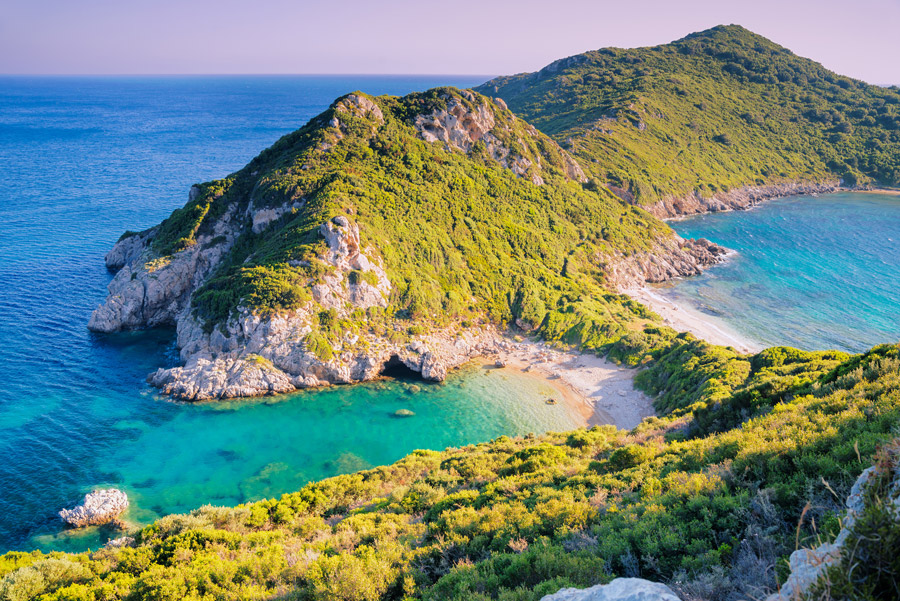
Love hiking? Milos might surprise you. Trails crisscross the volcanic landscape, leading to sea caves and chalky white cliffs. The path to Kleftiko is a favorite—you reach it by boat or a rugged coastal hike. The payoff? Turquoise water and rock formations that look straight out of a dream.
Corfu, though, is all about green mountains. The Corfu Trail runs about 220 kilometers across the island, winding through olive groves, beaches, and sleepy villages. You don’t have to do the whole thing—short sections are just as rewarding. Hikes up Mount Pantokrator give you sweeping views of the Ionian Sea and even Albania on a clear day.
If you’d rather join a guided walk or adventure, you can book easily through GetYourGuide or Viator.
Cultural and Historical Sites
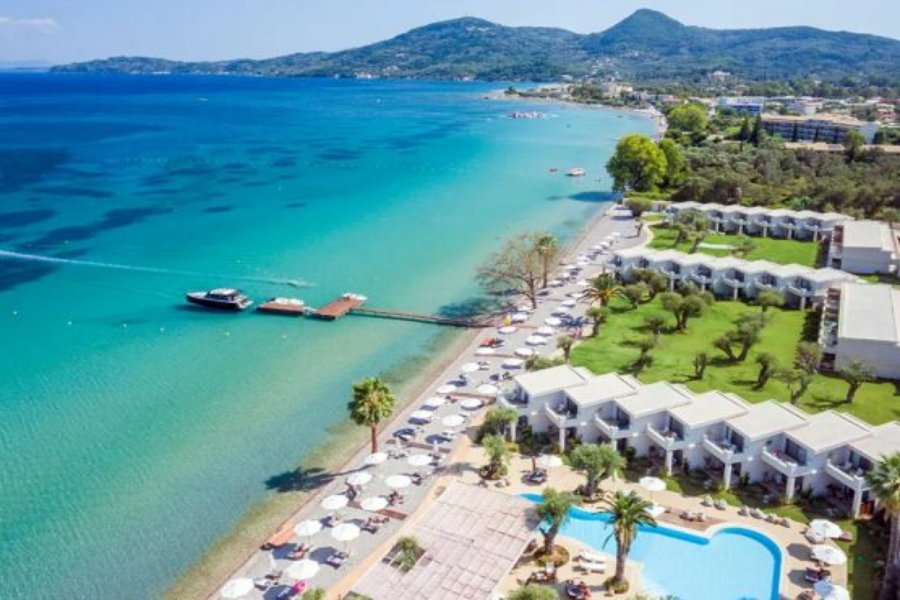
Both islands overflow with history, but they tell it in different ways. Milos keeps it low-key—its ancient Roman theatre near Trypiti overlooks the sea, and the catacombs of Milos are among the oldest in Greece. The fishing village of Klima, with its bright boathouses, feels almost too perfect.
Corfu’s culture is a patchwork of Venetian, French, and British touches. The Old Town of Corfu, a UNESCO site, is all cobblestone alleys, pastel buildings, and cafés tucked into corners. You can wander through Achilleion Palace, built for Empress Elisabeth of Austria, or climb the Old and New Fortresses that once guarded the island.
If you’ve been to places like Santorini, Corfu feels more grounded—less polished, but packed with real life. Duck into a market, let the church bells ring in your ears, and you’ll see why so many travelers get hooked.
Accessibility and Getting Around
Milos and Corfu both offer solid transport links, but the experience on the ground couldn’t be more different. Milos is small and rugged, so you’ll want to rent a car or ATV to reach those secret beaches. Corfu is larger and greener, with better roads and public transport, making it easier to hop between villages and beaches. How you get around really shapes your trip—on Milos, you’ll feel the wildness; in Corfu, you’ll notice the convenience.
Flights and Ferries

You can get to both islands by plane or ferry, but the routes aren’t quite the same. Milos has a tiny domestic airport with flights from Athens, while Corfu’s international airport connects straight to loads of European cities. I usually check Skyscanner or KAYAK to compare schedules and prices—makes life easier.
Ferries reach Milos from other Cycladic islands like Santorini, Sifnos, and Naxos. The trip from Athens’ Piraeus port takes about 3–5 hours if you grab a high-speed one. Corfu sits way up northwest, and you’ll catch a ferry from Igoumenitsa or even Italy.
Planning to hop islands? Milos slots right into a Cyclades route, while Corfu pairs better with Paxos or mainland gems like Meteora. I’ve done both, honestly. Milos felt more adventurous—those smaller boats and wilder seas give you a real rush.
Transportation on the Islands

In Milos, you’ll pick between rental cars, ATVs, or boats for getting around. The roads get rough, especially near out-of-the-way beaches like Thiorichia or Kleftiko. A small 4WD saves you some grief if you want to find the remote spots. I always compare car options on Booking.com before I go.
Corfu’s roads are wider, and there’s a lot more traffic. Local buses connect the main towns, but if you want to wander mountain villages or find hidden coves, you’ll want your own wheels. I once rented a tiny hatchback there—it barely squeezed through Old Corfu Town’s lanes, but the views made it worth the stress.
Don’t want to drive? Taxis and private transfers are everywhere. Corfu, being bigger, usually has better accessibility for travelers with mobility needs than hilly Milos. Ferries on both islands can help out if you let them know 48 hours in advance—Ferryhopper spells this out.
Comparing Island Atmospheres and Ideal Travelers
Milos and Corfu both nail that postcard-perfect Greek island vibe, but the feel is totally different. One is raw and intimate, the other buzzes with history and energy. Your trip will be shaped by what you’re after—and how fast you want to go.
Best for Couples and Romantic Getaways

Looking for quiet coves and candlelit dinners? Milos is your spot. Its volcanic coastline hides away beaches like Sarakiniko and Kleftiko, where you can swim through sea caves and feel like you’ve found your own little world. I’ll never forget scootering around with just a picnic and a ridiculous amount of sunshine.
Corfu, meanwhile, mixes romance with a bit more life. Venetian-style old town, olive groves, and seaside tavernas set the mood if you like your evenings lively. You’ll stumble on charming boutique hotels and perfect sunset cocktail spots above the Ionian Sea. According to Budget Your Trip, Corfu is often more affordable, so you can splurge a little on a better room or a private dinner.
Family-Friendly Options

Most families end up loving Corfu because there’s more space, greenery, and things to do. The island’s big enough for sandy beaches, aquaparks, and kid-friendly resorts. I’ve watched parents actually relax here while kids paddle or go snorkeling near Paleokastritsa. Corfu’s old fortresses and museums add a little variety for older kids too.
Milos fits families who’d rather explore than lounge. It’s quieter, smaller, and doesn’t have many big hotels, but there are plenty of cozy guesthouses. Rent a car or boat and you can hop between beaches and little fishing villages like Pollonia and Plaka. If your kids crave adventure and you don’t mind driving, Milos is a fun, low-key swap for the busier Ionian islands.
Solo and Group Travel Considerations
Solo travelers seem to love Milos for its relaxed pace and super friendly locals. It’s safe, chill, and small enough that you’ll recognize faces at the same café or beach after a couple days. The slower rhythm makes it easy to unwind and maybe even get inspired.
Corfu works better for groups or social folks. Nightlife, beach clubs, and easy day trips—like to nearby Symi or even Albania—make it a solid base for adventures with friends. You can join cooking classes, sailing tours, or hiking groups in the hills. And if you want a mix of company and quiet, Corfu’s big enough to offer both.
Frequently Asked Questions
Milos and Corfu each march to their own beat, shaped by geography, culture, and the travelers who keep coming back. One draws you in with wild volcanic landscapes and peaceful coves, while the other charms with green hills, Venetian echoes, and a laid-back coastal life.
What distinguishes Milos from Corfu in terms of natural beauty and landscapes?
Milos feels wilder right from the start. Its volcanic roots carved out some surreal coastline—white cliffs at Sarakiniko, caves at Kleftiko, and beaches that seem to change color with the sun. The first time I saw those lunar rocks, I honestly wondered if I’d landed on another planet.u003cbru003eu003cbru003eCorfu, on the flip side, is all green hills, olive groves, and cypress trees. The scenery honestly reminds me more of the u003ca href=u0022https://www.realjourneytravels.com/tuscany-vs-sicily-italian-paradise/u0022u003eItalian countrysideu003c/au003e than the Cyclades. No surprise people call Corfu a lush escape in the Ionian Sea.
What unique cultural experiences can travelers expect when visiting Milos compared to Corfu?
Milos has a quieter, more local vibe. You’ll wander through tiny fishing villages like Klima, with those colorful boathouses, and pretty soon the locals start greeting you by name. Festivals here feel like community gatherings, not just tourist shows.u003cbru003eu003cbru003eCorfu’s culture is a real mix—Greek, Venetian, and British influences all over the place. You’ll see it in the buildings and even in the coffee rituals. Walking Corfu Town’s old fortresses and alleys gives you that u003ca href=u0022https://www.realjourneytravels.com/cultural-travel-spots/u0022u003elayered sense of historyu003c/au003e that’s honestly hard to fake.
How do the beaches of Milos contrast with those of Corfu in terms of variety and scenery?
Milos takes the prize for variety. You could spend a week hopping beaches and still miss a few—each one’s got its own look, from Sarakiniko’s chalky white to Firiplaka’s golden sand. Some are only reachable by boat, which just adds to the adventure.u003cbru003eu003cbru003eCorfu’s beaches are easier to reach and a bit more developed. You’ll find long stretches of sand and calm blue water—perfect if you’re after comfort and maybe a beach bar or two. To me, Milos is about exploration, while Corfu is all about relaxing.
What are the differences in historical sites and attractions between Milos and Corfu?
Milos has ancient ruins like the Roman amphitheater near Trypiti and early Christian catacombs. They’re small and usually uncrowded, which I love if you want to wander in peace.u003cbru003eu003cbru003eCorfu’s packed with grand architecture. The Old Fortress, Achilleion Palace, and UNESCO-listed Corfu Town show off centuries of Venetian and British rule. You could lose a couple days just exploring museums and old mansions.
Can you compare the culinary experiences of Milos with those of Corfu?
Milos serves up rustic, seafood-heavy dishes. Grilled octopus, chickpea stew, and local cheeses show up everywhere in family-run tavernas. I still think about the tomato fritters in Pollonia—simple, but so good.u003cbru003eu003cbru003eCorfu’s food has more Italian flavor thanks to its Venetian history. You’ll spot pastitsada (spiced meat pasta) and sofrito on menus all over. Dining here feels a bit more refined, especially in Corfu Town’s old restaurants tucked behind stone arches.
How does the overall travel cost and affordability between Milos and Corfu compare?
So, u003ca href=u0022https://www.budgetyourtrip.com/compare/milos-vs-corfu-256952-2463679u0022 target=u0022_blanku0022 rel=u0022noreferrer noopeneru0022u003eBudget Your Tripu003c/au003e says Corfu usually wins out on price. You’re looking at about €135 per person per day in Corfu, while Milos jumps up to €256. That covers your bed, meals, and getting around.u003cbru003eu003cbru003eHonestly, Milos just doesn’t have that many budget places to crash—especially when summer rolls in and everyone’s scrambling for a room. Corfu, on the other hand, has a much wider mix. You’ll find everything from cheap hostels to fancy resorts, so it’s easier to make your budget work.