

Last modified August 17, 2026
Deciding between Madeira and São Miguel in the Azores? Yeah, it’s tough—both islands are drop-dead gorgeous, full of character, and practically beg you to get outside and explore. If you’re after comfort, steady weather, and trails that are easy to find, Madeira’s probably calling your name. But if you crave raw volcanic landscapes and a wilder, quieter escape, São Miguel wins.
I’ve wandered both, and honestly, the experiences couldn’t be more different. Madeira’s all about those dramatic cliffs, legendary levada walks, and a buzzing capital with food that’ll ruin you for other places. São Miguel? It pulls you in with its crater lakes, bubbling hot springs, and that wonderful, isolated “where even am I?” feeling.
Key Takeaways
- Madeira’s got easier access and polished infrastructure
- São Miguel feels untamed, with volcanic scenery and fewer tourists
- Both are paradise for hikers, foodies, and culture seekers
Quick Comparison: Madeira vs Azores São Miguel
Madeira and São Miguel both float out in the Atlantic, but the vibe? Night and day. One’s polished, lively, and easy to get around. The other’s remote, raw, and just a bit mysterious.
Geography and Location
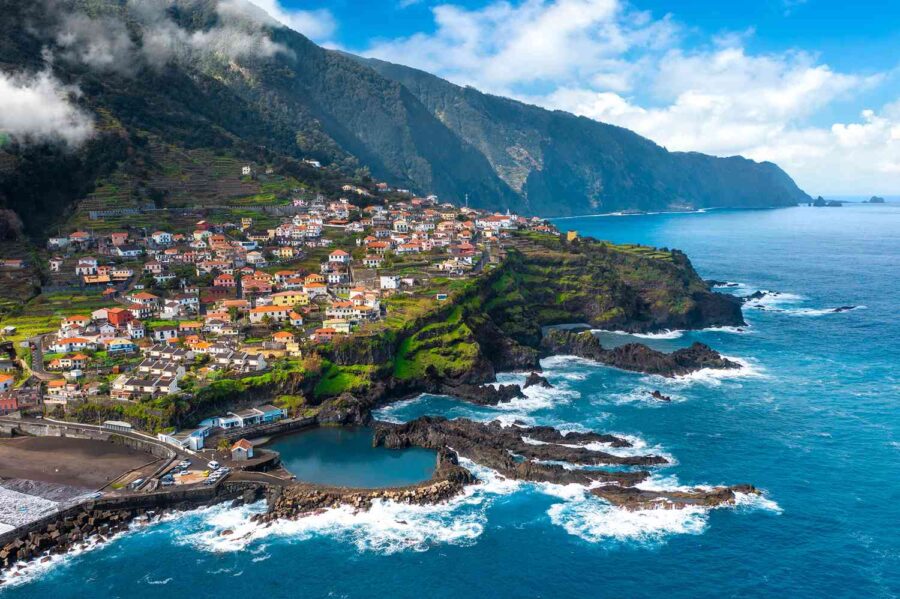
Madeira sits closer to Africa, about 600 miles southwest of Lisbon. It’s a single island, so getting around’s a breeze. I usually base myself in Funchal and can reach just about anywhere in under an hour.
São Miguel, the Azores’ biggest island, hangs out farther north. It’s part of a nine-island chain, but honestly, most folks stick to São Miguel for the best mix of scenery and infrastructure.
If you’re coming from mainland Europe, Madeira’s usually easier. More direct flights, especially from London or Paris. São Miguel? You’ll probably connect through Lisbon, and flights aren’t as frequent. But São Miguel gives you that “edge of the world” feeling, which is kind of addictive.
So, if you want convenience, Madeira’s your friend. Craving adventure and remoteness? São Miguel’s got you.
Vibe and Atmosphere

Madeira feels ready for visitors. Resorts line the coast, cruise ships pull in at Funchal, and tourist services are everywhere. The hiking trails are marked, gardens are perfectly trimmed, and it all runs like clockwork.
São Miguel? Totally different pace. Farmers tend fields, locals hang out in tiny cafés, and the rhythm’s just slower. Even Ponta Delgada feels more like a friendly town than a bustling city.
I’ll never forget driving in São Miguel—foggy roads, cows blocking the way, and not a single rush. That’s rare in Madeira, honestly. If you want comfort, pick Madeira. If you want authenticity and space to breathe, São Miguel’s for you.
Best Time to Visit
Madeira’s climate stays mild all year, which is a lifesaver if you’re plotting a winter escape. December’s actually a highlight—the island’s festive and the weather’s just right. Loads of people say it’s the best time to visit Madeira.
São Miguel’s weather can’t make up its mind. One minute it’s sunny, the next it’s raining sideways. It keeps the island lush and green, but you’ll need a rain jacket even in July.
Want steady weather? Madeira’s your safest bet. But if you’re game for a bit of unpredictability, São Miguel’s wild beauty and volcanic lakes are worth the gamble.
Natural Landscapes and Topography
Both Madeira and São Miguel are volcanic islands, but the way they wear their volcanic roots couldn’t be more different. You’ll spot everything from razor-sharp cliffs to gentle crater lakes, and the variety’s half the fun.
Volcanic Origins and Unique Features
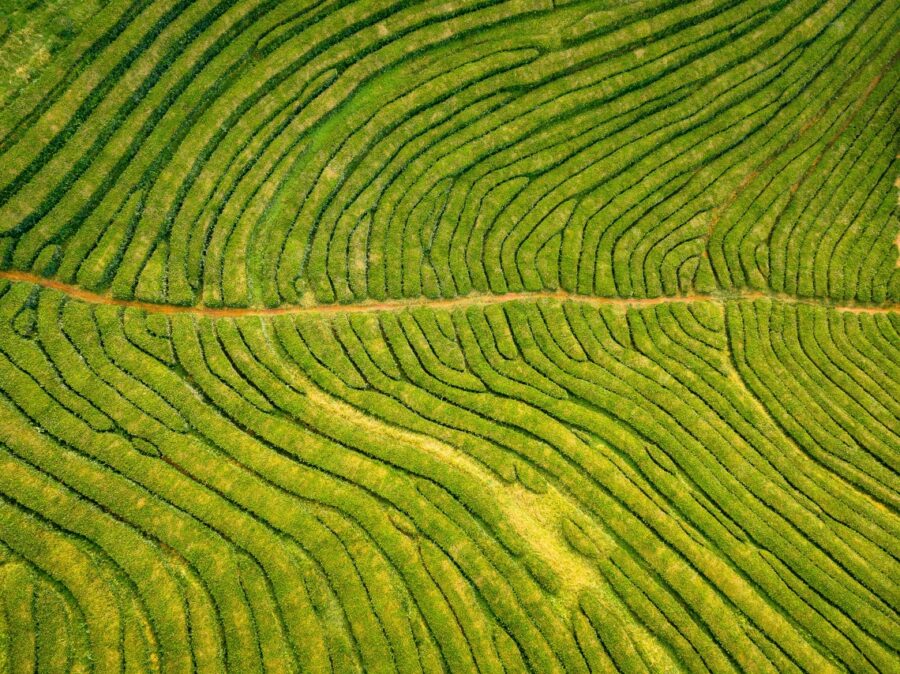
Volcanoes built both islands, but the results? Wow, not the same. Madeira shoots up from the ocean, all steep ridges and deep valleys. Honestly, it feels like one massive mountain rising from the Atlantic.
São Miguel softens things up a bit. Wide volcanic craters cradle lakes, fields, and even cozy little villages. In Furnas, steam and bubbling mud remind you the island’s still alive beneath your feet.
I loved visiting Europe’s only tea plantation in São Miguel—volcanic soil makes for some seriously good tea. Madeira’s more about terraced hillsides and those ancient laurel forests. Both islands show off their volcanic bones, just in totally different ways.
Dramatic Cliffs and Mountain Peaks
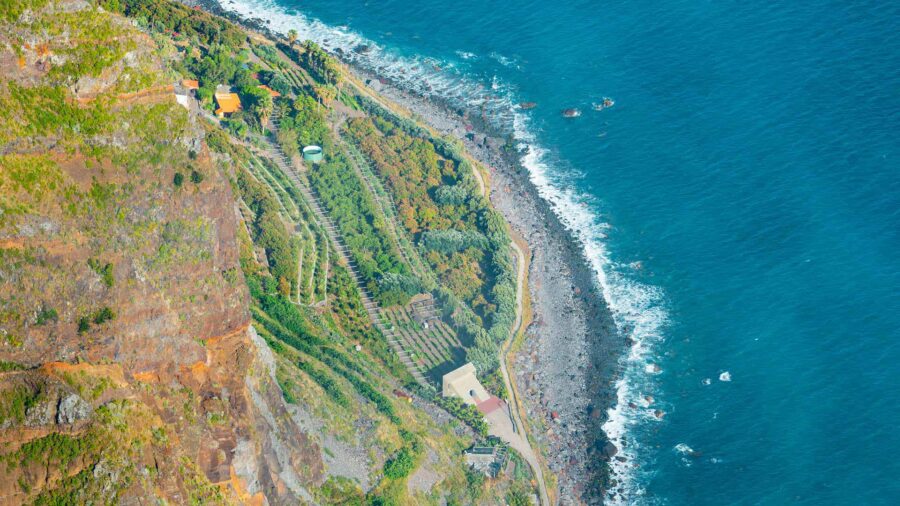
Craving jaw-dropping views? Madeira’s got you covered. The cliffs at Cabo Girão drop straight into the sea, and from up top, villages look like tiny models glued to the coast.
The interior’s even more epic. Hike up Pico Ruivo (1,862 meters!) and you’ll literally stand above the clouds if you’re lucky. The ridges between Pico Ruivo and Pico do Arieiro? Some of the best trails I’ve ever tackled.
São Miguel’s mountains are gentler, more rolling. The beauty’s in the balance: green hills, forested ridges, and cliffs that feel dramatic but not intimidating. It’s perfect for road trips or mellow hikes.
Crater Lakes and Hot Springs
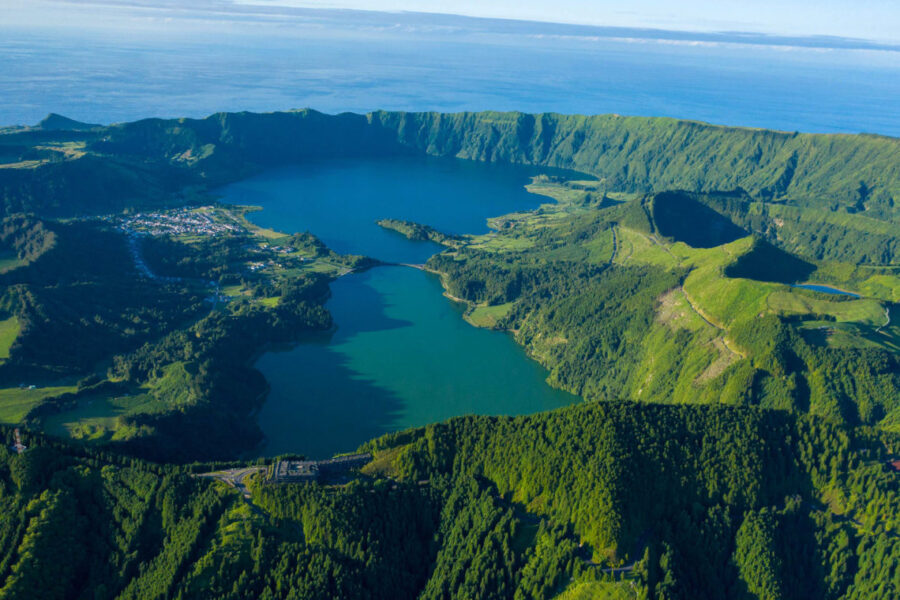
Here’s where São Miguel shines. Its volcanic craters have filled with water, making for some of Portugal’s most photogenic lakes. Lagoa do Fogo is wild and untouched, while Sete Cidades’s twin lakes—one green, one blue—look almost fake from above.
And the hot springs! Furnas bubbles with geothermal magic. You can soak in the iron-rich pools at Poça da Dona Beija or float in Terra Nostra’s massive thermal pool, surrounded by jungle-like gardens.
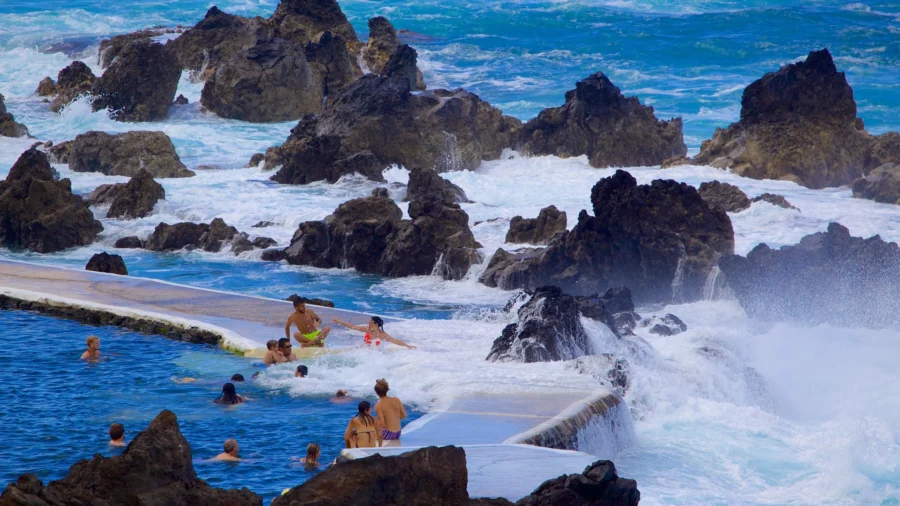
Madeira doesn’t have hot springs—the volcanoes have gone quiet. But you’ll find natural lava pools in Porto Moniz. Not warm, but swimming there with the Atlantic crashing around you? Unforgettable. If you’re after a hot soak, São Miguel wins.
Outdoor Adventures and Hiking
Both islands are playgrounds for hikers and outdoor junkies. Madeira’s all about high-altitude ridge walks and lush levadas, while São Miguel balances gentle lake hikes with steamy hot springs. Whether you’re up for a casual stroll or want to sweat, you’ll find your trail.
Signature Trails and Levada Walks
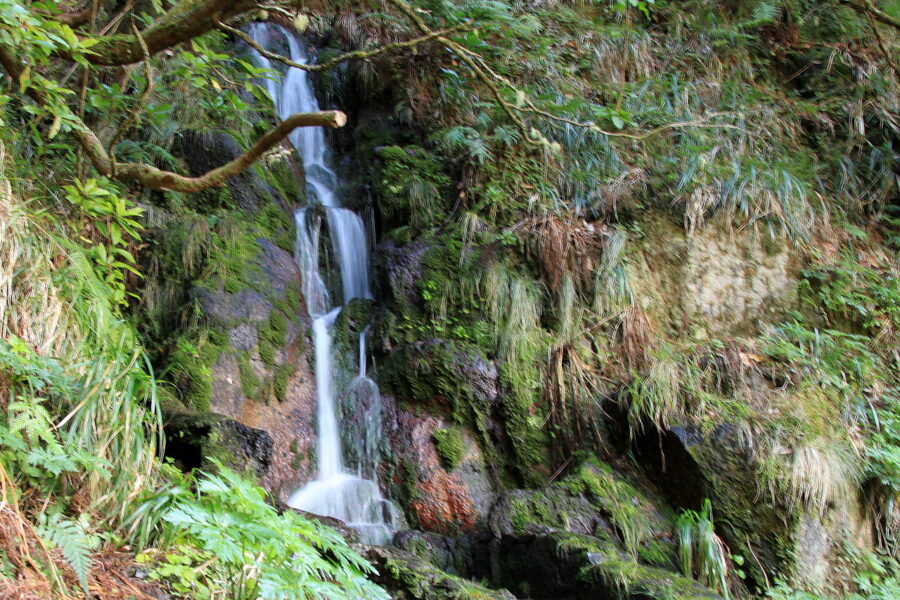
Madeira’s famous for its levada walks too—old irrigation channels turned hiking paths. The Levada das 25 Fontes is a lush, waterfall-filled favorite. These walks are usually easier, so you can mix tough hikes with chill days.
São Miguel’s best hikes wrap around crater lakes. The rim trail at Sete Cidades gives you those iconic blue and green lake views. Lagoa do Fogo’s trail drops you into a volcanic caldera—less intense than Madeira’s peaks, but just as rewarding.
Waterfalls and Natural Pools
São Miguel’s got a softer side, and its waterfalls are pure magic. Trails like Salto do Cabrito lead to secret cascades where you can cool off post-hike. You’ll stumble on hot springs along the way too—something Madeira can’t offer.
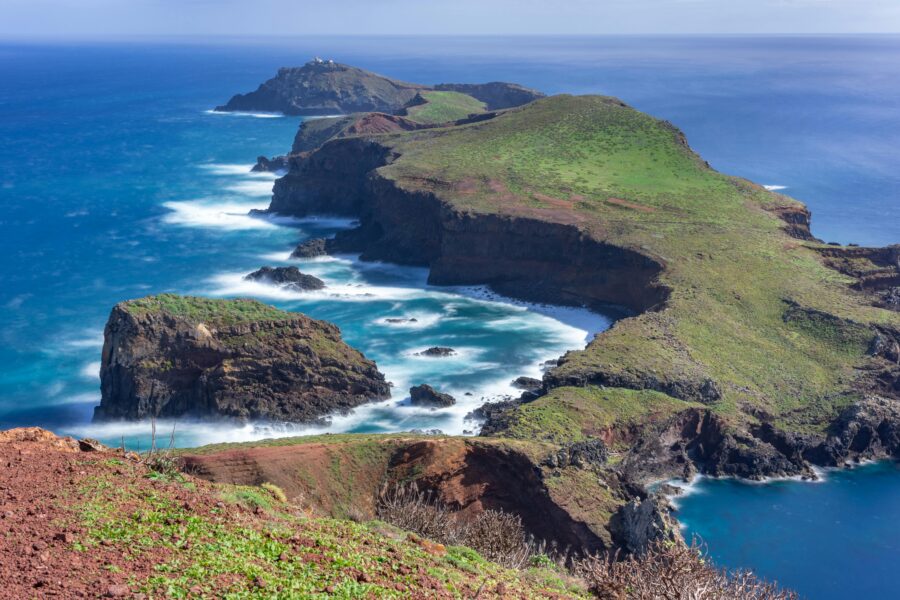
Madeira makes up for it with its volcanic pools. Porto Moniz lets you swim in sheltered lava basins right next to the Atlantic. Hike the Ponta de São Lourenço peninsula and you’ll find cliffs dropping into the sea, with a few spots to dip your toes.
Both islands have water everywhere, but the feeling’s different—São Miguel is all about warm volcanic pools, Madeira’s about braving the ocean.
Adventure Activities
Beyond hiking, both islands keep the adrenaline flowing. In São Miguel, you can kayak across Sete Cidades, try canyoning in volcanic gorges, or join a whale-watching trip with marine biologists. Booking’s easy with GetYourGuide, which sorts out all the details.
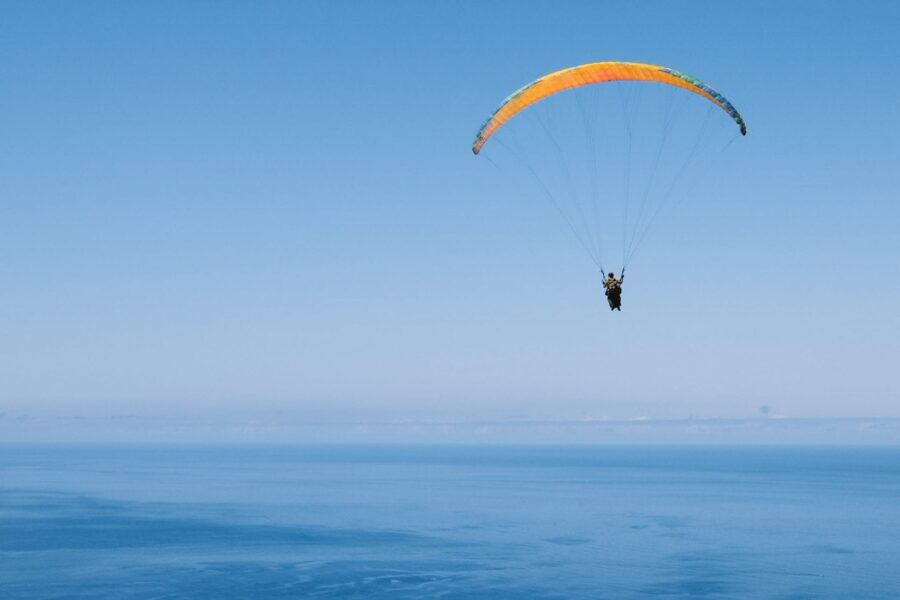
Madeira’s got its own thrills. Paragliding over Funchal, mountain biking steep trails, or canyoning down waterfalls in the Laurisilva forest. And don’t skip the classic wicker basket ride down Monte’s winding streets—it’s touristy, but honestly, it’s a blast.
Guided day tours are everywhere, so you can mix hikes with culture and not sweat the planning. Both islands serve up adventure, just in different flavors.
Cultural Experiences and Local Life
Life on both islands revolves around food, festivals, and the warmth of the people. You really feel it when you’re lingering over a meal, joining a celebration, or just chatting in a local café.
Traditional Cuisine
Food’s the heart of these islands. In São Miguel, you’ve got to try cozido das Furnas—a stew slow-cooked underground by volcanic steam. It’s hearty, a little heavy, and perfect after a day exploring.
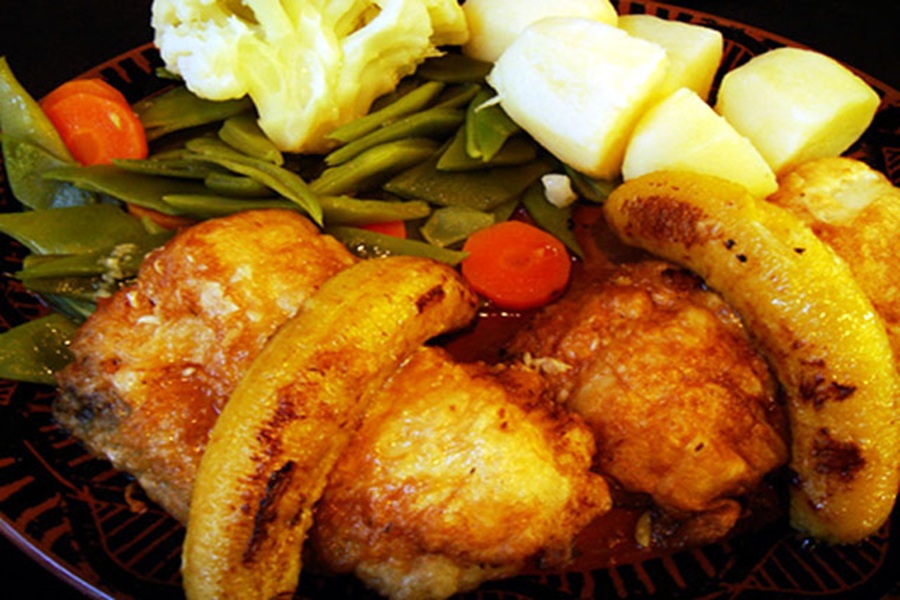
Madeira goes big on seafood. Espada com banana (black scabbardfish with banana) sounds odd but totally works—sweet and savory in one bite. You’ll see espetada everywhere too: beef skewers grilled over wood, served hanging from a metal stand. It’s messy, but who cares?
Cheese lovers, don’t skip São Miguel’s dairy. Volcanic soil and mild weather make for rich pastures, and you can taste it in the local cheese. A chunk of that with fresh bread and a glass of Pico wine? That’s the good life.
Festivals and Events

Festivals here aren’t just for visitors—they’re stitched right into everyday life. On São Miguel, the Holy Ghost Festivals pull entire villages together for processions, music, and massive shared meals. Families cook in big outdoor kitchens, and honestly, strangers often get invited to join in.
Madeira’s events just feel bigger, a bit more polished. The Madeira Flower Festival in spring transforms Funchal with elaborate floral carpets. If you’re around for Carnival, brace yourself for parades with costumes that could rival anywhere in Europe. And then there’s the Wine Festival—the island’s famous fortified wine gets celebrated with tastings, dancing, and street performances that seem to spill out everywhere.
I once wandered into a tiny parish festival in Madeira and somehow ended up dancing with locals I’d just met. That’s the thing: whether it’s a grand parade or a village party, you don’t just watch—you join in.
Local Hospitality
The people on both islands honestly make the trip. On São Miguel, life moves at a slower pace, and locals are quick to strike up a chat. If you rent a guesthouse, don’t be surprised when the owner pops by with fresh fruit or a bottle of homemade liqueur.
Madeira feels a bit more international, especially in Funchal, where you’ll bump into digital nomads and expats. Still, that old-school hospitality sticks around. I’ve had taxi drivers recommend their favorite family-run restaurants and even call ahead to snag me a table.
There’s a different rhythm between the two. In São Miguel, it almost feels like you’ve stepped back in time—neighbors know each other, and doors sometimes stay unlocked. Madeira’s more modern, sure, but the warmth is still real. Either way, you won’t feel like a stranger for long.
Must-See Highlights and Attractions
Madeira and São Miguel both pack in wild natural beauty and cultural gems. You’ll get lively city life, volcanic lakes, and geothermal landscapes that you just won’t find anywhere else in Europe.
Funchal: Madeira’s Vibrant Capital
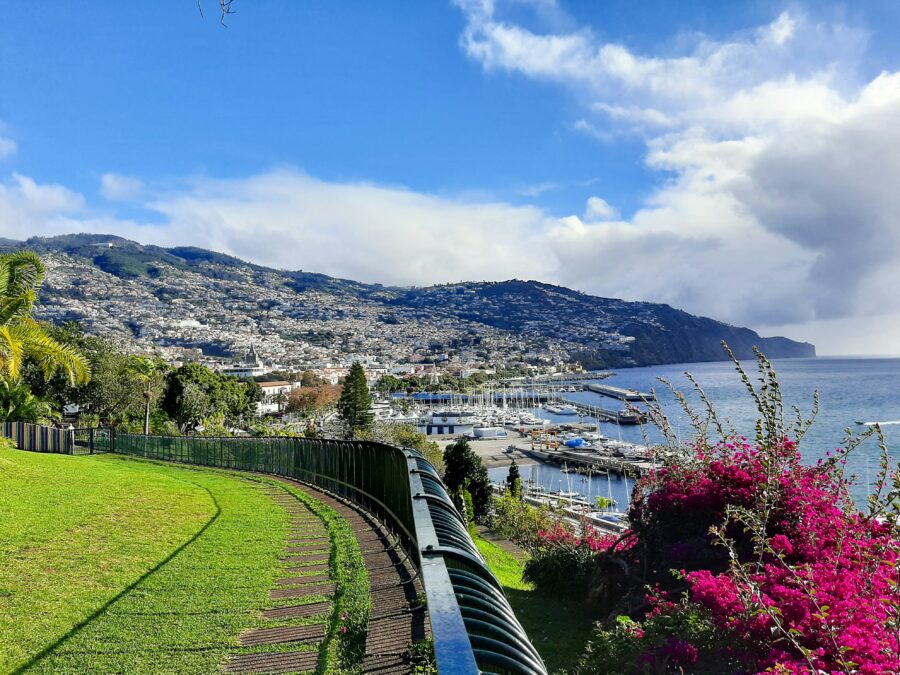
Funchal isn’t just Madeira’s capital—it’s the island’s pulse. You’ll wander narrow cobbled streets, spot painted doors everywhere (a quirky art project that turned the old neighborhood into an open-air gallery), and probably get lost at least once.
The Mercado dos Lavradores market is a total sensory overload. Tropical fruit stands sit right next to fishmongers selling scabbardfish, which is a local must-try. Don’t skip grabbing bolo do caco (garlic flatbread) from a street stall—it’s simple, but dangerously addictive.
One of my favorite memories here? Riding the cable car up to Monte. The bay views are unreal, and coming down in a wicker toboggan (yep, a giant basket sled) is equal parts touristy and hilarious. You’ll stumble into lush gardens like Monte Palace Tropical Garden, where Asian-style landscaping mixes with exotic plants from around the world.
If you’re a wine fan, Funchal is the spot to taste Madeira’s famous fortified wine. Cellars offer quick tours and tastings, and you’ll realize it’s not just a dessert drink—some varieties are dry and perfect as an aperitif.
Sete Cidades and Lagoa do Fogo
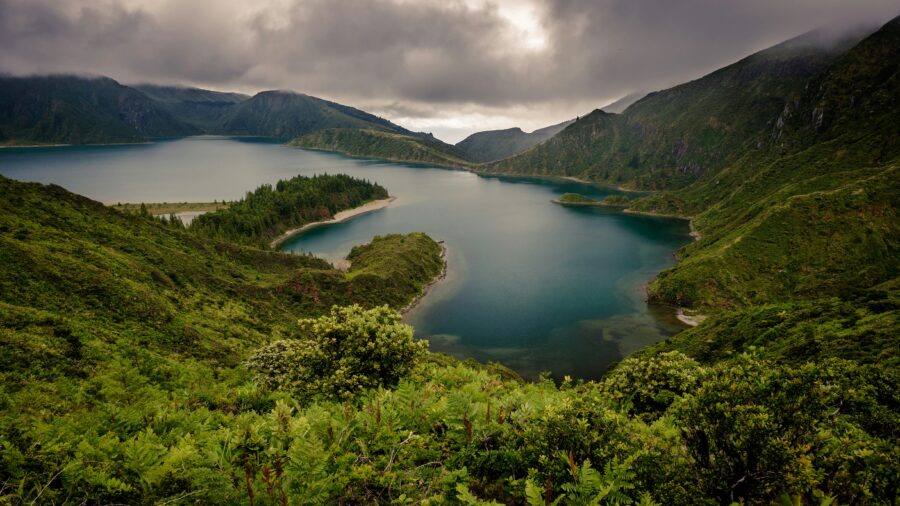
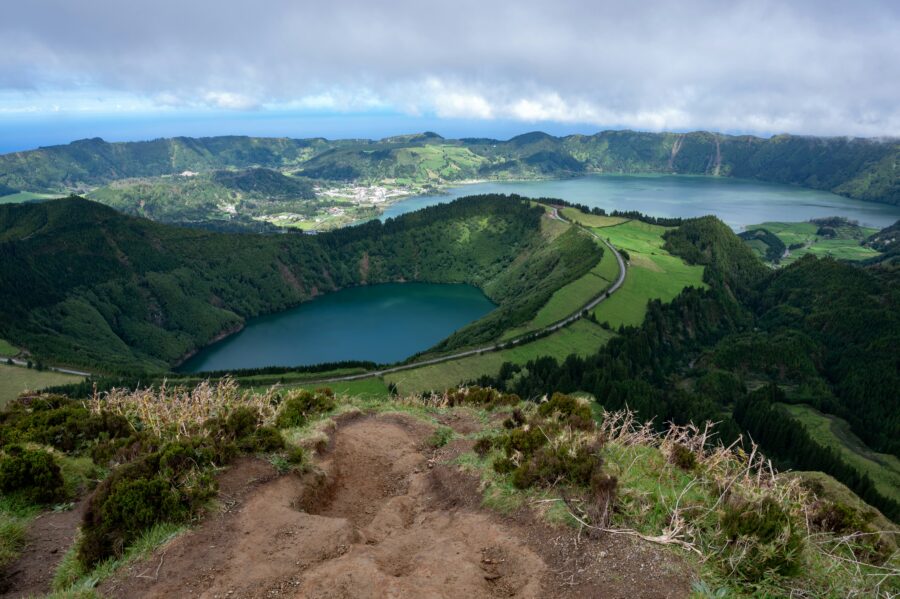
On São Miguel, the volcanic lakes totally steal the show. Sete Cidades, with its twin green and blue lakes, is one of those places you have to see to believe. From the Vista do Rei viewpoint, the crater stretches out below, framed by rolling hills and tiny villages.
If you’ve got a bit of time, hike down into the crater. It’s not a tough walk, and being by the water’s edge just hits differently. Kayaking on the lake is also a solid option if you want to get out on the water.
Lagoa do Fogo—“Lake of Fire”—feels wilder, less touched. The hike down is steep, but the payoff is real. I remember sitting there with just a handful of other hikers, the water so still it looked like glass. Bring a picnic, honestly—it’s one of the most peaceful spots you’ll find anywhere.
Furnas: Geothermal Wonders
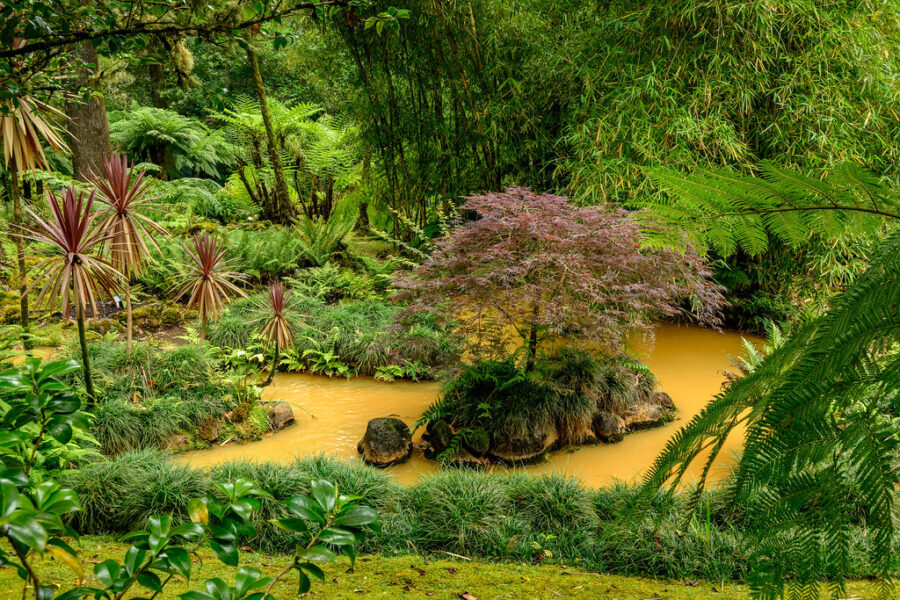
Furnas is where São Miguel really shows its volcanic side. The village sits in a steaming valley full of hot springs, geysers, and bubbling mud pools. You’ll catch the sulfur smell before you see the steam, but don’t let that scare you off.
Trying cozido das Furnas is a must. Restaurants lower pots of stew into the earth in the morning, and by lunchtime, you get this hearty meal cooked by volcanic heat. It’s rustic, sure, but you won’t forget it.
The Terra Nostra Garden is another highlight. You can wander through exotic plants and then sink into the massive geothermal pool, its mineral-rich water a warm rusty orange. The first time I went in, I worried the color would stain my swimsuit—but it didn’t, and the soak was absolute bliss.
If wellness is your thing, you’ll find smaller thermal baths scattered around Furnas. Some are tucked into the forest, others right in town. It’s the sort of place where you slow down, soak, and let the island work its magic.
Travel Logistics and Practical Tips
Madeira and São Miguel both deliver jaw-dropping scenery, but the logistics can shape your trip just as much as the views. Think about how you’ll get there, what to pack for unpredictable weather, and how far your budget will stretch.
Getting There and Around
Madeira is pretty easy to reach from mainland Europe, with frequent direct flights from Lisbon, Porto, and some other big European cities. The airport in Funchal is modern and well-connected, so getting in isn’t a hassle. São Miguel, the Azores’ biggest island, has direct flights from Lisbon and Porto, but the schedule can be a bit more limited.
If you’re coming from North America, the Azores might actually be closer than you think. Ponta Delgada has seasonal flights from Boston and Toronto, which makes São Miguel a surprisingly handy stopover for transatlantic trips. Madeira usually means connecting through mainland Portugal.
Once you land, getting around is a different story. Madeira’s got a decent bus system, but renting a car lets you explore mountain roads and far-flung villages at your own pace. São Miguel is even more car-dependent. Public buses exist, but they’re slow and not super frequent. If you want to see Sete Cidades or Lagoa do Fogo without stress, plan on renting a car. I usually use KAYAK to compare flight and car hire options in one go.
Weather and Packing Essentials
Madeira enjoys a subtropical climate, so you get mild weather pretty much all year. Summers are warm (not crazy hot), and winters rarely get chilly. You can usually pack light clothing, a sweater for evenings, and solid shoes for hiking the levada trails.
São Miguel is a bit more unpredictable. Locals joke about “four seasons in a day,” and honestly, they’re not wrong. You might wake up to sunshine, get caught in an afternoon downpour, and end the day with mist rolling in. Bring a waterproof jacket, sturdy shoes, and layers you can add or shed as needed.
You’ll want swimwear for both islands. Madeira has those natural pools at Porto Moniz, while São Miguel’s hot springs in Furnas are a must. A small backpack, reusable water bottle, and a compact umbrella are smart to have on hand. If you want to avoid last-minute shopping, browsing travel gear before your trip can save you some hassle.
Budget and Accommodation
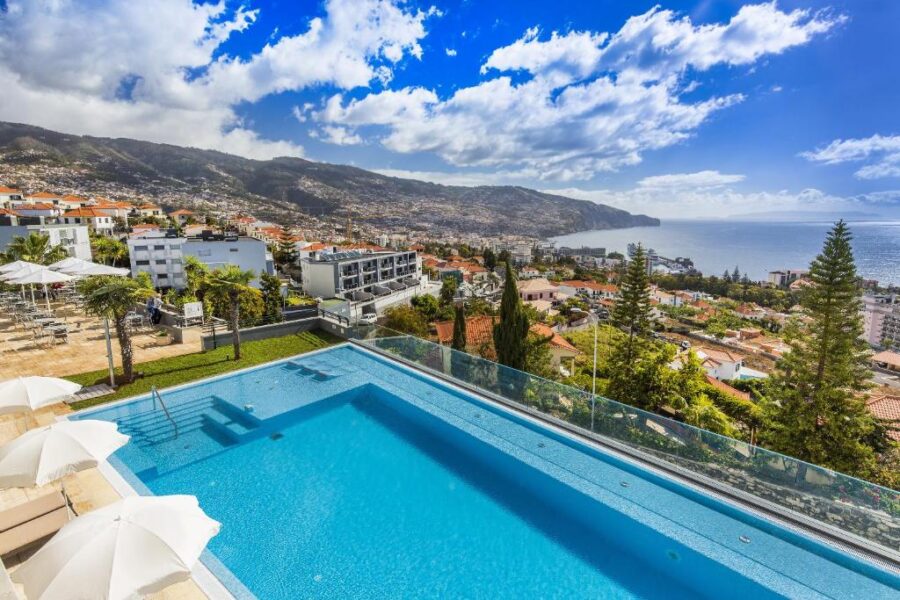
Madeira is usually a bit more budget-friendly when it comes to hotels and eating out. In Funchal, you’ll find everything from cozy guesthouses to swanky resorts, and meals at local spots don’t cost a fortune. Hiking is free, and most tours aren’t too pricey.
São Miguel can get a little pricier, especially in peak summer. There are fewer places to stay outside Ponta Delgada, and if you’re tempted to hop between islands in the Azores, those flights can add up. Still, rural cottages and guesthouses offer decent value if you book ahead.
For both islands, booking early is smart, especially in summer. Platforms like Booking.com make it easy to compare everything from hotels to farm stays. If you’re traveling with a group or family, self-catering options give you flexibility and help cut down on dining costs.
Frequently Asked Questions
Madeira and São Miguel each have their own vibe, whether it’s the weather you’ll get, the hikes you’ll take, or the cultural quirks you’ll stumble into. Travel between the two isn’t as simple as you might hope, and honestly, the feel on each island is pretty different once you’re there.
What are the key differences in climate between Madeira and São Miguel in the Azores?
Madeira usually serves up u003ca href=u0022https://www.realjourneytravels.com/sunny-holiday-destinations/u0022u003emore sunshineu003c/au003e and u003ca href=u0022https://www.realjourneytravels.com/warm-weather-vacations/u0022u003ewarmer daysu003c/au003e. The climate is mild, Mediterranean-ish, and reliably pleasant most of the year.u003cbru003eu003cbru003eSão Miguel is wetter and less predictable. You might get sunshine in the morning, rain by afternoon. All that drizzle keeps the island lush and green, though, which honestly adds to the magic.
Which destination is better for family-friendly activities, Madeira or São Miguel?
Madeira is an easier bet with kids who like variety. In Funchal, you’ve got cable cars, gardens, and those wacky toboggan rides kids always seem to love. Beaches are limited, but Porto Santo nearby has a long sandy stretch that’s perfect for families.u003cbru003eu003cbru003eSão Miguel leans more toward outdoor adventures. If your family’s into hot springs, whale watching, or exploring volcanic lakes, this island’s a winner. Just remember, the weather can sometimes mess with plans if you’ve got little ones.
How do the hiking experiences compare between Madeira and São Miguel?
Madeira’s u003cstrongu003elevada walksu003c/strongu003e are legendary. You follow old irrigation channels through mountains, tunnels, and cliffside paths. Some trails are gentle, others are serious treks with wild views.u003cbru003eu003cbru003eSão Miguel’s trails feel rougher, more untamed. You’ll hike around crater lakes like Sete Cidades, or wander through forests to hidden waterfalls. It’s more about raw nature than manicured paths.
Is there a direct ferry service available between the Azores and Madeira?
Nope, there’s no direct ferry between the two. The distance is just too much for a regular passenger route.u003cbru003eu003cbru003eIf you want to visit both, you’ll need to fly. Most trips mean a stop in Lisbon or Porto, though sometimes there are seasonal connections that make things a bit easier.
How does the cultural experience differ between Madeira and São Miguel?
Madeira feels a bit more polished. In Funchal, you’ll find wine cellars, buzzing nightlife, and plenty of festivals. The island’s been welcoming tourists for ages, so it’s got a more cosmopolitan edge.u003cbru003eu003cbru003eSão Miguel is quieter, more traditional. You’ll see dairy farms, tiny fishing villages, and locals cooking stews underground in volcanic soil. It feels less touched by mass tourism, which is honestly refreshing if you’re after something real.
What is the relative distance and travel time when considering a trip from the Azores to Madeira?
The Azores and Madeira sit about 600 miles apart, right out in the Atlantic. That’s definitely not the kind of distance you just breeze through in an hour—trust me, I wish it were that easy.u003cbru003eu003cbru003eIf you’re thinking about travel options, flying is really the only way to go. When you manage to snag a direct flight (which isn’t always a guarantee), you’ll be in the air for about two hours.u003cbru003eu003cbru003eMost folks end up connecting in Lisbon or Porto, though, and that bumps your total travel time up—think four, maybe five hours, depending on how the schedules line up.