
Last modified August 17, 2026
Trying to pick between Lake Bled and Plitvice Lakes? Yeah, it’s tough. It really depends on the kind of trip you’re after.
Lake Bled is easier on your wallet, super accessible, and you’ll get a nice blend of nature, culture, and activities. Plitvice Lakes costs more, but wow, it’s a natural wonder you’ll remember forever. Both are gorgeous, but trust me, the vibe at each spot couldn’t be more different.
At Bled, you get a fairytale lake with a dramatic castle overhead, boat rides to a tiny island church, and mountains practically begging you to explore. Plitvice? It’s pure, wild nature—16 turquoise lakes, waterfalls everywhere, wooden boardwalks, and endless trails.
If you’re short on time, ask yourself: would you rather sip coffee by a lively lakeside town or wander through a national park that feels like it’s barely touched by people?
Key Takeaways
- Lake Bled is budget-friendly and perfect for all sorts of travelers
- Plitvice Lakes delivers jaw-dropping natural beauty and epic hikes
- Your pick really hinges on whether you want culture and comfort or pure, wild nature
Key Differences Between Lake Bled and Plitvice Lakes
Lake Bled in Slovenia and Plitvice Lakes National Park in Croatia both look incredible, but they’re built for totally different adventures. One’s all about a single, dreamy alpine lake with culture and chill vibes; the other? A massive protected park where hiking and nature steal the show.
Location and Accessibility

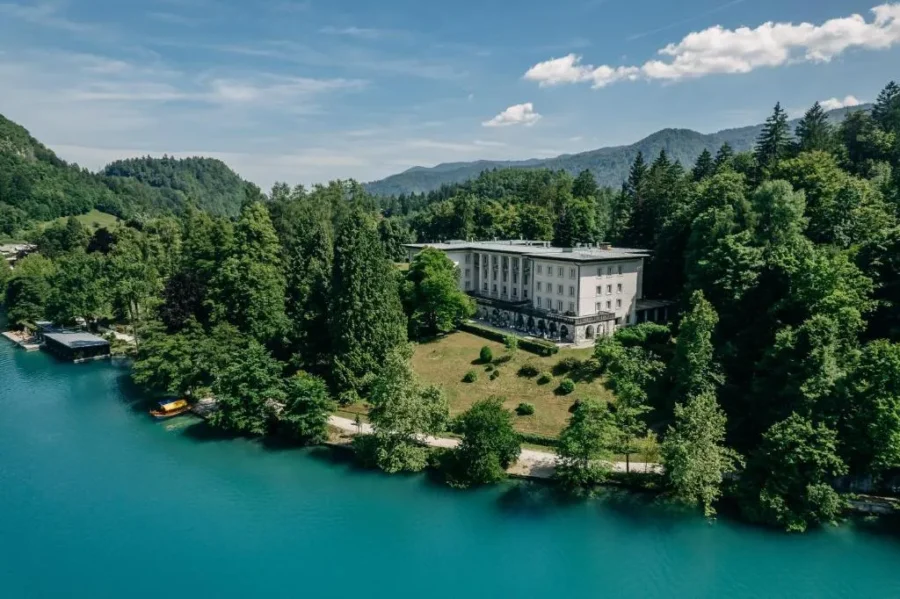
Lake Bled sits right in the Julian Alps, Slovenia—just 35 km from Ljubljana’s airport. That makes it an easy side trip if you’re flying into Slovenia, or even if you’re road-tripping from Austria or Italy. The town is compact, loaded with hotels, restaurants, and regular bus service.
Plitvice Lakes National Park sits deep in central Croatia, about two hours from Zagreb and 2.5 from Zadar. Buses stop at the park, but honestly, most people just rent a car for convenience. There’s no central town—just scattered guesthouses and small lodges.
Planning to hop between countries? Lake Bled and Plitvice are just 3.5 hours apart by car. You can totally fit both into your itinerary, especially if you’re road-tripping or snagging cheap flights into the area.
Type of Experience
Lake Bled is all about relaxation with a side of adventure. Rent a rowboat to the island, hike up to Bled Castle, or just chill at a café with a slice of that famous cream cake. In summer, the town buzzes—think dining, cycling, swimming, and people everywhere.
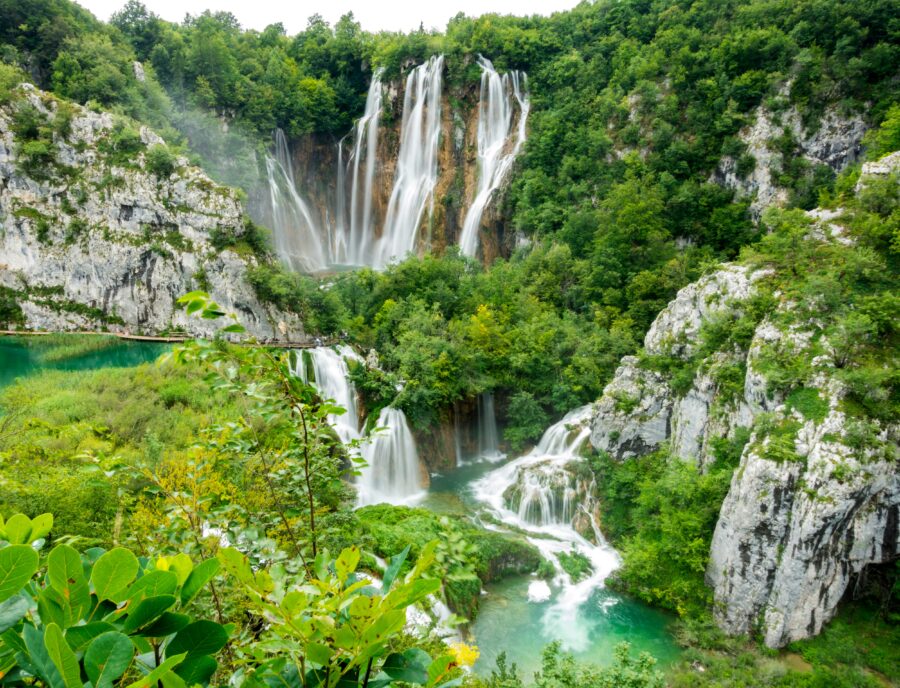
Plitvice Lakes National Park? It’s a different world. It’s a UNESCO World Heritage site, famous for 16 lakes linked by waterfalls and boardwalks. Hiking and trail-walking take center stage. No swimming, no nightlife, and barely any restaurants inside the park.
Bled feels like a lake resort with a dash of culture. Plitvice? A national park adventure, through and through. Craving variety and a lively town? Go to Bled. Want pure nature and hours of waterfall walks? Plitvice wins, hands down.
Time Needed for Visit
You can see the best of Lake Bled in half a day, but most people stay at least one night. That gives you time to stroll the lake, visit the island, and sneak in a hike or bike ride. Got more time? Check out nearby Lake Bohinj—it’s bigger, wilder, and way less crowded.
Plitvice Lakes takes more planning. Sure, some folks do it as a day trip, but honestly, it feels rushed—especially in peak season when the boardwalks get packed. Spend a full day if you can, so you don’t miss the upper and lower lakes. Staying overnight nearby? You’ll get early or late access, when the park is peaceful and the crowds thin out.
Lake Bled is flexible and easy to squeeze into a short trip. Plitvice deserves a day (minimum) of your time—don’t shortchange it.
Natural Beauty and Scenery
Both Lake Bled and Plitvice Lakes are famous for their beauty, but the way you experience them couldn’t be more different. One’s about tranquil waters, mountains, and that iconic church; the other is a wild maze of waterfalls, forests, and wildlife.
Landscape and Surroundings

Lake Bled has that storybook look you’ve probably seen a million times. It’s small, ringed by the Julian Alps, with Bled Castle perched dramatically on a cliff and a tiny island smack in the middle. Honestly, it feels like you’re walking around inside a painting.
Plitvice sprawls out over nearly 300 square kilometers—forests, meadows, karst formations everywhere. You don’t just look at it; you walk through it for hours. Wooden boardwalks wind across turquoise pools, through dense forests, and into hidden corners you’d never spot from the outside.
If you love sitting at a café and soaking up a view, Bled is your jam. If hiking boots and getting lost in nature sound better, Plitvice is where you want to be.
Water Features and Waterfalls
This is where Plitvice takes the crown. The park is famous for its 16 interconnected lakes, all linked by hundreds of waterfalls. Some are gentle, trickling over moss, while others roar down limestone cliffs. The water changes color—turquoise, emerald, even gray—depending on the light and minerals. Every visit feels a little bit different.
Lake Bled doesn’t have waterfalls, but it’s got its own magic. The calm surface reflects the mountains and the church, especially at sunrise when mist hangs over the water. Rent a rowboat, paddle across, and ring the church bell yourself. It’s more about peace and quiet than jaw-dropping spectacle.
If waterfalls blow your mind, Plitvice Lakes National Park is the one. If you’re chasing stillness and that relaxed lakeside vibe, Bled wins.
Wildlife and Nature
Plitvice is alive—bears, wolves, lynx, otters, wild boar, and more bird species than I can count call it home. You probably won’t run into a bear (thank goodness), but just knowing they’re out there makes the whole place feel wild. The forests are thick, and you’ll hear woodpeckers or spot fish darting in those crystal-clear lakes.
Lake Bled is more developed and focused on people. You’ll see ducks, swans, and some fish, but it’s really about the human scene—rowing, swimming, or just strolling the lakeside path.
Top Attractions at Lake Bled
Lake Bled isn’t just the lake—it’s the mix of history, nature, and outdoor fun that makes it special. You get castles, quiet valleys, and a bunch of activities packed into this tiny corner of Slovenia.
Bled Castle and Island

Bled Castle towers high above the lake, and honestly, climbing up for the view is totally worth it. From the terrace, you take in the whole lake, the island, and even the Julian Alps off in the distance. Inside, there’s a small museum, a wine cellar, and even a printing workshop where you can get hands-on with old-school presses.
The island is the real draw, though. You get there by traditional wooden boat—a pletna—or you can row yourself if you’re feeling energetic. On the island, the Church of the Assumption waits, and there’s a bell you can ring for good luck. It’s a bit touristy, sure, but honestly, it’s one of those must-do things.
Go early if you can. The water is calmer, and the light is perfect for photos before everyone else shows up.
Lake Bohinj and Julian Alps

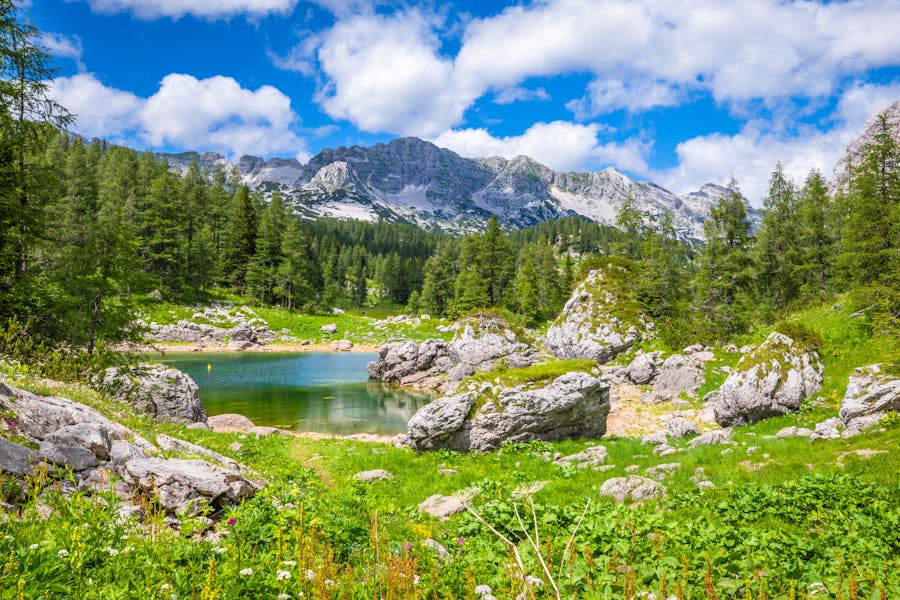
If Bled feels crowded, Lake Bohinj is a breath of fresh air. It’s about 30 minutes away, tucked inside Triglav National Park. Bohinj is bigger, less developed, and feels wilder. Swim, kayak, or just chill on the shore—you’ll mostly hear birds and maybe the odd cowbell.
The Julian Alps rise right behind Bohinj. You can hike straight into them, with trails ranging from easy lakeside walks to serious climbs up toward Mount Triglav, Slovenia’s highest mountain. I once hiked near Savica Waterfall, and honestly, it was one of the most peaceful mornings I’ve had in the mountains.
If you’ve got a car, pair Bled and Bohinj for the best of both worlds—Bled’s charm, Bohinj’s wild side.
Outdoor Activities
Lake Bled is small enough that you can walk the 6-kilometer path around it in about 90 minutes. The walk is flat, easy, and the views change constantly—castle, island, mountains, repeat. Want more? Hike up to Mala Osojnica or Ojstrica for epic views. The climbs are short but steep, and the payoff is huge.
Cycling’s a great option too. Rent a bike in town, ride out to nearby villages, or connect to trails heading into Triglav National Park. In summer, paddleboarding and swimming are popular, though I’ll warn you—the water stays pretty chilly, even in July.
Winter changes everything. Sometimes the lake freezes (not always), but you’ll find skiing and snowshoeing in the Julian Alps. I gave cross-country skiing a try one January, and it was surreal to look down at the frozen lake after a morning on the trails.
Whether you’re into easy walks, challenging hikes, or just dipping your toes in, Bled keeps you busy.
Highlights of Plitvice Lakes National Park
Plitvice Lakes National Park in Croatia is all about turquoise lakes, tumbling waterfalls, and wooden paths that snake through the forest. You get peaceful scenery and plenty of active exploring—it’s one of those rare places where you can slow down and still feel like you’re discovering something new at every turn.
16 Interconnected Lakes

The park’s main draw? That chain of 16 interconnected lakes flowing into each other over natural travertine barriers. The lakes split into two groups: Upper Lakes, which are calmer and wider, and Lower Lakes, which sit in a dramatic limestone canyon.
Each lake has its own personality. Kozjak, the biggest, is where you’ll hop on a short boat ride across the water. Prošćansko, the highest, feels remote and quiet, almost like a secret alpine pond. Even the little guys, like Vir or Burgeti, have their charm with shallow, glassy surfaces.
The colors are wild. Depending on the light and minerals, the lakes shift from green to blue to gray. I remember standing on a boardwalk, watching the water flip from emerald to turquoise in minutes—it honestly felt like a natural light show.
Famous Waterfalls

When most people picture Plitvice, they’re imagining the waterfalls. Veliki Slap—locals call it the “Big Waterfall”—soars up about 78 meters, and trust me, you’ll hear that roar before you see the spray. In summer, the mist feels amazing, but in spring, wow, it’s even wilder with all the snowmelt crashing down.
But honestly? The smaller cascades are what stick in my memory. Dozens tumble over mossy rocks, weaving the lakes together like nature’s own staircases. They’re not always tall, but they’re everywhere, and that constant rush of water follows you through the park.
If you’ve ever slogged up a trail just to find one waterfall at the end—Plitvice is the total opposite. Here, waterfalls pop up around nearly every corner, so you barely have to wait for that next “wow” moment.
Walking Trails and Boardwalks

Exploring Plitvice means wandering along walking trails and wooden boardwalks that zigzag all over the park. You don’t just stand back and stare—you’re right on top of the lakes, sometimes with water gushing just under your feet.
There are several marked routes, from easy two-hour loops to full-day hikes that take in both the Upper and Lower Lakes. The trails are in great shape, so you don’t need to be a hardcore trekker. Still, pack decent shoes; rain can make those planks slippery.
I love how the boardwalks let you get close—so close—to the waterfalls without trampling the place. You’ll pass right next to cascades, cross over streams, and sometimes spot fish gliding in pools so clear it’s almost unreal. It’s the kind of walk where you’ll stop every few minutes for another photo, or just to stare.
Honestly, early morning is the sweet spot. The park feels quieter, birds are singing, and the sound of water is everywhere. It’s like stepping into a different world for a bit.
Visitor Experience and Activities
Lake Bled and Plitvice Lakes both invite you to slow down and actually be in the landscape, not just snap a photo and move on. You’ll find yourself deciding between lazy boat rides, long walks past waterfalls, and maybe even spotting wildlife that still roams the forests.
Boat Ride and Lake Cruises

At Lake Bled, the classic move is hopping on a pletna boat—those traditional wooden boats rowed by a standing oarsman. They’ll take you out to the tiny island with its church. If you want more independence, you can rent a rowboat and paddle yourself, which honestly feels pretty peaceful.
Plitvice Lakes doesn’t offer rowboats, but you can ride electric boats across Kozjak, the park’s largest lake. They’re not exactly romantic, but they’re super practical and give you a different view of the lakes. The boats connect trailheads, so you’re sightseeing and getting around at the same time.
If you like to plan ahead, booking activities in advance can help, especially in summer when crowds get wild. I’ve always found early mornings the best—so much calmer before the buses roll in.
Hiking and Walking Routes

Plitvice is a hiker’s dream. The park has well-marked routes, from quick 2-hour strolls to all-day adventures that cover both the Upper and Lower Lakes. Those wooden boardwalks take you right over turquoise water and past roaring cascades. You don’t need to be a pro hiker; most trails are gentle enough for everyone.
Lake Bled isn’t really about hiking, but the walk around the lake is a gem—about 6 kilometers, flat, and dotted with benches and viewpoints. If you’re craving a bit of a climb, head up to Mala Osojnica for that perfect lake-and-island photo.
If you’re into guided experiences, you can book day tours that pair Bled with spots like Vintgar Gorge or Postojna Cave. Plitvice tours often include transport from Zagreb or Split, which is super handy if you’d rather skip car rentals.
Wildlife Encounters

Plitvice sits inside a massive protected area, so the wildlife feels, well, wild. Brown bears, wolves, and lynx live in those forests, though honestly, you probably won’t cross paths with them on the main trails. What you will see are fish darting in the clear water, ducks paddling by, and tons of birds. If you’re lucky, you might spot a kingfisher zipping across a lake.
Lake Bled, being a resort town, has friendlier wildlife. Swans, ducks, and fish are everywhere. It’s charming, but you don’t get that raw, wild vibe like you do in Plitvice.
One thing I noticed: at Plitvice, even stepping off the main path a little, the forest feels untouched and quiet. Bled’s shoreline is more lively, with cafes and shops right by the water. Both places are beautiful, but the feel is totally different.
Planning Your Trip: Practical Tips
Traveling between Lake Bled in Slovenia and Plitvice Lakes in Croatia takes a bit of planning if you want to make the most of your time. Weather, transport, and nearby towns all play a part in shaping your adventure.
Best Time to Visit

Lake Bled buzzes in summer—swimmers in the lake, rowboats gliding everywhere. If crowds aren’t your thing, spring and early autumn are much calmer, and the weather’s still great for biking or hiking. Winter brings snow, turning the castle and lake into something out of a fairy tale, though some activities wind down.
Plitvice Lakes gets busiest in July and August. Boardwalks fill up, and tickets can sell out fast. For quieter trails, aim for May, June, or September. Waterfalls thunder the loudest in spring with all that snowmelt. In winter, some of the park closes, but the frozen waterfalls are unreal—totally worth seeing if you’re around.
I always tell people to bring layers. Even in summer, Plitvice mornings can be chilly. Toss in a lightweight rain jacket and comfy shoes. If you need to gear up, browsing travel gear before your trip can save you some headaches.
Getting There and Transportation

Flying into Ljubljana puts Lake Bled within easy reach. It’s just a 40-minute drive from the airport, and buses run regularly if you’d rather skip renting a car. Zagreb is the closest big airport to Plitvice, about two hours away by car.
For flights and car rentals, KAYAK has always helped me piece together multi-city trips, especially for bouncing between Slovenia and Croatia.
Nearby Towns and Day Trips
If you’re staying in Bled, Ljubljana is an easy day trip—just 45 minutes away, with a super walkable old town. Lake Bohinj is another great side trip; it’s wilder and less touristy than Bled.
Near Plitvice, check out the little village of Rastoke. Waterfalls run right through the old mill houses—almost like a mini Plitvice. Staying overnight near the park is a smart move if you want to beat the crowds in the morning.
For booking stays, I usually browse hotels and rentals. You’ll find guesthouses near Plitvice and lakeside hotels in Bled, so it’s easy to match your budget and vibe.
If you’re heading south from Plitvice, Split makes a perfect next stop. It’s about three hours away and gives you a taste of the Dalmatian coast after all those lakes. That way, you can squeeze mountains, lakes, and sea into one trip.
Frequently Asked Questions
Lake Bled and Plitvice Lakes pull travelers in for totally different reasons. Bled is a storybook lake with a castle and island church; Plitvice is a wild network of waterfalls and turquoise pools. Your experience really depends on what kind of nature, culture, and pace you’re after.
What are the key differences in the natural landscapes of Lake Bled and Plitvice Lakes?
Lake Bled sits as a single alpine lake, ringed by mountains, with that one tiny island in the middle. It feels compact, almost like you can take it all in with one glance.u003cbru003eu003cbru003ePlitvice Lakes is a UNESCO World Heritage site with 16 lakes, all linked by waterfalls. You’ll walk for hours on wooden paths and forest trails—it’s a proper national park adventure, not just a pretty view.
Can you highlight the unique activities available at Lake Bled compared to those at Plitvice Lakes?
At Bled, you can row a wooden pletna boat out to the island church, check out u003ca href=u0022https://www.realjourneytravels.com/tours/guided-tour-of-the-prague-castle-complex-2/u0022u003eBled Castleu003c/au003e perched on the cliff, or stroll the 6 km lakeside path. In summer, people swim or grab a slice of the famous Bled cream cake at a lakeside café.u003cbru003eu003cbru003ePlitvice is about hiking and u003ca href=u0022https://www.realjourneytravels.com/places/majrase-nature-reservethis-is-awonderful-place-for-summer-outdoor-activities-2/u0022u003enature walksu003c/au003e. Swimming isn’t allowed, but you can spend all day exploring trails, taking boat rides, and watching for wildlife. It’s less about chilling out, more about losing yourself in nature.
What is the best time of year to visit Lake Bled and Plitvice Lakes for optimal weather and experience?
Lake Bled is at its best in late spring or early autumn—fewer crowds, pleasant weather. Summer is lively but packed.u003cbru003eu003cbru003ePlitvice stuns in every season, but late spring and early fall mean fewer people and comfortable walking weather. Winter brings snow and frozen waterfalls, which is magical, though some trails might close.
Could you shed light on the historical and cultural significance of Lake Bled versus Plitvice Lakes?
Lake Bled is steeped in culture. The castle dates to the 11th century, and the island church has been a pilgrimage spot for centuries. You can feel the history and legends everywhere you look.u003cbru003eu003cbru003ePlitvice doesn’t have castles or churches inside the park, but it’s deeply tied to Croatia’s identity. It was one of the country’s first protected national parks, and even played a part in modern Croatian history in the early 1990s.
At Bled, get up early for a peaceful lake walk or to snag a boat before the buses show up. If you stay overnight, evenings get wonderfully quiet once the day-trippers leave.u003cbru003eu003cbru003ePlitvice has two main entrances. Entrance 2 usually has fewer crowds than Entrance 1, at least according to the u003ca href=u0022https://www.discoverplitvice.com/en/plitvice-lakes-key-questions-answered/u0022 target=u0022_blanku0022 rel=u0022noreferrer noopeneru0022u003ePlitvice Lakes Tourist Boardu003c/au003e. Arrive right at opening if you can—the paths fill up fast by mid-morning.
What are the accommodation options when visiting Lake Bled and Plitvice Lakes, and which offers a more authentic local experience?
Lake Bled? Oh, it’s got just about everything—hotels, charming guesthouses, and those classic lakeside resorts. But honestly, if you want to feel the real heartbeat of the place, try a family-run pension tucked away in one of the nearby villages. That personal touch? It’s something you just won’t get at the big hotels crowding the lakefront.u003cbru003eu003cbru003eNow, Plitvice is a bit of a different story. You can actually stay in hotels right inside the park, which sounds cool, but hear me out—there’s magic in those little guesthouses and private rentals scattered in the surrounding villages.u003cbru003eu003cbru003eMost travelers I meet say they get a true taste of Croatian countryside life by staying with local families nearby. The park hotels? Sure, they’re convenient, but they just don’t have that same homey vibe.