
Last modified August 17, 2026
Finding cheap flights used to mean losing hours to endless tabs, chasing prices that shift faster than your coffee cools. Now, you can skip most of that hassle. ChatGPT can help you uncover real flight deals, hidden discounts, and flexible dates that booking sites usually keep buried.
I’ve put this trick to the test on my own trips—like snagging a sub-$300 flight to Lisbon when everywhere else wanted over $600. There’s no magic, just precise prompts that tell ChatGPT exactly what you want. Once you see how quickly it compares fares, you’ll wonder why you ever did it the old way.
Key Takeaways
- Use ChatGPT to track flight deals and spot price drops
- Try simple prompts to surface cheaper travel options
- Personalize your searches for safer, smarter bookings
Getting Started With ChatGPT for Flight Deals

If you treat ChatGPT like a travel assistant instead of just a search engine, you’ll get better results. Give it enough detail, set it up for travel planning, and know what it can do that regular booking tools can’t.
Setting Up ChatGPT for Travel Planning
Open ChatGPT with browsing or plugin access on. That way, it can check up-to-date airline sites and travel apps, a bit like FelloAI’s 2026 guide talks about live price integration. If you’re using a version that connects to Expedia or Kayak, just allow those integrations when asked.
No special software needed, but organizing your prompts makes a big difference. I usually scribble out a quick list like this before typing:
| Step | Task | Example Prompt |
|---|---|---|
| 1 | Check routes | Which airlines fly from Chicago to Lisbon in June? |
| 2 | Find alternate airports | Are there cheaper flights from nearby airports? |
| 3 | Track prices | Alert me if fares drop below $500 for this route. |
Little tweaks matter. Ask follow-ups like “show only nonstop flights” or “include layovers under five hours.” ChatGPT refines results on the fly, often surfacing budget carriers that search engines ignore—think small regional airlines mentioned in CN Traveller.
Providing Accurate Trip Information
The more details you give, the better ChatGPT works. List your departing city, destination, dates, and limits—like “no red-eye flights” or “carry-on only.” Vague requests get vague answers, so get specific.
When I planned a family trip last summer, I just typed, “We’re four adults flying from Boston to Athens in mid-July with flexible dates.” In seconds, it suggested one-stop routes that major sites never showed. Then I added, “prefer under nine hours of layover.” This back-and-forth feels almost like chatting with a travel agent.
If you know your airline preferences or loyalty programs, toss those in too. And save your chat history—it’ll make future searches faster.
How ChatGPT Differs From Flight Search Engines
ChatGPT doesn’t just spit out fares—it can think with you. Standard engines compare published prices, but ChatGPT can try creative routes, like pairing two one-way tickets or adding a stopover to cut costs. That flexibility stands out, as Flightips’ AI travel hacks point out.
If nonstop flights from New York to Rome are expensive, it might suggest flying into Milan and taking a train. Or mixing different airlines for each leg. These options rarely show up in typical price grids.
ChatGPT lets you adjust plans in conversation. Ask “What if I leave two days earlier?” or “Would flying midweek save me money?” and get instant updates—no need to restart the search. It’s a more relaxed, human way to plan travel. Once you try it, you might not go back to the old comparison sites.
Core ChatGPT Prompts to Find Cheap Flights

Guide ChatGPT with the right prompts and you can uncover lower prices, better timing, and routes that normal searches miss. Mix flexibility, curiosity, and comparison, and you’ll spot flight savings that can make even last-minute trips possible.
Flexible Dates and Alternative Airports
If you’ve ever searched a day too early or late, you know prices can swing wildly. ChatGPT can help you test different date ranges by comparing round-trip combos and showing when fares are lowest. One trick: ask it to build a quick table with three or four of the cheapest date pairs for your route. That makes savings obvious, not hidden behind endless tabs.
Try a prompt that gets ChatGPT to check airports within 100 miles of your city. Sometimes, a smaller airport can save you a third of the cost. If you pair these results with a traditional search engine like Skyscanner, you’ll get a solid reality check. Stay open—maybe a neighboring city is worth the drive.
I’ll often run quick checks across different combos—depart Wednesday, return Monday, and so on—until a pattern pops up. It takes a bit of effort, but the savings can be huge.
Unearthing Hidden City and Mistake Fares
Hidden-city tickets and mistake fares used to be a secret. Now, you can ask ChatGPT to explain how they work and when to use them. Just have it lay out the risks, like losing your return flight if you skip a leg or risking your loyalty points. If you’re careful, these tricks can mean big savings—especially on long-haul routes.
Ask ChatGPT to look for unusual multi-stop routes that drop fares below your target. That’s where the real value is: the mix of automation and logic. It can’t buy your ticket, but it can flag airlines and routes with odd pricing.
When I tested this between New York and Rome, it pointed out a connection through Zurich that cost $260 less than the nonstop. Sure, it took longer, but I got an extra city and enough savings for espresso and pizza.
Low-Cost Destination Recommendations
Sometimes, the best savings come from changing destinations, not dates. Ask ChatGPT for places under a set budget, leaving from your home airport in the next two months. This prompt narrows your options and turns “I want to travel” into a plan.
Once you’ve got a shortlist, compare them on a site where you can find cheap flight tickets to check live prices. ChatGPT’s picks often match what you’ll see in real time. It’s a fast way to catch deals before they hit big aggregators.
I’ve planned weekend escapes to cities I never would’ve guessed—cheaper, quieter, and honestly, more fun. Being able to ask, “Where’s affordable right now?” makes ChatGPT more than a search engine. It’s like a brainstorming buddy for spontaneous, budget-friendly travel.
Comparing ChatGPT Advice to Traditional Tools
AI can nudge you toward smarter trip planning, but flight search engines still matter for live prices and instant booking. Each shines in its own way, and using both together usually saves more money and time.
When to Use Google Flights or Kayak
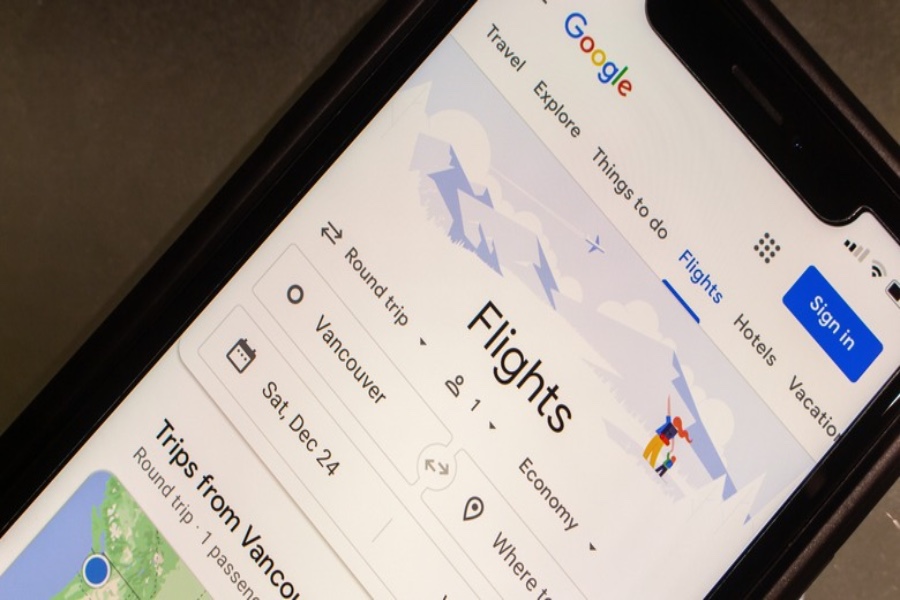
Tools like Google Flights and Kayak are best when you’re ready to compare real fares. You can filter nonstop flights, track flexible dates, and watch prices change. These engines pull live data from dozens of airlines—something AI just can’t do yet.
There’s also peace of mind. Human agents and booking portals like Expedia offer support if something goes wrong—AI can’t do that yet. Still, the prices they show often spark my next search in ChatGPT.
Combining AI with Flight Search Engines
I treat ChatGPT as my brainstorming partner and booking engines as the execution tool. AI helps you get creative—maybe fly into a different airport or split your trip between two budget carriers. Once you’ve got ideas, plug them into Google Flights or another engine to see what’s real and affordable.
Try this:
- Use ChatGPT to find underused airports or alternative layovers.
- Check those options in a flight engine to compare prices.
- Book through a major agency like Booking.com if you want accommodation bundled with your ticket.
By mixing insights with live data, you’ll uncover deals hidden behind weird routing. I’ve saved hundreds this way on multi-leg trips that search engines alone never suggest.
Limitations of AI Flight Searches
AI doesn’t tap into airline databases or update prices every minute. That’s its biggest gap. Simple stuff like knowing when a fare expires or a seat sells out still relies on human systems. If you only use AI, you might miss flash sales.
ChatGPT gives great strategy and timing advice, but it can only estimate patterns—it doesn’t read the market live. Always double-check prices before booking, and don’t assume AI results are what’s actually available.
Some site-specific discounts or airline promos never show up in any conversational tool. That’s why mixing AI guidance with search engines like Kayak or Google Flights is best: creativity from AI, confirmation from live tools.
Advanced Strategies for Maximizing Savings

Finding cheap flights isn’t just luck—it’s about timing, smart comparisons, and knowing how airlines play with prices. With the right ChatGPT prompts, you can spot fare shifts, predict price dips, and mix cash with loyalty points in ways most folks miss. A little planning goes a long way to big savings if you know where and when to look.
Predictions on Price Trends and Best Booking Times
ChatGPT can help you analyze fare history and figure out when prices might drop. Ask it to compare data from Google Flights or Skyscanner, and you’ll start seeing patterns other travelers skip. For example, economy fares on major airlines tend to dip about 45–60 days before departure, while budget carriers sometimes toss out flash sales closer to takeoff.
You can try a simple prompt like:
“Analyze recent price trends for round-trip flights from Chicago to Tokyo in March. Highlight the cheapest booking window and expected fluctuations.”
Here’s a pattern table to make things clearer:
| Time Before Flight | Typical Fare Trend | Notes |
|---|---|---|
| 3–6 months | Moderate prices | Best for long-haul travel |
| 1–2 months | Lowest average fares | Avoid weekends for booking |
| <30 days | Rising prices | Watch for last-minute promos |
Leveraging Cash and Points for Maximum Value
Mixing cash and points can stretch your travel budget, but only if you use them smartly. ChatGPT can compare whether using miles or cash gives a better cost-per-mile value. Drop your reward balance and flight details into a prompt like:
“Compare the cash price and mileage cost for this flight on Delta and United. Recommend which option provides higher value and if a mixed payment makes sense.”
I’ll admit, I’ve rushed to use points on cheap tickets and later realized I got a lousy redemption rate. A little math goes a long way. If your points are worth less than 1.2 cents each, paying cash and saving miles for long-haul or premium seats usually works out better.
One trick I like: some airlines let you pay partly with points and still earn miles on the cash part. That way, you don’t lose loyalty credit. With ChatGPT, you can build a table to compare redemption scenarios across airlines or sites like Travel on the Fly. Sometimes mixing currencies or programs adds up to more savings than sticking with just one method.
Customization and Personalization Tips

How you word your ChatGPT travel prompts can unlock smarter routes, better schedules for families, or business perks you might otherwise miss. Adjust the tone, travel style, and airline choices to fit what matters to you—it’ll save time and a few headaches when you’re planning that next trip.
Tailoring Prompts for Family, Solo, or Business Travel
The real secret? Tell ChatGPT why you’re traveling. If you’ve got kids, ask for layovers with kid-friendly amenities or hotels with family suites near the airport. Traveling solo? Try, “Suggest direct flights from Chicago to Lisbon with easy public transport at arrival.” That puts the focus on convenience and safety.
For business, mention details like early morning flights, loyalty programs, or airlines with flexible ticket changes. ChatGPT can compare and point you to carriers with smooth check-in and solid Wi‑Fi—sometimes even finding ones that smaller search engines miss, like in this Condé Nast Traveller Middle East guide.
It helps to save a few “template” prompts for your usual trips. Here’s a quick table:
| Travel Type | Example Prompt | Focus |
|---|---|---|
| Family | “Find flights to Rome with free child seat policy and short layovers.” | Comfort & convenience |
| Solo | “List budget flights to Tokyo under 14 hours total travel time.” | Efficiency & cost |
| Business | “Show airlines with early flights to New York offering Wi‑Fi and lounge access.” | Flexibility & productivity |
Handling Airline and Baggage Preferences
Airlines all treat luggage their own way, and that’s where a lot of travelers get tripped up. Use ChatGPT to filter for baggage-friendly fares before you click “book.” Try something like, “Compare Delta, United, and JetBlue fares from Denver to Boston that include one checked bag.” The AI can flag when a “cheap” ticket hides big baggage fees or when premium economy actually gives you better value.
Don’t forget to include priorities like “I prefer window seats and no red-eyes.” ChatGPT can check which airlines line up with your quirks and even remind you of baggage policies or checked weight limits. Insights from Run the Prompts show that well-structured prompts can dig up valid promo codes and stackable discounts—especially if you let the AI cross-check airline sites for current deals.
If you fly a lot, keep a “preference profile” with your frequent flyer number, favorite aircraft, or preferred airports. Paste it into new prompts. Saves time and keeps your searches consistent, almost like having a travel agent who actually remembers your quirks.
Practical Booking and Safety Considerations
Scoring a great airfare is just half the win. What really puts you ahead is knowing how to compare total costs, snag flexible cancellation options, and dodge the booking mistakes that can wreck a trip before it starts.
Comparing Final Prices Including Fees
Ever notice how a “cheap” ticket balloons after luggage and seat charges? That base fare might look tempting, but airlines like Frontier, Ryanair, or Spirit love to price every little thing separately. I always pull up a quick comparison table before I book:
| Cost Element | Typically Included? | Notes |
|---|---|---|
| Carry-on bag | Rarely | Sometimes only a personal item is free |
| Checked bag | No | Fees can double if paid at airport |
| Seat selection | Usually no | Some airlines assign random seats unless you pay |
| Transfers | Not always | Cheap flights may involve longer layovers or extra transfers |
When you use ChatGPT, feed in all these details so it can work out a true total price. I’ve watched $40 fares turn into $120 trips after baggage math. Tools like GripRoom’s ChatGPT workflow suggest comparing the “hassle-adjusted value”—something I do without even thinking about it now.
24-Hour Cancellation and Refund Policies
Sometimes you spot a deal that seems too good to last. That’s when the U.S. 24-hour refund rule is your friend. If you book directly with an airline at least a week before departure, you can cancel within 24 hours for a full refund. Handy when fares are jumping around and you want to lock one in while you check alternatives.
I once grabbed a New York–Lisbon flight, then found the same route $80 cheaper just hours later. Thanks to the free cancellation window, I rebooked and kept the difference. Always double-check your route’s policy, though—European and Asian carriers sometimes play by their own rules. Sites like CN Traveller Middle East’s ChatGPT guide mention using AI to track those price swings before the cancellation window closes.
Risks of Self-Transfers and Separate Tickets
Booking two separate tickets on different airlines might look cheaper, but there’s a catch—if your first flight is late, nobody’s protecting your second one. I once tried saving $60 flying from Toronto to Madrid via London on two separate carriers. A Heathrow delay meant an unplanned overnight stay I had to pay for. Lesson learned: add long layovers or skip self-transfers unless you’ve got plenty of buffer time.
ChatGPT can help you check connection risks, especially when you’re mixing airlines or airports. The GripRoom workflow even suggests a “risk rating” for missed connections. You can lower the risk by traveling with just hand luggage—if you miss a flight, at least your bags don’t end up in Rome without you. When in doubt, stick to one ticket (same airline or alliance) for protection that’s honestly worth a few extra bucks.
Frequently Asked Questions
Finding cheaper plane tickets with AI tools like ChatGPT isn’t just about typing random prompts—it’s about asking the right questions, balancing flexibility with timing, and knowing a few insider moves that most travelers skip. Smart use of chatbot tech can uncover lesser-known carriers, point out alternative airports, and even catch those fleeting fare drops before they vanish.
What are the top strategies for leveraging chatbot technology to secure the lowest airfare?
One solid move is to ask ChatGPT about budget carriers that booking sites might skip. Platforms like u003ca href=u0022https://www.cntravellerme.com/story/how-chatgpt-can-help-you-find-cheap-flightsu0022 target=u0022_blanku0022 rel=u0022noreferrer noopeneru0022u003eCondé Nast Traveller Middle Eastu003c/au003e mention that some low-cost airlines don’t show up on Skyscanner or Google Flights, so prompts that dig a bit deeper can surface smaller regional options. I actually found a cheaper flight to Sicily this way, after hearing about an obscure carrier I’d never seen listed anywhere else.u003cbru003eu003cbru003eYou can also get ChatGPT to compare routes with different stopovers instead of just chasing the obvious nonstops. A friend saved a few hundred bucks flying to Portugal via Milan because the AI threw out an alternate layover city I wouldn’t have guessed. The trick is asking something specific like, u003cemu003e“Can you find routing options that include low-cost layovers from New York to Lisbon?”u003c/emu003e
How might one utilize ChatGPT effectively to discover flight discounts not typically advertised?
Prompts that target flash sales, promo codes, or “mistake fares” can help reveal hidden savings. For example, ChatGPT can spot when certain airlines or booking sites launch temporary discounts, kind of like what’s described in u003ca href=u0022https://runtheprompts.com/prompts/chatgpt/how-to-use-chatgpt-to-find-cheap-flights/u0022 target=u0022_blanku0022 rel=u0022noreferrer noopeneru0022u003ethis guide on Run The Promptsu003c/au003e. You might type, u003cemu003e“List current verified promo codes or flight deals for Emirates and Etihad this week.”u003c/emu003e Switching up your query every few days matters a lot since deals change fast.u003cbru003eu003cbru003eI’ll sometimes try this late at night when airline systems update prices. It sounds odd, but I’ve managed to snag a few late-hour fare dips that way. When you pair that with ChatGPT’s ability to summarize deals across booking engines, you’ve got a pretty sharp edge.
What’s the insider’s guide to tapping into chatbots for real-time alerts on airfare deals?
ChatGPT doesn’t send real-time alerts on its own, but you can connect it with apps or simple scripts that ping you when fares drop to your target price. Over at u003ca href=u0022https://flightips.com/how-to-use-chatgpt-to-find-cheap-flights-travel-deals-better-than-google-flights/u0022 target=u0022_blanku0022 rel=u0022noreferrer noopeneru0022u003eFlightipsu003c/au003e, they point out that chatbots can keep an eye on routes for “unusually cheap tickets” or surprise sales, giving you a leg up on other travelers. Just ask ChatGPT to track certain routes and recommend tools that actually push instant alerts.u003cbru003eu003cbru003eI’ve hooked mine up to calendar reminders, so when the AI flags a price dip, I can jump on it. It’s honestly a relief not having to refresh flight pages all day. Once you get familiar with your preferred airlines and routes, the chatbot starts picking up on trends—makes the next search way less of a hassle, in my experience.


