 Real Journey Travels
Last modified August 17, 2026
Getting around the Cyclades doesn’t have to be a headache. The easiest way to move between these islands in the Aegean Sea is by ferry, which connects places like Santorini, Mykonos, Paros, and Naxos on a daily basis. You can also hop on short flights from Athens or between bigger islands, but ferries usually give you more flexibility—and they’re often cheaper, too.
Each island has its own vibe. Some are tiny and easy to walk, while others are big enough that you’ll want a scooter, bus, or maybe a rental car. Mixing up the busy, famous spots with a few quieter islands makes for a way more interesting trip.
Island hopping really shines when you set your own pace. Fast ferries get you there quickly, but the slower ones are comfier and let you soak in the views. In summer, ferries run all the time, but if you’re aiming for a popular route, book ahead so you’re not left scrambling for tickets.
Key Takeaways
- Ferries are the main way to travel between islands
- Each island has different transport options once you arrive
- Booking transport early makes summer travel smoother
Essential Ways to Get Around the Cyclades
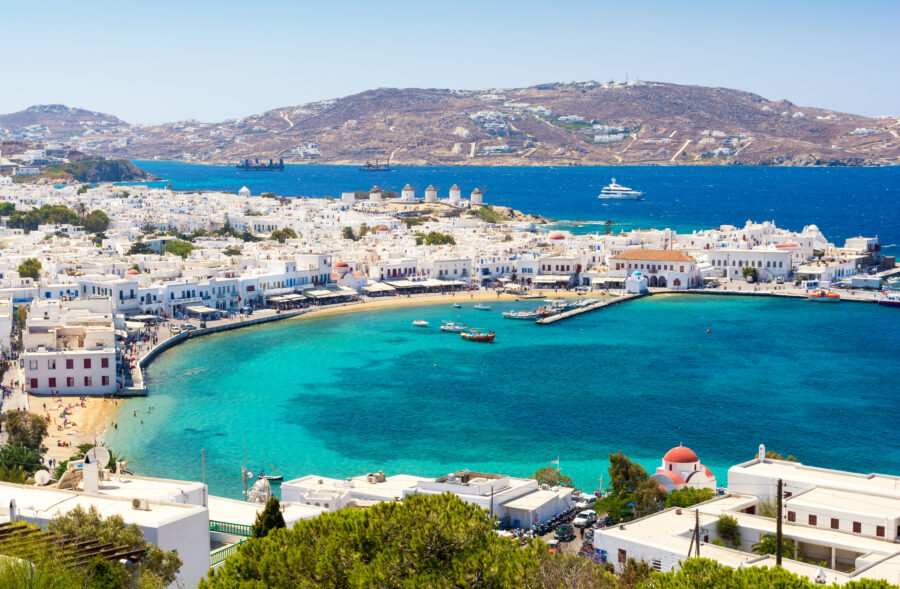
Getting from island to island in the Cyclades means choosing between ferries, domestic flights, and private boats. Each one has perks depending on your plans and budget, and honestly, the experience you want in the Aegean.
Ferry Travel: Booking, Schedules, and Tips
Ferries are hands-down the most common way to travel between the Cyclades. Big names like Blue Star Ferries and Hellenic Seaways cover major hubs—Santorini, Mykonos, Naxos, Paros—daily in summer. Smaller islands like Sikinos or Iraklia might only see a couple of ferries a week.
You’ve got two main types: high-speed catamarans and traditional roll-on ferries. High-speed boats get you there faster but feel cramped and cost more. The big, slower ferries are more spacious, especially if you’re lugging bags or want to stretch your legs.
Ferry schedules don’t always appear super early, so check platforms like Ferryhopper to compare routes and book. In July and August, tickets for popular routes (such as Santorini–Mykonos) can sell out quickly. Arrive at the port at least an hour before departure, and if online check-in is available, use it to skip the lengthy ticket lines.
A quick reference:
| Ferry Type | Travel Time | Comfort | Price | Best For |
|---|---|---|---|---|
| High-speed | Faster | Limited space | Higher | Short stays |
| Conventional | Slower | Spacious | Lower | Longer trips |
Domestic Flights and Airports in the Cyclades
Flying saves time if you’re coming from Athens or jumping between bigger islands. Santorini and Mykonos have international airports, and Naxos, Paros, and Syros have smaller domestic ones. Flights are quick—30 to 45 minutes tops—but don’t expect tons of seats.
In summer, airlines like Aegean and Sky Express add more flights, but ticket prices climb fast. To snag good deals, compare on Skyscanner, KAYAK, or Expedia. If you’re planning to visit a few islands, mixing a flight with ferries can save you time and keep costs down.
Smaller airports only handle propeller planes, so there are fewer seats and tighter baggage rules. Book as early as you can—especially in July and August—if you want to fly.
Private Boat and Yacht Charters
If you’re after flexibility or want to check out remote beaches, try renting a private boat or joining a yacht charter. This is super popular in the Cyclades, since so many coves and tiny islands are only reachable by boat.
You can pick anything from a skippered sailing yacht to a luxury catamaran with a full crew. Day charters let you hit nearby islands, while multi-day trips give you the freedom to set your own route. Prices are all over the place, depending on boat size, season, and if you want a skipper.
To plan ahead, you can often bundle your place to stay and sailing trips on sites like Booking.com. In peak season, book months in advance—demand gets wild.
Charters are perfect for skipping ferry schedules and finding quiet spots like Koufonisia or Donoussa. Just watch out for the Meltemi winds in July and August—they can make sailing rough, so you’ll want to stay flexible.
Island Hopping Routes and Itineraries
The Cyclades have tons of ferry connections, which makes it easy to plan a route that fits your style. Some folks chase the famous islands; others go for quieter spots with fewer crowds. How long you stay shapes how many islands you can realistically fit in.
Classic Cyclades Island Hopping Itinerary
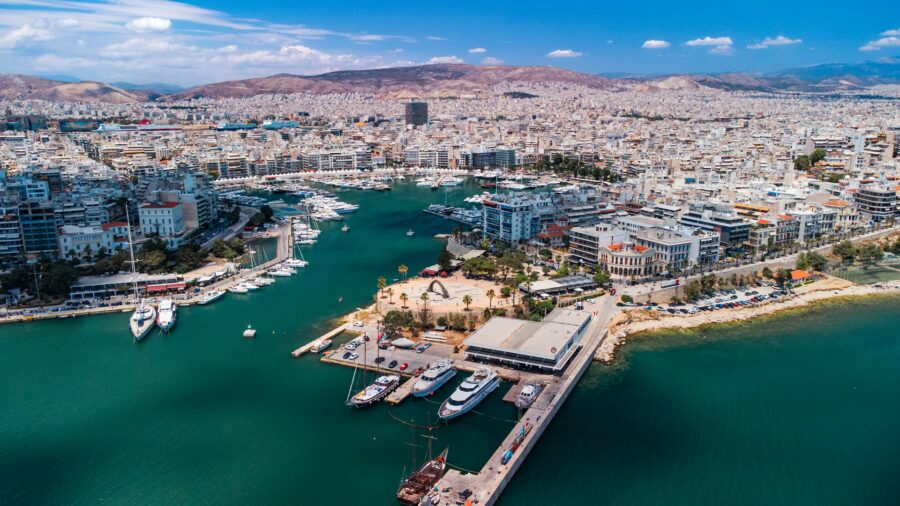
Most people kick things off in Athens (Piraeus port), with daily ferries to the Cyclades. Many start with Santorini for those caldera views and wineries, then hop to Naxos for beaches and mountain villages. After that, it’s a quick ferry to Paros for lively towns and some nightlife.
Throw in Mykonos to round out the classic route—think fancy beach clubs, shopping, and easy ferry links. This circuit mixes sightseeing, beaches, and nightlife, so it’s a solid pick for first-timers.
If you’d rather skip the logistics, you can join a pre-arranged island hopping tour that handles ferries, hotels, and activities. It saves you time but still gives you freedom to explore.
Off-the-Beaten-Path Island Hopping Routes

If you’re looking to dodge the crowds, check out the Small Cyclades: Koufonisia, Schinoussa, Donoussa, and Iraklia. These islands are laid-back, with barely any cars, small villages, and beaches you might get all to yourself. Ferries from Naxos make it easy to hop between them in a short loop.
Another underrated route is Serifos – Sifnos – Milos. Serifos is all about wild beaches, Sifnos is a foodie’s dream, and Milos has volcanic scenery and sailing trips to hidden coves. Ferries link them up, so you don’t have to double back.
For hiking and history, Amorgos is a gem, with dramatic cliffs and the Panagia Hozoviotissa monastery. You could book activities ahead—like guided walks or boat tours—if you want to make the most of your time.
One-Week and Two-Week Sample Schedules
For a week, stick to two or three islands so you’re not always on the move. Here’s a sample:
- Day 1–2: Santorini
- Day 3–4: Naxos
- Day 5–7: Paros
This keeps travel time short and lets you actually enjoy each place.
With two weeks, you can add more variety. Try something like:
- Day 1–3: Santorini
- Day 4–6: Naxos
- Day 7–9: Paros
- Day 10–12: Mykonos
- Day 13–14: Syros or Tinos
This pace gives you a mix of big names and quieter islands. Check ferry schedules ahead—some routes only run a few times a week, especially outside peak season.
Top Cyclades Islands to Visit
Some Cyclades islands just stand out—whether it’s the scenery, the culture, or how easy they are to reach. You’ll see volcanic cliffs, ancient ruins, sandy beaches, and lively towns, each with its own pace.
Santorini: Caldera Views and Unique Beaches
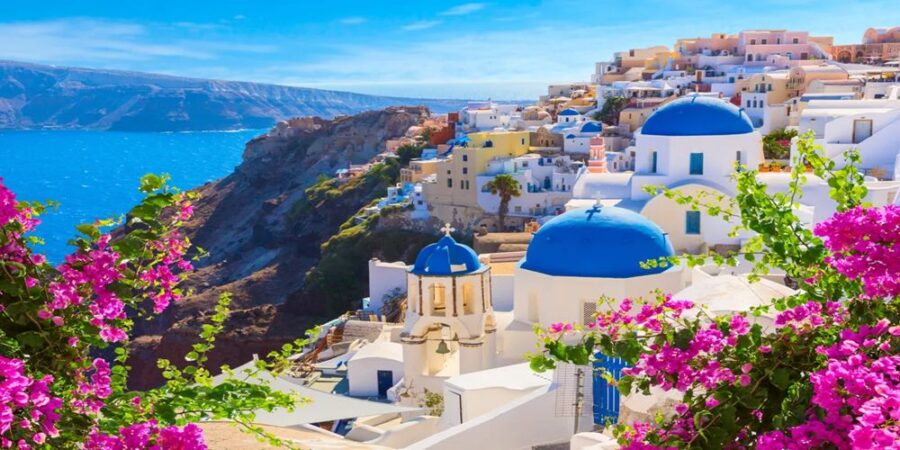
Santorini is all about the caldera, a massive volcanic crater filled with bright blue water. The villages of Fira, Imerovigli, and Oia perch on the rim, offering some of the best sunset views anywhere in Greece. Staying on the caldera side costs more, but honestly, the scenery is worth it.
The island’s beaches are unique, too. There’s black sand at Kamari and Perissa, the wild Red Beach, and even a White Beach you can only reach by boat. These aren’t your typical soft-sand beaches, so bring water shoes if you can.
Santorini has some great wineries, especially if you like crisp whites made from the Assyrtiko grape. For fewer crowds, late spring or early fall is your best bet—ferries still run often, but the island feels a little more relaxed.
Mykonos: Nightlife and Iconic Windmills
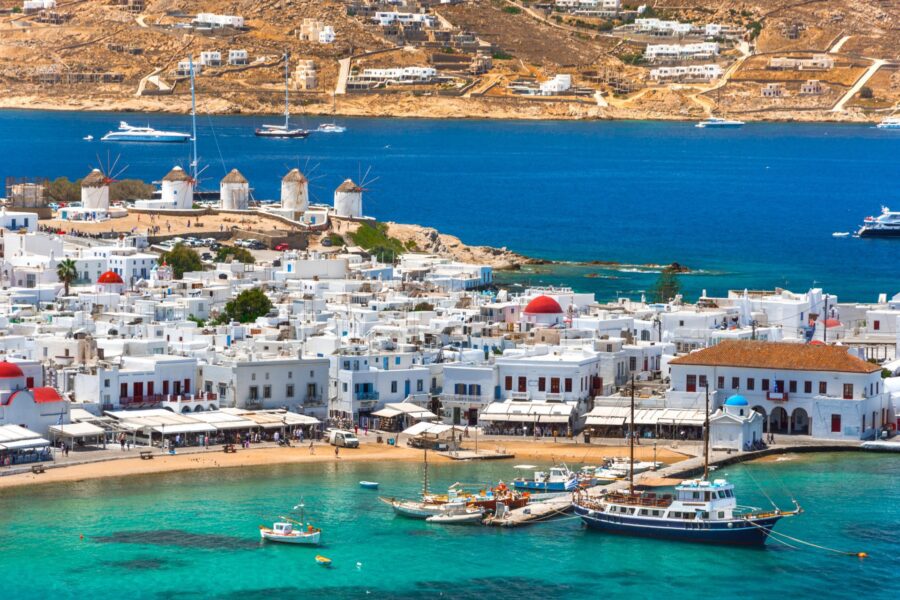
Mykonos is famous for its nightlife. Clubs and beach bars on Paradise and Super Paradise beaches keep the island buzzing until sunrise. If you love late nights, you’ll fit right in here.
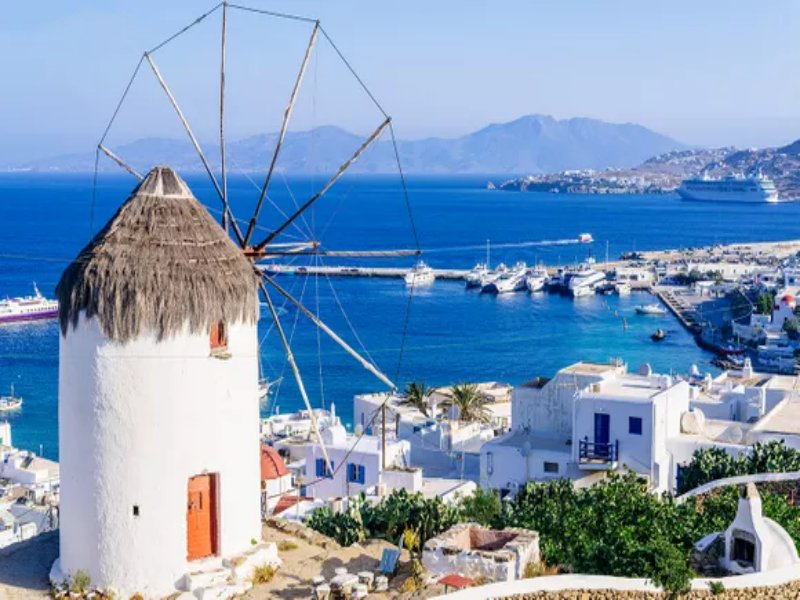
By day, wander Chora, the main town—a maze of whitewashed alleys, shops, and cafes. The iconic windmills overlooking the sea? You’ll see people snapping photos there at all hours.
Take a short boat ride to Delos Island, a major archaeological site. You can walk among temples and ancient ruins—honestly, it’s one of the most interesting day trips in the Cyclades.
Accommodation prices skyrocket in July and August. To save money, try visiting in June or September, when the weather’s still warm but the crowds thin out.
Naxos: Sandy Beaches and Ancient Sites
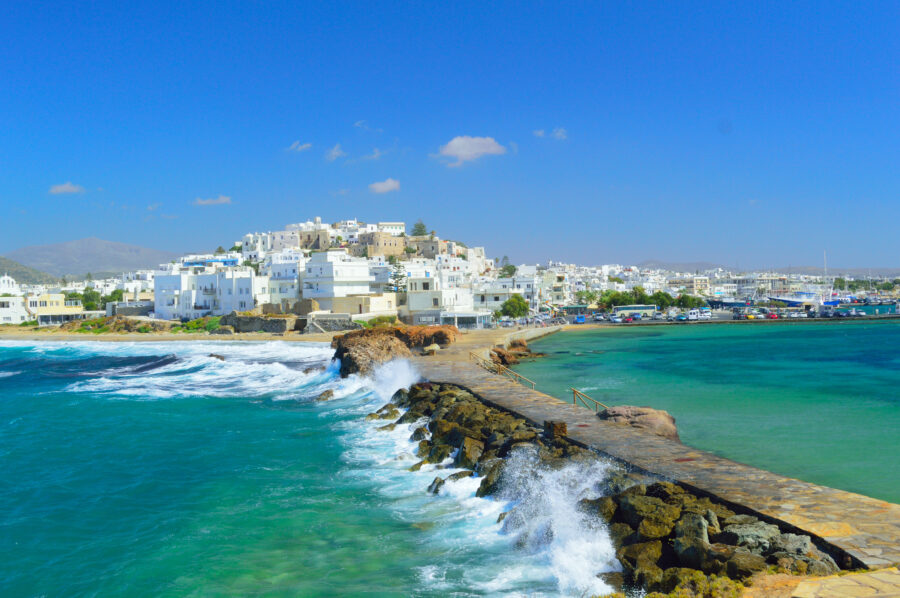
Naxos island is the biggest in the Cyclades and gives you a mix of beaches, mountains, and history. The port town sits beneath a Venetian castle, and just outside you’ll spot the Portara, a huge marble doorway from an ancient temple of Apollo.
Long sandy beaches are a big draw here. Agios Prokopios and Agia Anna are popular, while Plaka Beach stretches on and feels more chilled out. The shallow water makes these beaches ideal for families.
Head inland and you’ll find mountain villages like Apeiranthos—think stone houses and local cheese tastings. Naxos is also known for its food, especially potatoes, olive oil, and fresh goat cheese.
You could easily spend several days here and still have more to explore.
Paros & Antiparos: Culture and Hidden Gems
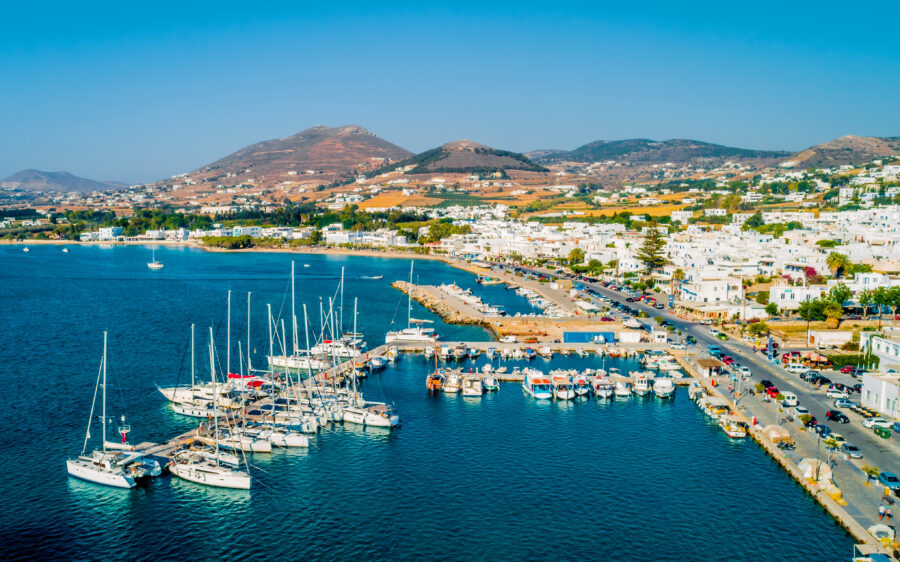
Paros island is a crowd-pleaser with good beaches, nightlife, and pretty towns. Naoussa, once a fishing village, has turned into a lively spot with waterfront tavernas and bars. If you’re after beach time, Golden Beach and Santa Maria Beach are top picks for swimming and windsurfing.
Parikia, the main port, has a historic old town and the impressive Panagia Ekatontapiliani church. Its central spot makes Paros a handy stop if you’re hopping between Santorini and Naxos.
A quick ferry takes you over to Antiparos, which is smaller and way quieter. It’s got shallow sandy beaches and the Antiparos Cave, packed with stalactites and stalagmites. Nightlife here is more relaxed—think small bars open late, but nothing wild.
Getting Around Individual Islands
Every Cycladic island has its own vibe, and how you get around can totally shape your trip. Some are compact with simple bus routes; others practically demand a scooter or ATV if you want to find those hidden beaches or out-of-the-way villages.
Local Buses and Taxis
Public buses are the cheapest way to move around, especially on bigger islands like Naxos or Paros. Routes usually link the main town (chora) with popular beaches and villages. For example, you can catch a bus from Naxos Town to the Mount Zas trailhead, the highest point in the Cyclades.
Buses are reliable but not super frequent—often just once an hour. Miss one and you’ll be waiting. Tickets are cheap, usually just a couple euros.
Taxis fill in the gaps, but they’re few and far between. On smaller islands like Folegandros or Sikinos, finding a taxi late at night can be tough. Always settle the fare before you get in, since meters aren’t always used consistently.
If you’re lugging bags between ports or bus stops, consider short-term luggage storage so you can explore freely without dragging everything along.
Car, ATV, and Scooter Rentals
Renting your own wheels gives you the most freedom. Scooters and ATVs are everywhere, perfect for getting to beaches like Mylopotas Beach on Ios or the secret coves of Milos. Just remember: you’ll need the right license—an international permit if you’re not from the EU.
ATVs are fun, a bit bulky, and great for two people, especially on steep roads. Scooters are cheaper and easy to park, but a 50cc model might struggle uphill with a passenger. Cars are best if you want comfort and shade in the summer heat.
Book ahead in July and August. Vehicles sell out fast, especially on busy islands like Santorini and Mykonos.
Cycling and Walking Trails
Cycling isn’t huge here, mostly because roads are narrow and hilly. Still, islands like Antiparos or the flat bits of Paros work well for bikes. Rental shops usually cluster near the ports.
Walking, though, is where the Cyclades really shine. Trails connect villages, monasteries, and beaches, often winding past Cycladic architecture and dry-stone terraces. On Amorgos, the path to Kalamos monastery is a highlight. Naxos has long hikes, like the climb up Mount Zas.
Bring sturdy shoes, water, and sun protection. Even short walks can feel tough under the midday sun, but the views—white chapels against deep blue sea—make it all worth it.
Hidden Gems and Lesser-Known Islands
Honestly, some of the best Cycladic moments come when you skip the famous spots and try the quieter islands. You still get the whitewashed villages, beaches, and local food—just minus the crowds.
Folegandros, Sikinos, and Anafi

Folegandros feels rugged and untouched. The main village, Chora, sits on a cliff with views that’ll stop you in your tracks. Wander the car-free alleys at night and you’ll stumble into tiny tavernas where locals hang out. It’s like Greece before the tourist boom.
Sikinos is even quieter. It’s one of the least known islands in the Cyclades, and that’s the charm. There’s not much nightlife, but you’ll find peace, a few beaches, and a monastery perched high above the sea. Two days here feels like a week’s rest.
Anafi, east of Santorini, is small but dramatic. Hiking trails lead to hidden chapels and sandy coves. If you like camping or just want to unplug, Anafi is the spot. The pace is slow, and that’s the beauty of it.
Kea, Kythnos, and Serifos
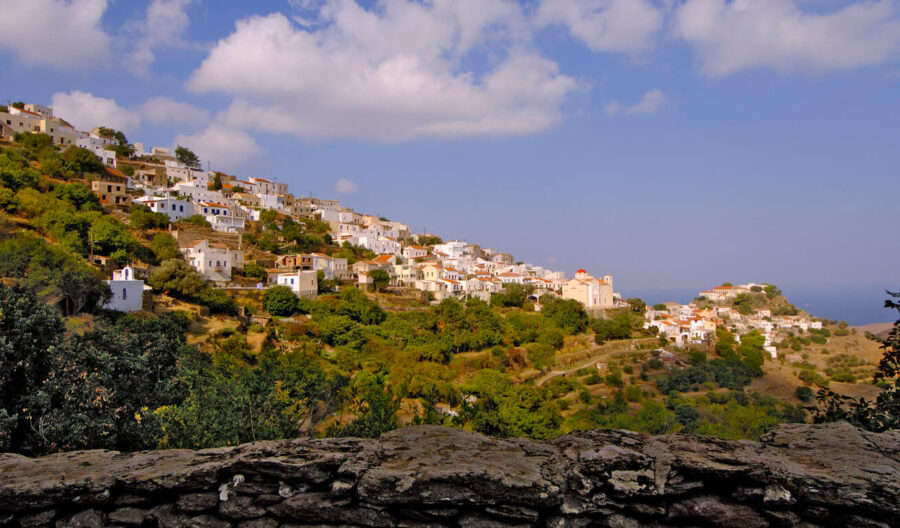
Kea is the closest Cycladic island to Athens, just about an hour by ferry. Oddly, it’s still not crowded. Hiking is a big thing here, with old stone paths to ancient ruins and quiet beaches. The island feels more like a countryside escape than a tourist hotspot.
Kythnos is famous for its hot springs and laid-back vibe. Loutra, the main thermal spa area, has drawn visitors since ancient times. You can soak in warm waters right by the sea. The island has over 70 beaches, many only reachable by dirt track or boat.
Serifos stands out with its wild, rocky landscape. The Chora climbs a hillside and looks amazing at sunset. Serifos also has some of the best sandy beaches in the Cyclades, like Psili Ammos. It’s simple, authentic, and photogenic—without even trying.
Syros, Tinos, and Andros
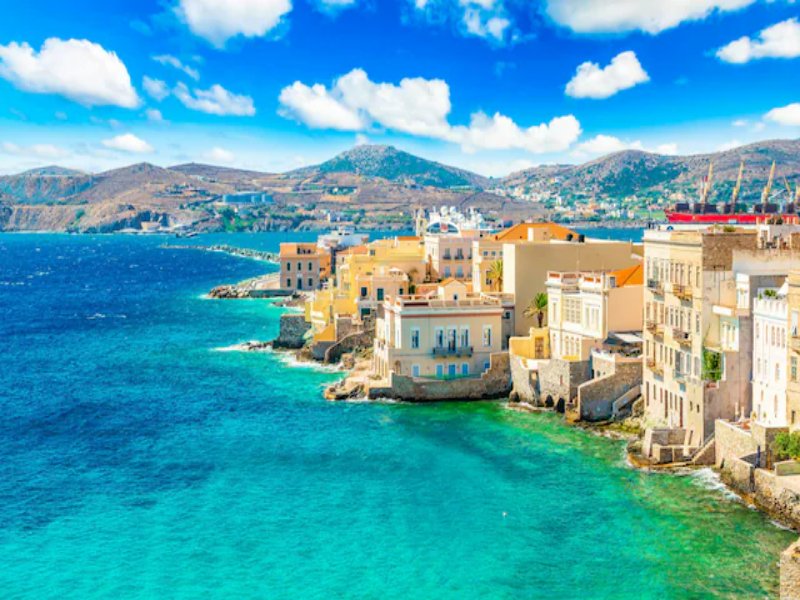
Syros is different. It’s the administrative capital of the Cyclades, and Ermoupoli, the main town, has neoclassical buildings, marble squares, even an opera house. It’s more about culture and food than beaches, though you’ll find a few nice ones. People call Syros the “Lady of the Cyclades” for its elegance and history.
Tinos is famous for its religious pilgrimage site, the Church of Panagia Evangelistria. But there’s more—traditional villages, dovecotes, great hiking. The food scene is excellent, with local cheeses and wines you won’t find anywhere else.
Andros is greener than most Cycladic islands. Streams, waterfalls, and fertile valleys make it a hiker’s dream. The beaches are long and sandy, some nearly empty even in summer. If you’re into nature and walking trails, Andros is a great pick.
Milos, Kimolos, and Amorgos
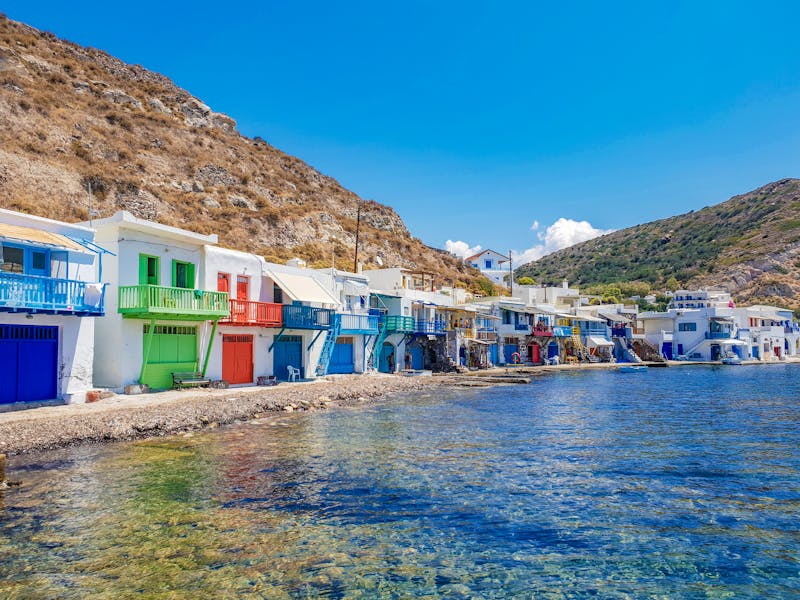
Milos gets more buzz these days, mostly for its surreal landscapes. The white rocks at Sarakiniko look like the moon. You can swim in caves, poke around old mining sites, and eat some of the best seafood in the Cyclades. It’s busy in August, but outside that, it’s a lot more relaxed.
Kimolos, right next to Milos, feels like a step back in time. It’s tiny, with one main village and quiet beaches. Most people just visit for the day from Milos, but if you stay overnight, you’ll really get the calm, welcoming vibe.
Amorgos is all about dramatic cliffs and the Monastery of Hozoviotissa, clinging to a rock face high above the sea. The island has top-notch hiking and clear waters that divers love. If the name rings a bell, maybe it’s from the film The Big Blue, which was shot here.
Best Time to Travel and Seasonal Tips
Your Cyclades experience depends a lot on when you go. The islands shift from crowded and lively to calm and relaxed, and the weather can make or break your trip.
Peak vs. Shoulder Season
High season hits in July and August. Ferries and flights run often, but you’ll deal with packed beaches, long waits at restaurants, and higher hotel prices. If you love energy and nightlife, this is when Mykonos and Santorini are at their wildest.
If you prefer more space, the shoulder months—May, June, September, and early October—hit a sweet spot. You still get sunny days, warm seas, and plenty of ferry options, but the crowds thin out. I’ve gone in September, and honestly, it felt like the islands finally exhaled after summer. Prices dropped, locals seemed friendlier, and finding a quiet table by the water was actually possible.
One heads-up: in the off-season (late fall through early spring), most hotels and restaurants close, and ferry schedules shrink. Unless you’re after serious solitude, it’s not the best time.
Weather and Sea Conditions
The Cyclades are famous for dry summers, strong winds, and winters that stay pretty mild. July and August can get brutally hot, often pushing past 30°C. When the meltemi winds show up, ferry rides can get rough. Honestly, I’ve been on one of those rides where half the boat looked ready to lose their lunch—if you get seasick, definitely keep that in mind.
Spring (April–June) feels like a different world: the islands turn green, wildflowers pop up everywhere, and the sea finally starts to warm. By May, most people can swim without much hesitation. September and October work well too, since the water stays warm from all that summer sun.
Winter flips the script—it’s cooler, wetter, and the sea’s usually too chilly for swimming. Storms sometimes mess with ferry schedules. If you’re traveling then, you’ll want flexible plans and maybe even travel insurance in case things go sideways.
Festivals and Local Events
People often forget to plan around festivals, but they’re a huge part of the islands’ vibe. Greek Orthodox Easter, usually in April, is a massive event. Villages light bonfires, churches fill up, and you’ll find food everywhere. If you’re after that genuine cultural hit, it’s hard to top Easter.
Summer means music and arts festivals, especially on Syros and Naxos. You get to see traditional dance, theater, and local musicians in open-air spaces—totally different from Mykonos’s party scene.
In small villages, you might just wander into a panigiri—one of those local saint’s day feasts. There’s live music, dancing that goes until sunrise, and usually a suspicious amount of homemade wine. They’re not really advertised, so sometimes you only find out by chatting with locals at a café.
Frequently Asked Questions
Getting around the Cyclades isn’t rocket science, but you’ll want to plan a bit. Ferries, flights, and the occasional sailing trip all come into play. Every island has its own quirks, whether it’s transport, things to see, or just the general pace of life.
What are the top transportation options for island hopping in the Cyclades?
Ferries are your main option for getting between islands. Fast ferries shave off time, while the slower, cheaper ones let you really soak in the sea. I’ve tried both, and honestly, unless you’re in a hurry, the slower boats can be more fun.u003cbru003eu003cbru003eSantorini and Mykonos have airports with direct flights from Europe, which can save you a long ferry ride if you’re short on time. If you’ve got the budget, sailing tours give you more flexibility, though you’ll need to be at home on small boats.
Which Cyclades islands are considered must-visit for first-time travelers?
If you’re new to the Cyclades, Santorini is a must for those wild caldera views, and Mykonos draws crowds for its beaches and nightlife. But don’t just stick to those. Naxos has some of the best sandy beaches and food, while Paros balances charming villages, a bit of nightlife, and easy ferry links.u003cbru003eu003cbru003eIf you want peace and quiet, check out a u003ca href=u0022https://www.realjourneytravels.com/exotic-island-getaways/u0022u003esmaller islandu003c/au003e like Koufonisia or Folegandros. They move at a slower pace, which feels like a breath of fresh air after a couple of nights in Mykonos.
How does one efficiently plan a 10-day island-hopping itinerary in the Cyclades?
Stick to 3–4 islands, max. Any more and you’ll just end up on ferries most of the time. A solid route: fly into Santorini, ferry to Naxos, then hop over to Paros or a Small Cyclades spot, and finish in Mykonos for your flight out.u003cbru003eu003cbru003eI’ve tried cramming in too much before and just wound up exhausted. Give yourself at least 2–3 nights per island—you’ll actually get to relax, swim, and look around.
Are there any island-hopping packages that offer a comprehensive Cyclades experience?
You’ll find plenty of island-hopping packages through travel agencies and booking sites. They usually include ferries, hotels, and sometimes guided tours. They’re convenient if you don’t want to deal with u003ca href=u0022https://www.realjourneytravels.com/travel-hacks/u0022u003eferry schedulesu003c/au003e that love to change at the last minute.u003cbru003eu003cbru003ePersonally, I like booking everything myself. It lets you tweak your route on the fly, and with sites like u003ca href=u0022https://realgreekexperiences.com/island-hopping-in-the-cycladesu0022 target=u0022_blanku0022 rel=u0022noreferrer noopeneru0022u003eReal Greek Experiencesu003c/au003e, it’s easy to piece together your own trip.
Stick to islands with decent public transport like Naxos, Paros, and Mykonos—buses run pretty often to beaches and villages. On tiny islands like Donoussa or Iraklia, you’ll probably just walk everywhere, which honestly adds to the experience.u003cbru003eu003cbru003eIf you’re on a bigger island and don’t want to rent a car, try planning your days around the bus routes. I did this in Paros. It limited me sometimes, but it also led me to villages I wouldn’t have seen otherwise.u003cbru003eu003cbru003eTaxis or little local boats that take you to beaches? Don’t overlook them. When buses aren’t running, they can really save the day.


