

Last modified August 17, 2026
Edinburgh is one of those rare cities where getting around is actually part of the fun, not a frustration. Most of Edinburgh’s main attractions sit within walking distance in the compact city center, but you’ll want to use buses, trams, or taxis to reach spots like the Royal Yacht Britannia or the Royal Botanic Garden. The good news? The transport system here is straightforward and reliable.
You don’t need a car in Edinburgh, and honestly, driving in the Old Town‘s narrow streets would just stress you out. Lothian Buses cover pretty much everywhere you’d want to go, and the tram connects you to the airport in about 30 minutes. Whether you plan to explore on foot, hop on a bus, or grab a bike, getting around is simpler than you might expect.
Key Takeaways
- Edinburgh’s compact center makes walking the best option for visiting major attractions
- Lothian Buses and trams provide reliable connections to areas outside the city center
- A car isn’t necessary and booking accommodations near the Royal Mile reduces your need for transport
Walking in Edinburgh

Edinburgh rewards those who explore on foot, with cobblestone lanes, hidden courtyards, and striking views around nearly every corner. The city center is compact enough that you can walk between major sites, though the hills will test your legs more than you might expect.
The Old Town and New Town sit side by side but feel like different worlds. The Royal Mile cuts through the Old Town from Edinburgh Castle down to Holyrood Palace. If you walk it straight through, it might take 20 minutes—though let’s be honest, you’ll stop a lot along the way.
The Old Town’s narrow closes and winding stairs lead to hidden gems you’d never find otherwise. Advocate’s Close and Mary King’s Close branch off the Royal Mile like secret passageways. The uneven cobblestones can be tricky, especially when wet, so leave your fancy shoes at home.
New Town spreads north of Princes Street with its wide Georgian avenues and grid layout. George Street runs parallel to Princes Street and connects to elegant squares at each end. The contrast between the two areas makes for fascinating walking, and you can cross between them in just a few minutes at several points.
Top Landmarks Easily Reached by Walking

Edinburgh Castle sits at the top of the Royal Mile and dominates the skyline from almost everywhere in the city center. You can walk up to it from Princes Street in about 10 minutes, though the final approach is steep.
Holyrood Palace anchors the other end of the Royal Mile, roughly a mile away from the castle. Between these two points, you’ll pass St Giles’ Cathedral, the Scottish Parliament, and dozens of shops and pubs. Princes Street Gardens provides a green escape right in the center, perfect for cutting through or taking a break.
Arthur’s Seat rises 822 feet above the city in Holyrood Park, and while it’s technically a hike rather than a walk, you can reach the trailhead on foot from the Royal Mile in about 15 minutes. The main path to the summit takes 45 minutes to an hour.
Tips for Exploring Hilly Streets
Edinburgh’s hills will surprise you if you’re not ready for them. The city sits on ancient volcanic formations, which means sudden elevation changes that your calves will definitely notice by day two.
Wear comfortable walking shoes with good grip. Those Instagram-worthy cobblestones become slippery when it rains, which happens often. I’ve seen too many people in dress shoes struggling up the Mound or sliding down Victoria Street.
Take the stairs and closes as shortcuts, but know they’re not always easy. The steps connecting different levels of the city save time, though some have 100+ steps with no handrails. Advocate’s Close drops steeply from the Royal Mile, while the Vennel Steps near the castle offer killer views if you can handle the climb.
Plan your route to work with the hills rather than against them. Walking downhill from the castle to Holyrood is much easier than the reverse, and you’ll have better photo opportunities with the castle behind you.
Scenic Walking Routes and Neighborhoods
The Water of Leith Walkway follows the river for 12 miles through Edinburgh, but you don’t need to walk the whole thing. The section from Dean Village to Stockbridge takes about 30 minutes and feels worlds away from the busy center, even though you’re only 15 minutes from Princes Street.
Dean Village itself deserves a detour. This former milling community sits in a gorge below street level, with stone buildings and old mill houses that look like they belong in a fairy tale. You can walk here from the West End in 10 minutes.
Calton Hill sits east of Princes Street and takes about 15 minutes to climb. The monuments at the top give you 360-degree views of the city, the Firth of Forth, and Arthur’s Seat. It’s especially good at sunset, and much less crowded than booking organized tours of the city.
Leith Walk connects the city center to the waterfront district of Leith, about a 30-minute walk. The revitalized Shore area has restaurants and bars worth the trek. You can also explore Stockbridge’s boutique shops and cafés, which sit just north of New Town along the Water of Leith.
Edinburgh’s Bus Network
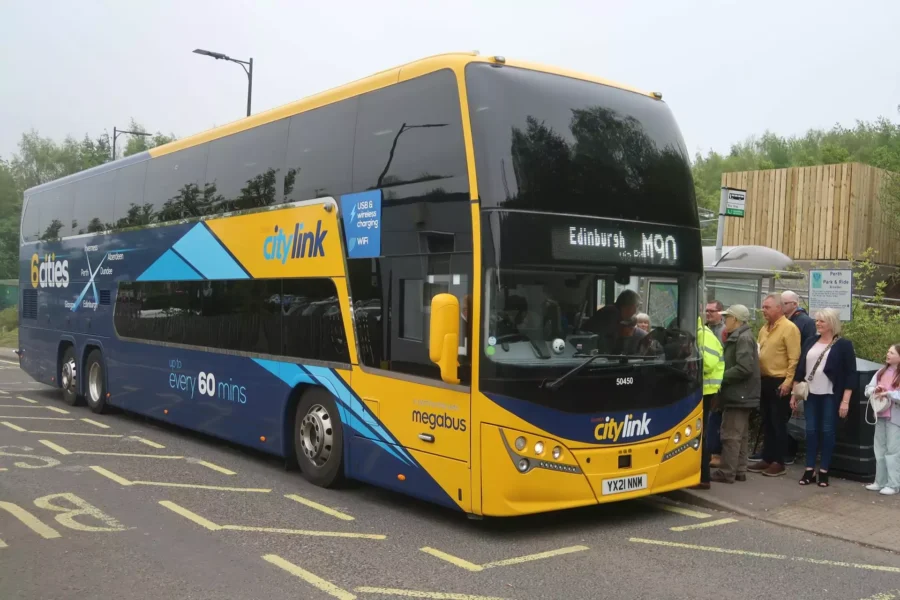
Lothian Buses runs most of Edinburgh’s bus services with over 50 routes connecting you to nearly every corner of the city. The network offers flexible payment options like DAYtickets and the contactless TapTapCap system, plus special accessibility features and night services to keep you moving around the clock.
Overview of Lothian Buses
Lothian Buses is the main operator you’ll encounter when getting around Edinburgh. Their distinctive burgundy and white buses are everywhere, and honestly, they’re one of the most reliable ways to explore the city.
The network covers central Edinburgh plus outlying neighborhoods like Leith and Portobello. Buses run from early morning until late evening on most routes. What I really appreciate is how punctual they are compared to bus systems in other cities.
Single fares are affordable, but you’ll need exact change if paying with cash. Most buses now accept contactless payment cards and mobile payments, which makes things much easier. The buses display route numbers and destinations clearly on the front, and real-time information screens at major stops tell you exactly when the next bus arrives.
Key Bus Routes for Visitors
Route 16 is probably the most useful tourist route. It runs from the Royal Mile through the city center and out to Portobello Beach, giving you access to the historic Old Town and a seaside escape in one journey.
For getting to Leith, take the 22 or 35. These routes connect you to the waterfront area where you’ll find the Royal Yacht Britannia and tons of great restaurants. Route 10 heads south toward the Pentland Hills if you’re looking to explore the greener outskirts.
The Airlink 100 runs between Edinburgh Airport and the city center every 10 minutes. It’s faster than the tram and drops you right at Waverley Bridge near all the main attractions.
Routes 23 and 27 are handy for reaching the Royal Botanic Garden and the residential areas north of the city center.
Travel Passes: DAYticket, Ridacard, TapTapCap
The DAYticket costs around £4.50 and gives you unlimited bus travel for one day on Lothian Buses services. You can buy it on the bus, through the Lothian Buses app, or at ticket offices. It’s worth getting if you’re planning more than two or three trips in a day.
For longer stays, the Ridacard offers weekly or monthly unlimited travel. A week costs roughly £20, which quickly pays for itself if you’re using buses daily.
But here’s where it gets interesting: TapTapCap is Lothian’s contactless payment system that automatically caps your spending. Just tap your contactless card or phone when boarding, and once you’ve paid the equivalent of a DAYticket in single fares, the rest of your rides that day are free. It works across multiple days too, capping at the weekly rate. You don’t need to register or download anything, it just works automatically.
Accessibility and Night Buses
All Lothian Buses have wheelchair access with low floors and designated spaces. Drivers help passengers with mobility issues if you ask, and audio and visual announcements at each stop make things easier for folks with hearing or vision difficulties.
Night buses run on Friday and Saturday nights, taking over when regular services stop. These routes have an “N” prefix like N22 or N16. They follow similar paths to daytime routes but cost a bit more (around £3.50 for a single fare).
The night network connects the city center with outer neighborhoods, so you’re not stranded after a late evening exploring Edinburgh’s pubs and restaurants. Buses typically run every 30 minutes between midnight and 4:30 AM.
Edinburgh Trams and Light Rail

The Edinburgh tram system connects the airport to the city center and continues north to Leith and Newhaven, running every 7-10 minutes during peak times. While the Airlink buses provide alternative airport connections, the tram offers the most straightforward route for visitors with luggage.
Tram Routes and Main Stops
Edinburgh’s tram network operates a single line with 23 stops stretching from Edinburgh Airport to Newhaven. The route takes about 45 minutes end to end.
You’ll find stops at all the major points you’ll likely need. From the airport, the tram passes through Edinburgh Park Station and Murrayfield (handy if you’re catching a rugby match). As you head into town, you’ll hit Haymarket Station before reaching Princes Street, where most visitors hop off for the city center attractions.
The line continues east to St Andrew Square, another busy hub that’s just a quick walk from Waverley Station. From there, the tram heads north through Leith, stopping at Ocean Terminal Shopping Centre near the Port of Leith. This is where you’ll find the Royal Yacht Britannia if that’s on your list.
The final stretch ends at Newhaven, though honestly, most tourists stick to the airport-to-city-center portion. Trams run frequently enough that you won’t spend much time waiting – usually every 7 minutes during busy periods.
Airlink 100, Skylink 200 & Skylink 400
Now here’s where it gets a bit confusing. These aren’t actually trams at all – they’re express bus services that also connect Edinburgh Airport to the city. The Airlink 100 is the most popular bus route and runs a similar path to the tram but continues to Ocean Terminal.
The Skylink 200 and Skylink 400 take different routes through the city. If you’re heading somewhere the tram doesn’t reach, these buses might save you a transfer. But for most visitors, the tram’s the better bet since you don’t have to deal with traffic delays.
Buying and Validating Tram Tickets
You can buy tram tickets at machines on the platform before you board. They take cards and cash, but if you’re using coins, you’ll need the exact amount. A single adult ticket from the airport to the city center runs about £7.50.
If you’re planning more than one trip, grab a day ticket or maybe a Ridacard if you’ll be around for a while. You can also tap your contactless card at the validators on the platform.
Here’s a common pitfall—don’t forget to validate your ticket at the yellow validators before you hop on, even if you just bought it. I’ve watched plenty of confused tourists get fined for skipping this. The validator beeps when your tap goes through, so listen for that little confirmation.
Airport Transfers and Arrivals
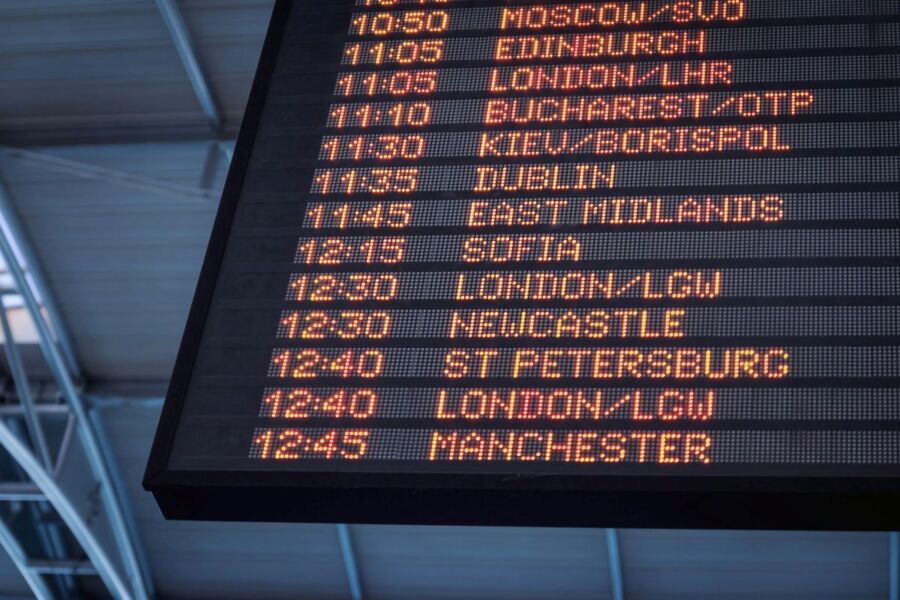
Edinburgh Airport is about 8 miles west of the city centre, and there are a few solid ways to get into town. The trip takes anywhere from 20 to 40 minutes, depending on your transport choice and the day’s traffic.
Getting from Edinburgh Airport to the City Centre
The Airlink 100 is probably your best bet if you’re keeping an eye on costs. Lothian Bus runs it every 10 minutes during the day, and a single ticket is about £6. The bus goes 24/7, so it’s a lifesaver for late arrivals or early departures. It drops you at Waverley Bridge, right in the middle of everything.
The tram’s another good option. It’s a bit pricier at about £7.90 for a single and takes around 35 minutes. It stops at handy places like Haymarket and Princes Street. Just keep in mind—the last tram leaves the airport at about 10:52pm, so plan ahead if you land late.
If you just want to get in a taxi and be done with it, the rank is right outside the terminal. Expect to pay anywhere from £35 to £65 depending on where you’re headed and the time of day. City Cabs and Central Taxis both operate from the airport, and cards are fine everywhere now.
Choosing Between Bus, Tram, and Taxi

It really comes down to three things: your budget, how much luggage you’re dragging along, and the time of day.
The Airlink 100 wins for price and runs all night, so it’s ideal if you’re solo or coming in at a weird hour. The buses have decent luggage space underneath. There’s also the Skylink 200 to Ocean Terminal and the Skylink 400 to Fort Kinnaird—these might actually get you closer to your accommodation, depending on where you’re staying.
Trams are perfect if you want a smooth ride and don’t want to worry about traffic. They’re roomy, with proper spots for luggage, so you’re not wrestling a suitcase down the aisle. That 10:52pm cutoff is a bit of a pain, though.
Taxis are the way to go if you’re with a group or hauling a lot of bags. Split four ways, that £40-50 fare suddenly feels reasonable. Plus, you get dropped right at your door.
Luggage, Accessibility, and Timetables
Both Airlink buses and trams handle regular suitcases easily. The Airlink has storage bays under the bus, and trams have designated spots inside so you can keep an eye on your stuff.
During rush hour (about 7:30-9:30am and 4-6:30pm), everything slows down. The bus can get stuck, but the tram usually keeps moving. Early on a Sunday? You’ll cruise into town in 20 minutes, no problem.
You can buy tickets at the airport machines, through the Lothian Bus app, or from the driver (though they’d rather you didn’t). Tram machines only take cards, so have yours handy. Honestly, buying ahead through KAYAK when you book your transport saves you standing around at the machine when all you want is to get going.
Taxis, Ride-Sharing, and Private Cars
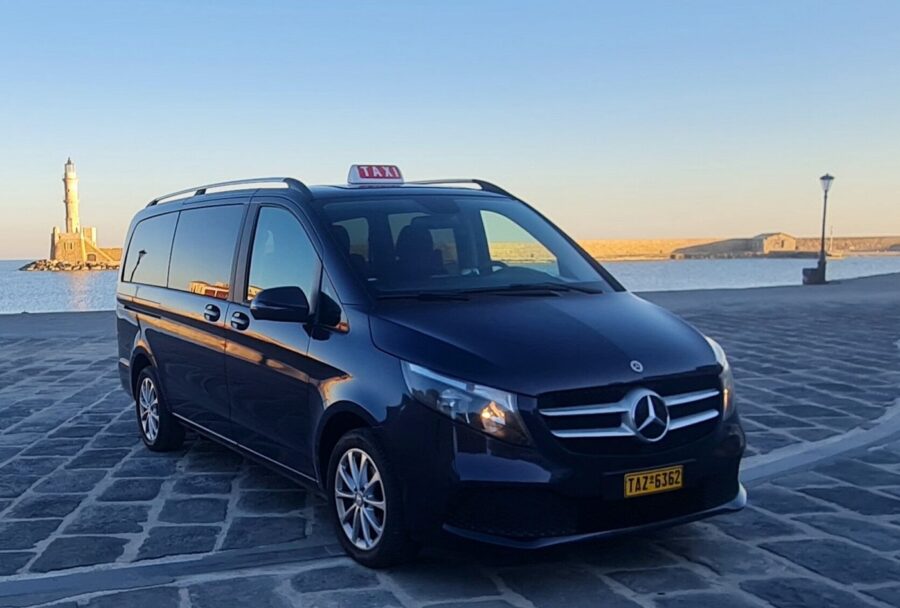
Edinburgh’s got loads of options for private rides, from classic black cabs to the usual app-based services. Prices are competitive and service is reliable, but each choice has its quirks.
Black Cabs vs. Private Hire
Black cabs are those iconic taxis you’ll spot all over Edinburgh. More than 1,000 work the streets, and you can hail one if the light’s on or find them at ranks on Market Street, South St Andrew Street, and Lothian Road.
Central Taxis (0131 229 2468) and City Cabs (0131 228 1211) are the main black cab companies. You can pre-book or just flag one down. Most fit up to 5 passengers and are wheelchair accessible, though a few drivers have medical exemption certificates.
Private hire cars are different. You can’t hail them—they need to be booked through an app or by calling ahead. The upside? They’re often cheaper than black cabs, especially for longer rides.
Key Differences:
| Feature | Black Cabs | Private Hire |
|---|---|---|
| Street hailing | Yes | No |
| Pre-booking | Optional | Required |
| Fare structure | Metered | Fixed or quoted |
| Vehicle type | Standard taxi | Various cars |
App-Based Rides and Fares
Uber and Bolt both run in Edinburgh now, which really changed the game. You book through the app, pay automatically, and track your driver. No cash, no awkward haggling.
TapTapCap is another option, and it’s local—works a lot like Uber but focuses on Edinburgh and Scotland.
Black cab fares start around £3 and go up based on distance and time. App rides usually cost less, but prices jump during busy times, like Friday nights or big events at Murrayfield.
Honestly, Uber and Bolt are usually 20-30% cheaper than traditional taxis for the same trip, but sometimes there just aren’t many cars around—especially early mornings or late nights. Black cabs are more reliable when it’s quiet out.
Tips for Hailing and Booking Taxis
Look for the roof light on black cabs—if it’s on, they’re free. Just wave them down. Drivers expect it here.
At taxi ranks, it’s first-come, first-served. Don’t skip ahead to a cab further back; the first in line is yours. You’ll find big ranks outside Waverley Station, near hotels on Princes Street, and at the airport.
When using apps, always check the car and plate match what’s on your phone before you get in. It’s a basic safety thing, takes two seconds. If you’re hauling bags and need to stash them before your ride, luggage storage near the main stations is a lifesaver.
Airport taxis have their own rank right outside the terminal—ignore anyone inside the building offering rides. Just head straight outside.
Cycling and Alternative Transport
Edinburgh’s cycling scene opens up scenic routes beyond the city center, and things like taxis or bike-sharing schemes fill in the gaps when you need them.
National Cycle Network and Popular Bike Routes
The National Cycle Network’s routes 1 and 75 cut right through Edinburgh, connecting you to longer journeys across Scotland. But honestly, the best cycling experiences are on the city’s local paths that wind along rivers and old railway lines.
The Water of Leith Walkway stretches 12 miles from the center through Dean Village out to Leith. It’s mostly flat, follows the river, and is perfect for easy rides. You pass old mills and hidden neighborhoods most visitors miss.
Popular cycling routes:
- Innocent Railway Path (traffic-free, links to Holyrood Park)
- Roseburn Path (heads west from the center)
- Portobello Promenade (coastal ride to Portobello Beach)
Safe Cycling Tips for Edinburgh Streets
Edinburgh’s cobblestones are rough, especially in the rain. The Royal Mile and Old Town aren’t great for bikes—narrow, packed, and those cobbles will rattle you to bits.
Stick to cycle lanes when you can. Lothian Road and George Street have good bike infrastructure, but be alert at junctions. Buses are your main hazard since they share the lanes. Give them space and don’t try to squeeze by at stops.
Always use lights after dark. In winter, it’s dark by 4 PM, and the city’s tunnels and tree-lined paths can be gloomy even during the day. Police do ticket cyclists without lights, and honestly, it’s just safer for everyone.
Exploring Suburbs and Attractions by Bike
Getting to Portobello Beach by bike takes about 25 minutes from the center via the promenade. You can lock up near the beach and grab some fish and chips—it’s a classic Edinburgh afternoon that tourists often skip because they think it’s too far.
Holyrood Park allows cycling on certain routes, though not everywhere. You can ride around Arthur’s Seat (but not up it), which gives you different views of the hill. Best done early, before walkers fill the paths.
Dean Village is just 10 minutes by bike from Princes Street, down in a valley that feels miles from the city. The descent is steep but doable, and the old buildings are perfect for photos. Just Eat Cycles stations are everywhere, so you don’t even need your own bike to explore properly.
Frequently Asked Questions
Getting around Edinburgh can be a puzzle for first-time visitors. Whether you’re hunting for the best ticket deals or wondering if you even need public transport, these answers should help you move through the city with a bit more confidence—and maybe even some local savvy.
What tips can enhance the experience of exploring Edinburgh via public transport?
Grab the Bus u0026amp; Tram App before you arrive so you can check real-time arrivals and plan your routes without fumbling at the bus stop. If you download an Edinburgh map ahead of time, the app still lets you plan routes offline, but you’ll need data for live updates.u003cbru003eu003cbru003eStick with the same contactless card for every ride. The u003ca href=u0022https://www.realjourneytravels.com/tours/big-bus-hop-on-hop-off-bus-tour-of-prague-2/u0022u003eTapTapCapu003c/au003e system caps your daily spend at £5 for adults, so switching cards just means you’ll pay more than you need to.u003cbru003eu003cbru003eKeep an eye out for USB chargers at bus stops on Princes Street and between seats on newer buses. Your phone battery drains fast when you’re always checking maps and snapping photos, so those chargers can be a real lifesaver.u003cbru003eu003cbru003eNewer buses call out stops automatically, but if yours doesn’t, just watch the digital display or use your phone’s GPS to track your stop. Missing your stop in Edinburgh isn’t the end of the world, but it’s still annoying.
What are the best ticket options for visitors using Edinburgh’s public transit system?
A u003ca href=u0022https://www.realjourneytravels.com/tours/city-sightseeing-hop-on-hop-off-bus-tour-of-london-2/u0022u003eDay Ticketu003c/au003e is a solid choice if you’ll take at least three bus or tram trips in one day. For £5.50, you get unlimited rides on Lothian City buses and trams in the city zone.u003cbru003eIf you’re using contactless, TapTapCap is even handier. Each single trip costs £2.20, but after you hit £5 in a day, every ride after that is free for the rest of the day.u003cbru003eu003cbru003eHeading out of town—say, to North Berwick or Livingston? The City u0026amp; Country Day Ticket costs £8.80 and covers East Coast Buses and Lothian Country routes. The TapTapCap version knocks it down to £8.50.u003cbru003eu003cbru003eIf you want to sort everything in advance, buy u003ca href=u0022https://www.realjourneytravels.com/tours/city-sightseeing-hop-on-hop-off-bus-tour-of-bournemouth/u0022u003em-ticketsu003c/au003e through the app. They’re digital, valid for 180 days before you activate them, and you can buy them when you’ve got decent wifi at your hotel or Airbnb.
What alternatives exist to traditional taxis that are budget-friendly for getting around Edinburgh?
Voi e-bikes are scattered all over the city and cost way less than a taxi for short hops. Just download the Voi app, add your payment info, and you’re good to go—the whole setup takes maybe a minute.u003cbru003eu003cbru003eHonestly, walking is the cheapest and often the most enjoyable way to get around central Edinburgh. The Royal Mile, Princes Street, and most of the main sights are within 20 minutes’ walk of each other.u003cbru003eu003cbru003eThe u003ca href=u0022https://www.realjourneytravels.com/tours/city-sightseeing-hop-on-hop-off-bus-tour-of-inverness/u0022u003ebus systemu003c/au003e charges just £2.20 for a single journey, which beats any taxi fare by a mile. Even with a group, splitting a taxi rarely works out cheaper than everyone grabbing their own bus ticket.u003cbru003eu003cbru003eNight buses keep running after regular service ends, and they’re £3.50 per ride. It’s still a lot less than a taxi home after a late show, though the routes are more limited at night.
Is Edinburgh well-equipped for tourists preferring to walk instead of taking public transport?
Edinburgh’s compact layout makes walking the easiest way to see the main sights. You can get from Edinburgh Castle to Holyrood Palace in about 25 minutes, passing loads of attractions along the way.u003cbru003eu003cbru003eThe city’s pretty hilly, though. Climbing up to Arthur’s Seat or wandering the slopes around the Old Town will leave you a bit breathless if you’re not used to hills.u003cbru003eCobblestones cover a lot of the Old Town, which looks charming but can be tough on your feet. Seriously, wear shoes with good support—fashion sneakers or sandals won’t cut it here.u003cbru003eu003cbru003eWatch out for uneven ground and random steps, especially in the historic areas. The old streets weren’t exactly built with accessibility in mind, so you’ll want to pay attention to where you’re walking.
How can visitors optimally use passes for public transit when sightseeing in Edinburgh?
Activate your Day Ticket or m-ticket right before you hop on your first bus or tram of the day. These tickets expire at the end of service, not 24 hours after activation, so starting early really gets you the most bang for your buck.u003cbru003eu003cbru003eIf you’re using a City u0026amp; Country Day Ticket, start with your furthest destination. Heading out to North Berwick or some other far-off spot eats up time, so it’s smart to do those journeys while you’re still energized and have the whole day ahead.u003cbru003eu003cbru003eThe Network Day Ticket (£12.50) covers both day and night rides across the whole Lothian network. It’s a solid choice if you plan to sightsee all day and then hit up some evening events after regular buses stop running.
Keep your activated m-ticket open on your phone—don’t bother closing the app. You won’t need the internet to show it, and having it ready just makes boarding smoother when your bus rolls up.