Full-Day Sidecar Tour of the Loire Valley from Tours vs Full Day Tour of Chambord and Chenonceau from Tours: Which Tour Is Better?
Updated May 14, 2026
Choosing between a full day sidecar tour of the Loire Valley and a full day tour of Chambord and Chenonceau from Tours presents two distinct ways to experience France’s famous château country. Both tours depart from the city of Tours, but they offer radically different perspectives on the region.
Your choice depends entirely on what you want from your day: an immersive, open-air adventure focused on the journey, or a focused, in-depth exploration of two of the Loire’s most iconic architectural masterpieces. This comparison breaks down the practical details of each option to help you decide which tour aligns with your travel style.
Table of Contents
Defining the Two Tour Experiences
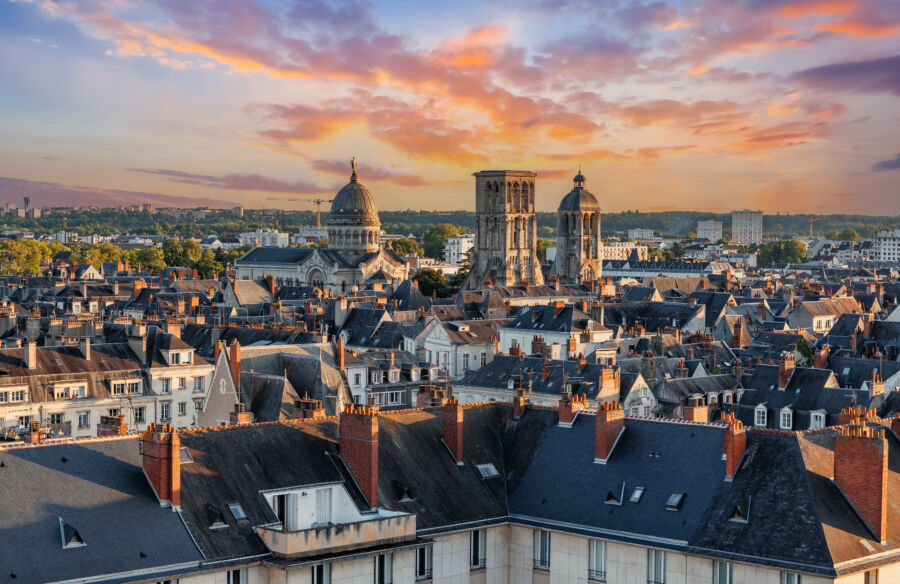
A full day sidecar tour of the Loire Valley is an experience centered on the thrill of the ride. You travel on the back of a vintage-style motorcycle sidecar, driven by a professional guide.
This tour emphasizes the sensory experience of the French countryside—the smell of the air, the wind, and the feeling of moving through the landscape. You will see multiple châteaux from the outside and make several stops at viewpoints and smaller villages. The pace is dynamic, and the focus is on the overall journey along the Loire River, not on spending hours inside any single castle.
In contrast, a full-day tour of Chambord and Chenonceau is a more traditional sightseeing excursion. You typically travel by van or minibus with a small group.
The entire day is structured around in-depth visits to these two specific, monumental châteaux. You will purchase entrance tickets, receive guided tours or audio guides inside the buildings, and have time to explore their extensive formal gardens.
This tour is a deep dive into Renaissance history, architecture, and art. The journey between sites is simply transportation, not the main event.
Itinerary and Key Stops: Sidecar Tour

The itinerary for a sidecar tour is flexible and often customized based on your interests and the weather. You meet your guide in Tours, usually near the Tours Cathedral or the main tourist office.
The route typically heads east along the Loire River, following scenic roads like the D751. You will not go inside the largest châteaux like Chambord due to time constraints and the logistics of helmets and riding gear. Instead, you see their impressive exteriors from strategic vantage points.
Common stops include the Château de Villandry, famous for its elaborate Renaissance gardens that are spectacular even from outside the walls. You will also likely visit the Château d’Azay-le-Rideau, which appears to rise directly from the water of the Indre River.
The tour includes breaks in charming towns like Amboise, where you can see the castle and have a coffee, or in smaller villages like Cande-sur-Beuvron. The guide provides commentary through an intercom system in your helmet. The day concludes with a return ride to Tours.
Itinerary and Key Stops: Chambord and Chenonceau Tour
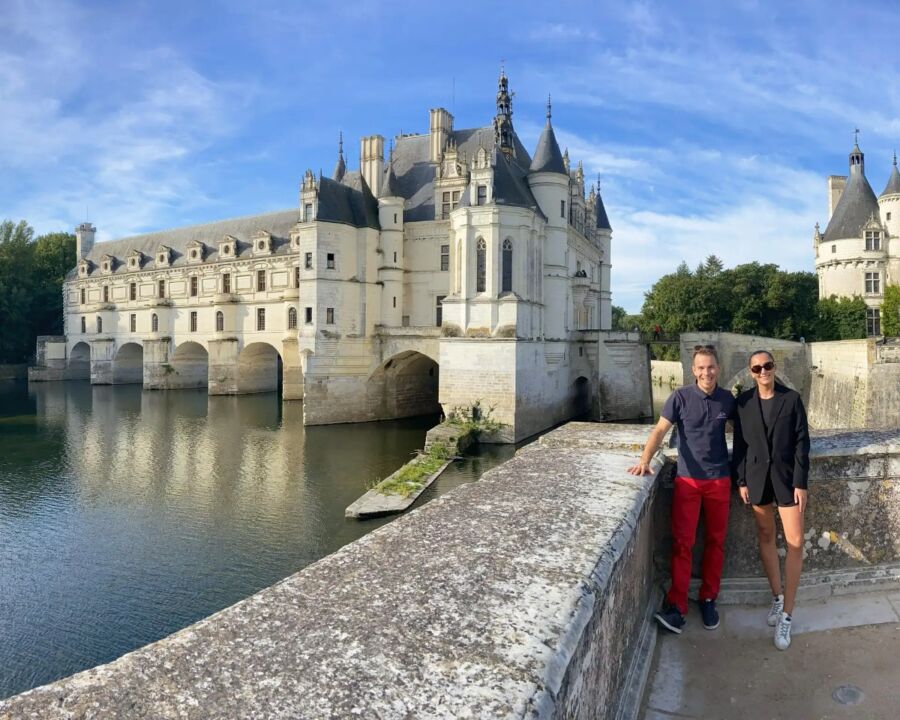
This tour has a fixed and packed itinerary focused on two UNESCO World Heritage sites. The day begins with a morning departure from a central location in Tours.
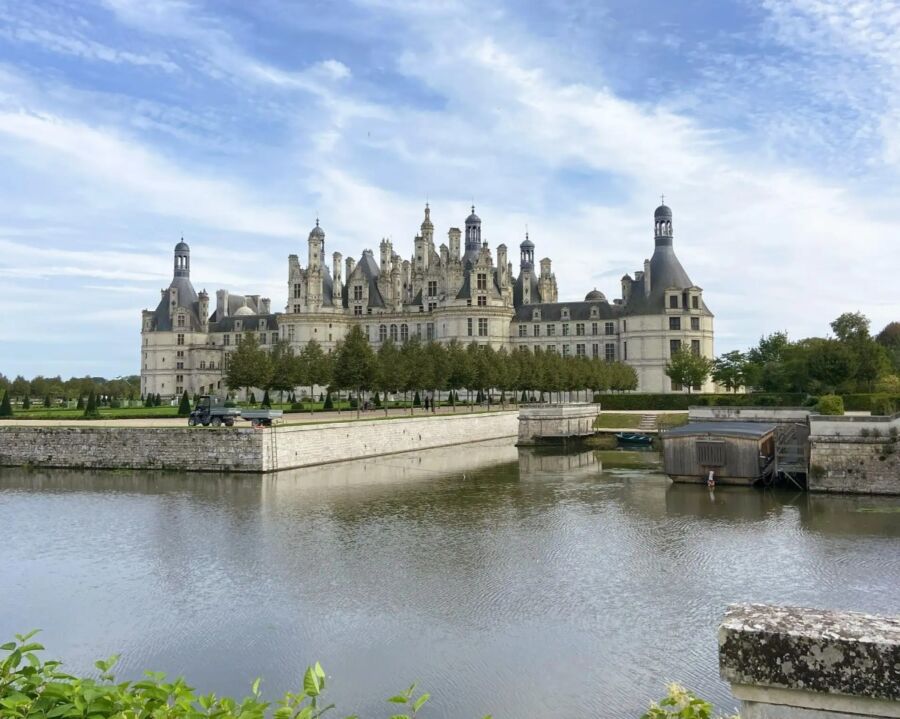
The first stop is typically the Château de Chambord, the largest château in the Loire Valley. The drive from Tours to Chambord takes about 45 minutes.
Here, you spend approximately 2.5 to 3 hours. You explore the double-helix staircase attributed to Leonardo da Vinci, the vast rooftop terraces with their forest of chimneys, and the surrounding parkland.
After Chambord, you have a lunch break, often in a nearby village. The tour then continues to the Château de Chenonceau, which is about a 40-minute drive from Chambord.
You spend another 2.5 to 3 hours here. Chenonceau is unique for its gallery that bridges the Cher River.
You tour the lavishly furnished interiors, including the kitchens in the piers, and walk through the two contrasting gardens: the Garden of Diane de Poitiers and the Garden of Catherine de’ Medici. The tour returns to Tours in the late afternoon.
Travel Style and Pace

The sidecar tour is an active, exposed, and adventurous experience. You are outdoors for the majority of the day. The pace is brisk but includes regular stops for photos and short walks.
It requires a moderate level of physical mobility to get in and out of the sidecar. This tour is less about quiet contemplation and more about the exhilaration of discovery.
Conversation with your guide is limited to the stops due to the helmets and engine noise. You need to dress appropriately for the weather, as there is no climate-controlled cabin.
The Chambord and Chenonceau tour is a conventional, structured group tour. The pace is deliberate, with long periods spent walking through castles and gardens. It is primarily an indoor and pedestrian activity.
Travel between sites is spent seated comfortably in a vehicle. This style suits travelers who prefer a curated, educational experience with a guide explaining historical context.
It involves a significant amount of standing and walking on stone floors, so comfortable shoes are essential. The social dynamic is different, as you interact with a small group of other tourists throughout the day.
Cost and What’s Included
A full-day sidecar tour is a premium, private experience. Prices are per sidecar (which typically seats one or two passengers) and often start around €250-€400 for the day.
This fee includes the private guide, the rental of helmets and jackets, and all fuel costs. It does not include entrance fees to any châteaux you may decide to enter, lunch, or personal expenses. You must book this tour well in advance, especially during peak season, as availability is limited to a few sidecars per operator.
The Chambord and Chenonceau tour is a group tour, so the cost per person is lower, generally ranging from €90-€150 per person. This price almost always includes tran sportation in an air-conditioned vehicle and the services of a professional driver/guide.
Crucially, you must check if the tour price includes the entrance tickets to the two châteaux, as this can add over €30 per person to your cost if not included. Lunch is typically not included, though the guide will recommend a place for you to eat. These tours run regularly and have more availability, but booking a day or two ahead is still advised.
Ideal Traveler for Each Tour
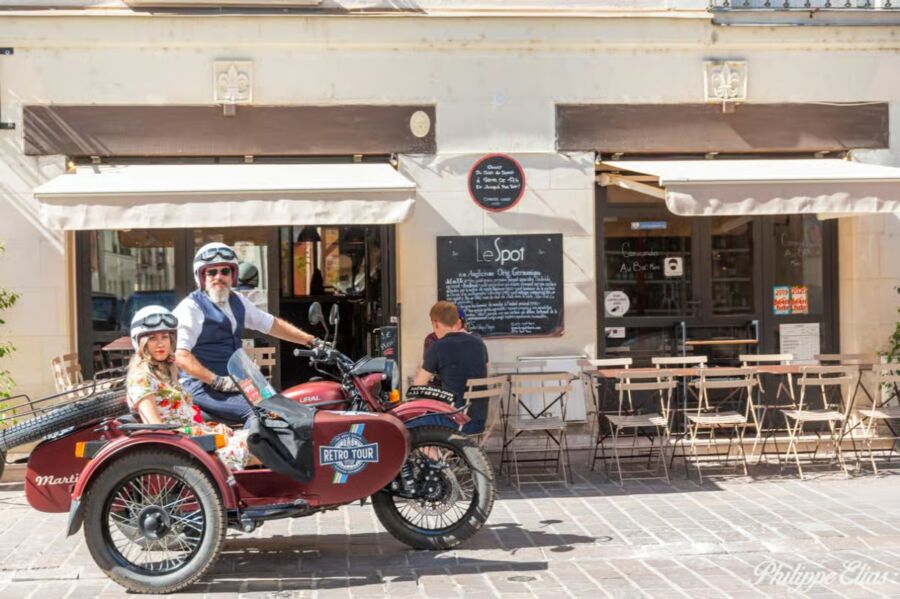
Choose the sidecar tour if you crave a unique and memorable adventure. It is perfect for couples, solo travelers seeking excitement, or anyone who has already visited the interior of major châteaux and wants a different perspective.
This tour suits those who are comfortable on two wheels and do not mind being exposed to the elements. It is not ideal for very young children, individuals with back or neck problems, or travelers whose primary goal is to see the interior decor and art collections of the famous castles.
Choose the Chambord and Chenonceau tour if your priority is to thoroughly visit two of the most important châteaux in one efficient day. This tour is excellent for first-time visitors to the Loire Valley, history enthusiasts, architecture lovers, and photographers.
It works well for most age groups and mobility levels, though the amount of walking should be considered. It is a logical choice for travelers who prefer the convenience of a pre-organized group tour and want to maximize their sightseeing time inside the region’s top attractions.
Logistics and Practical Tips

For the sidecar tour, pack light. You will have a small storage compartment, but large bags are not possible. Wear closed-toe shoes, sunglasses, and layers.
Even in summer, the ride can be cool. Apply sunscreen to any exposed skin.
The operator will provide a helmet and often a classic aviator jacket to wear over your clothes. Confirm the meeting point in Tours precisely, as it may not be at a standard hotel pickup location.
For the Chambord and Chenonceau tour, book your tickets online in advance to secure your spot and potentially skip the line at the châteaux. Wear the most comfortable walking shoes you own.
Bring a bottle of water and a rain jacket, as you will be outside walking between the parking areas and the châteaux entrances. Have cash or a card ready for lunch and any souvenirs. Be punctual at the meeting point and for the return times to the vehicle, as the schedule is tight.