

Last modified August 17, 2026
Let’s be real: picking between a cruise and an all-inclusive resort isn’t rocket science. If you want to wake up somewhere new every day, go for a cruise — but if you’re all about staying in one gorgeous place and letting go, a resort is probably your vibe.
Both options bundle up meals, activities, and entertainment for one price, which makes budgeting a whole lot easier. But once you’re there, the two experiences feel worlds apart.
I’ve hopped on more cruises and checked into more resorts than I can count, and honestly, they couldn’t be more different. On a cruise, you’re chasing new horizons every morning, splitting your time between sea days and adventures in port.
At a resort, you just unpack, settle in, and let the days blur together—no schedules, no rushing. That’s a kind of freedom you can’t always get at sea.
Key Takeaways
- Cruises take you to multiple destinations; resorts keep you rooted in one spot
- Both wrap food, drinks, and activities into the price, but the atmosphere is different
- It all comes down to your travel style and what you want out of your vacation
Cruise vs All-Inclusive Resort: Key Differences
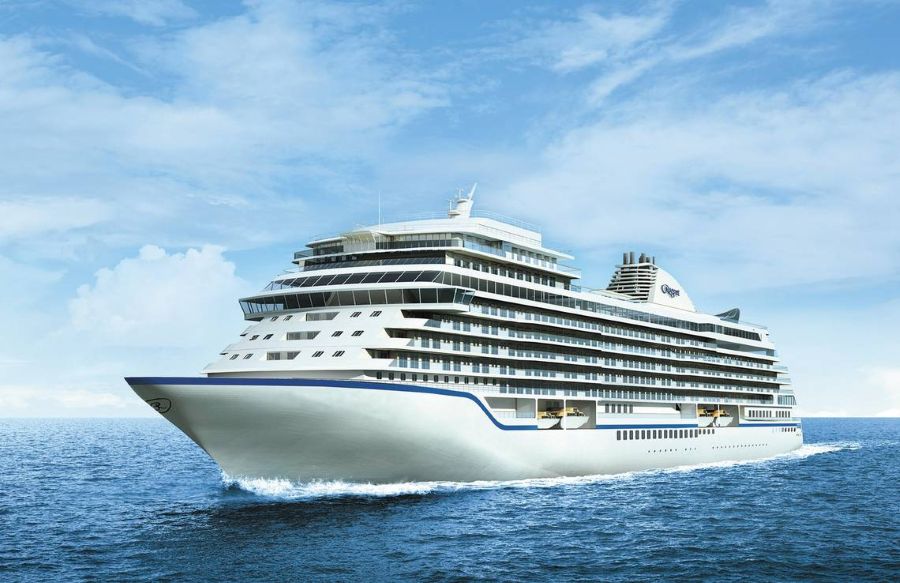
Both cruises and all-inclusive resorts promise stress-free vacations, but they deliver in totally different ways. Your choice depends on what you want to do, where you want to go, and what kind of space you want to relax in.
Vacation Style and Atmosphere
Cruises run on schedules. Meals have set times, shows start sharp, and you’ve got to be back on board before the ship leaves port. You’re sharing the ship with thousands of people, so there’s always something buzzing somewhere.
Resorts let you set your own pace. Sleep in and eat breakfast at noon, or just laze by the pool all day. No one’s going to rush you. You unpack once and that’s it—no living out of a suitcase.
Location and Mobility
Cruises are pretty much floating resorts. You might go to bed in one country and wake up in another. It’s an easy way to see a bunch of places without the hassle of booking hotels or flights.
But here’s the catch: you only get a few hours in each port. So if you stumble on that perfect beach or café, you can’t just stay longer. The ship waits for no one.
Resorts don’t move. You get to know the area, maybe wander into town, or find your favorite local spot. You won’t see as many places, but you can dig deeper into the culture and surroundings.
Accommodation Types
Cruise cabins are cozy—sometimes that’s code for “small,” but they use the space smartly. Even the suites can feel tight compared to hotel rooms, though a balcony can make a world of difference.
Resort rooms usually give you more space. Think private terraces, roomy bathrooms, maybe even a little living area. Villas and bungalows step up the privacy, which is tough to find on a ship.
If you crave space and a homier feel, resorts take the prize. But if you love the idea of waking up somewhere new, a cruise cabin can be surprisingly comfy—especially if you’re not spending much time in your room anyway.
Cost Breakdown and Hidden Fees

Sticker prices can be deceiving. All those “extras” — service charges, upgrades, random add-ons — can sneak up fast. If you know where those hidden costs lurk, you’ll keep your budget in check.
Cruise Fares and Extra Charges
Cruise fares usually cover your cabin, most meals, and some entertainment. But let’s be honest, the base price rarely tells the whole story. Specialty restaurants, booze, Wi-Fi, and shore excursions? Those cost extra.
Some lines bundle perks, but you’ll pay more upfront. Drink packages alone can run $60–$100 per person, per day. Do the math for a week, and suddenly you’re not saving as much as you thought.
Port fees and taxes? Those show up on your bill too, and they’re rarely included in the fare. Sometimes it’s a few hundred bucks per person. And if you want to explore ports with tours or excursions, that’s another chunk of change.
It helps to jot down what you’ll use onboard, so you’re not shelling out for stuff you don’t care about. That goes for spa days or travel gear you might buy before you even set sail.
All-Inclusive Resort Pricing
Most all-inclusive resorts roll your room, meals, drinks, and a bunch of activities into one price. That makes it way easier to stick to a budget—no need to pull out your wallet for every cocktail.
But watch out—some stuff isn’t included. Spa treatments, top-shelf liquor, off-resort adventures, and private dinners usually cost extra. Some places even charge for things like jet skis or airport transfers.
Prices can spike during holidays and school breaks. The same room might cost way more depending on when you go. If you’re flexible, the shoulder season can save you a bundle without sacrificing sunshine.
Also, check how they price guests. Many all-inclusives charge per person, not per room, so double-check before you book.
Tipping and Gratuities
Cruises tack daily gratuities onto your bill—usually $14–$20 per person, per day—to cover the crew. A few luxury lines include it, but most don’t. You can adjust the amount at guest services, but almost nobody removes it completely.
Resorts are all over the map with tipping. Some have a strict no-tipping policy, while others expect you to tip bartenders and housekeepers. Even if it’s not “required,” a few bucks here and there seriously boost your service.
If you’re heading abroad, bring small bills in the local currency so you don’t get hit with ATM fees. And don’t forget: tips for excursions, spa staff, and drivers are almost always separate—no matter where you’re staying.
For longer trips, I always set aside a little “tips and extras” stash, just like I do for travel insurance. It’s a lifesaver when the final bill rolls around.
See Related: What to Pack for a Cruise: The Ultimate 2025 Checklist for Savvy Travelers
Dining, Drinks, and Culinary Experiences
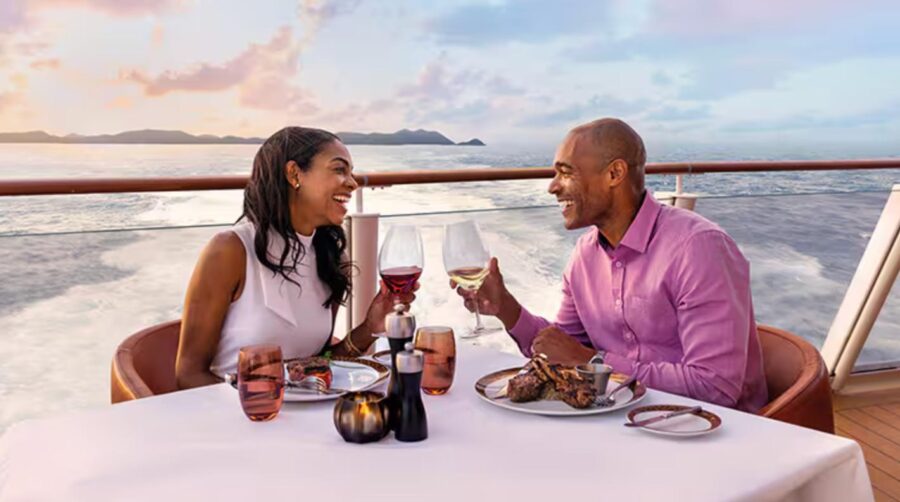
Food and drinks can make or break a trip. Whether you’re on land or at sea, how meals work—what’s included, what costs extra, and how much variety you get—can set the whole tone. Even little things, like whether you have to pay for your morning coffee, can catch you off guard.
What’s Included at Sea
Most cruise fares get you access to plenty of food. There’s almost always a buffet, at least one main dining room, and casual spots for snacks. Soft drinks, basic coffee, tea, and water are usually free, but soda and booze? Unless you have a drink package, get ready to pay.
Some premium and luxury lines toss in wine and cocktails. I’ve sailed on ships where wine flowed freely at dinner, and others where even a Coke was a splurge. Always double-check before booking.
Themed nights, midnight buffets, and poolside BBQs break up the routine. Sometimes you’ll get to try local dishes inspired by the ports, which is a nice touch.
Resort Food and Beverage Options
At an all-inclusive resort, meals and drinks are usually unlimited. That means you can grab breakfast at the buffet, hit up an à la carte spot for dinner, and snack whenever you want—no bill at the end.
Most resorts include unlimited alcoholic drinks, from beer to cocktails. If you love sipping something cold by the pool, this can be a huge perk.
But not all resorts are created equal. Some have lots of restaurants and cuisines; others just rotate menus in the same dining hall. I’ve had “Italian” at a resort that tasted like the same pasta from the buffet—just with a fancier plate.
Themed nights—like beach BBQs or seafood feasts—can be a highlight if you like variety without ever leaving the property.
Specialty Restaurants and Upgrades
Both cruises and resorts tempt you with specialty dining for an extra fee. On ships, think steakhouses, sushi bars, or chef’s table dinners. Prices range from $20 to $75 per person, but honestly, the experience feels way more special than the main dining room.
Resorts may have fine-dining spots that need reservations. Sometimes they’re included; sometimes you’ll pay extra—especially for premium seafood or imported steaks. A lot of resorts limit how many times you can book these, so plan.
If food is a big part of your trip, these upgrades can be worth it. Just book early—prime spots fill up fast, and unless you love eating late, you don’t want to get stuck with the 9:30 p.m. slot.
Activities, Entertainment, and Relaxation

Your trip can feel different depending on whether you’re at sea or on land. The entertainment, the way you spend your days, and even how you unwind all shape your experience.
Onboard Entertainment and Shows
Cruise ships bring it when it comes to entertainment. You’ll find theaters with full-scale musicals, comedians, and live music every night. Some ships even have ice rinks, planetariums, or movie nights under the stars.
The best part? You can wander from dinner straight into a show, all under one roof.
I’ve caught jazz trios in the lounge while a Broadway-style show played in the main theater—both free. If you’re feeling social, there’s trivia, karaoke, or themed parties happening somewhere.
At resorts, entertainment usually means cultural performances, live bands, or smaller evening shows. It’s less about spectacle and more about winding down after dinner.
Water Sports and Snorkeling
If you love being in the water, both options deliver—but not in the same way. Resorts often give you direct beach access, so you can grab a kayak, paddleboard, or snorkel gear whenever you feel like it. Most of the time, it’s included.
On cruises, you get your water fix during port stops. Maybe you’ll book a snorkeling trip or rent jet skis for a few hours. The downside? You’re always watching the clock, so it can feel a bit rushed.
I once snorkeled every morning at a resort in Cozumel—total heaven. On a cruise, I squeezed snorkeling into a half-day stop, and honestly, I wanted more time in the water. If water time is a big deal for you, this matters.
Spa Treatments and Wellness
Cruise ship spas can be surprisingly luxe, with ocean views, massages, and facials. But treatments usually cost a pretty penny, and the best deals pop up on port days when the spa is less busy.
Resorts tend to have bigger spas, sometimes with outdoor treatment rooms where you can hear the waves. You often get access to saunas, steam rooms, and yoga classes without extra fees.
From what I’ve seen, resorts are just better for slow, lazy wellness days. Book a massage in the morning, nap in a hammock, then catch a sunset meditation class. On a cruise, spa time usually gets squeezed between activities or port stops, which can make it feel a little less relaxing.
See Related: Travel Beauty Essentials: Must-Have Products for Summer 2025
Destinations, Excursions, and Itineraries
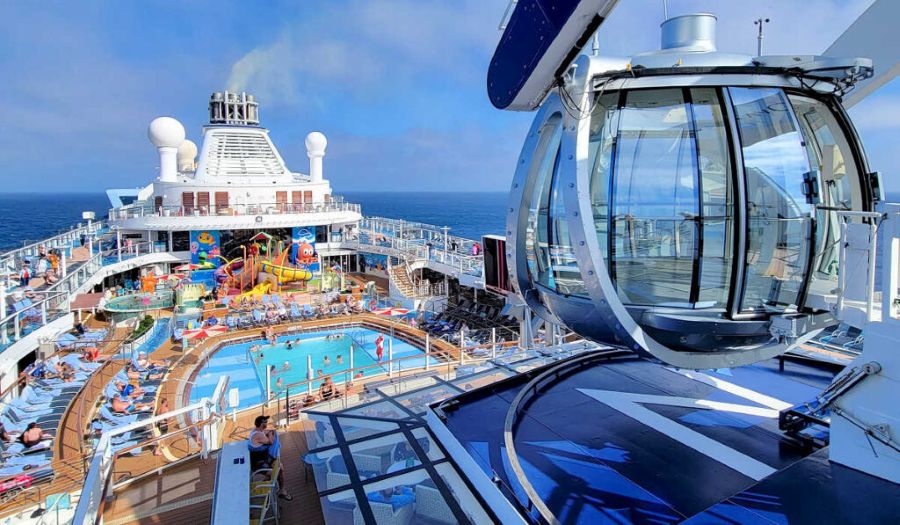
How you travel shapes your whole experience. Some vacations wake you up somewhere new each morning, while others let you sink into one place and get to know it inside out. The way you fill your days—and how much you’re on the move—will change the kind of stories you’ll tell later.
Cruise Ports and Shore Excursions
Cruise ships pull into a wild mix of places: sprawling cities, sleepy islands, and even those tiny, out-of-the-way coastal villages you’d never find otherwise. One morning, you might stroll down cobblestone streets in a centuries-old port, and by afternoon, you’re snorkeling above a reef that looks like a screensaver.
Most ports tempt you with a lineup of shore excursions—think guided tours, adventure sports, or hands-on cultural stuff. There’s everything from cooking with locals to zip-lining through the jungle. You can book through the cruise line, but honestly, I usually check sites like Book Sightseeing Tours for more options and flexibility.
Your time ashore is short—usually just a few hours—so you have to plan. Miss the boarding time, and the ship sails without you (yep, I’ve seen it happen). That’s why a lot of folks stick with excursions that promise to get you back on time.
Resort-Based Excursions
At an all-inclusive, you’re rooted in one spot, and day trips are just icing on the cake. It’s a lot easier to truly relax when you’re not constantly checking your watch or worrying about missing a departure.
Local excursions might mean a boat cruise, cultural tours, or exploring natural landmarks. Resorts often team up with tour companies, so you can just walk out the door and start your adventure. Maybe you’ll hit up a market in the morning and be back at the swim-up bar by noon.
Because you’re not racing a ship, you can linger longer wherever you go. Booking through platforms like Day Trips lets you decide how fast or slow your day unfolds, which is a lifesaver if you hate rushing.
Cruise Itineraries and Flexibility
Cruise itineraries lock in months ahead, often stringing together several countries or regions on one trip. If you want to sample lots of places without the hassle of arranging transport between them, it’s a dream.
But you trade away flexibility. You can’t just stay longer in a port that steals your heart. Weather, port schedules, and the ship’s plans keep you on a tight leash.
Sea days, though, break up the sightseeing with downtime—perfect for recharging or checking out onboard fun. If you get antsy in one place, the constant motion of a cruise can be energizing. But if you like settling in and going deep, a resort shines.
Convenience, Accessibility, and Travel Logistics

Getting to your vacation spot can set the tone for your whole trip. Travel time, how you get there, and all the little logistics—these things matter more than you’d think. Even details like how you handle your bags or how long you wait for a transfer can make or break your mood.
Transportation to Cruises
If you live near a cruise port, you’re lucky—you can just drive, park, and skip the airport drama. Ports like Miami, Fort Lauderdale, Galveston, and LA give you plenty of options, sometimes without needing a flight at all.
But if you’re not local, you’ll probably need to fly. I always recommend arriving the day before, just in case. Using a tool like KAYAK helps you find flights that fit your schedule (and wallet).
Once you’re in the port city, you’ve got to get to the terminal. Some cruise lines run shuttles, but I usually grab a taxi or rideshare—it’s faster. If you have time to kill, stash your bags with luggage storage and explore a bit instead of babysitting your suitcase.
Getting to All-Inclusive Resorts
Most all-inclusives cluster in places like Mexico, the Caribbean, or Central America, so for many, it means an international flight. That adds a layer—passports, customs, sometimes even a visa.
Airports in these places can get swamped at immigration, so build in extra time. Some resorts throw in private transfers, which is amazing after a long flight. Others leave you to figure it out, which isn’t always ideal after a red-eye.
Ease of Planning and Booking
Booking a cruise can be pretty straightforward, but you’ll still pick your cabin, dining times, and excursions. Extras like drink packages and Wi-Fi? They’re usually not included, so watch your budget.
All-inclusives bundle most things—meals, drinks, entertainment—into one price, so you can just show up and relax. Still, ask what’s included so you’re not surprised by extra charges for spa treatments or fancy activities.
Booking early usually scores you better rooms and prices. Sites like Expedia can bundle flights, hotels, and transfers, which saves time (and sometimes cash). Less time on logistics means more time daydreaming about your trip—always a win.
See Related: Irresistibly Useful Vacation Tips to Transform Your Next Trip
Choosing the Right Experience for Your Needs
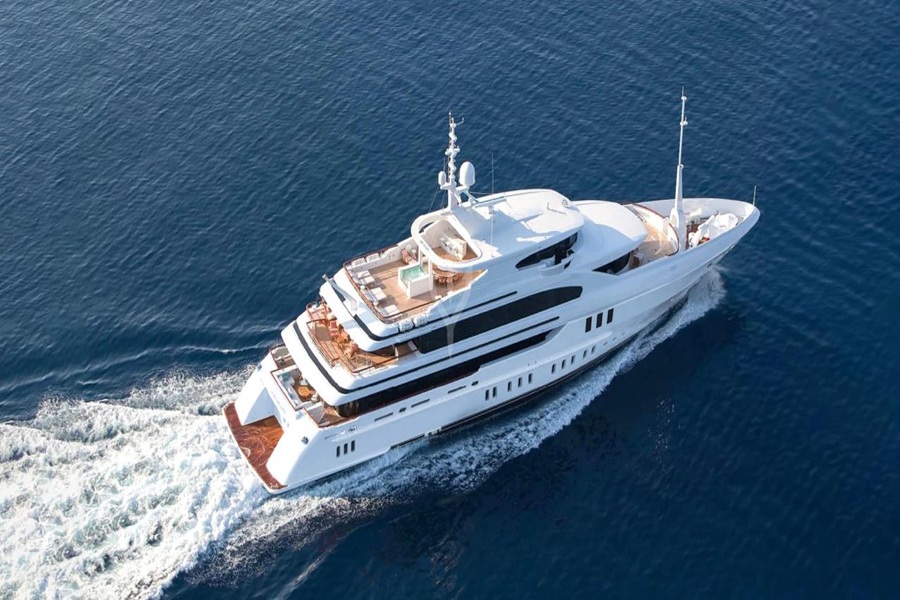
The best choice depends on how you like to spend your days, who’s coming with you, and how much freedom you want in your schedule. Some trips keep you moving and serve up endless variety; others let you settle in and soak up one place without a rush.
Family-Friendly Options
Traveling with kids? You’ll want to see how each option caters to different ages. Big cruise lines like Royal Caribbean and Disney Cruise Line pull out all the stops—kids’ clubs, teen lounges, splashy pools, even water parks and rock climbing walls. Movie nights under the stars? Yep, they have that too.
All-inclusives can be just as tempting for families, especially if you dread packing and unpacking every few days. Resorts in Mexico and the Caribbean often have supervised kids’ programs, splash zones, and roomy family suites.
From traveling with my niece, I’ve learned that fewer transitions equal happier kids (and adults). If your crew thrives on routine, a land stay is easier. But if your kids love new adventures, a cruise keeps things fresh every single day.
Luxury and Adults-Only Choices
When you’re after peace, privacy, and a dash of indulgence, both cruises and resorts step up. Lines like Regent Seven Seas or Viking offer premium dining, spacious suites, and service that spoils you. Smaller ships mean fewer crowds, which is always a treat.
Adults-only all-inclusives—think Sandals or Excellence—focus on elevated dining, creative cocktails, and super chill vibes. Private beaches, plunge pools, and spa perks are often baked into your stay.
I’ve noticed luxury cruises deliver more variety in destinations, but resorts win for pure, uninterrupted relaxation. On a ship, you’re always moving—sometimes that’s fun, sometimes you just want to stay put.
Unique Offerings from Virgin Voyages
Virgin Voyages rewrites the cruise playbook. Their ships are 18+ only, no buffets, and all specialty dining is included. You’ll find hip restaurants, entertainment that feels more like a pop-up festival, and—believe it or not—a tattoo parlor.
They ditched the usual cruise formalities: no assigned dining, no dress codes. When I sailed with them, I loved the late-night food, and the Wi-Fi worked everywhere (and didn’t cost extra).
Frequently Asked Questions
Cruises and all-inclusives both pack your days with activities, food, and entertainment, but the vibe and pace are different. Pricing can be sneaky—what looks cheap at first might balloon once you add drinks, excursions, or tips.
What are the key differences in activities for families at cruises versus all-inclusive resorts?
On a cruise, your family gets a mix of ship-based fun—pools, slides, kids’ clubs, shows—and port days to explore new places together. It’s like a floating hotel that moves you from one adventure to the next.u003cbru003eAt an all-inclusive, you’re planted in one spot, so activities revolve around the resort: beach games, water sports, kids’ programs, and nightly shows, all with zero need to plan transport.
How does the cost comparison between a cruise and an all-inclusive resort break down?
Cruises often look cheaper upfront, but extras pile up fast. Drinks, Wi-Fi, excursions, and specialty dining can sneak up on your budget in no time.u003cbru003eAll-inclusives usually have a higher sticker price, but nearly everything—food, drinks, activities—is covered. You’ll only shell out more for spa treatments, premium tours, or the occasional off-site adventure.
Which is a more romantic option for a honeymoon, a cruise or an all-inclusive resort?
If you want to wake up somewhere new every day, cruises feel adventurous and exciting. Private balcony dinners at sea can be incredibly romantic, especially on smaller or luxury ships.u003cbru003eBut if you love lazy days and no schedule, all-inclusives win. Picture candlelit dinners on the sand, couples’ massages, and zero stress about departure times.
What are the exclusive benefits of staying at an all-inclusive resort compared to a cruise?
You’ll get more space—resort rooms usually dwarf cruise cabins. You can also try a wider range of dining options without worrying about extra fees for certain restaurants.u003cbru003eAnd you’re not tied to an itinerary. Spend the whole trip by the pool, on the beach, or exploring at your own pace—no pressure.
What types of all-inclusive amenities can I expect on a luxury cruise?
Luxury cruises often throw in airfare, transfers, premium drinks, Wi-Fi, gratuities, and excursions. Some even add pre-cruise hotel stays and laundry service.u003cbru003eYou’ll notice fewer passengers, more attentive service, and dining that feels more like a top-tier restaurant than a buffet.
How do the dining experiences differ between all-inclusive resorts and cruises?
Cruises? Oh, they throw a whole smorgasbord at you—main dining rooms, buffets, and those tempting specialty restaurants. You’ll find a wild variety, but here’s the catch: some of the best spots might ask for a little extra cash, unless you’ve splurged on a suite or booked with a fancier cruise line.u003cbru003eAll-inclusive resorts, on the other hand, just let you wander and eat wherever you want, no extra charges lurking in the shadows. Sometimes the food’s incredible, sometimes it’s just okay—it depends on where you land. Still, you can keep going back to your favorite spot, plate after plate, and never worry about the bill.