

Last modified August 13, 2026
Deciding between a checked bag and a carry-on shapes your trip before you even step out the door. If you want speed, control, and fewer airport lines, a carry-on usually wins — but if you need more space or fewer packing restrictions, a checked bag makes more sense.
The trick? Figuring out which one actually fits your travel style, your destination, and whatever plans you’ve got brewing.
I’ve been on both sides of this debate — sprinting through airports with only a backpack, and also standing around the carousel for a suitcase stuffed with winter gear. Both have their perks and, honestly, their headaches. Sometimes, the “right” option flips depending on the trip, and that’s just how it goes.
Key Takeaways
- Carry-ons save time but limit space and what you can bring
- Checked bags offer more room but add cost and waiting time
- The best choice depends on trip length, activities, and airline rules
What Is the Difference Between Checked Bags and Carry-Ons?

It mostly comes down to size, where your stuff goes on the plane, and how easily you can get to it during your trip. One bag stays with you up in the cabin, the other vanishes into the cargo hold until you land.
Both options have their ups and downs, and it really depends on your travel style and what you need.
Definition of Carry-On Bag
A carry-on bag is the one you bring into the airplane cabin. It usually goes in the overhead bin, but smaller stuff can slide under the seat in front of you.
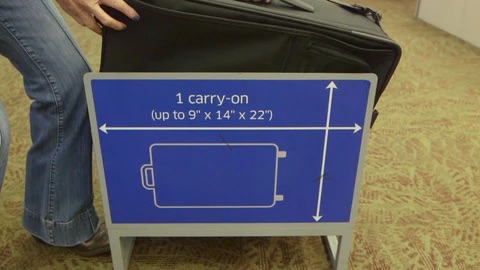
Airlines have their size limits—often around 22 x 14 x 9 inches—and they’ll definitely check if your bag fits.
You’ve got choices: rolling suitcases, duffels, or even big backpacks. The main thing is, you’ve got to stick to both the airline’s and TSA’s rules. Liquids? Yeah, they have to follow the 3-1-1 rule—containers of 3.4 ounces or less, all in a quart-sized bag.
I’ve learned the hard way: if your carry-on is even a little too big, gate agents might make you check it. That can mean a surprise delay at baggage claim you didn’t plan for.
Definition of Checked Bag
A checked bag is the luggage you hand over at the airline counter or bag drop. The airline stores it in the plane’s cargo hold, and you won’t see it again until baggage claim at your destination.
Checked luggage can be much bigger than carry-ons—usually up to 62 linear inches and 50 pounds before you get hit with extra fees.
This is where you pack the bulky stuff—full-sized toiletries, sports gear, or that winter coat you don’t want to drag through the airport. I check a bag when I’m traveling for more than a week or need outfits for different climates.
Just keep in mind, checked bags are more likely to get delayed or even lost. Always keep your essentials—meds, travel docs, valuables—in your carry-on or personal item.
Carry-On vs Checked Bag Handling Process
With a carry-on, you keep your bag with you from check-in to arrival. You skip the baggage drop line, and when you land, you just walk straight out of the airport.
But you’ll need to lift your bag into the overhead bin and get it through security.
A checked bag adds a few extra steps. You’ll queue to hand it over, and then wait again at baggage claim. On the plus side, you’re free to wander the airport without dragging your bag everywhere.
I’ve noticed that small regional jets blur the line—your “carry-on” might have to be gate-checked because the bins are tiny. In that case, you pick it up on the jet bridge after landing. It’s faster than baggage claim, but still a little wait.
Key Size and Weight Restrictions

Airlines love their specific size and weight rules for both carry-on and checked bags, and these can vary way more than you’d think. Knowing the limits before you pack can save you money, time, and a good chunk of stress.
Carry-On Bag Size and Weight Limits
Most airlines stick to a carry-on size around 22 x 14 x 9 inches (handles and wheels included). That’s the sweet spot for overhead bins.
I’ve flown on smaller regional planes where my “standard” carry-on had to be gate-checked because the bins were just too tiny.
Weight limits are trickier. In the U.S., many airlines don’t weigh your carry-on, but in Europe and Asia, they often do — and the cap can be as low as 15–22 lbs (7–10 kg). I’ve been caught out in Tokyo when my bag was just over the limit and had to shuffle stuff into my personal bag to dodge a fee.
Here’s a quick reference:
| Region/Airline Type | Typical Size Limit | Typical Weight Limit |
|---|---|---|
| U.S. Major Airlines | 22x14x9 in | Often not enforced |
| European Budget | 21x15x8 in | 15–22 lbs (7–10 kg) |
| Asian Carriers | 22x14x9 in | 15–17 lbs (7–8 kg) |
Tip: Always check your airline’s website before you fly — even if you’ve flown them before. Rules change, sometimes overnight.
Checked Bag Dimensions and Allowances
Checked luggage usually gives you more space, but there’s still a hard limit. Most airlines use the 62 linear inches rule (length + width + height). That includes wheels and handles, which are easy to forget when you’re measuring at home.
The standard weight allowance is 50 lbs (23 kg) for economy. Some international flights or higher fare classes go up to 70 lbs (32 kg), but that’s rare unless you’re flying business or first. Go over, and you’re looking at steep overweight fees — sometimes more than the ticket itself on budget airlines.
I always toss a small digital luggage scale in my bag. It’s saved me from the classic “repacking at the check-in counter” moment more times than I’d like to admit. And if you’re checking more than one bag, just know that fees usually jump for the second or third piece.
Odd-shaped stuff like sports gear or musical instruments sometimes has its own size rules, so don’t assume the standard applies. Always double-check if you’re bringing anything bulky or weird.
See Related: Best Travel Duffel Bag with Wheels: Top Picks for Stress-Free Adventures
Airline Rules and Fees

Airlines don’t treat all bags the same, and the difference between a carry-on and a checked bag can hit your wallet and your travel time. Fees, size limits, and even what counts as “free” can change, especially across different ticket types and routes.
Common Baggage Fees
On most U.S. airlines, you get one free personal item and one carry-on bag with a standard economy ticket. But some budget carriers charge for carry-ons—sometimes even more than a checked bag.
Checked bag fees usually start around $30–$35 for the first bag on domestic flights. The second bag costs more, and overweight or oversized luggage can add $100 or more per piece.
International flights can be different. Many long-haul fares include at least one free checked bag, but not always—especially on the cheapest “light” fares.
A quick tip: if you’re booking your flight through a cheap airfare search, check baggage costs before you click “buy.” That low ticket price can quickly lose its shine if you’re hit with $70 in bag fees each way.
Sports gear, musical instruments, or other odd-shaped items often fall into “special baggage” categories with their own fee charts.
Airline-Specific Policies
Every airline has its quirks. United’s basic economy doesn’t allow a standard carry-on unless you pay extra, while Southwest lets you check two bags for free. Spirit and Frontier charge for both carry-ons and checked bags, and the price climbs the closer you get to departure.
Elite status and certain credit cards can waive checked bag fees, sometimes for you and your travel buddies. First and business class tickets usually include at least one or two checked bags and priority boarding, so overhead space isn’t such a scramble.
Size and weight limits also vary. One airline might cap carry-ons at 22 x 14 x 9 inches, but another could allow a bit more. Checked bags are usually limited to 50 lbs before overweight fees, but a few international carriers bump it to 70 lbs.
If you’re flying multiple airlines on one trip, double-check each carrier’s rules. You don’t want to pack for one set of limits and get hit with a surprise fee halfway through. Gate agents do measure bags when they feel like it—especially on full flights.
Packing Restrictions and Security
Air travel rules can be surprisingly strict, and not just to make your life harder. They’re there for safety and to keep the screening process moving. If you know what can and can’t go in each type of bag, you’ll save time, money, and probably your sanity at the airport.
TSA and Security Rules for Carry-Ons
For your carry-on, the TSA’s 3-1-1 liquid rule trips up a lot of people. Each liquid, gel, cream, or aerosol has to be in a 3.4-ounce (100 ml) or less container, all fitting in one quart-sized, clear, resealable bag. Peanut butter and sunscreen count as liquids, believe it or not.
Electronics bigger than a cell phone—like laptops or tablets—usually need to come out of your bag and go in a separate bin during screening. I keep mine in an easy-access sleeve so I don’t hold up the line.
Sharp items like knives, box cutters, or even some scissors aren’t allowed in the cabin. The same goes for sporting goods that could double as weapons—think baseball bats or golf clubs. If you’re not sure, it’s safer to check them.
Here’s a tip: keep your liquids and electronics right at the top of your carry-on. You’ll thank yourself when you’re at the front of the security line and not digging around like you’re on a treasure hunt.
Prohibited Items in Checked Bags
Checked bags give you more freedom, but some stuff is still a hard no. Explosives, flammable liquids, and compressed gas canisters are the big ones. That means no fireworks, lighter fluid, or camping fuel. Even aerosol spray paint is a problem. Lighters follow their own rulebook rather than this one – see whether you can bring a lighter on a plane for the carry-on and checked limits.
Lithium batteries over a certain size aren’t allowed in checked baggage either—they’re a fire hazard. Those go in your carry-on instead. I once lost a spare camera battery because I forgot this rule, and it’s not a fun surprise at baggage check.
You can pack knives, tools, and sports gear in checked luggage, but wrap or sheath them. Baggage handlers don’t want to get cut by a loose blade.
If you’re traveling internationally, be careful about agricultural restrictions. Some countries ban certain foods, seeds, or plants in checked bags. Customs officers will open your suitcase if they think you’re bringing something forbidden. I’ve seen someone lose a whole bag of fruit at customs—it wasn’t pretty.
See Related: Best Travel Bags for Suits: Ultimate Guide to Staying Wrinkle-Free
Convenience, Speed, and Airport Experience

How you pack totally affects your airport experience and stress levels. Small choices—like whether your bag fits overhead or has to be checked—can change boarding, arrival, and even how you plan your layovers.
Overhead Bin Space and Boarding
With a carry-on, boarding can feel like a race. Overhead bin space disappears fast, especially on busy flights. If you board late, you might have to gate-check your bag, which slows you down at arrival.
Some folks board early just to snag bin space, but that often means sitting around longer before takeoff. If you like to board last, a carry-on can be tricky unless you travel light enough to fit everything under the seat.
A checked bag means you don’t have to stress about overhead bins at all. You stroll onto the plane without worrying about hoisting a suitcase overhead. Still, you’ll need to keep essentials—passport, meds, electronics—in a small personal bag.
If you’re connecting through multiple flights, a carry-on gives you more control. You keep your bag with you, so you don’t have to worry about it missing a transfer. That peace of mind can easily outweigh the bin space stress for a lot of travelers.
Baggage Claim and Arrival Time
Let’s be real—a carry-on lets you breeze right past baggage claim. You just step off the plane and head for the exit. Depending on the airport, that can save you anywhere from 20 to 40 minutes. If you’ve got a tight connection or a long drive waiting, that’s a lifesaver.
But with a checked bag? You’re stuck waiting at the carousel, hoping your suitcase pops out before your patience runs out. Sometimes your bag comes out last, or worse, ends up on the wrong carousel. If you’re in a rush, that wait can feel endless.
On the other hand, checked baggage means you’re not dragging a suitcase through terminals or squeezing onto public transport. If you’re not in a hurry, that’s actually kind of nice. And if you’re not heading straight to your hotel, you can always stash your bag in luggage storage and explore without being weighed down.
For short trips, skipping baggage claim usually feels like a win. But if you’re packing for a longer adventure or hauling bulky gear, waiting a bit at arrival might be totally worth the freedom to pack what you want.
Pros and Cons of Each Option

Your pick—carry-on or checked bag—can totally shape your airport experience, your budget, and even your stress level. It’s all about control, convenience, and how much you really want to lug around.
Advantages of Carry-On Bags
With a carry-on, you keep your stuff close the whole way. No waiting around for bags, no worrying about your suitcase heading off to a different city. That alone can save you a solid half hour after landing.
You also dodge most baggage fees. Many airlines let you bring a carry-on plus a personal item for free. That’s more cash for street food or a quirky souvenir, not just another airline charge.
Packing light forces you to be picky, but honestly, that’s not so bad. You’ll zip through stations, handle stairs like a champ, and hop on buses without fighting a heavy suitcase. I’ve trekked across cobblestoned streets with my carry-on—no sweat, literally.
Short layovers? Way less stressful. You can risk those tight connections because you’re not waiting for your bag to catch up.
Benefits of Checked Bags
Checked bags give you loads of space for clothes, gear, and all those “just in case” extras. If you’re off on a long trip or need to haul hiking boots or sports gear, that extra room is a game-changer.
You drop your bag at the counter and forget about it until you land. Suddenly, your hands are free—grab a coffee, keep track of your boarding pass, or wrangle a kid. If you’re juggling a lot, that’s a huge relief.
Checked bags also let you pack stuff that’s banned from carry-ons—big bottles of shampoo, tools, or sharp objects. If you’re traveling for work or a special event, that’s a must.
If you’re staying put in one place for most of your trip, it’s pretty great to unpack a bigger bag and actually settle in.
Potential Downsides and Risks
Carry-ons come with strict size and weight rules. If your bag’s too big or heavy, you might end up checking it at the gate and paying extra. Overhead bins fill up fast on busy flights, too.
Checked bags always carry some risk—delays, damage, or even loss. Even if it’s rare, when it happens, it’s a pain. I once had my bag show up two days late in another country. Living out of a daypack? Not my favorite memory.
You’ll definitely spend more time at the airport. Checking in, waiting at baggage claim, longer layovers—it all adds up. And those sneaky fees can turn a cheap flight into a pricey one before you know it.
See Related: Zipperless Luggage: Top Hassle-Free Travel Bags to Buy Today
How to Choose: Factors to Consider

Choosing between a carry-on and a checked bag really depends on how much you need to bring, where you’re headed, and your travel style. It’s all about balancing convenience with space and figuring out what trade-offs you’re willing to make.
Trip Duration and Destination
If you’re heading out for a weekend or even up to a week, a carry-on usually does the trick. You’ll spend less time at the airport and avoid the risk of lost bags. But for remote destinations or trips longer than 10 days, a checked bag can be a relief.
Your destination matters too. Winter travel means bulky coats and boots that fill up a bag fast. Warm-weather trips? Way easier to pack light.
Think about what you’ll be doing. Hiking, skiing, fancy dinners—sometimes you just need more gear. In that case, a checked bag lets you pack what you need without playing suitcase Tetris.
And if you’re a shopper, plan. Bringing home souvenirs or local treats? That checked bag space comes in handy—otherwise, you’ll be juggling extra bags on the way back.
Personal Preferences and Travel Style
Some folks live for the freedom of just a carry-on. You’re nimble, skip baggage claim, and never stress about lost luggage. If you like to pack light and don’t mind repeating outfits, this is your jam.
Others want options. A checked bag means more clothes, more shoes, even specialty stuff like tripods or snorkeling gear. If you hate laundry or just want to be prepared for anything, checked luggage is where it’s at.
How much do you mind hauling your stuff? Navigating packed buses or old stone streets with a big suitcase can be a workout. But if your trip is mostly hotels with elevators and short transfers, the extra weight isn’t a huge deal.
Still can’t decide? Try a hybrid—keep your essentials in a small bag and check the rest. Just double-check your carry-on fits the airline rules, and trust me, invest in solid travel gear so your stuff survives the trip.
Frequently Asked Questions
Airline baggage rules can catch you off guard if you’re not careful. Size limits, fees, and even how your bag gets handled can totally change your travel day. Sometimes, it just comes down to what you care about most—speed, convenience, or extra space.
What are the typical size and weight limits for carry-on luggage versus checked baggage on most airlines?
Most airlines set carry-on limits at about 22 x 14 x 9 inches, wheels and handles included. Some don’t weigh carry-ons, but others cap at around 15–22 pounds.
Checked bags usually get you up to 62 linear inches (length + width + height) and 50 pounds for economy. Go over and you’ll pay—sometimes a lot.
How does the handling and potential for damage differ between carry-on and checked luggage during transit?
You keep your carry-on with you the whole time. It goes overhead or under your seat, so it’s way less likely to get banged up.
Checked bags? They get tossed on belts, stacked in cargo holds, and sometimes handled in a rush. I once got my bag back with a cracked wheel. Super annoying, but not exactly rare.
Can you explain the security implications of packing certain items in a carry-on bag compared to a checked bag?
TSA screens your carry-on, so forget about liquids over 3.4 ounces, sharp objects, or certain batteries. You’ll need to follow the 3-1-1 liquids rule and pull out electronics at security.
Checked bags can hold bigger bottles, tools, and some restricted items, but they get screened too. If security spots something off-limits, they’ll open your bag—even if you’re not there.
What are the cost considerations when deciding whether to check a bag or use a carry-on for air travel?
Most U.S. airlines let you bring a carry-on and a personal item for free—unless you’re flying basic economy with some carriers, and then even a small roller might cost you.
Checked bag fees usually start at $30–$35 each way. If you’re budgeting, factor in those bag fees when you search flights so you don’t get sticker shock later.
How do airline policies vary regarding the allowance of carry-on and checked baggage for international versus domestic flights?
International flights sometimes throw in a free checked bag, especially on full-service airlines. Budget carriers? They might charge for everything.
U.S. domestic flights tend to have tighter bag fees, but weight limits are pretty similar. Always check your airline’s rules before you book—policies can flip dramatically from one route to another.
Could you provide insights into the convenience factors of accessing personal items in a carry-on bag versus a checked suitcase during a flight?
Let’s be real—when you’ve got a carry-on, you can easily reach your book, snacks, or that cozy sweater while you’re cruising at 30,000 feet. I always stash my must-haves in the personal item under the seat, because wrestling with the overhead bin after takeoff? No thanks.
Checked suitcases, though, disappear into the cargo hold until you’re standing at baggage claim. If you left your meds or phone charger in there, well, you’re out of luck until you land.