

Last modified January 5, 2026
Getting around Amsterdam by bus is honestly easier than you might expect, but figuring out the schedule system can save you a lot of hassle. GVB runs the main bus network in Amsterdam with 44 lines and more than 1,400 stops, while Connexxion focuses on airport transfers and regional routes. Buses stick to pretty reliable schedules, connecting with trams, metros, and ferries so you can reach just about anywhere.
Amsterdam’s bus system works a bit differently than what you might be used to at home. But once you get the hang of reading the timetables and know which operator covers your route, you’ll zip around like a local. Whether it’s a museum, the airport, or exploring neighborhoods beyond the city center, the bus network will get you there.
You just need to know where to find up-to-date schedule info and how to plan your trip. This guide will help you with everything from reading timetables to buying tickets, so you can hop on Amsterdam’s buses without second-guessing yourself.
Key Takeaways
- GVB buses link Amsterdam’s neighborhoods, while Connexxion handles airport and regional services
- Check real-time schedules on the 9292.nl website or Moovit app for the latest info
- Bus tickets work on all GVB trams, metros, and buses, so you can transfer easily
How to Read the Amsterdam Bus Schedule

Reading Amsterdam’s bus timetables isn’t as daunting as it first seems. The city uses a mix of physical posted schedules and digital systems to help you figure out when your bus is actually coming.
Understanding Timetable Formats
There are two main timetable formats you’ll see. At stops, you’ll find physical boards showing route numbers, destinations, and times in 24-hour format (so 2:00 PM is 14:00).
Physical timetables separate weekday and weekend schedules. You’ll see columns for different periods—morning rush (about 6:00-9:00), midday, evening rush (16:00-19:00), and late evening. Each row lists a specific departure time from that stop.
Route numbers are pretty straightforward. Daytime routes use numbers like 15, 22, or 48. Night buses (after 12:30 AM) have an “N” in front, like N22 or N48, and usually follow similar paths as their daytime counterparts but with fewer stops.
| Time Period | Frequency | Service Type |
|---|---|---|
| 6:00-9:00 | Every 5-10 min | Rush hour |
| 9:00-16:00 | Every 10-15 min | Regular service |
| 16:00-19:00 | Every 5-10 min | Evening rush |
| 19:00-00:30 | Every 15-20 min | Evening service |
| 00:30-6:00 | Every 30-60 min | Night buses (N-routes) |
Departure and Arrival Times
Here’s something a lot of visitors miss—the times on Amsterdam bus schedules are departure times from that stop, not arrival times. If it says 14:23, that’s when the bus leaves, not pulls up. Don’t cut it too close—buses here are usually on time, and they won’t wait if you’re sprinting up the street. I’ve been there, trust me.
When you’re planning connections, you’ll need to estimate travel time between stops yourself. GVB schedules usually show the total journey time at the top. For example, Centraal Station to Amsterdam Zuid might say “28 minutes”—so work backwards from your destination.
Using Digital Timetables
The 9292 app is honestly the best way to check Amsterdam bus schedules now. Just type your destination, and it’ll show real-time departures, including any delays or cancellations. It pulls live GPS data from the buses, so it’s usually spot-on.
The official GVB website also lets you search by route or stop. Enter a stop name or its unique 4-digit code (posted on every sign) to see which buses are coming next. You’ll get the next 5-10 departures at a glance.
Google Maps works too, though sometimes it’s a few minutes behind 9292. Still, it’s handy if you’re already using it for directions.
Major stops have digital screens showing real-time info. They update constantly, so you’ll know if your bus is late or if there’s a disruption.
Schedule Variations on Holidays and Weekends
Weekend schedules run differently. On Saturdays, buses come every 12-20 minutes instead of the tighter weekday intervals.
Sundays are even quieter. Some routes only run every 20-30 minutes, and a few don’t run at all. Always double-check if you’re traveling on a Sunday.
On Dutch public holidays, most buses follow Sunday schedules—especially on King’s Day (April 27), Christmas, and New Year’s Day. Oddly, some routes add extra buses for big events like King’s Day to handle the crowds.
The amsterdam bus schedule also shifts a bit during school holidays. July and August bring route tweaks as locals leave town and tourists flood in. You might see buses every 15 minutes instead of 10 during those peak summer weeks, but it’s not a huge change.
Major Bus Lines and Operators in Amsterdam
Amsterdam’s bus network splits between three main operators, each with its own focus. GVB runs most city routes, while EBS and Connexxion handle regional connections beyond the city.
GVB City Buses
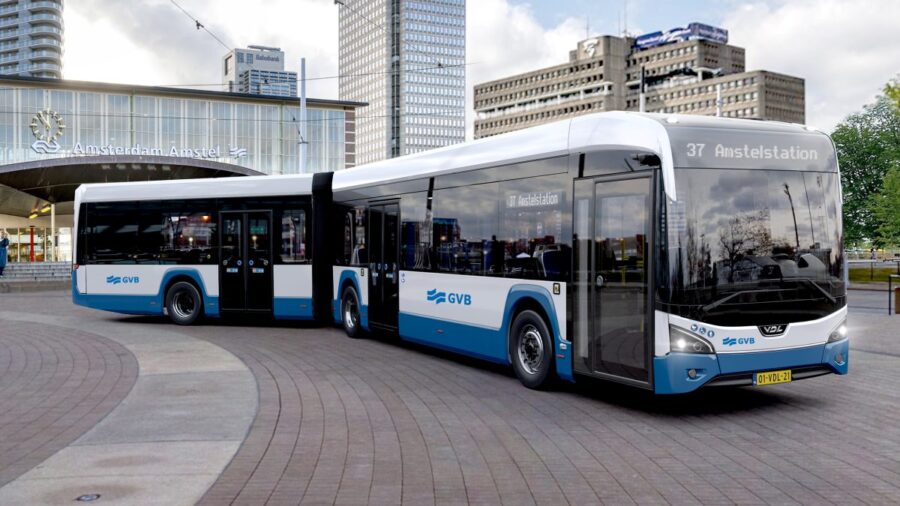
GVB runs the core of Amsterdam’s urban buses, alongside trams and metro. You’ll spot their buses easily—they’re white and blue, just like the other GVB vehicles.
Most GVB routes branch out from Amsterdam Centraal Station, so trip planning is pretty straightforward. Bus 18 is a popular choice if you’re staying near Sloterdijk, since it runs straight to Centraal. These buses start just before 6:00 AM and keep going until about 12:30 AM.
After regular service ends, GVB’s night buses take over so the city stays connected 24/7. The night network is surprisingly good for a city this size.
Paying is easy with OVpay. Just tap your contactless card when you get on and off. GVB Max caps your daily spend at €10, so you won’t pay more no matter how many rides you take.
EBS Services

EBS covers regional routes that stretch past Amsterdam’s city limits. Their network isn’t as dense in the center, but they’re the ones to use for some suburbs and nearby towns.
You’ll use the same payment methods on EBS as on GVB. Your contactless card works everywhere, which is honestly a relief compared to juggling different tickets.
The Amsterdam & Region Travel Ticket covers EBS, GVB, and others. It’s a good deal if you’re planning day trips outside the city and want to hop on any bus without worrying about which company runs it.
Connexxion and R-net Regional Buses
Connexxion, using the R-net brand on many routes, specializes in airport transfers and regional travel. Bus 397 is probably their most famous line, connecting Schiphol Airport directly to the city center.
If you’re heading to the Keukenhof gardens for tulip season or off to the beach at Zandvoort, Connexxion will get you there. They also serve the Waterland region north of Amsterdam, where you’ll find traditional villages and windmills most tourists skip.
R-net routes usually have comfier coaches with better amenities than standard city buses. Seats are softer, and you’ll often find USB charging ports. Most of these buses leave from Centraal Station, so it’s easy to connect whether you’re coming from the airport or heading out of town.
Top Amsterdam Bus Stops and Stations

Amsterdam’s bus network runs through a handful of major hubs that matter most for travelers. The busiest stops link you to the city center, airport, and top attractions around the region.
Central Station Hub
Amsterdam Central Station is the main transit point for almost every bus route. You’ll find platforms outside both the north and south exits, making it pretty easy to switch between trains, trams, and buses.
Regional buses usually leave from the IJ side (north exit), while city buses depart from Stationsplein (the south side). If you’re going to Noord or Waterland, you’ll want the north platforms. It can get hectic during rush hour, so give yourself extra time if you need to make a connection.
Bus 18 and other key routes stop here, linking you to Sloterdijk and western neighborhoods. Platforms are numbered, but signage can be confusing—look for digital departure boards near each one to double-check your bus. Most routes running from Central Station come every 10-15 minutes during the day.
Airport and Regional Connections
Bus 397 connects Schiphol Airport to the city center and is a budget-friendly alternative to the train. The ride takes about 25 minutes to Central Station, and you can use your OVpay card like anywhere else in the city.
Connexxion and EBS cover most regional trips out of Amsterdam. These buses usually leave from Central Station, but they also stop at big interchanges like Sloterdijk and Amstel Station. If you’re heading to places like Zaanse Schans or Volendam, you’ll probably use these.
The Amsterdam & Region Travel Ticket works on all these regional buses, which is super handy if you’re planning a few trips outside the center.
Popular Tourist Stops
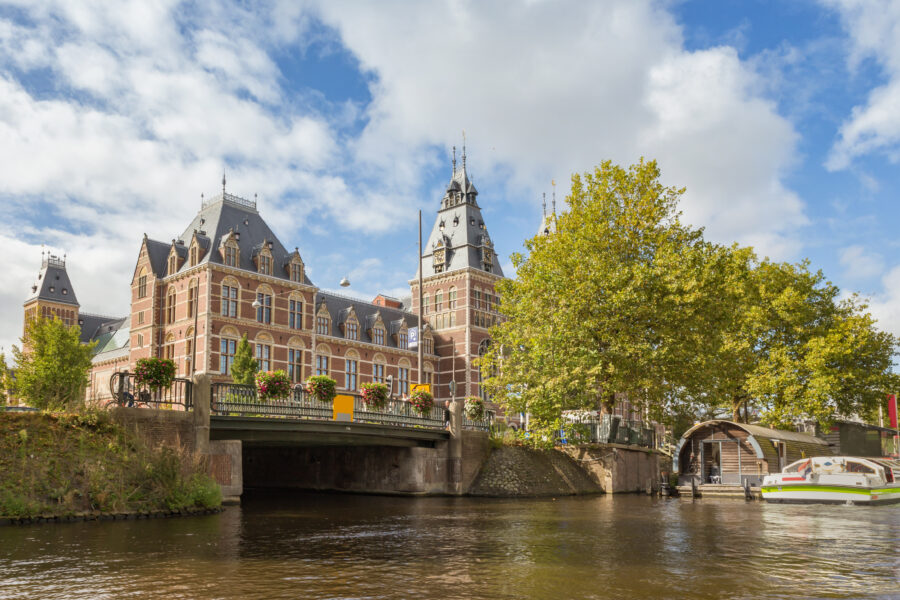
Museumplein is a big stop for anyone visiting the Rijksmuseum, Van Gogh Museum, or Stedelijk Museum. Several bus lines stop here, including ones that link to the canal belt and shopping areas.
Leidseplein is another busy stop near entertainment venues, restaurants, and the canal rings. Buses run here all day and connect you to both Central Station and residential neighborhoods.
For beach trips, you’ll catch buses to Zandvoort from various stops in the city. If you’re visiting in spring, special buses to the Keukenhof flower gardens leave from multiple pickup points—these get crowded, so showing up early is smart.
Planning Your Journey
Getting around Amsterdam by bus is pretty straightforward once you know which tools to use. The Netherlands has some excellent journey planners with real-time schedules, and they’ll help you spot disruptions before they mess up your day.
Using 9292 and Other Journey Planners
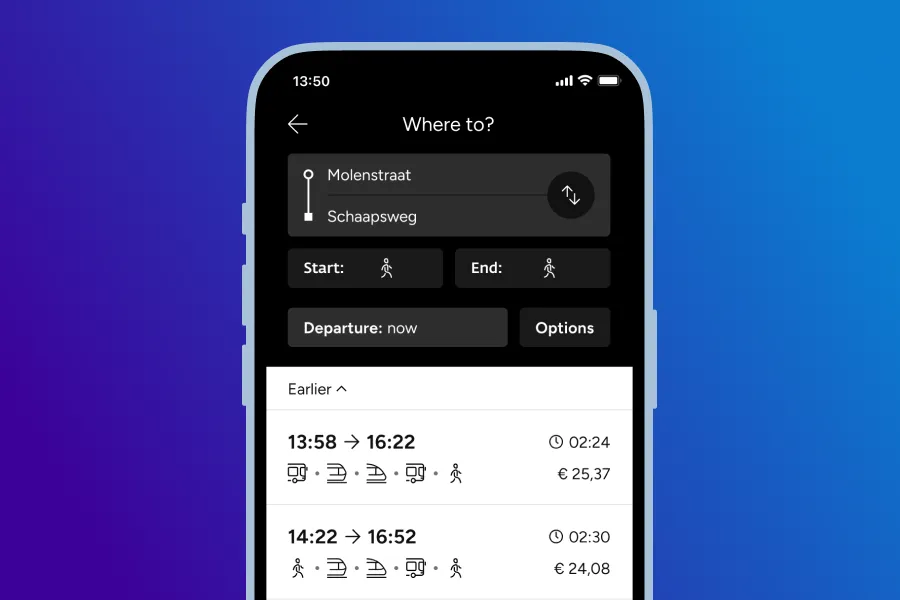
The 9292 app is pretty much the go-to for planning trips in the Netherlands. It’s free to download and covers all public transport across the country—not just Amsterdam buses.
Open 9292, type in your starting point and destination, and it’ll give you several route options with departure times, bus numbers, and transfer points if you need them. It’s even available in 40 languages, which is a lifesaver if Dutch isn’t your thing.
9292 isn’t the only app out there. The GVB website and app focus just on Amsterdam’s network—buses, trams, metros, and ferries. Some travelers like GVB because it keeps things local and simple. There’s also Moovit and glimble, but honestly, most people here stick with 9292 since it covers everything.
All these planners update in real time, so you’re seeing actual bus locations and delays as they happen.
Travel Advice and Accessibility
These journey planners do more than just show routes—they offer practical advice. You’ll see trip times, walking distances, and whether stops have stairs or elevators.
If you’ve got mobility concerns or use a wheelchair, that info matters a lot. Most GVB buses in Amsterdam are accessible with low floors and ramps. The planners usually mark accessible routes, but sometimes things slip through the cracks.
You can filter your search by fastest route, least walking, or fewest transfers. If you’re heading to the airport or places like Keukenhof, the planners will show you special services like Connexxion buses that go there.
Disruptions and Live Updates
Disruptions happen more often than you’d hope—construction, strikes, technical hiccups. Journey planners update quickly when things go sideways.
On 9292 and the GVB app, you’ll spot alerts about planned diversions and surprise delays right in your route results. Some disruptions get announced days in advance, especially for big construction projects. Others just pop up, and that’s when having the app open really matters.
Amsterdam Central Station is the main hub for most routes, so disruptions there can mess with the whole network. Check your app before heading out, and maybe again while waiting at the stop. Schedules can shift by 5-10 minutes during peak disruptions, and sometimes whole routes get rerouted for a while.
Tickets, Fares, and Payment Options
Amsterdam bus tickets work differently than in a lot of cities, and you can’t buy them from the driver. You’ll need to sort out your payment before boarding—either contactless payment, a day pass, or a regional ticket if you’re leaving the city center.
Single Tickets and Day Passes
The easiest pick for most visitors is the GVB Day Pass, which gives you unlimited rides on trams, buses, and metro lines within Amsterdam. Passes run from 1 to 7 days, starting at €10 for 24 hours. The longer you go, the less you pay per day—a 7-day pass costs €43, which is about €6.15 per day.
Kids 0-3 ride free. Children 4 to 11 need their own ticket, €5 for a single day. No multi-day children’s pass yet, so you’ll need separate one-day tickets for each day with kids.
Here’s the 2026 pricing breakdown:
- 1 day: €10
- 2 days: €16
- 3 days: €21.50
- 4 days: €27.50
- 7 days: €43
Buy your tickets online before you arrive. Seriously. Ticket machines are getting rare, and you’ll spare yourself the headache of figuring it out while jet-lagged.
OVpay: Contactless Payment System
OVpay lets you tap your credit or debit card on the scanner when getting on and off. Sounds great, but you have to use the same card to check in and out, or the fare calculation gets messed up.
The fare is distance-based: €1.16 base plus 21.7 cents per kilometer. If you forget to check out, you’ll get charged a higher fare by default. The daily cap is €10.50, which is actually more expensive than a day pass.
Watch out for foreign transaction fees with non-Dutch cards. Each passenger needs their own card—no group tapping. Children’s discounts aren’t available with OVpay yet, so families are better off with regular tickets.
Amsterdam & Region Travel Ticket
This ticket covers travel outside Amsterdam and includes the airport express bus. You get all the perks of the GVB pass, plus Connexxion and EBS buses to places like Haarlem and the coast.
It covers NS trains within the region and the Airport Express 397 to Schiphol. If you’re planning day trips or flying in, this ticket makes sense since the regular GVB pass doesn’t include airport transport.
The Amsterdam & Region Travel Ticket costs more than a basic day pass, but it saves you the hassle of buying separate tickets for each company. Buy it online before your trip and skip the confusion at the machines.
Multimodal Public Transport in Amsterdam

Amsterdam’s transport system works best if you mix buses, trams, and metro. Switching between them is surprisingly easy. GVB runs all three and lines up their schedules so you’re not waiting ages at transfer points.
How Buses Connect with Trams and Metro
Buses fill in the gaps where trams and metro don’t reach. Major bus stops sit right next to tram and metro stations all over the city.
Centraal Station anchors the network—bus stops circle the station, trams are just outside, and metro lines run underneath. You can step off a metro and catch a bus in minutes.
Amsterdam Sloterdijk is another big transfer spot. Metro line 50, several bus routes to western neighborhoods, and regional buses all meet there. Everything’s close together, so you’re not wandering around searching for your connection.
Some bus routes exist just to bridge areas between metro stations. In Amsterdam Noord, for example, buses connect ferry terminals with metro stops into the city center.
Integrated Timetables
GVB lines up departure times so buses, trams, and metro connect smoothly. One ticket works for all three, so switching is painless.
During rush hour, buses and trams come every 5-10 minutes, metros even more often. Off-peak, it’s more like every 10-15 minutes, but schedules still line up so you’re not left waiting long for your next ride.
Night buses take over after regular service ends, running similar routes on a different schedule. These N-prefixed routes sync with night trams to keep things moving after midnight.
The Amsterdam & Region Travel Ticket covers unlimited GVB buses, trams, and metro for 1-3 days. If you’re planning lots of trips, it’s honestly the simplest way to go.
The GVB app shows real-time departures for buses, trams, and metro together. You can plan mixed routes and see exactly when each vehicle arrives.
Transfer points have clear blue GVB signs with mode symbols pointing you to connecting services. Look for those—they’ll get you from metro exits to bus stops or tram platforms without confusion.
Your ticket stays valid for an hour during transfers, so you’ve got time to switch modes without paying again. Just check in with the same card each time you board.
Station maps at major hubs show how everything connects. Centraal Station’s maps are especially helpful—they break down the complex layout into zones for buses, trams, metro, and ferries.
Frequently Asked Questions
Amsterdam bus schedules can feel a bit overwhelming at first, but most people have the same questions about hours, finding routes, and tracking buses in real time.
What are the operating hours for Amsterdam’s public bus services?
Most GVB day buses kick off around 6am on weekdays, 7am on weekends, and run until just after midnight.
When the day buses stop, night buses take over at 12:30am. There are 11 night routes (N81 to N93) that run until day service starts again. All night buses leave from Amsterdam Central Station, so they’re easy to find if you’re out late.
Regional buses like the 397 airport express run from about 5am to 1am, with the N97 night version filling the gap.
Can I access the bus schedule for specific routes in Amsterdam, such as the 397 or CDTA 601 online?
You’ll find Amsterdam bus schedules online in a few places. The GVB website lists all city buses and has downloadable maps.
For the 397 airport bus, check the Connexxion website—they run that route. The 397 comes 4-8 times per hour, so you rarely wait long.
There isn’t a CDTA 601 in Amsterdam—that’s actually in New York. For airport connections here, you want the 397 or 369.
Regional lines like EBS and Connexxion have their own sites with schedules for places like Volendam, Zaanse Schans, and Zandvoort. Route 391 goes to Zaanse Schans, while 800 and 801 get you to Volendam.
How frequently do buses run on the main routes throughout Amsterdam?
Bus frequency depends on your route and the time of day. Bus 22, for example, runs 4-6 times per hour most of the day.
Rush hour means more buses; late evenings and weekends see less frequent service. The 397 airport express keeps up a good pace with 4-8 buses per hour.
Night buses run about once an hour, so you’ll want to time things if you’re counting on them to get home.
Regional buses to spots like Waterland or Zaanse Schans usually run every 30-60 minutes. They’re not as frequent as city buses, so checking the schedule before you go can save you from a long wait at the stop.
What are the options for night-time bus services in Amsterdam?
Amsterdam’s night bus network runs 11 routes starting at 12:30am, and every route kicks off from Amsterdam Central Station. That actually makes figuring out your ride a lot easier than you might think.
A single night bus ride costs €5.70, giving you 90 minutes of travel time, transfers included. But here’s a handy tip: if you already have a GVB multiday ticket, you can hop on the night buses with it. The regular €3.40 one-hour ticket, though, won’t work at night.
Night buses also accept OVpay contactless payment and the OV-chip card. Depending on how far you’re going, the distance-based fare could end up cheaper than the flat €5.70.
Some routes—like the N81, N85, and N89—head to different neighborhoods. The N81 goes out to Sloterdijk, and the N89 makes its way to IJburg. If you’re staying somewhere specific, it’s worth checking which night bus will get you home before heading out for the evening.
Are there any mobile apps or digital tools to track real-time bus schedules in Amsterdam?
The main app you’ll want is the official GVB app. It shows real-time departures, helps you plan routes, and you can even buy tickets right on your phone.
9292 is another go-to journey planner that covers all public transport in the Netherlands. It’s not just for Amsterdam; you can use it to plan trips anywhere in the country. The interface feels straightforward, and it offers several route options with up-to-date departure times.
Google Maps actually works pretty well for Amsterdam buses, too. It pulls in real-time data and points out exactly where to walk to catch your bus. Honestly, I usually check it first when I want to see when the next bus is coming.
Bus stops have electronic screens showing upcoming departures, but having an app on your phone just feels more flexible. You can check schedules before you even step outside or while you’re still in your hotel room.