
Neo-realism Museum
About Neo-realism Museum
Description
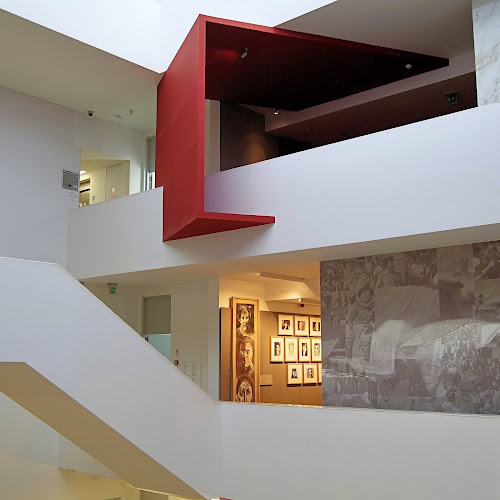
The Neo-realism Museum in Vila Franca de Xira is one of those places that quietly surprises you. At first glance, it might look like just another modern building, but step inside and it opens up into a world of history, art, and literature that shaped a whole generation in Portugal. Designed by the architect Alcino Soutinho and inaugurated in 2007, the museum was built with a clear mission: to honor and preserve the memory of the Portuguese neo-realist movement, a cultural force that left a huge mark on the 20th century.
What makes it stand out is how it manages to blend the intellectual depth of the movement with a very approachable visitor experience. You don’t need to be a scholar of literature or art to enjoy it. The exhibitions are curated in a way that feels human—telling stories of everyday struggles, resilience, and creativity. And while most visitors walk away impressed, some admit that the museum can feel a bit academic at times. That’s fair—it’s a place that asks you to slow down, read, reflect, and maybe even question how art and politics intertwine. Personally, I think that’s part of its charm.
It’s not just about dusty archives either. The museum is alive with paintings, manuscripts, photographs, and even music that bring the era to life. If you’re curious about how art can shape society—or if you just want to see a side of Portugal beyond the usual tourist trail—this museum is worth your time.
Key Features
- A permanent collection dedicated to Portuguese neo-realist writers, artists, and thinkers
- Rotating temporary exhibitions that keep the experience fresh for repeat visitors
- A documentation center and library with rare manuscripts and literary works
- Fine art collection that includes paintings, drawings, and sculptures from the movement
- Wheelchair accessible entrance and restrooms, making it inclusive for all visitors
- On-site restaurant and restrooms for convenience during longer visits
- Family-friendly environment, good for kids who enjoy interactive cultural experiences
Best Time to Visit
If you’re planning a visit, weekdays tend to be the calmest. The museum doesn’t usually draw massive crowds like Lisbon’s big-name attractions, which is honestly a blessing. You can wander the galleries without feeling rushed, and there’s space to really take in the details. Late mornings are ideal—you’ll avoid school groups and still have time to grab lunch nearby.
Weather-wise, spring and autumn are perfect. The town of Vila Franca de Xira has a relaxed vibe during these seasons, and you can easily pair a museum visit with a stroll along the Tagus River. Summer is fine too, though the heat can make you want to linger inside longer than planned. Winter has its charm, especially if you enjoy quieter, more contemplative visits.
How to Get There
Reaching the Neo-realism Museum is straightforward. Vila Franca de Xira is well-connected by train from Lisbon—about a 30-minute ride from Santa Apolónia or Oriente stations. Once you arrive, the museum is within walking distance from the train station, so there’s no need to fuss with taxis unless you prefer. Driving is also an option, especially if you’re exploring the Ribatejo region, and parking is generally manageable.
I personally recommend the train. There’s something relaxing about watching the Tagus River roll by as you head north from Lisbon, and it sets the mood for a slower, more thoughtful kind of day.
Tips for Visiting
Here are a few things I wish I’d known before visiting:
- Take your time: This isn’t a museum you rush through. Give yourself at least two hours to really appreciate the exhibits.
- Check for temporary exhibitions: The rotating shows often highlight lesser-known artists or themes, and they can be just as fascinating as the permanent collection.
- Bring a notebook: If you’re the type who likes to jot down thoughts or sketch, you’ll find plenty of inspiration here.
- Combine with local food: Vila Franca de Xira is known for its traditional Portuguese cuisine. Plan a meal before or after your visit—it makes the day even more memorable.
- Family-friendly: Don’t hesitate to bring kids. While the subject matter is serious, the visuals and stories often spark curiosity in younger visitors.
- Accessibility is solid: The museum is wheelchair-friendly, and facilities are modern and well-kept.
One last thought: don’t be surprised if you leave feeling a little reflective. The museum has a way of sticking with you, not in a heavy-handed way, but more like a quiet voice reminding you that art and stories matter. It’s the kind of place that lingers in your memory long after you’ve stepped back into the busy streets outside.
Key Features
- A permanent collection dedicated to Portuguese neo-realist writers, artists, and thinkers
- Rotating temporary exhibitions that keep the experience fresh for repeat visitors
- A documentation center and library with rare manuscripts and literary works
- Fine art collection that includes paintings, drawings, and sculptures from the movement
- Wheelchair accessible entrance and restrooms, making it inclusive for all visitors
- On-site restaurant and restrooms for convenience during longer visits
- Family-friendly environment, good for kids who enjoy interactive cultural experiences
More Details
Updated September 9, 2025
Table of Contents
Description
The Neo-realism Museum in Vila Franca de Xira is one of those places that quietly surprises you. At first glance, it might look like just another modern building, but step inside and it opens up into a world of history, art, and literature that shaped a whole generation in Portugal. Designed by the architect Alcino Soutinho and inaugurated in 2007, the museum was built with a clear mission: to honor and preserve the memory of the Portuguese neo-realist movement, a cultural force that left a huge mark on the 20th century.
What makes it stand out is how it manages to blend the intellectual depth of the movement with a very approachable visitor experience. You don’t need to be a scholar of literature or art to enjoy it. The exhibitions are curated in a way that feels human—telling stories of everyday struggles, resilience, and creativity. And while most visitors walk away impressed, some admit that the museum can feel a bit academic at times. That’s fair—it’s a place that asks you to slow down, read, reflect, and maybe even question how art and politics intertwine. Personally, I think that’s part of its charm.
It’s not just about dusty archives either. The museum is alive with paintings, manuscripts, photographs, and even music that bring the era to life. If you’re curious about how art can shape society—or if you just want to see a side of Portugal beyond the usual tourist trail—this museum is worth your time.
Key Features
- A permanent collection dedicated to Portuguese neo-realist writers, artists, and thinkers
- Rotating temporary exhibitions that keep the experience fresh for repeat visitors
- A documentation center and library with rare manuscripts and literary works
- Fine art collection that includes paintings, drawings, and sculptures from the movement
- Wheelchair accessible entrance and restrooms, making it inclusive for all visitors
- On-site restaurant and restrooms for convenience during longer visits
- Family-friendly environment, good for kids who enjoy interactive cultural experiences
Best Time to Visit
If you’re planning a visit, weekdays tend to be the calmest. The museum doesn’t usually draw massive crowds like Lisbon’s big-name attractions, which is honestly a blessing. You can wander the galleries without feeling rushed, and there’s space to really take in the details. Late mornings are ideal—you’ll avoid school groups and still have time to grab lunch nearby.
Weather-wise, spring and autumn are perfect. The town of Vila Franca de Xira has a relaxed vibe during these seasons, and you can easily pair a museum visit with a stroll along the Tagus River. Summer is fine too, though the heat can make you want to linger inside longer than planned. Winter has its charm, especially if you enjoy quieter, more contemplative visits.
How to Get There
Reaching the Neo-realism Museum is straightforward. Vila Franca de Xira is well-connected by train from Lisbon—about a 30-minute ride from Santa Apolónia or Oriente stations. Once you arrive, the museum is within walking distance from the train station, so there’s no need to fuss with taxis unless you prefer. Driving is also an option, especially if you’re exploring the Ribatejo region, and parking is generally manageable.
I personally recommend the train. There’s something relaxing about watching the Tagus River roll by as you head north from Lisbon, and it sets the mood for a slower, more thoughtful kind of day.
Tips for Visiting
Here are a few things I wish I’d known before visiting:
- Take your time: This isn’t a museum you rush through. Give yourself at least two hours to really appreciate the exhibits.
- Check for temporary exhibitions: The rotating shows often highlight lesser-known artists or themes, and they can be just as fascinating as the permanent collection.
- Bring a notebook: If you’re the type who likes to jot down thoughts or sketch, you’ll find plenty of inspiration here.
- Combine with local food: Vila Franca de Xira is known for its traditional Portuguese cuisine. Plan a meal before or after your visit—it makes the day even more memorable.
- Family-friendly: Don’t hesitate to bring kids. While the subject matter is serious, the visuals and stories often spark curiosity in younger visitors.
- Accessibility is solid: The museum is wheelchair-friendly, and facilities are modern and well-kept.
One last thought: don’t be surprised if you leave feeling a little reflective. The museum has a way of sticking with you, not in a heavy-handed way, but more like a quiet voice reminding you that art and stories matter. It’s the kind of place that lingers in your memory long after you’ve stepped back into the busy streets outside.
Key Highlights
- A permanent collection dedicated to Portuguese neo-realist writers, artists, and thinkers
- Rotating temporary exhibitions that keep the experience fresh for repeat visitors
- A documentation center and library with rare manuscripts and literary works
- Fine art collection that includes paintings, drawings, and sculptures from the movement
- Wheelchair accessible entrance and restrooms, making it inclusive for all visitors
- On-site restaurant and restrooms for convenience during longer visits
- Family-friendly environment, good for kids who enjoy interactive cultural experiences
Location
Places to Stay Near Neo-realism Museum
Find and Book a Tour
Explore More Travel Guides
No reviews found! Be the first to review!
Traveler Reviews for Neo-realism Museum
There are no reviews yet. Be the first one to write one.
Have you visited Neo-realism Museum? Help other travelers by sharing your review.
You Might Also Like
Park Luís César Pereira
Jardim Municipal Constantino Palha
Caminho Ribeirinho Vila Franca de Xira
Find Accommodations Nearby
Recommended Tours & Activities
Visitor Reviews
There are no reviews yet. Be the first one to write one.
Share Your Experience
Have you visited Neo-realism Museum? Help other travelers by leaving a review.