
Colonial Architecture Museum
About Colonial Architecture Museum
Description
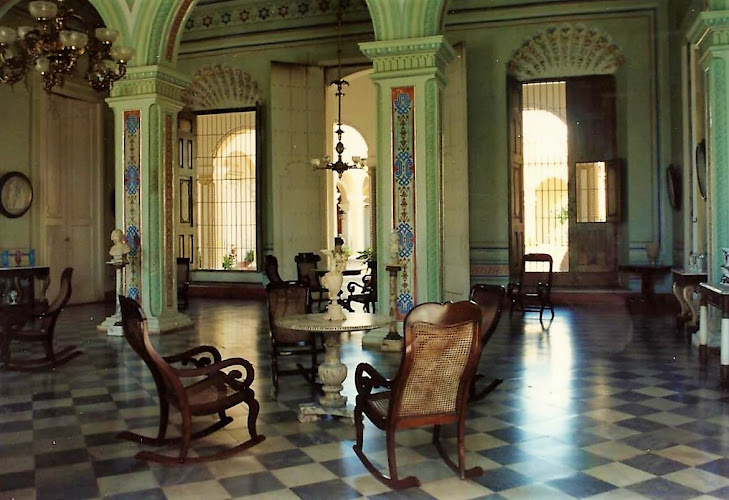
The Colonial Architecture Museum is one of those places that quietly pulls you in before you even realize how much time you’ve spent wandering its halls. It’s not the kind of museum where you just glance at a few dusty artifacts and move on. Instead, it feels like stepping into a living timeline of colonial history, with walls and displays that seem to whisper stories of the past. The building itself is part of the experience—its structure is a physical reminder of the craftsmanship and design sensibilities that shaped entire cities during the colonial era.
What I found most striking is how approachable the museum feels. You don’t need to be a history buff to appreciate it. The exhibits are laid out in a way that makes you curious, even if you didn’t think you cared much for architecture. And if you’re traveling with kids, you’ll be relieved to know it’s surprisingly family-friendly. I remember watching a group of children sketching columns and arches in their notebooks, their faces lit up with that kind of curiosity you rarely see when kids are dragged into a museum. The staff seemed genuinely patient and happy to answer questions, which adds a warmth that you don’t always get in more formal institutions.
Of course, no place is perfect. Some sections could use a little more context or updated displays, and a few corners feel like they haven’t been touched in a while. But honestly, that slightly worn-in character adds to the charm. It doesn’t feel sterile—it feels real. And that authenticity is exactly what makes the Colonial Architecture Museum stand out as a must-visit for travelers who want more than just surface-level sightseeing.
Key Features
- Authentic colonial-era building that doubles as part of the exhibit
- Detailed displays of architectural elements like arches, columns, and courtyards
- Interactive sections that keep kids engaged and curious
- Knowledgeable staff who are eager to share stories and insights
- Restrooms available on-site for convenience
- Quiet, reflective atmosphere that encourages slow exploration
Best Time to Visit
If you’re like me and prefer avoiding crowds, mornings are the sweet spot. Arriving just after opening means you can wander through the galleries at your own pace without feeling rushed. The natural light streaming through the old windows in the early hours makes the space feel almost poetic—like the building itself is waking up. Weekdays are generally calmer than weekends, so if your travel schedule allows, aim for a weekday morning.
As for the time of year, cooler months are more comfortable for walking around, especially if you plan to explore the surrounding area after your visit. The museum doesn’t have a restaurant on-site, so timing your visit around lunch might be tricky, but that just gives you an excuse to explore nearby eateries once you’ve soaked in the history.
How to Get There
Reaching the Colonial Architecture Museum is fairly straightforward, though the experience depends on how you like to travel. If you’re staying in the city center, a short cab ride or rideshare is usually the easiest option—quick, affordable, and you don’t have to worry about parking. For those who enjoy public transport, buses and local routes stop within walking distance, though you’ll want to double-check schedules since they can be a little unpredictable.
Personally, I enjoy walking to places like this when possible. There’s something about approaching a historic building on foot that makes the arrival feel more meaningful. You notice the shift in architecture around you, and by the time you step inside, you’re already in the right headspace to appreciate what’s inside.
Tips for Visiting
First off, give yourself more time than you think you’ll need. What looks like a quick stop can easily turn into a couple of hours once you start digging into the details. Wear comfortable shoes because the floors, beautiful as they are, weren’t exactly designed with modern comfort in mind.
If you’re traveling with kids, bring along a notebook or sketchpad. I’ve seen children light up when they get to draw what they see—it turns the visit into a kind of treasure hunt. For adults, I’d recommend taking a moment to just sit quietly in one of the galleries. Let the atmosphere sink in. It’s easy to rush from one display to another, but the real magic of this museum is in the slower moments.
And here’s a practical tip: since there’s no restaurant inside, plan ahead for meals. Maybe grab a snack before you go in, or scope out a café nearby for afterward. Finally, don’t be shy about asking the staff for recommendations. They often have little tidbits of history or personal insights that you won’t find on the plaques. Those small conversations can make your visit feel less like a tour and more like a shared experience.
Key Features
- Authentic colonial-era building that doubles as part of the exhibit
- Detailed displays of architectural elements like arches, columns, and courtyards
- Interactive sections that keep kids engaged and curious
- Knowledgeable staff who are eager to share stories and insights
- Restrooms available on-site for convenience
- Quiet, reflective atmosphere that encourages slow exploration
More Details
Updated September 9, 2025
Table of Contents
Description
The Colonial Architecture Museum is one of those places that quietly pulls you in before you even realize how much time you’ve spent wandering its halls. It’s not the kind of museum where you just glance at a few dusty artifacts and move on. Instead, it feels like stepping into a living timeline of colonial history, with walls and displays that seem to whisper stories of the past. The building itself is part of the experience—its structure is a physical reminder of the craftsmanship and design sensibilities that shaped entire cities during the colonial era.
What I found most striking is how approachable the museum feels. You don’t need to be a history buff to appreciate it. The exhibits are laid out in a way that makes you curious, even if you didn’t think you cared much for architecture. And if you’re traveling with kids, you’ll be relieved to know it’s surprisingly family-friendly. I remember watching a group of children sketching columns and arches in their notebooks, their faces lit up with that kind of curiosity you rarely see when kids are dragged into a museum. The staff seemed genuinely patient and happy to answer questions, which adds a warmth that you don’t always get in more formal institutions.
Of course, no place is perfect. Some sections could use a little more context or updated displays, and a few corners feel like they haven’t been touched in a while. But honestly, that slightly worn-in character adds to the charm. It doesn’t feel sterile—it feels real. And that authenticity is exactly what makes the Colonial Architecture Museum stand out as a must-visit for travelers who want more than just surface-level sightseeing.
Key Features
- Authentic colonial-era building that doubles as part of the exhibit
- Detailed displays of architectural elements like arches, columns, and courtyards
- Interactive sections that keep kids engaged and curious
- Knowledgeable staff who are eager to share stories and insights
- Restrooms available on-site for convenience
- Quiet, reflective atmosphere that encourages slow exploration
Best Time to Visit
If you’re like me and prefer avoiding crowds, mornings are the sweet spot. Arriving just after opening means you can wander through the galleries at your own pace without feeling rushed. The natural light streaming through the old windows in the early hours makes the space feel almost poetic—like the building itself is waking up. Weekdays are generally calmer than weekends, so if your travel schedule allows, aim for a weekday morning.
As for the time of year, cooler months are more comfortable for walking around, especially if you plan to explore the surrounding area after your visit. The museum doesn’t have a restaurant on-site, so timing your visit around lunch might be tricky, but that just gives you an excuse to explore nearby eateries once you’ve soaked in the history.
How to Get There
Reaching the Colonial Architecture Museum is fairly straightforward, though the experience depends on how you like to travel. If you’re staying in the city center, a short cab ride or rideshare is usually the easiest option—quick, affordable, and you don’t have to worry about parking. For those who enjoy public transport, buses and local routes stop within walking distance, though you’ll want to double-check schedules since they can be a little unpredictable.
Personally, I enjoy walking to places like this when possible. There’s something about approaching a historic building on foot that makes the arrival feel more meaningful. You notice the shift in architecture around you, and by the time you step inside, you’re already in the right headspace to appreciate what’s inside.
Tips for Visiting
First off, give yourself more time than you think you’ll need. What looks like a quick stop can easily turn into a couple of hours once you start digging into the details. Wear comfortable shoes because the floors, beautiful as they are, weren’t exactly designed with modern comfort in mind.
If you’re traveling with kids, bring along a notebook or sketchpad. I’ve seen children light up when they get to draw what they see—it turns the visit into a kind of treasure hunt. For adults, I’d recommend taking a moment to just sit quietly in one of the galleries. Let the atmosphere sink in. It’s easy to rush from one display to another, but the real magic of this museum is in the slower moments.
And here’s a practical tip: since there’s no restaurant inside, plan ahead for meals. Maybe grab a snack before you go in, or scope out a café nearby for afterward. Finally, don’t be shy about asking the staff for recommendations. They often have little tidbits of history or personal insights that you won’t find on the plaques. Those small conversations can make your visit feel less like a tour and more like a shared experience.
Key Highlights
- Authentic colonial-era building that doubles as part of the exhibit
- Detailed displays of architectural elements like arches, columns, and courtyards
- Interactive sections that keep kids engaged and curious
- Knowledgeable staff who are eager to share stories and insights
- Restrooms available on-site for convenience
- Quiet, reflective atmosphere that encourages slow exploration
Location
Places to Stay Near Colonial Architecture Museum
Find and Book a Tour
Explore More Travel Guides
No reviews found! Be the first to review!
Traveler Reviews for Colonial Architecture Museum
There are no reviews yet. Be the first one to write one.
Have you visited Colonial Architecture Museum? Help other travelers by sharing your review.
You Might Also Like
Find Accommodations Nearby
Recommended Tours & Activities
Visitor Reviews
There are no reviews yet. Be the first one to write one.
Share Your Experience
Have you visited Colonial Architecture Museum? Help other travelers by leaving a review.