
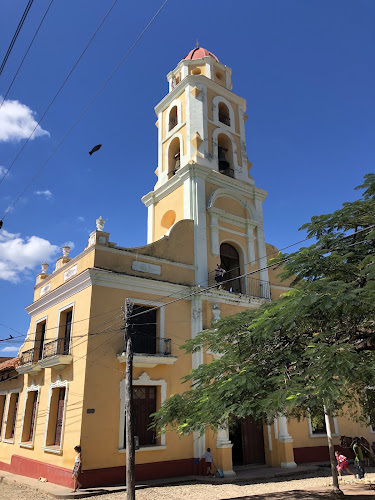
National Museum of the Struggle Against Bandits
About National Museum of the Struggle Against Bandits
Description
The National Museum of the Struggle Against Bandits is one of those places that makes you stop and think about the weight of history. Located in a tower that itself feels like a silent witness to the past, the museum tells the story of Cuba’s fight against counterrevolutionaries during the 1960s. The exhibits are straightforward yet powerful—photographs that capture raw moments, military artifacts that once saw action, and stories that echo the resilience of a nation determined to defend its ideals.
It’s not a polished, high-tech museum with interactive screens and glossy displays. Instead, it carries a certain authenticity, almost like stepping back in time. Some visitors find that refreshing, while others might see it as a little dated. Personally, I think there’s something to be said for places that don’t try to sugarcoat history with too many bells and whistles. You walk through, and you feel the grit of the 1960s struggle. You see the uniforms, the weapons, the maps, and the faces of people who lived through it. And whether or not you agree with the politics, you can’t deny the emotional impact.
The museum is also surprisingly family-friendly. Kids might not grasp all the nuances, but they often find the artifacts fascinating—especially the military equipment. And for those who need it, the facility has a wheelchair-accessible restroom, which is a thoughtful touch for inclusivity. There’s no restaurant on-site, so it’s a good idea to plan your meals before or after your visit, but there are restrooms available, which is always a relief when traveling.
Overall, the museum has its quirks, but that’s part of its charm. It’s not perfect—some displays could use a bit of updating, and not every visitor will connect with the subject matter in the same way. But for anyone who wants to dive deeper into Cuban history beyond the beaches and colorful streets, this museum offers a raw and honest perspective.
Key Features
- Historic tower setting that adds atmosphere and authenticity
- Extensive collection of photographs documenting the 1960s struggle
- Military artifacts including uniforms, weapons, and tactical maps
- Exhibits that highlight Cuba’s resistance against counterrevolutionaries
- Wheelchair accessible restroom for visitor convenience
- Restrooms available on-site, though no restaurant facilities
- Family-friendly environment with engaging displays for kids
Best Time to Visit
Timing your visit can make a big difference in how much you enjoy the museum. The best time to go is usually in the morning, before the midday heat sets in and before the crowds arrive. The museum isn’t massive, but it does get busier later in the day, especially when tour groups show up. If you’re like me and prefer to wander slowly without feeling rushed, aim for an early start.
Weather-wise, the cooler months are more comfortable if you’re exploring the surrounding area as well. Between November and April, the climate is generally milder, making it easier to combine a museum visit with a stroll through nearby streets or a climb up the tower for views of the landscape. That said, if you’re visiting in the summer, just bring water and take breaks—it’s doable, but the heat can be draining.
And here’s a little tip: afternoons can sometimes be quieter, too, especially if you go later in the day. The light streaming through the tower windows at that time adds a surprisingly dramatic effect to the exhibits. It’s small moments like that which make a visit memorable.
How to Get There
Reaching the National Museum of the Struggle Against Bandits isn’t too complicated, but it does depend on where you’re staying. If you’re based in a larger Cuban city, you can usually catch a bus or arrange a taxi to the town where the museum is located. Taxis are the more convenient option, especially if you’re traveling with family or don’t feel like navigating bus schedules.
For those who enjoy a bit of adventure, renting a car gives you the freedom to explore at your own pace. The roads can be a little unpredictable—sometimes smooth, sometimes full of potholes—but that’s part of the experience. Just keep in mind that signage isn’t always crystal clear, so having a map or offline navigation app can save you some headaches.
Once you arrive in town, the museum is fairly central. You can walk to it without much trouble, and the tower itself is a recognizable landmark. Honestly, half the fun of getting there is the journey itself. I remember chatting with a local driver about the history of the area, and his personal stories added more depth to the museum visit than any guidebook ever could.
Tips for Visiting
Visiting the National Museum of the Struggle Against Bandits is fairly straightforward, but a few tips can help you make the most of it. First, bring cash. Credit cards aren’t widely accepted, and entry fees are usually small, but you don’t want to be caught without the right currency.
Second, give yourself enough time. While the museum isn’t enormous, it deserves more than a quick walk-through. Spend at least an hour or two if you want to really absorb the exhibits and climb the tower for the views. Speaking of the tower, the stairs can be a little steep, so wear comfortable shoes. I once made the mistake of wearing sandals, and let’s just say it wasn’t the smartest choice.
Photography is usually allowed, but be respectful. Some of the displays are deeply personal, and snapping too many selfies can feel out of place. Instead, focus on capturing the atmosphere and the details that resonate with you.
Another tip: bring water and maybe a small snack, as there’s no on-site restaurant. And if you’re traveling with kids, prepare them with a little background about the history so they can understand why the artifacts are important. It makes the visit more engaging for them.
Lastly, keep an open mind. The museum tells a very specific story from a Cuban perspective, and whether or not you agree with the narrative, it’s worth listening to. Travel is about expanding your horizons, after all. And sometimes the places that challenge you a little are the ones you remember the most.
Key Features
- Historic tower setting that adds atmosphere and authenticity
- Extensive collection of photographs documenting the 1960s struggle
- Military artifacts including uniforms, weapons, and tactical maps
- Exhibits that highlight Cuba’s resistance against counterrevolutionaries
- Wheelchair accessible restroom for visitor convenience
- Restrooms available on-site, though no restaurant facilities
- Family-friendly environment with engaging displays for kids
More Details
Updated September 9, 2025
Table of Contents
- Description
- Key Features
- Best Time to Visit
- How to Get There
- Tips for Visiting
- Key Highlights
- Location
- Places to Stay Near National Museum of the Struggle Against Bandits
- Find and Book a Tour
- Explore More Travel Guides
- Nearby Places You Might Like
- Traveler Reviews for National Museum of the Struggle Against Bandits
- Share Your Experience
Description
The National Museum of the Struggle Against Bandits is one of those places that makes you stop and think about the weight of history. Located in a tower that itself feels like a silent witness to the past, the museum tells the story of Cuba’s fight against counterrevolutionaries during the 1960s. The exhibits are straightforward yet powerful—photographs that capture raw moments, military artifacts that once saw action, and stories that echo the resilience of a nation determined to defend its ideals.
It’s not a polished, high-tech museum with interactive screens and glossy displays. Instead, it carries a certain authenticity, almost like stepping back in time. Some visitors find that refreshing, while others might see it as a little dated. Personally, I think there’s something to be said for places that don’t try to sugarcoat history with too many bells and whistles. You walk through, and you feel the grit of the 1960s struggle. You see the uniforms, the weapons, the maps, and the faces of people who lived through it. And whether or not you agree with the politics, you can’t deny the emotional impact.
The museum is also surprisingly family-friendly. Kids might not grasp all the nuances, but they often find the artifacts fascinating—especially the military equipment. And for those who need it, the facility has a wheelchair-accessible restroom, which is a thoughtful touch for inclusivity. There’s no restaurant on-site, so it’s a good idea to plan your meals before or after your visit, but there are restrooms available, which is always a relief when traveling.
Overall, the museum has its quirks, but that’s part of its charm. It’s not perfect—some displays could use a bit of updating, and not every visitor will connect with the subject matter in the same way. But for anyone who wants to dive deeper into Cuban history beyond the beaches and colorful streets, this museum offers a raw and honest perspective.
Key Features
- Historic tower setting that adds atmosphere and authenticity
- Extensive collection of photographs documenting the 1960s struggle
- Military artifacts including uniforms, weapons, and tactical maps
- Exhibits that highlight Cuba’s resistance against counterrevolutionaries
- Wheelchair accessible restroom for visitor convenience
- Restrooms available on-site, though no restaurant facilities
- Family-friendly environment with engaging displays for kids
Best Time to Visit
Timing your visit can make a big difference in how much you enjoy the museum. The best time to go is usually in the morning, before the midday heat sets in and before the crowds arrive. The museum isn’t massive, but it does get busier later in the day, especially when tour groups show up. If you’re like me and prefer to wander slowly without feeling rushed, aim for an early start.
Weather-wise, the cooler months are more comfortable if you’re exploring the surrounding area as well. Between November and April, the climate is generally milder, making it easier to combine a museum visit with a stroll through nearby streets or a climb up the tower for views of the landscape. That said, if you’re visiting in the summer, just bring water and take breaks—it’s doable, but the heat can be draining.
And here’s a little tip: afternoons can sometimes be quieter, too, especially if you go later in the day. The light streaming through the tower windows at that time adds a surprisingly dramatic effect to the exhibits. It’s small moments like that which make a visit memorable.
How to Get There
Reaching the National Museum of the Struggle Against Bandits isn’t too complicated, but it does depend on where you’re staying. If you’re based in a larger Cuban city, you can usually catch a bus or arrange a taxi to the town where the museum is located. Taxis are the more convenient option, especially if you’re traveling with family or don’t feel like navigating bus schedules.
For those who enjoy a bit of adventure, renting a car gives you the freedom to explore at your own pace. The roads can be a little unpredictable—sometimes smooth, sometimes full of potholes—but that’s part of the experience. Just keep in mind that signage isn’t always crystal clear, so having a map or offline navigation app can save you some headaches.
Once you arrive in town, the museum is fairly central. You can walk to it without much trouble, and the tower itself is a recognizable landmark. Honestly, half the fun of getting there is the journey itself. I remember chatting with a local driver about the history of the area, and his personal stories added more depth to the museum visit than any guidebook ever could.
Tips for Visiting
Visiting the National Museum of the Struggle Against Bandits is fairly straightforward, but a few tips can help you make the most of it. First, bring cash. Credit cards aren’t widely accepted, and entry fees are usually small, but you don’t want to be caught without the right currency.
Second, give yourself enough time. While the museum isn’t enormous, it deserves more than a quick walk-through. Spend at least an hour or two if you want to really absorb the exhibits and climb the tower for the views. Speaking of the tower, the stairs can be a little steep, so wear comfortable shoes. I once made the mistake of wearing sandals, and let’s just say it wasn’t the smartest choice.
Photography is usually allowed, but be respectful. Some of the displays are deeply personal, and snapping too many selfies can feel out of place. Instead, focus on capturing the atmosphere and the details that resonate with you.
Another tip: bring water and maybe a small snack, as there’s no on-site restaurant. And if you’re traveling with kids, prepare them with a little background about the history so they can understand why the artifacts are important. It makes the visit more engaging for them.
Lastly, keep an open mind. The museum tells a very specific story from a Cuban perspective, and whether or not you agree with the narrative, it’s worth listening to. Travel is about expanding your horizons, after all. And sometimes the places that challenge you a little are the ones you remember the most.
Key Highlights
- Historic tower setting that adds atmosphere and authenticity
- Extensive collection of photographs documenting the 1960s struggle
- Military artifacts including uniforms, weapons, and tactical maps
- Exhibits that highlight Cuba’s resistance against counterrevolutionaries
- Wheelchair accessible restroom for visitor convenience
- Restrooms available on-site, though no restaurant facilities
- Family-friendly environment with engaging displays for kids
Location
Places to Stay Near National Museum of the Struggle Against Bandits
Find and Book a Tour
Explore More Travel Guides
No reviews found! Be the first to review!
Traveler Reviews for National Museum of the Struggle Against Bandits
There are no reviews yet. Be the first one to write one.
Have you visited National Museum of the Struggle Against Bandits? Help other travelers by sharing your review.
You Might Also Like
Find Accommodations Nearby
Recommended Tours & Activities
Visitor Reviews
There are no reviews yet. Be the first one to write one.
Share Your Experience
Have you visited National Museum of the Struggle Against Bandits? Help other travelers by leaving a review.