
Kofuku eki
About Kofuku eki
Key Features
More Details
Updated June 11, 2025
Kofuku Station: “Happiness Station” in Obihiro, Hokkaido|THE GATE|Japan …
## Kofuku eki (Kōfuku Station / 幸福駅): What to Know Before You Go
Kofuku eki—often translated as “Happiness Station”—is a preserved former railway stop in Obihiro, Hokkaido. It’s no longer an operating station, but it remains an easy, quick detour if you’re exploring the Tokachi region and want a short, photo-friendly stop with real local context behind the nickname.
Location (as provided): Higashi 1 Sen Kofukucho, Obihiro, Hokkaido 089-1246, Japan
Coordinates (as provided): 42.743547, 143.1612127
Rating (as provided): 4.1
Type (as provided): Bus stop (note: historically a railway station; see below)
—
## Why it’s famous (and why that fame stuck)
Kofuku Station’s name means “happiness” in Japanese. The Obihiro city tourism page ties the site’s popularity to an NHK travel-program segment broadcast in March 1973, after which the phrase “Happiness from the Country of Love” became the site’s catchphrase and it experienced a tourism boom.
The “railway heritage” part is straightforward:
– Kofuku Station operated on Japan National Railways’ Hiroo Line from 1956 to 1987, per the Obihiro city page.
– The Hiroo Line closed on February 2, 1987, and Kofuku Station closed with it.
Data freshness note: Obihiro City’s English tourism page for Kofuku/Aikoku Stations is marked updated Dec 9, 2025, so its operational-history and access notes are relatively current as official destination info goes.
—
## What you’ll actually see on site
This isn’t a “museum with opening times and ticket desks” kind of stop. It’s closer to a preserved station environment that you can walk through.
Based on Obihiro City’s description, the site includes:
– The original wooden station building (preserved as a key feature of the visit).
– Two diesel trains on display at the station site.
– “From Aikoku to Kofuku” commemorative tickets sold at/near both Kofuku and Aikoku stations (and the city page notes that, during the boom era, large volumes of these tickets were sold).
– A display hall inside the diesel cars, which can be used for photo exhibitions and other uses (reservations required for that kind of use).
### The 2013 renewal (safety + preservation)
Obihiro City explains that as the original station buildings deteriorated, reinforcement work and earthquake-resistance improvements were carried out, and the station underwent a “total renewal” concept described as “Old but, New,” reopening as a roadside park open to the public.
—
## How to get there (without guessing)
Obihiro City provides simple, practical directions:
### From central Obihiro
– By bus: From the Obihiro Station Bus Terminal, take a Tokachi Bus service headed for Hiroo (listed as 40–50 minutes). From the “Kofuku” bus stop, it’s a 5-minute walk to Kofuku Station.
– By car: Drive south on National Highway 236 (the city page lists 30 minutes).
– Expressway option: Use the Obihiro–Hiroo Expressway via Obihiro-Kawanishi IC and exit at Kofuku IC; the station is listed as about 5 minutes from the interchange exit.
—
## Pair it with Aikoku Station (the context makes both better)
Kofuku Station is commonly framed together with Aikoku Station (愛国駅)—the “love” pairing behind the “love → happiness” phrasing in Obihiro’s tourism materials.
Obihiro City notes that Aikoku Station now serves as a Transportation Memorial Center, with railway-related displays including tickets and a steam locomotive (and it provides seasonal opening notes).
If you’re building an Obihiro/Tokachi day, this pairing works because:
– Both are connected to the same former line (Hiroo Line).
– The “From Aikoku to Kofuku” ticket is explicitly part of the destination story, and still sold as a commemorative item.
—
## Practical visit tips that stay factual
– Treat it as a short stop. The official tourism framing is as a destination spot/roadside park, not a large multi-hour attraction.
– Expect preserved railcars. The city page is explicit that two diesel trains are on display and the cars can function as a display hall.
– If you’re coming by bus, plan around the “Kofuku” stop. The last leg is walking (about five minutes, per the city).
—
## Accessibility and inclusivity notes
I’m not going to guess step-free access, ramp gradients, or surface quality without a primary source that explicitly states it. The one confirmed accessibility-relevant point from an official source is that Obihiro City undertook reinforcement work and earthquake-resistance improvements “to ensure the safety of its visitors,” as part of the renewal concept.
If accessibility is a deciding factor for your trip, the safest approach is to use the destination’s official contact pathways (Obihiro City / Obihiro Tourism & Convention Association) and ask about:
– step-free routes into the station building,
– surface type from parking/bus stop to entrance,
– accessible toilet availability.
(Those are recommendations, not claims.)
—
## Two contextual internal links (RealJourneyTravels.com)
– If Kofuku eki is one stop on a bigger northern Japan itinerary, slot it into your planning with The Ultimate Travel Guide to Hokkaido: https://www.realjourneytravels.com/ultimate-travel-guide-to-hokkaido/
– Staying in Tokachi longer? Consider nearby-region ideas like Toyokoro Ice Beach (Tokachi area): https://www.realjourneytravels.com/places/toyokoro-ice-beach/
Table of Contents
Key Highlights
Kofuku eki
Location
Places to Stay Near Kofuku eki"It is a good sightseeing spot with a cafe and souvenir store."
Find and Book a Tour
Explore More Travel Guides
No reviews found! Be the first to review!
Traveler Reviews for Kofuku eki
There are no reviews yet. Be the first one to write one.
Have you visited Kofuku eki? Help other travelers by sharing your review.
You Might Also Like
Iwanai Nature Village
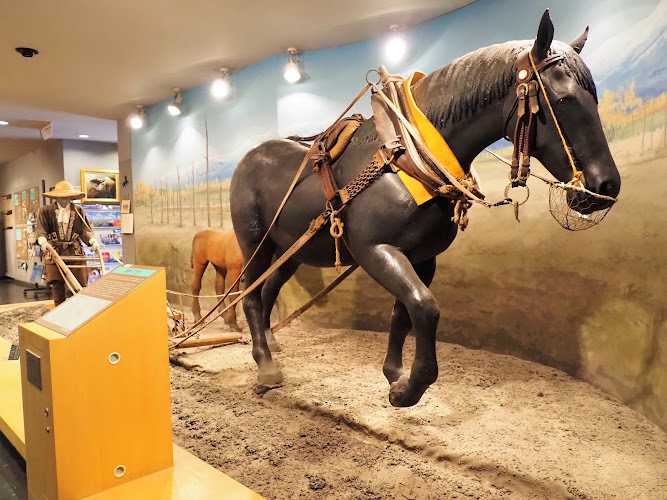
Horse Museum
Kitanoyatai
Find Accommodations Nearby
Recommended Tours & Activities
Visitor Reviews
There are no reviews yet. Be the first one to write one.
Share Your Experience
Have you visited Kofuku eki? Help other travelers by leaving a review.