
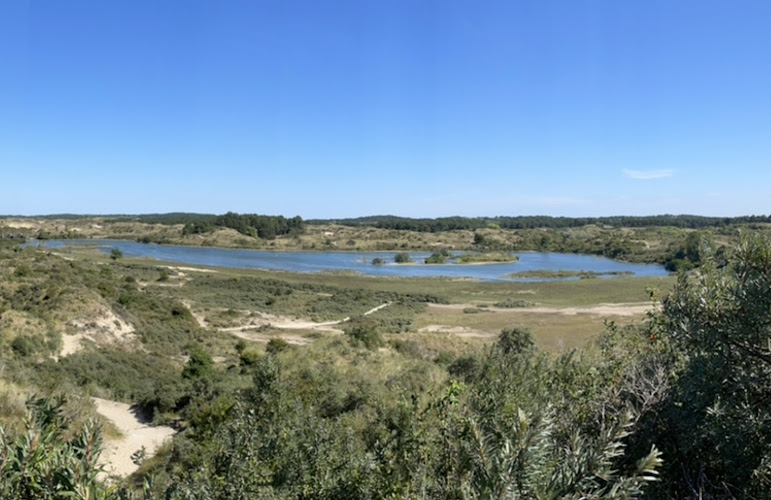
Nationaal Park Zuid-Kennemerland
About Nationaal Park Zuid-Kennemerland
Description
Nationaal Park Zuid-Kennemerland is one of those places that sneaks up on you. At first glance, it’s just a stretch of dunes and woodland between the North Sea and the busy Randstad cities. But spend a few hours here, and you’ll notice how the air feels cleaner, the light softer, and the sounds quieter except for the occasional rustle of deer moving through the undergrowth. This park isn’t just about scenery—it’s a living, breathing landscape where shifting sands, wild horses, and ancient oak forests share space with cyclists, hikers, and the occasional picnic blanket.
It’s a rare thing to find such a large, untouched piece of nature so close to urban life. You can walk for hours without hearing a car, yet still be back in Haarlem for dinner. The park’s landscapes change dramatically from one trail to the next—rolling dunes that look almost desert-like, shaded pine groves, and open grasslands where Scottish Highland cattle graze lazily. And yes, there’s a real chance of spotting European bison if you’re lucky. It’s not a zoo, though—wildlife here does its own thing, and you have to be patient.
What I’ve always loved about Zuid-Kennemerland is how it feels accessible without being overrun. Families come for kid-friendly walks and picnics, hikers tackle longer dune trails, and dog owners let their pups run free in designated areas. It’s not manicured or overly “touristy”—there’s a rawness to it that makes each visit feel slightly different. Sure, you might run into a few muddy paths after rain, and the wind off the sea can be fierce in winter, but that’s part of the charm. It’s nature doing its thing, and you’re just along for the ride.
Key Features
- Expansive coastal dune landscapes with diverse habitats
- Wildlife spotting opportunities, including deer, foxes, Highland cattle, and European bison
- Wheelchair-accessible entrances and parking
- Family-friendly hiking routes and picnic areas with tables
- Dog-friendly zones and trails
- Mix of forest, grassland, and beach access
- Historic estates and remnants of WWII bunkers
Best Time to Visit
If you want the park at its most photogenic, late spring and early summer are hard to beat. The dunes bloom with wildflowers, and the days are long enough for a leisurely hike followed by a sunset on the beach. Autumn is underrated here—the forests turn golden, and the cooler air makes longer walks more comfortable. Winter can be bracing, with strong sea winds and fewer visitors, but it’s also when you’re most likely to have entire trails to yourself.
Personally, I love visiting in early mornings no matter the season. There’s something about watching the mist lift off the dunes or catching the first rays of sunlight through the trees that makes the day feel special. Just keep in mind that some wildlife is more active at dawn and dusk, so if spotting animals is high on your list, plan accordingly.
How to Get There
The park is well-situated between Haarlem, Zandvoort, and IJmuiden, making it easy to reach whether you’re coming by car, bike, or public transport. From Haarlem, it’s just a short cycle ride or bus trip to one of the main entrances. If you’re driving, there are several parking areas, some of which are free and others paid depending on the season. For cyclists, the park connects seamlessly to the extensive Dutch cycling network, so you can make it part of a longer coastal ride.
Trains from Amsterdam to Haarlem run frequently, and from there, local buses or bikes will get you to the park in under 20 minutes. If you’re feeling adventurous, you can even walk in from Zandvoort beach, combining a seaside stroll with a dune hike.
Tips for Visiting
First things first—bring water, especially if you’re planning a longer hike. There are some facilities, but they’re not on every corner, and the sun can be surprisingly strong in the dunes. Wear layers, too; the weather here can shift quickly, with warm sunshine one minute and a chilly sea breeze the next.
If you’re hoping to see wildlife, move quietly and avoid peak midday hours when animals tend to rest. Early mornings and late afternoons are your best bet. And while dogs are welcome in many areas, check the signage—some zones are off-limits to protect sensitive habitats.
Picnic tables are scattered around, but I’ve found that bringing a blanket and finding your own quiet spot makes for a better experience. Just remember to pack out all your rubbish; the park’s charm depends on everyone doing their bit to keep it clean. And if you’re visiting in summer, consider bug spray—nothing ruins a sunset like a swarm of mosquitoes.
Lastly, don’t try to “see it all” in one day. The park is bigger than it looks on a map, and part of its magic is slowing down and letting the landscape reveal itself. Pick a trail or two, take your time, and if you fall in love with it (you probably will), come back in a different season to see how it changes.
Key Features
- Expansive coastal dune landscapes with diverse habitats
- Wildlife spotting opportunities, including deer, foxes, Highland cattle, and European bison
- Wheelchair-accessible entrances and parking
- Family-friendly hiking routes and picnic areas with tables
- Dog-friendly zones and trails
- Mix of forest, grassland, and beach access
- Historic estates and remnants of WWII bunkers
More Details
Updated August 10, 2025
Table of Contents
Description
Nationaal Park Zuid-Kennemerland is one of those places that sneaks up on you. At first glance, it’s just a stretch of dunes and woodland between the North Sea and the busy Randstad cities. But spend a few hours here, and you’ll notice how the air feels cleaner, the light softer, and the sounds quieter except for the occasional rustle of deer moving through the undergrowth. This park isn’t just about scenery—it’s a living, breathing landscape where shifting sands, wild horses, and ancient oak forests share space with cyclists, hikers, and the occasional picnic blanket.
It’s a rare thing to find such a large, untouched piece of nature so close to urban life. You can walk for hours without hearing a car, yet still be back in Haarlem for dinner. The park’s landscapes change dramatically from one trail to the next—rolling dunes that look almost desert-like, shaded pine groves, and open grasslands where Scottish Highland cattle graze lazily. And yes, there’s a real chance of spotting European bison if you’re lucky. It’s not a zoo, though—wildlife here does its own thing, and you have to be patient.
What I’ve always loved about Zuid-Kennemerland is how it feels accessible without being overrun. Families come for kid-friendly walks and picnics, hikers tackle longer dune trails, and dog owners let their pups run free in designated areas. It’s not manicured or overly “touristy”—there’s a rawness to it that makes each visit feel slightly different. Sure, you might run into a few muddy paths after rain, and the wind off the sea can be fierce in winter, but that’s part of the charm. It’s nature doing its thing, and you’re just along for the ride.
Key Features
- Expansive coastal dune landscapes with diverse habitats
- Wildlife spotting opportunities, including deer, foxes, Highland cattle, and European bison
- Wheelchair-accessible entrances and parking
- Family-friendly hiking routes and picnic areas with tables
- Dog-friendly zones and trails
- Mix of forest, grassland, and beach access
- Historic estates and remnants of WWII bunkers
Best Time to Visit
If you want the park at its most photogenic, late spring and early summer are hard to beat. The dunes bloom with wildflowers, and the days are long enough for a leisurely hike followed by a sunset on the beach. Autumn is underrated here—the forests turn golden, and the cooler air makes longer walks more comfortable. Winter can be bracing, with strong sea winds and fewer visitors, but it’s also when you’re most likely to have entire trails to yourself.
Personally, I love visiting in early mornings no matter the season. There’s something about watching the mist lift off the dunes or catching the first rays of sunlight through the trees that makes the day feel special. Just keep in mind that some wildlife is more active at dawn and dusk, so if spotting animals is high on your list, plan accordingly.
How to Get There
The park is well-situated between Haarlem, Zandvoort, and IJmuiden, making it easy to reach whether you’re coming by car, bike, or public transport. From Haarlem, it’s just a short cycle ride or bus trip to one of the main entrances. If you’re driving, there are several parking areas, some of which are free and others paid depending on the season. For cyclists, the park connects seamlessly to the extensive Dutch cycling network, so you can make it part of a longer coastal ride.
Trains from Amsterdam to Haarlem run frequently, and from there, local buses or bikes will get you to the park in under 20 minutes. If you’re feeling adventurous, you can even walk in from Zandvoort beach, combining a seaside stroll with a dune hike.
Tips for Visiting
First things first—bring water, especially if you’re planning a longer hike. There are some facilities, but they’re not on every corner, and the sun can be surprisingly strong in the dunes. Wear layers, too; the weather here can shift quickly, with warm sunshine one minute and a chilly sea breeze the next.
If you’re hoping to see wildlife, move quietly and avoid peak midday hours when animals tend to rest. Early mornings and late afternoons are your best bet. And while dogs are welcome in many areas, check the signage—some zones are off-limits to protect sensitive habitats.
Picnic tables are scattered around, but I’ve found that bringing a blanket and finding your own quiet spot makes for a better experience. Just remember to pack out all your rubbish; the park’s charm depends on everyone doing their bit to keep it clean. And if you’re visiting in summer, consider bug spray—nothing ruins a sunset like a swarm of mosquitoes.
Lastly, don’t try to “see it all” in one day. The park is bigger than it looks on a map, and part of its magic is slowing down and letting the landscape reveal itself. Pick a trail or two, take your time, and if you fall in love with it (you probably will), come back in a different season to see how it changes.
Key Highlights
- Expansive coastal dune landscapes with diverse habitats
- Wildlife spotting opportunities, including deer, foxes, Highland cattle, and European bison
- Wheelchair-accessible entrances and parking
- Family-friendly hiking routes and picnic areas with tables
- Dog-friendly zones and trails
- Mix of forest, grassland, and beach access
- Historic estates and remnants of WWII bunkers
Location
Places to Stay Near Nationaal Park Zuid-Kennemerland
Find and Book a Tour
Explore More Travel Guides
No reviews found! Be the first to review!
Traveler Reviews for Nationaal Park Zuid-Kennemerland
There are no reviews yet. Be the first one to write one.
Have you visited Nationaal Park Zuid-Kennemerland? Help other travelers by sharing your review.
You Might Also Like
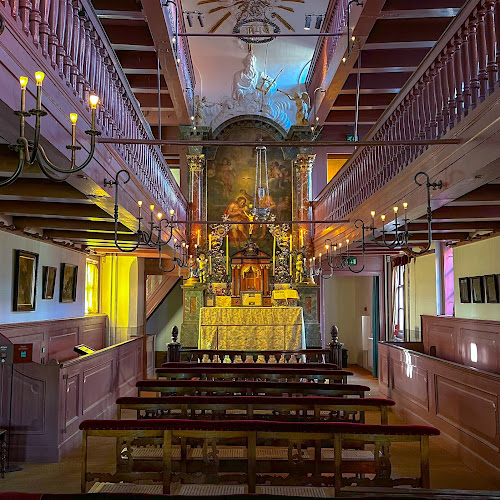
Ons' Lieve Heer op Solder (Our Lord in the Attic Museum)

Huis te Riviere

Agnietenkapel
Find Accommodations Nearby
Recommended Tours & Activities
Visitor Reviews
There are no reviews yet. Be the first one to write one.
Share Your Experience
Have you visited Nationaal Park Zuid-Kennemerland? Help other travelers by leaving a review.