
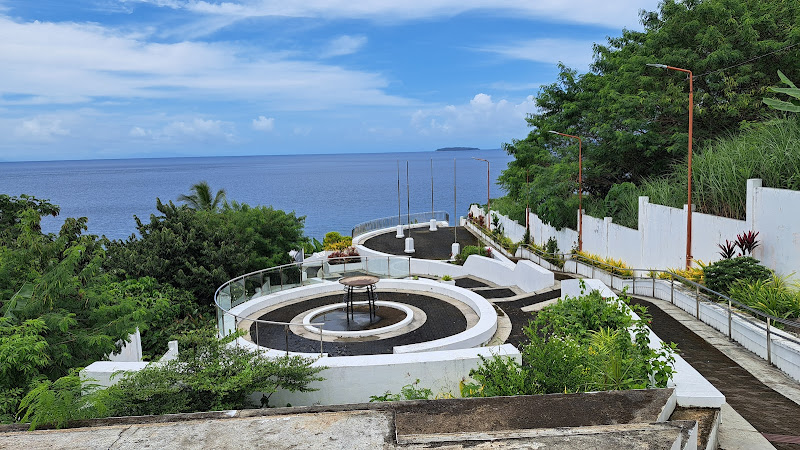
Battle of Surigao Strait Museum
About Battle of Surigao Strait Museum
Description
The Battle of Surigao Strait Museum sits as a compact, earnest tribute to one of the last classic naval engagements of World War II. Located in Surigao, Surigao del Norte, Philippines, the museum focuses on the tactical clash that reshaped naval warfare in the region and showcases local stories, photographs, maps, and artifacts recovered or donated by veterans' families and local historians. It is the kind of place that rewards curiosity more than casual passing-by; visitors who linger will find layers of detail — from ship models and ranger testimonies to preserved relics — that paint a human picture behind the big strategic names.
The museum is small compared to metropolitan war museums, but that intimacy is actually a strength. Exhibits are arranged to guide visitors through the chronology of the battle, the local seafaring context, and the aftermath for communities around the strait. There’s a thoughtful balance between military hardware and personal narratives: technical diagrams and maps sit beside letters, photographs, and oral-history excerpts. The storytelling leans towards clarity rather than jargon, making complex naval maneuvers accessible to non-specialists while still satisfying anyone who likes a good tactical map.
Practical note: restrooms are available on site, but there is no in-house restaurant. Families with kids will find the museum accommodating — it’s labeled as good for children — though younger visitors may prefer a guided tour or a focused scavenger-hunt-style activity to keep interest high. Visitors should expect a modest, community-run feel: exhibits may not be as polished as national institutions, but they frequently have genuine artifacts and heartfelt interpretation that larger museums sometimes miss.
There’s an underlying sense of local pride here. The museum doubles as an educational resource for Surigao’s younger residents and as a focal point for remembrance. It’s less glossy, more authentic, and if that sounds like praise, it is. Many visitors leave feeling they learned something tangible and felt connected to the people behind the history rather than a curated, impersonal narrative.
Key Features
- Focused exhibitions on the Battle of Surigao Strait with maps, ship models, and timeline panels that clarify the battle’s place in the Leyte Gulf campaign.
- Personal artifacts and oral-history displays highlighting accounts from local fishermen, survivors, and wartime families.
- Educational materials geared toward students and younger visitors; family-friendly labels and easy-to-read timelines.
- Photograph galleries showing wartime Surigao and surrounding coastal areas; a useful visual record for history buffs and photographers alike.
- Small-scale dioramas and interactive elements that help explain naval maneuvers without overwhelming non-experts.
- On-site restroom facilities for visitor convenience; no restaurant, so plan food stops accordingly.
- Volunteer-staffed operations and community-curated exhibits that reflect local perspectives often missing from national narratives.
- Good accessibility for short visits — a meaningful stop for travelers exploring Surigao and nearby historical sites.
Best Time to Visit
The best time to visit the Battle of Surigao Strait Museum is during Surigao’s dry season, generally between November and April. December often stands out: the weather is cooler and more comfortable for walking around town, and there’s a steadier flow of domestic travelers who combine museum visits with island-hopping and local festivals. If a traveler likes quieter museums, midweek visits outside school holiday periods are ideal; weekends and holiday weeks tend to be busier with family groups.
Weather matters for the broader travel experience. Surigao has a tropical climate and heavy rains can make short trips less pleasant, particularly if the visitor plans to combine the museum with coastal viewpoints or boat tours. So, while the museum itself is indoors and can be visited in a light rain, pairing the museum visit with outdoor activities is better in the dry months. And if a visitor wants to catch a local commemoration event or veteran gathering, late October to December can sometimes feature memorial ceremonies, but those are irregular — keep expectations flexible.
How to Get There
Getting to the museum is straightforward for travelers already in Surigao city. It sits within the urban area, meaning short taxi or tricycle rides from most central points. Public transport in Surigao is simple: tricycles and jeepneys are the everyday options and they’re cheap and ubiquitous. For someone arriving by ferry or plane, a brief ride from the port area or the airport will get them to the museum.
For travelers driving, parking near the museum is usually available on nearby streets; it’s not a large formal lot, so expect curbside spots. If the driver is unfamiliar with local parking conventions, it’s sensible to aim for early arrival to secure a spot, especially on busy days. Ride-hailing apps may have limited coverage depending on the user’s carrier and services at the time, so it’s good to have local cash for tricycle fares or to ask hotel staff to arrange a ride.
Many visitors combine a trip to the museum with other Surigao highlights — coastal walks, seafood markets, and riverfront promenades. It’s a compact city; walking between several sites in a day is realistic if the visitor starts early and dresses for heat or sun. For those on a tight itinerary, the museum’s relatively small footprint means a thorough visit can take between 45 minutes and 2 hours depending on interest level and whether one reads everything word-for-word.
Tips for Visiting
Plan for at least an hour. The museum is lean but rich; rushing through will miss context and the small personal stories that make it memorable. If the visitor has a particular interest in naval tactics or WWII history, an extra hour helps to absorb maps and photograph captions.
Bring a notebook or a phone to jot down names and references. The museum often mentions books, local oral-history projects, and veterans whose accounts aren’t widely published — writing these down will help anyone who wants to research further once they return home. And yes, photos are useful for remembering details, but visitors should check signage for photography rules; typically casual photography is allowed but flash or tripods might be discouraged.
Combine the museum visit with a local dining stop — even though the museum has no restaurant, Surigao’s seafood and local snacks are worth the detour. Locals know the small eateries that serve fresh catch and traditional dishes; museum staff or nearby vendors can often point visitors in the right direction. Cash is king in many smaller establishments, so carry small bills.
Expect a community-driven atmosphere. Exhibits occasionally get updated with new donations and the museum may host temporary displays or guest speakers. If the visitor is lucky, a volunteer or docent will be present and eager to share first-hand accounts or point out subtle details the plaques miss. These volunteers are often passionate and proud — they’ll gladly spend extra time with engaged visitors. Be friendly; asking a question often opens up a richer visit than simply following labels.
Be mindful of operating hours. Smaller museums sometimes have irregular schedules or close for events, so those planning a tight itinerary should call ahead or check with local tourism desks. If the visitor is part of a group, arranging a guided or group visit in advance can be helpful, especially if translations or special accommodations are needed.
Children tend to enjoy the hands-on bits and the ship models, but to keep younger visitors engaged, try a scavenger-list approach: find an artifact with a date, count the number of ship models, read one veteran quote aloud. Little games like that make history stick. And don’t underestimate teenagers — many find the maps and tactical displays quite absorbing when framed as real-world problem-solving rather than dry facts.
Finally, take a moment to reflect. The Battle of Surigao Strait Museum is not just about ships and strategy; it’s about communities that lived through conflict and reconstructed their lives afterward. Quiet corners of the museum contain letters and personal images that can be surprisingly moving. Visitors who allow themselves a pause will leave with a clearer sense of the human costs and local resilience tied to this important slice of history.
Overall, the Battle of Surigao Strait Museum is an understated but meaningful stop for history-minded travelers exploring Surigao, Philippines. It’s not a polished national institution, but its focused exhibits, local voice, and tangible artifacts make it well worth the time for anyone who wants to understand the Battle of Surigao Strait and its place in the broader story of the Pacific War.
Key Features
- Focused exhibitions on the Battle of Surigao Strait with maps, ship models, and timeline panels that clarify the battle’s place in the Leyte Gulf campaign.
- Personal artifacts and oral-history displays highlighting accounts from local fishermen, survivors, and wartime families.
- Educational materials geared toward students and younger visitors; family-friendly labels and easy-to-read timelines.
- Photograph galleries showing wartime Surigao and surrounding coastal areas; a useful visual record for history buffs and photographers alike.
- Small-scale dioramas and interactive elements that help explain naval maneuvers without overwhelming non-experts.
- On-site restroom facilities for visitor convenience; no restaurant, so plan food stops accordingly.
- Volunteer-staffed operations and community-curated exhibits that reflect local perspectives often missing from national narratives.
- Good accessibility for short visits — a meaningful stop for travelers exploring Surigao and nearby historical sites.
More Details
Updated August 30, 2025
Table of Contents
Description
The Battle of Surigao Strait Museum sits as a compact, earnest tribute to one of the last classic naval engagements of World War II. Located in Surigao, Surigao del Norte, Philippines, the museum focuses on the tactical clash that reshaped naval warfare in the region and showcases local stories, photographs, maps, and artifacts recovered or donated by veterans’ families and local historians. It is the kind of place that rewards curiosity more than casual passing-by; visitors who linger will find layers of detail — from ship models and ranger testimonies to preserved relics — that paint a human picture behind the big strategic names.
The museum is small compared to metropolitan war museums, but that intimacy is actually a strength. Exhibits are arranged to guide visitors through the chronology of the battle, the local seafaring context, and the aftermath for communities around the strait. There’s a thoughtful balance between military hardware and personal narratives: technical diagrams and maps sit beside letters, photographs, and oral-history excerpts. The storytelling leans towards clarity rather than jargon, making complex naval maneuvers accessible to non-specialists while still satisfying anyone who likes a good tactical map.
Practical note: restrooms are available on site, but there is no in-house restaurant. Families with kids will find the museum accommodating — it’s labeled as good for children — though younger visitors may prefer a guided tour or a focused scavenger-hunt-style activity to keep interest high. Visitors should expect a modest, community-run feel: exhibits may not be as polished as national institutions, but they frequently have genuine artifacts and heartfelt interpretation that larger museums sometimes miss.
There’s an underlying sense of local pride here. The museum doubles as an educational resource for Surigao’s younger residents and as a focal point for remembrance. It’s less glossy, more authentic, and if that sounds like praise, it is. Many visitors leave feeling they learned something tangible and felt connected to the people behind the history rather than a curated, impersonal narrative.
Key Features
- Focused exhibitions on the Battle of Surigao Strait with maps, ship models, and timeline panels that clarify the battle’s place in the Leyte Gulf campaign.
- Personal artifacts and oral-history displays highlighting accounts from local fishermen, survivors, and wartime families.
- Educational materials geared toward students and younger visitors; family-friendly labels and easy-to-read timelines.
- Photograph galleries showing wartime Surigao and surrounding coastal areas; a useful visual record for history buffs and photographers alike.
- Small-scale dioramas and interactive elements that help explain naval maneuvers without overwhelming non-experts.
- On-site restroom facilities for visitor convenience; no restaurant, so plan food stops accordingly.
- Volunteer-staffed operations and community-curated exhibits that reflect local perspectives often missing from national narratives.
- Good accessibility for short visits — a meaningful stop for travelers exploring Surigao and nearby historical sites.
Best Time to Visit
The best time to visit the Battle of Surigao Strait Museum is during Surigao’s dry season, generally between November and April. December often stands out: the weather is cooler and more comfortable for walking around town, and there’s a steadier flow of domestic travelers who combine museum visits with island-hopping and local festivals. If a traveler likes quieter museums, midweek visits outside school holiday periods are ideal; weekends and holiday weeks tend to be busier with family groups.
Weather matters for the broader travel experience. Surigao has a tropical climate and heavy rains can make short trips less pleasant, particularly if the visitor plans to combine the museum with coastal viewpoints or boat tours. So, while the museum itself is indoors and can be visited in a light rain, pairing the museum visit with outdoor activities is better in the dry months. And if a visitor wants to catch a local commemoration event or veteran gathering, late October to December can sometimes feature memorial ceremonies, but those are irregular — keep expectations flexible.
How to Get There
Getting to the museum is straightforward for travelers already in Surigao city. It sits within the urban area, meaning short taxi or tricycle rides from most central points. Public transport in Surigao is simple: tricycles and jeepneys are the everyday options and they’re cheap and ubiquitous. For someone arriving by ferry or plane, a brief ride from the port area or the airport will get them to the museum.
For travelers driving, parking near the museum is usually available on nearby streets; it’s not a large formal lot, so expect curbside spots. If the driver is unfamiliar with local parking conventions, it’s sensible to aim for early arrival to secure a spot, especially on busy days. Ride-hailing apps may have limited coverage depending on the user’s carrier and services at the time, so it’s good to have local cash for tricycle fares or to ask hotel staff to arrange a ride.
Many visitors combine a trip to the museum with other Surigao highlights — coastal walks, seafood markets, and riverfront promenades. It’s a compact city; walking between several sites in a day is realistic if the visitor starts early and dresses for heat or sun. For those on a tight itinerary, the museum’s relatively small footprint means a thorough visit can take between 45 minutes and 2 hours depending on interest level and whether one reads everything word-for-word.
Tips for Visiting
Plan for at least an hour. The museum is lean but rich; rushing through will miss context and the small personal stories that make it memorable. If the visitor has a particular interest in naval tactics or WWII history, an extra hour helps to absorb maps and photograph captions.
Bring a notebook or a phone to jot down names and references. The museum often mentions books, local oral-history projects, and veterans whose accounts aren’t widely published — writing these down will help anyone who wants to research further once they return home. And yes, photos are useful for remembering details, but visitors should check signage for photography rules; typically casual photography is allowed but flash or tripods might be discouraged.
Combine the museum visit with a local dining stop — even though the museum has no restaurant, Surigao’s seafood and local snacks are worth the detour. Locals know the small eateries that serve fresh catch and traditional dishes; museum staff or nearby vendors can often point visitors in the right direction. Cash is king in many smaller establishments, so carry small bills.
Expect a community-driven atmosphere. Exhibits occasionally get updated with new donations and the museum may host temporary displays or guest speakers. If the visitor is lucky, a volunteer or docent will be present and eager to share first-hand accounts or point out subtle details the plaques miss. These volunteers are often passionate and proud — they’ll gladly spend extra time with engaged visitors. Be friendly; asking a question often opens up a richer visit than simply following labels.
Be mindful of operating hours. Smaller museums sometimes have irregular schedules or close for events, so those planning a tight itinerary should call ahead or check with local tourism desks. If the visitor is part of a group, arranging a guided or group visit in advance can be helpful, especially if translations or special accommodations are needed.
Children tend to enjoy the hands-on bits and the ship models, but to keep younger visitors engaged, try a scavenger-list approach: find an artifact with a date, count the number of ship models, read one veteran quote aloud. Little games like that make history stick. And don’t underestimate teenagers — many find the maps and tactical displays quite absorbing when framed as real-world problem-solving rather than dry facts.
Finally, take a moment to reflect. The Battle of Surigao Strait Museum is not just about ships and strategy; it’s about communities that lived through conflict and reconstructed their lives afterward. Quiet corners of the museum contain letters and personal images that can be surprisingly moving. Visitors who allow themselves a pause will leave with a clearer sense of the human costs and local resilience tied to this important slice of history.
Overall, the Battle of Surigao Strait Museum is an understated but meaningful stop for history-minded travelers exploring Surigao, Philippines. It’s not a polished national institution, but its focused exhibits, local voice, and tangible artifacts make it well worth the time for anyone who wants to understand the Battle of Surigao Strait and its place in the broader story of the Pacific War.
Key Highlights
- Focused exhibitions on the Battle of Surigao Strait with maps, ship models, and timeline panels that clarify the battle’s place in the Leyte Gulf campaign.
- Personal artifacts and oral-history displays highlighting accounts from local fishermen, survivors, and wartime families.
- Educational materials geared toward students and younger visitors; family-friendly labels and easy-to-read timelines.
- Photograph galleries showing wartime Surigao and surrounding coastal areas; a useful visual record for history buffs and photographers alike.
- Small-scale dioramas and interactive elements that help explain naval maneuvers without overwhelming non-experts.
- On-site restroom facilities for visitor convenience; no restaurant, so plan food stops accordingly.
- Volunteer-staffed operations and community-curated exhibits that reflect local perspectives often missing from national narratives.
- Good accessibility for short visits — a meaningful stop for travelers exploring Surigao and nearby historical sites.
Location
Places to Stay Near Battle of Surigao Strait Museum
Find and Book a Tour
Explore More Travel Guides
No reviews found! Be the first to review!
Traveler Reviews for Battle of Surigao Strait Museum
There are no reviews yet. Be the first one to write one.
Have you visited Battle of Surigao Strait Museum? Help other travelers by sharing your review.
Find Accommodations Nearby
Recommended Tours & Activities
Visitor Reviews
There are no reviews yet. Be the first one to write one.
Share Your Experience
Have you visited Battle of Surigao Strait Museum? Help other travelers by leaving a review.